eSIM for Laos: Best Plans, Coverage, and Setup Tips
Everything you need to know about using eSIM in Laos. Best data plans, network coverage, and setup instructions.
By Hello Travel Team
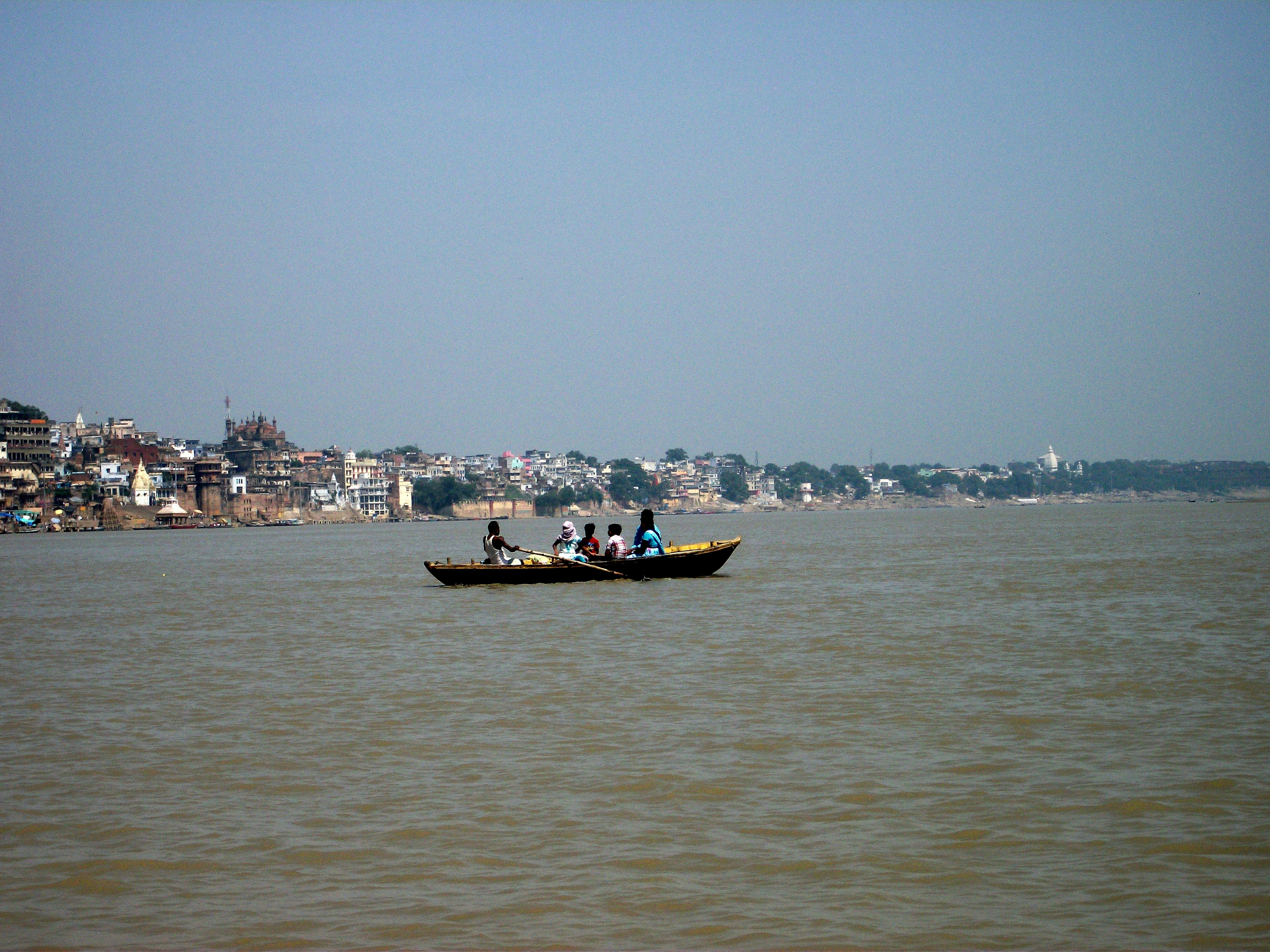
TL;DR: Best eSIM for Laos Travel
For most visitors, an eSIM from Hello is the simplest way to arrange Laos mobile data before departure: buy a plan in advance, activate it on a compatible unlocked phone, and arrive ready for maps, translation, ride bookings, and messaging. Hello's Laos eSIM plans start from 5GB, with prices updated live in the Hello app, so the right choice depends on trip length and usage.
Laos has dependable mobile service in Vientiane, Luang Prabang, Vang Vieng, Pakse, Savannakhet, and many Mekong corridor towns, while remote mountain, trekking, and border areas can have limited or no signal. Download offline maps before leaving cities, keep your passport details available if a local registration is required, and use Wi-Fi for large uploads. In 2025, Laos recorded 4,580,709 international visitors, according to the Tourism Development Department, making reliable Laos travel internet increasingly useful for independent travellers.
Why Use an eSIM in Laos for Mobile Data
An eSIM for Laos is useful because it lets you arrange connectivity before landing, avoiding airport queues, unfamiliar registration processes, and the risk of leaving the terminal without working maps or translation. Hello's eSIM connectivity is available through the Hello app for iOS and Android, and plans can be purchased and activated before your trip.
For a typical 7- to 10-day itinerary covering Vientiane, Vang Vieng, and Luang Prabang, a 5GB Laos eSIM plan is often a practical starting point if you mainly use Google Maps, WhatsApp, email, translation, and occasional social media. Allow more data if you tether a laptop, stream video, upload large files, or work remotely. As a rough planning guide for 2026:
- Light use: 5GB for maps, messaging, bookings, and occasional browsing.
- Moderate use: 10GB or more for frequent social media, photo uploads, and video calls.
- Heavy use: choose the largest available plan and rely on hotel Wi-Fi for streaming and backups.
Check the live price and validity in Hello before paying, because plan availability and pricing can change. You can explore Hello eSIM for Laos and purchase connectivity for more than 200 countries from the same travel companion app.
Best Laos eSIM Plan for Different Travel Styles
The best Laos eSIM plan is the one that matches your itinerary, rather than simply the plan with the most data: city breaks need less capacity, while long overland routes and remote excursions require more preparation. Hello's plans start from 5GB, and current prices are displayed live in the app.
| Traveller type | Suggested data | Typical use | Planning advice |
|---|---|---|---|
| Weekend city break | 5GB | Maps, messaging, bookings | Download maps and hotel details in advance |
| One-week highlights trip | 5–10GB | Navigation, translation, social media | Suitable for Vientiane, Vang Vieng, and Luang Prabang |
| Two-week backpacking route | 10GB or more | Frequent navigation and uploads | Useful for trains, buses, and changing accommodation |
| Remote worker | 10GB or more | Video calls, tethering, cloud tools | Confirm coverage at each hotel before relying on it |
| Group traveller | 10GB or more | Shared hotspot and coordination | A larger plan may be easier than several small top-ups |
A realistic 2026 budget should include accommodation, transport, food, and connectivity rather than treating data as an afterthought. Street-food meals may cost around $1–3, casual restaurant meals around $3–8, and mid-range tourist meals roughly $8–15, depending on location and exchange rates. Hello also includes expense splitting and multi-currency budget tracking, which can help groups record kip, Thai baht, US dollars, and other currencies in one trip.
Laos Mobile Network Coverage: Cities, Trains, and Remote Areas
Laos mobile data is strongest in major towns and along established tourist routes, but coverage can drop quickly in mountainous countryside, national parks, and border regions. Unitel reported coverage reaching 95% of the population and operating nearly 10,000 base stations in 2025; that population figure does not mean every square kilometre has a signal.
Expect generally useful service in Vientiane, Luang Prabang, Vang Vieng, Pakse, Savannakhet, and popular Mekong destinations. Coverage is more variable around northern trekking areas, Phongsali, parts of Luang Namtha, the Plain of Jars, remote mountain roads, and some border zones. The 4,000 Islands can provide basic service around the main island clusters, but hotel Wi-Fi and local conditions vary.
Plan around connectivity gaps:
- Save offline maps for Laos, Vientiane, Luang Prabang, and your route.
- Screenshot hotel addresses in Lao and English before travelling.
- Download train or bus tickets and QR codes while connected.
- Tell someone your itinerary before trekking or travelling through remote areas.
- Carry a power bank, particularly on long train and minivan journeys.
The Laos-China Railway makes routes such as Vientiane–Vang Vieng–Luang Prabang easier to plan, but stations, tunnels, and rural stretches may still produce intermittent service.
How to Set Up a Hello eSIM in Laos
Setting up a Hello eSIM for Laos usually takes only a few minutes, but completing the installation before departure is safer than troubleshooting at a busy airport or border crossing. Your phone must support eSIM technology, be carrier-unlocked, and have enough battery and internet access to download the eSIM.
Use this setup process:
- Check your device's eSIM compatibility and confirm it is unlocked.
- Open Hello on iOS or Android, select Laos, and choose a plan based on trip length and data needs.
- Buy the plan while connected to reliable Wi-Fi or mobile data.
- Follow Hello's installation instructions; depending on your phone, this may use an automatic flow or a QR code.
- Label the new line “Laos” so you can identify it easily.
- Set the Hello eSIM as the line for mobile data when you arrive.
- Enable data roaming for the Hello line if the installation instructions require it, and disable roaming on your home SIM to avoid unexpected charges.
- Test data by opening a webpage or map before leaving the airport.
Keep your physical SIM active for calls or SMS if needed, but make sure your home line is not selected for data. Do not delete the Hello eSIM during the trip unless you are certain you no longer need it.
Common Questions About eSIM Laos and Travel Internet
Most travellers can use an eSIM in Laos without changing their phone number, provided their device supports eSIM and is unlocked; the eSIM supplies mobile data while your regular SIM can remain available for calls and verification messages. Hello's app provides plan and activation instructions for supported devices.
Does Laos support eSIM?
Yes, visitors can use an eSIM from Hello for mobile data in Laos when their phone and plan are compatible. Confirm compatibility before purchase, especially with regional phone models.
Will an eSIM work in Vang Vieng and Luang Prabang?
Service is generally more dependable in established tourist towns such as Vang Vieng and Luang Prabang than in remote mountain areas. Download offline navigation before travelling between destinations.
Do I need Wi-Fi after buying a Laos eSIM plan?
You need an internet connection to install the eSIM, so complete setup at home or use reliable airport or hotel Wi-Fi. Once activated and connected to a supported network, the Hello eSIM provides mobile data without requiring local Wi-Fi.
How much Laos mobile data do I need?
Five gigabytes is a reasonable starting point for light use over a week. Choose 10GB or more for frequent uploads, video calls, tethering, or a longer itinerary.
Can I use Hello for more than Laos?
Hello offers eSIM connectivity in more than 200 countries, so it can be useful if your trip continues to Thailand or another destination.
Practical Laos Connectivity Tips for a Smooth Trip
The most reliable Laos travel internet strategy combines a Hello eSIM with offline preparation, hotel Wi-Fi, and realistic expectations about rural coverage. Laos welcomed more than 4.1 million international tourists in 2024 and nearly 4.6 million in 2025, according to the Tourism Development Department, but tourism growth does not remove the country’s geographic connectivity gaps.
Before departure, download Google Maps areas, Lao language packs in your translation app, accommodation confirmations, travel insurance documents, and copies of your passport. Keep a small amount of Lao kip for transport, food stalls, and rural guesthouses where card payments and stable internet may be unavailable. In 2026, a local bus or short tuk-tuk ride may cost only a few dollars, but fares vary by distance, negotiation, and destination.
Use mobile data selectively when travelling:
- Turn off automatic photo backups and app updates.
- Use hotel Wi-Fi for cloud synchronisation and streaming.
- Check data consumption every few days.
- Keep battery-saving mode available for long journeys.
- Avoid assuming a map route or booking QR code will load in a remote valley.
The Hello app can also scan receipts in different languages and currencies, accept voice expense entries, import bank statements, categorise spending with AI, and split shared costs using automatic exchange-rate conversion. That makes it practical for tracking transport, accommodation, food, and connectivity in one place while travelling through Laos.
Explore These Destinations
Stay Connected
Stay connected in Laos
Get an eSIM before you land. Hello gives you instant data in 200+ countries — no SIM swaps, no roaming fees.
Related Articles
Laos Currency & Money Guide: Exchange, Cards, and Tips
Currency exchange, credit card acceptance, ATM tips, tipping culture, and money-saving advice for Laos.
27 July 2026
Laos Safety Guide: Tips for a Safe Trip
Safety tips, health advisories, emergency contacts, common scams, and travel insurance advice for Laos.
19 July 2026
Laos Visa & Entry Requirements for Singapore Passport Holders
Visa requirements, passport validity, customs allowances, and entry tips for Singapore citizens travelling to Laos.
10 July 2026