Laos Safety Guide: Tips for a Safe Trip
Safety tips, health advisories, emergency contacts, common scams, and travel insurance advice for Laos.
By Hello Travel Team
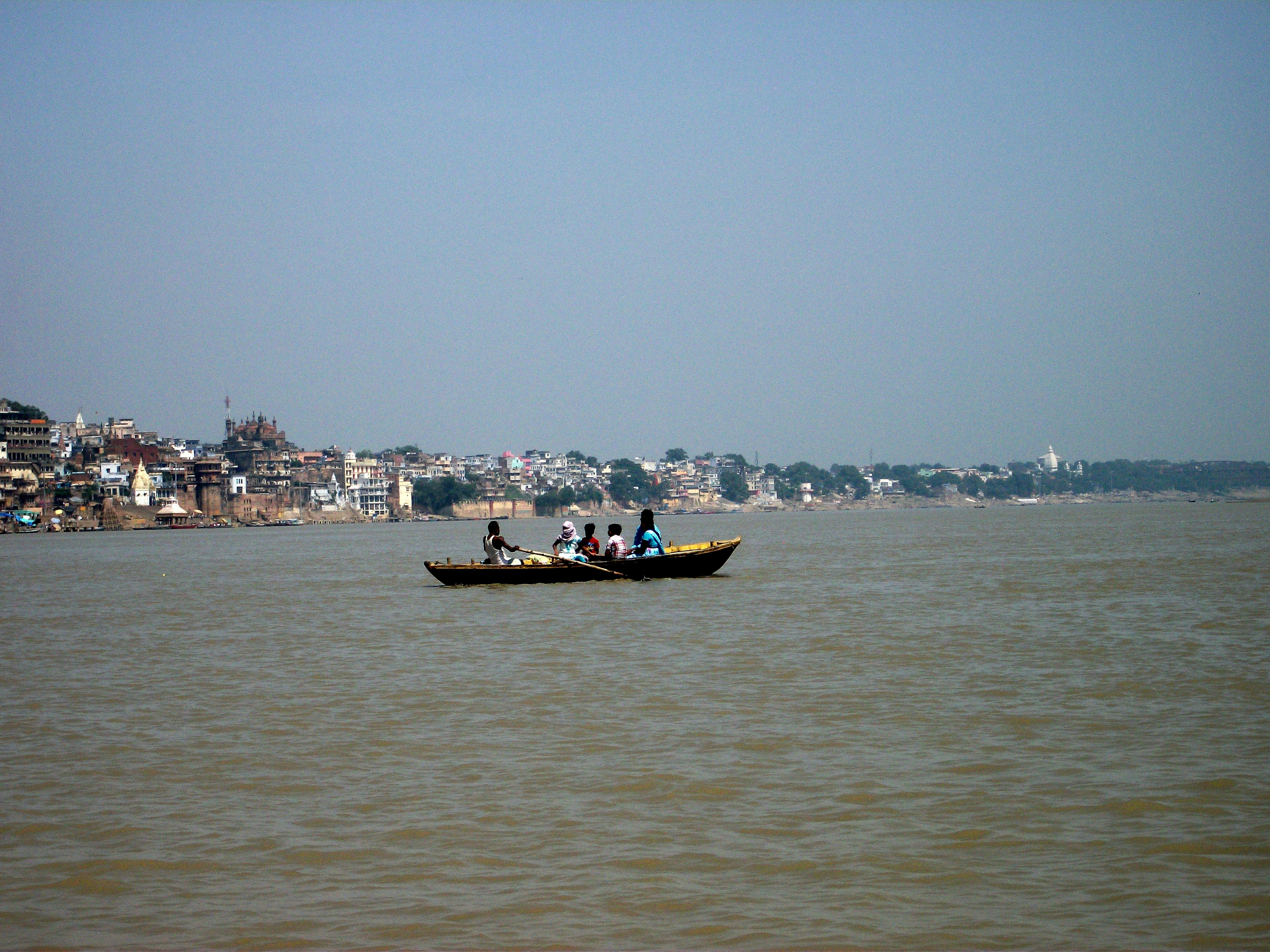
Laos Safety Guide: Is Laos Safe for Travellers?
TL;DR: Laos is generally safe for visitors who use normal precautions, but road travel, unexploded ordnance, mosquito-borne illness, river activities, and petty scams deserve careful attention. Keep valuables secure, use reputable transport, avoid unmarked rural areas, arrange travel insurance, and consult a travel-health professional before departure.
Laos welcomed 4,120,832 international visitors in 2024, according to Laos’s Tourism Development Department, showing that established tourist routes are well used. Most trips to Vientiane, Luang Prabang, Vang Vieng, and Pakse are trouble-free, although medical facilities and transport standards can be limited outside major towns.
A practical Laos travel safety checklist includes:
- Carry a digital and paper copy of your passport and insurance policy.
- Avoid driving motorcycles unless experienced and properly licensed.
- Do not touch unfamiliar metal objects, especially in rural areas where unexploded ordnance remains a risk.
- Drink sealed bottled, filtered, or boiled water.
- Use mosquito repellent and cover exposed skin.
- Save Laos emergency numbers and your embassy’s contact details offline.
The country is welcoming, but relaxed local attitudes should not be mistaken for risk-free conditions. Sensible planning is the best way to enjoy temples, waterfalls, river journeys, and mountain landscapes safely.
Laos Travel Safety by Risk: Roads, Crime, Weather, and Outdoor Activities
The biggest everyday risks in Laos are traffic accidents, weak transport standards, sudden weather changes, and accidents during outdoor activities—not violent crime. Travellers should build extra time into journeys and choose safety standards over the cheapest option.
Motorbike and minivan journeys require particular care. Roads may be poorly lit, potholes are common, and vehicles can be overcrowded or driven quickly. In 2026, a basic scooter rental may cost about $8–15 per day, but the apparent saving is not worth riding without a valid licence, helmet, travel insurance cover, and previous experience. Avoid night driving and inspect the bike before leaving.
In Vang Vieng, check life jackets, harnesses, and operator credentials before tubing, kayaking, zip-lining, or climbing. River levels can change quickly during the rainy season, generally May to October. At waterfalls such as Kuang Si, follow barriers and local instructions because slippery rocks and strong currents cause preventable injuries.
| Situation | Safer choice |
|---|---|
| Intercity travel | Daytime train, reputable bus, or licensed driver |
| Scooter rental | Helmet, licence, insurance, daylight riding |
| River activity | Reputable operator, life jacket, weather check |
| Rural trekking | Local guide and marked routes |
| Remote areas | Tell someone your route and expected return |
Never enter caves, fields, or forest paths marked with warning signs. Laos still has unexploded ordnance in parts of the country, particularly former conflict areas; stay on established paths and never pick up ammunition or metal objects.
Laos Scams and How to Protect Your Money and Belongings
Laos scams are usually low-level overcharging, misleading prices, or opportunistic theft, and clear agreements before payment prevent most problems. Keep cash and phones discreet, confirm prices in writing or on a calculator, and avoid handing over a passport as security for a rental.
Common situations include tuk-tuk drivers quoting one price and demanding more at the destination, scooter shops disputing pre-existing damage, inflated exchange rates, and restaurants or attractions adding unclear charges. Photograph a rental vehicle from every side, record the mileage, and request a receipt. For tuk-tuks, agree on the total fare—not a vague per-person amount—before departure. A short city ride may cost around 30,000–80,000 kip depending on distance and timing, but prices vary by town and negotiation.
Cash remains useful, especially outside Vientiane and Luang Prabang. ATMs can be unavailable or temporarily empty, while card acceptance is inconsistent. Split larger withdrawals between a secure wallet and hotel safe, and keep a small amount accessible for transport and food. If using an ATM, choose one inside a bank or reputable shopping area and shield your PIN.
Watch bags in crowded markets, bus stations, night markets, and busy riverside areas. Never leave a phone on a café table near the street. If a dispute becomes tense, stay calm, ask for hotel or tourist-police assistance, and leave rather than escalating. Travel insurance with theft, medical, and trip-interruption cover is strongly recommended.
Laos Emergency Numbers, Embassy Support, and Connectivity Planning
In an emergency, move to a safe place first, call local authorities where possible, and contact your insurer and Singapore’s diplomatic mission for consular guidance. Response systems can be inconsistent, so hotel staff, tour operators, and local contacts may provide the fastest practical help.
Commonly published Laos emergency numbers are:
- Police: 191
- Ambulance: 195
- Fire: 190
Numbers and response availability can vary by location, so verify them with your accommodation on arrival. In Vientiane, contact the Embassy of Singapore for consular assistance; Singapore’s Ministry of Foreign Affairs publishes the current telephone number, after-hours contact, and operating information. Because consular details can change, save the embassy’s official emergency contact page before departure rather than relying on an old screenshot.
The nearest Singapore diplomatic mission is in Vientiane. It cannot replace travel insurance, pay medical bills, or guarantee evacuation, but it can provide practical consular assistance after serious incidents. Report theft locally and obtain a police report for insurance claims.
Reliable mobile data helps with maps, translation, ride coordination, emergency calls over internet services, and sharing your location. Consider buying and activating Hello eSIM for Laos before departure so you arrive connected; Hello offers plans in 200+ countries with instant activation. Keep your accommodation address in Lao and English, and download offline maps in case coverage drops during mountain or river journeys.
Laos Health Advice: Vaccinations, Food, Water, and Mosquitoes
Book a travel-health appointment at least a month before Laos, update routine vaccinations, and treat mosquitoes, drinking water, and food hygiene as daily priorities. The CDC recommends routine vaccines and hepatitis A for unvaccinated travellers, while other vaccines depend on itinerary, season, activities, and medical history.
Travel-health authorities commonly advise discussing hepatitis A, typhoid, hepatitis B, Japanese encephalitis, and rabies with a clinician. Japanese encephalitis and rabies may be especially relevant for longer rural stays, trekking, animal contact, or limited access to medical care. Yellow-fever vaccination is generally relevant only when arriving from a country with transmission risk or a designated transit requirement.
Laos has dengue and malaria risk, along with illnesses such as chikungunya and Japanese encephalitis. Use repellent containing an effective active ingredient, wear long sleeves and trousers at dawn and dusk, and sleep under a mosquito net where rooms are not screened. Ask a clinician whether malaria medication is appropriate for your exact route.
Do not drink untreated tap water. Choose sealed bottled water, or boil and filter water; use safe water for brushing teeth when uncertain. Eat food cooked thoroughly and served hot, peel fruit yourself, and be cautious with raw salads, ice of uncertain origin, and undercooked meat or fish. Seek medical advice promptly for fever, severe diarrhoea, dehydration, or unusual symptoms, and avoid self-medicating persistent fever.
Solo Female, LGBTQ+, and Cultural Safety in Laos
Solo women and LGBTQ+ travellers can visit Laos comfortably with ordinary precautions, but conservative dress, limited nightlife infrastructure, and discreet public behaviour make travel smoother. Tourist centres are accustomed to international visitors, while rural communities may be more traditional.
Solo female travellers should choose accommodation with strong recent reviews, arrive in new towns during daylight, share transport details with someone at home, and avoid accepting unsolicited drinks or rides. Use a reputable hotel-arranged driver for remote areas and keep emergency cash separate from your main wallet. When walking at night, stay on lit streets and use a trusted ride or companion rather than isolated riverside paths.
Dress modestly at temples and religious sites: cover shoulders and knees, remove shoes where requested, and ask before photographing monks or ceremonies. Public displays of affection should be restrained, particularly outside tourist districts. Never touch a monk or pass objects directly to one; women should avoid physical contact with monks as a matter of religious etiquette.
LGBTQ+ visitors generally find major tourist areas relaxed, but public attitudes can be conservative and legal protections may be limited. Keep affection discreet, research accommodation policies, and avoid assuming that nightlife venues offer the same protections or inclusivity standards as those at home. If harassment occurs, move to a public place, involve hotel staff, and contact local authorities or your consular mission if necessary.
Common Questions About Laos Travel Safety and Insurance
Most travellers can visit Laos safely when they prepare for limited healthcare, transport risks, and changing conditions rather than relying on destination reputation alone. The following answers address practical questions people ask before booking.
Is Laos safe for first-time visitors? Yes, particularly on established routes through Vientiane, Luang Prabang, Vang Vieng, and Pakse. Use reputable transport, avoid night driving, protect valuables, and seek local advice for rural excursions.
Is Laos safe for solo travel? Generally yes, but independent travellers should share itineraries, arrive before dark, carry offline maps, and use established guides for remote treks, caves, and river activities.
What insurance is recommended for Laos? Choose a policy covering at least emergency medical treatment, hospitalisation, medical evacuation, trip cancellation, baggage theft, and motorcycle activities if applicable. Check exclusions carefully: many policies exclude riding without the correct licence or without a helmet. A policy with medical evacuation is particularly valuable because advanced treatment may require transfer to Thailand or another regional centre.
How much should travellers budget for emergencies? Keep a reserve of roughly $200–500 in accessible funds, in addition to insurance and cards. In 2024, Laos recorded average visitor spending of about $74.53 per person per day, according to the Tourism Development Department, but remote transport or medical arrangements can cost much more. Hello’s app can track multi-currency spending, scan receipts, import bank statements, and split shared expenses automatically—useful when plans change or a group shares transport and accommodation costs.
Explore These Destinations
Stay Connected
Ready for Laos?
eSIM data, expense splitting, budget tracking, and more. Everything you need for a smooth trip in one app.
Related Articles
Laos Currency & Money Guide: Exchange, Cards, and Tips
Currency exchange, credit card acceptance, ATM tips, tipping culture, and money-saving advice for Laos.
27 July 2026
Laos Visa & Entry Requirements for Singapore Passport Holders
Visa requirements, passport validity, customs allowances, and entry tips for Singapore citizens travelling to Laos.
10 July 2026
eSIM for Laos: Best Plans, Coverage, and Setup Tips
Everything you need to know about using eSIM in Laos. Best data plans, network coverage, and setup instructions.
1 July 2026