Key Takeaways
- ✓Bonaire is a safe, laid-back Caribbean island ideal for divers, nature lovers, and relaxed travelers in 2026.
- ✓You can visit year-round, with December–April best for consistent dry weather and higher availability of tours.
- ✓Daily budgets range roughly from US$60–90 (budget) to US$250+ (luxury), driven mainly by diving, transport, and dining.
- ✓Visa and entry are straightforward; Singapore passport holders should follow the dedicated [Bonaire Visa & Entry Requirements](/blog/bonaire-visa-entry-guide).
- ✓Rental cars are the most practical way to explore Bonaire beyond Kralendijk, especially for shore diving and national parks.
- ✓Hello eSIM provides instant, convenient connectivity across Bonaire, simplifying navigation, bookings, and expense tracking.
- ✓Food is a tasty blend of Caribbean and Dutch influences, with mid-range prices and good seafood options.
- ✓Using the 3-, 5-, and 10-day itineraries helps match Bonaire’s slow, nature-focused pace to your available trip time.
Bonaire is one of the Caribbean’s best-kept secrets: a laid-back island where turquoise water, world-class reefs, and a strong focus on sustainability create a calm, deeply welcoming escape. This 2026 Bonaire travel guide pulls everything together so you can plan with confidence—whether you’re here to dive, road-trip, or simply slow down.
We’ll walk through the essentials: when to visit, how much to budget, visa rules, getting around, food culture, eSIM connectivity with Hello, and practical safety tips. You’ll find high-level decision frameworks—like which season fits your travel style, or whether to rent a car versus relying on taxis—plus comparison tables for budget ranges and weather by month.
Throughout the guide, you’ll see links to detailed cluster articles that dive deeper into specific topics, from a full Bonaire Travel Budget Guide to day-by-day itineraries like 3 Days in Bonaire, 5 Days in Bonaire, and 10 Days in Bonaire. Think of this page as your central hub: start here, then branch out into the areas that matter most for your trip.
Whether you’re a first-time Caribbean visitor or a seasoned diver comparing Bonaire to Thailand or Japan, this guide is designed to feel like advice from a well-travelled friend—actionable, honest, and focused on helping you build your perfect Bonaire itinerary in 2026.
Why Visit Bonaire in 2026
Bonaire in 2026 is a dream for travellers who love nature, diving, and relaxed island vibes without the big-resort chaos. It’s safe, easy to get around, and refreshingly authentic—perfect if you want Caribbean beauty with a slower pace and strong eco-conscious values.
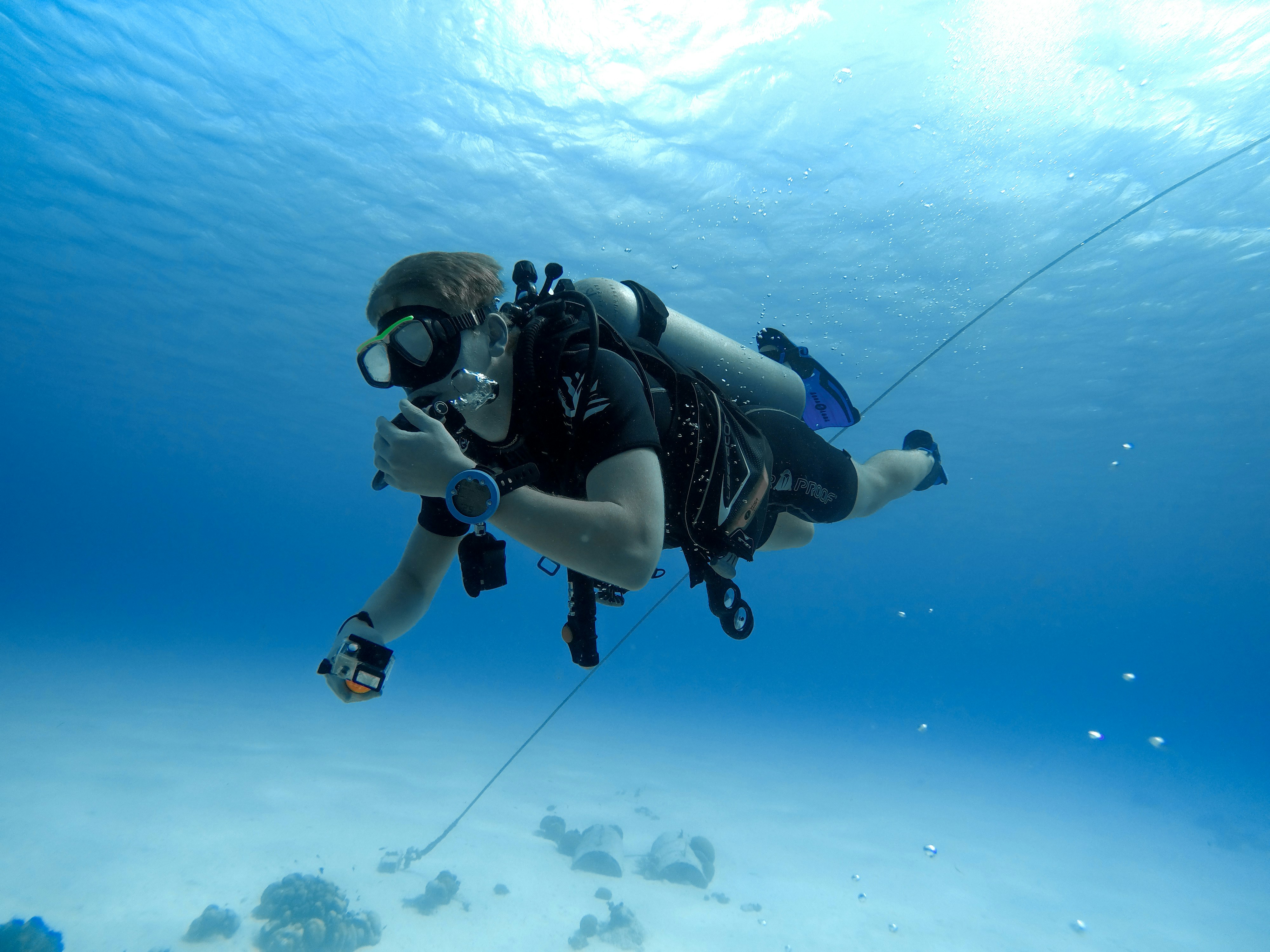
Nicknamed “Diver’s Paradise,” Bonaire’s coral reefs are among the healthiest in the Caribbean, thanks to decades of marine protection and a serious commitment to sustainability. Shore diving is phenomenal—you can literally park your rental car, walk into the water, and be on a coral wall in minutes. But you don’t need to be a diver to fall for Bonaire: snorkelling, windsurfing, kiteboarding, flamingo spotting, salt pans, and colorful street art in Kralendijk make it a wonderfully varied destination.
Compared to more crowded islands, Bonaire feels intimate. There are no high-rise hotels, nightlife is low-key, and the island’s Dutch-Caribbean culture creates a relaxed but organized atmosphere. It’s an excellent choice if you value safety and easy logistics, which you can explore more in the Bonaire Safety Guide: Tips for a Safe Trip.
Bonaire works well for many trip styles:
- Couples and slow travelers who want quiet beaches and sunset dinners
- Divers and water sports enthusiasts chasing world-class conditions
- Friends splitting expenses with apps like Hello while island-hopping the Caribbean
If you’re comparing destinations, think of Bonaire as your laid-back, nature-first option: less party than Thailand, more DIY adventure than resort-heavy islands, and far simpler to navigate than big countries like Japan. Use the itineraries—3 Days in Bonaire, 5 Days in Bonaire, and 10 Days in Bonaire—to match the island’s pace to your ideal trip length.
Best Time to Visit Bonaire
Bonaire is a true year-round destination, but 2026 travellers should pick their dates based on wind, crowds, and prices. For most visitors, December–April offers the best balance of dry weather, good visibility, and a lively but not overwhelming atmosphere.
Unlike many Caribbean islands, Bonaire sits outside the main hurricane belt, so you don’t face the same storm risk as larger regional hubs. Weather is warm and dry most of the year, with average daytime temperatures around 28–31°C and relatively low rainfall. That makes trip planning much more flexible, but there are still seasonal nuances worth considering.
Here’s a simple season-by-season overview:
| Season (2026) | Weather & Sea | Crowds | Typical Prices |
|---|---|---|---|
| Dec–Apr (High) | Dry, sunny, great visibility | Busy, especially holidays | Highest, book early |
| May–Aug (Shoulder) | Warm, light rain, calm seas | Moderate | Slightly lower |
| Sep–Nov (Low) | Warm, more humidity, occasional showers | Quiet | Best deals |
If you’re primarily here to dive, you can visit anytime—visibility is generally good year-round, and shore diving is rarely disrupted. Water sports fans (windsurfing, kitesurfing) often favor the windier months, roughly January–June.
For budget travelers, May–June and September–November are excellent: you’ll find more availability, better rates, and a calmer overall feel. Use the Bonaire Travel Budget Guide alongside this seasonal overview to see how daily costs shift with time of year.
Short trips (3–5 days) work best in high or shoulder season for reliable conditions; longer 10-day stays can take advantage of off-peak deals. To see how experiences change by season, browse the itineraries: 3 Days in Bonaire, 5 Days in Bonaire, and 10 Days in Bonaire.
Budget Overview: How Much Does Bonaire Cost?
As of 2026, Bonaire is a mid-range Caribbean destination: not the cheapest, but far from the priciest. You can travel comfortably on a backpacker budget, splurge on boutique stays, or go fully luxury—your daily spend will mostly hinge on diving, car rental, and dining choices.
The Bonaire Travel Budget Guide breaks costs down in detail, but here’s a helpful at-a-glance comparison to start planning:
| Traveler Type | Approx. Daily Budget (2026) | Typical Style |
|---|---|---|
| Budget | US$60–90 | Guesthouses, self-catering, occasional dining out, limited diving |
| Mid-range | US$120–200 | Mid-level hotels, daily restaurant meals, shore dives, car rental |
| Luxury | US$250+ | Upscale stays, guided boat dives, fine dining, tours and activities |
Key cost factors:
- Accommodation: Small hotels and guesthouses dominate; prices are higher in peak season (Dec–Apr).
- Diving: Tanks, gear rental, and boat dives quickly add up—plan a separate line item if you’ll dive daily.
- Transport: Renting a car is common and not cheap, but it gives you flexibility. See Getting Around Bonaire: Transport Guide for Travellers.
- Food: Eating out can be pricier than in Thailand but still reasonable compared to big-city destinations like Japan. Use the Bonaire Food Guide: Must-Try Dishes, Prices, and Tips to plan meals.
To keep spending under control, combine a mid-range base with specific splurges: a couple of boat dives, one or two special dinners, and a rental car shared with friends (made easier with Hello’s expense-splitting features). If you’re handling cash, cards, and tipping, the Bonaire Currency & Money Guide has detailed advice on ATMs, card acceptance, and local norms.
Visa & Entry Requirements (with Singapore Focus)
Visa and entry rules for Bonaire in 2026 are straightforward, but they vary by nationality. Singapore passport holders enjoy relatively simple access, and thoughtful preparation around documents and customs will make your arrival smooth and stress-free.
For Singapore citizens, the Bonaire Visa & Entry Requirements for Singapore Passport Holders explains current stay limits, whether you need a visa, and any special conditions in 2026. In addition to entry permission, focus on these essentials:
- Passport validity: Caribbean destinations typically require at least 6 months’ validity beyond your travel dates.
- Onward/return ticket: Airlines and immigration may ask to see proof of onward travel.
- Accommodation details: Have your first-night booking and address handy.
- Travel insurance: Strongly recommended, especially for diving and water sports; the Bonaire Safety Guide covers this.
You’ll also pass through customs, where you should be aware of:
- Duty-free allowances for alcohol, tobacco, and certain goods
- Restrictions on fresh food, plants, and large amounts of cash
Decision framework for planning your entry:
- Check nationality-specific rules: Start with the dedicated visa guide if you’re a Singapore passport holder.
- Confirm transit requirements: If you’re connecting via other countries, check any additional visas.
- Prepare supporting documents: Print or save confirmations offline.
- Review customs rules: Avoid bringing restricted items that may cause delays.
Non-Singapore travellers can use the Singapore-focused visa article as a structural reference, then verify their own country’s requirements via official government sites. Pair this with the Bonaire Safety Guide to ensure your paperwork and insurance cover match your activities (especially diving, driving, and adventure sports).
Getting Around Bonaire: Transport & Driving
Getting around Bonaire in 2026 is simple but requires a bit of planning: public transport is limited, so most travellers rely on rental cars, taxis, bicycles, or walking. Your choice depends on how much exploring you want to do beyond Kralendijk.
The Getting Around Bonaire: Transport Guide for Travellers dives into the details, but here’s a quick decision framework:
- Rent a car if you plan to shore dive, visit remote beaches, or explore the national parks.
- Use taxis for short, occasional trips from town or the airport.
- Cycle or walk if you’re staying central and happy with a slower pace.
Rental cars are the most popular option, especially for divers who need to transport gear and reach shore entry points. As of 2026, you’ll find compact cars and pickups; book early for high season. Driving is on the right, roads are generally decent, but night driving and unpaved routes require extra caution—covered in depth in the transport guide.
A simple comparison of transport options:
| Mode | Best For | Pros | Cons |
|---|---|---|---|
| Rental car | Divers, explorers | Maximum flexibility | Daily cost, driving responsibility |
| Taxi | Short stays, transfers | No need to drive | Can be expensive for frequent use |
| Cycling | Active travelers | Eco-friendly, scenic | Heat, limited range |
| Walking | Central stays | Free, simple | Restricted to Kralendijk area |
For multi-stop itineraries—like the routes in 3 Days in Bonaire, 5 Days in Bonaire, and 10 Days in Bonaire—a car almost always makes the experience smoother. If you’re splitting rental and fuel with friends, Hello’s expense tracking and splitting features can keep costs transparent throughout the trip.
Food & Dining: What and Where to Eat
Bonaire’s food scene in 2026 blends Caribbean flavors, Dutch influences, and fresh seafood, all with a relaxed island vibe. You’ll eat well here—from food trucks and casual grills to romantic waterfront restaurants—with prices that sit in a mid-range Caribbean bracket.
The Bonaire Food Guide: Must-Try Dishes, Prices, and Tips covers specific dishes and restaurants, but think of Bonaire’s dining in three layers:
- Local staples: Stews, fish, goat dishes, funchi (cornmeal), and rice-and-peas-style sides.
- Seafood: Grilled fish, ceviche-style preparations, and fresh catches at beachside spots.
- International options: Pizzerias, burger joints, and European-inspired menus reflecting Dutch ties.
Prices are higher than common street-food destinations like Thailand, but still reasonable compared to major cities in Japan or Europe. You can balance costs by mixing casual lunches with one or two special dinners.
Food safety is generally good, and tap water is safe to drink in many parts of Bonaire, but it’s wise to double-check locally and review hygiene tips in the food guide. Vegetarians and vegans will find options, though choice may be limited outside the main town.
A simple dining strategy for a 5-day trip:
- Daytime: Casual beach bars, food trucks, self-catering breakfasts.
- Evenings: Rotate between local cuisine, seafood-focused spots, and one fine dining night.
For detailed price ranges, dietary notes, and recommended venues, lean on the Bonaire Food Guide: Must-Try Dishes, Prices, and Tips. Pair it with the Bonaire Currency & Money Guide to understand tipping norms, cash vs card usage, and how to handle shared bills with friends using Hello’s expense-splitting tools.
Top Experiences & Sample Itineraries
The best Bonaire trips in 2026 blend reef time, nature, and slow island moments. Whether you have 3, 5, or 10 days, you can build an itinerary that balances diving, beaches, and culture without rushing.
Core experiences most visitors love include:
- Shore diving and snorkelling at famous sites along the west coast
- Exploring Washington Slagbaai National Park, with hiking, wildlife, and rugged coastline
- Salt flats and flamingos, especially in the south
- Kralendijk town, with its pastel buildings, art, and restaurants
- Windsurfing or kiteboarding on the windy bays
To structure these into a day-by-day plan, use:
- 3 Days in Bonaire: A Day-by-Day Itinerary for quick getaways or cruise extensions.
- Bonaire in 5 Days: The Perfect Extended Itinerary for a balanced mix of diving, nature, and food.
- Bonaire in 10 Days: The Ultimate Travel Itinerary for deeper exploration and more off-the-beaten-path stops.
A simple decision guide for trip length:
- 3 days: Focus on highlights—one or two dive/snorkel sessions, salt flats, Kralendijk.
- 5 days: Add the national park, more shore dives, and multiple food experiences.
- 10 days: Slow pace, repeat favorite sites, explore lesser-known spots, maybe combine with nearby islands.
Hello’s trip planning and budget tracking features can help turn these itineraries into a structured plan: log activities, estimate costs, and adjust as you go. For cultural context to enrich your days, read the Bonaire Cultural Guide: Etiquette, Customs, and Tips so you understand local norms while visiting beaches, towns, and community-run projects.
eSIM Connectivity in Bonaire with Hello
Staying connected in Bonaire is easy in 2026 thanks to Hello eSIM, which gives you instant mobile data without hunting for local SIM cards. You can arrive, scan a QR code, and be online within minutes—perfect for maps, diving logistics, and keeping in touch.
The dedicated eSIM for Bonaire: Best Plans, Coverage, and Setup Tips explains plan options, coverage, and step-by-step activation, but here’s how to think about connectivity:
- Hello eSIM: Ideal if you want data on arrival, no paperwork, and full control from the Hello app.
- Wi‑Fi: Available at many hotels and restaurants, but often inconsistent for navigation or remote work.
For most travellers, Hello eSIM plus occasional Wi‑Fi is the sweet spot. With Hello eSIM, you can:
- Navigate shore dive sites and national park roads without worrying about getting lost.
- Use messaging, booking apps, and social media as you would at home.
- Track trip expenses and split costs in the Hello app while online.
If you’re planning multi-country travel—say, combining Bonaire with Japan or Thailand—Hello eSIM’s coverage across 200+ countries keeps things seamless: you manage data for all destinations in one place.
Key tips from the Bonaire eSIM guide:
- Check compatibility before departure (most newer iOS and Android phones support eSIM).
- Activate just before or upon landing so you’re covered immediately.
- Monitor data usage in the Hello app and top up as needed.
For advanced setup advice, troubleshooting, and a breakdown of coverage across Bonaire’s main areas, rely on eSIM for Bonaire: Best Plans, Coverage, and Setup Tips.
Culture, Safety & Practical Tips
Bonaire in 2026 remains one of the Caribbean’s calmer, safer islands, with a strong sense of community and an easygoing culture. Basic awareness and respect go a long way toward making your trip smooth, from greetings to environmental protection.
The Bonaire Cultural Guide: Etiquette, Customs, and Tips highlights key norms: friendly greetings, modest beachwear away from the shoreline, and a relaxed but punctual approach to daily life. Learning a few local phrases and respecting shared spaces—especially coastal areas and reefs—will be appreciated.
For safety, the Bonaire Safety Guide: Tips for a Safe Trip covers details on crime levels, emergency contacts, and health advice. In brief:
- Crime: Generally low, but practice normal travel precautions—lock cars, don’t leave valuables visible, be mindful at night.
- Health: Sun exposure and dehydration are bigger risks than anything else; if you dive, consider insurance that covers hyperbaric treatment.
- Environment: Reef-safe sunscreen and careful fin use are critical; Bonaire is serious about conservation.
Practical tips:
- Use the Bonaire Currency & Money Guide to understand currency, card usage, and tipping.
- Keep important documents backed up in the Hello app or secure cloud storage.
- Save emergency numbers and key locations (hospital, police) offline in case of connectivity issues.
Compared to busier destinations like Thailand or complex urban systems in Japan, Bonaire’s practical side is refreshingly straightforward—but its small size also means fewer backup options if things go wrong. A bit of planning around safety, health, and money goes a long way toward ensuring your island time stays stress-free.
Before You Go: Checklist for Bonaire 2026
A focused pre-trip checklist makes Bonaire in 2026 far easier to enjoy from day one. Think in four boxes: documents, money, connectivity, and activities. If you cover each, you’ll arrive prepared and relaxed.
Here’s a practical “Before You Go” checklist:
Documents & entry
- Passport valid at least 6 months beyond your return date
- Confirmed return or onward ticket
- First-night accommodation booking and address
- Travel insurance covering diving and water sports
- Any required visas or entry approvals, especially if you’re a Singapore passport holder (see Bonaire Visa & Entry Requirements for Singapore Passport Holders)
Money & budgeting
- Read the Bonaire Travel Budget Guide: Daily Costs and Money Tips and set a daily budget
- Check the Bonaire Currency & Money Guide for ATM, card, and tipping norms
- Plan how you’ll split expenses with friends—set up shared trips in the Hello app
Connectivity & apps
- Install the Hello app and confirm your phone supports Hello eSIM
- Review eSIM for Bonaire: Best Plans, Coverage, and Setup Tips
- Download offline maps of Bonaire and key dive/park areas
Activities & packing
- Choose your itinerary length: 3 Days, 5 Days, or 10 Days
- Pre-book rental car and any must-do boat dives
- Pack reef-safe sunscreen, lightweight clothing, and suitable footwear
Finally, skim the Bonaire Safety Guide and Bonaire Cultural Guide the week before departure. Together, they’ll fine-tune your expectations around etiquette, safety, and local norms so you step onto the island feeling informed, respectful, and ready.
Bonaire Visa & Entry Requirements for Singapore Passport Holders
Budget PlanningBonaire Travel Budget Guide: Daily Costs and Money Tips
Currency & MoneyBonaire Currency & Money Guide: Exchange, Cards, and Tips
eSIM & ConnectivityeSIM for Bonaire: Best Plans, Coverage, and Setup Tips
Itineraries3 Days in Bonaire: A Day-by-Day Itinerary
ItinerariesBonaire in 5 Days: The Perfect Extended Itinerary
ItinerariesBonaire in 10 Days: The Ultimate Travel Itinerary
Safety & HealthBonaire Safety Guide: Tips for a Safe Trip
Cultural GuideBonaire Cultural Guide: Etiquette, Customs, and Tips
Frequently Asked Questions
Is Bonaire safe to visit in 2026?
Yes, Bonaire remains one of the safer and more relaxed Caribbean islands in 2026. Petty theft can happen, but violent crime against tourists is relatively rare. Standard precautions—locking cars, watching valuables, and having travel insurance—are recommended. For detailed advice, see the Bonaire Safety Guide: Tips for a Safe Trip.
How many days do I need in Bonaire?
Is Bonaire expensive compared to other destinations?
Bonaire sits in the mid-range for Caribbean prices: more expensive than many parts of Thailand, but often cheaper than major cities in Japan or high-end resort islands. Your main cost drivers will be accommodation, diving, and car rental. The Bonaire Travel Budget Guide: Daily Costs and Money Tips offers detailed daily budgets by travel style.
Do I need a car in Bonaire?
You don’t strictly need a car, but most visitors find renting one very useful—especially for shore diving, national park visits, and exploring beaches beyond Kralendijk. Taxis and bikes are options for shorter, more central stays. For pros and cons of each transport mode, read Getting Around Bonaire: Transport Guide for Travellers.
Can I rely on eSIM for connectivity in Bonaire?
Yes. With Hello eSIM, you can have mobile data ready on arrival without buying a physical SIM. Coverage is generally good in the main populated and tourism areas, and you manage everything from the Hello app. For plan details, coverage, and setup instructions, see eSIM for Bonaire: Best Plans, Coverage, and Setup Tips.
What should I budget per day for food in Bonaire?
As of 2026, budget travelers can eat for roughly US$15–25/day with self-catering and casual spots, while mid-range diners might spend US$30–50/day on restaurant meals. High-end dining will cost more. Exact price ranges and example meals are listed in the Bonaire Food Guide: Must-Try Dishes, Prices, and Tips.
Are there any cultural customs I should know before visiting Bonaire?
Expect a friendly, laid-back atmosphere with Dutch-Caribbean influences. Greeting people politely, dressing modestly away from the beach, and respecting environmental rules (especially around reefs and national parks) are key. For more etiquette, phrases, and do’s and don’ts, check the Bonaire Cultural Guide: Etiquette, Customs, and Tips.
eSIM Plans for Bonaire
Detailed Articles
Dive deeper into specific topics covered in this guide.
Bonaire Safety Guide: Tips for a Safe Trip
Safety tips, health advisories, emergency contacts, common scams, and travel insurance advice for Bonaire.
16 July 2026
3 Days in Bonaire: A Day-by-Day Itinerary
A detailed 3-day itinerary for Bonaire with daily activities, costs, neighborhoods, and transport tips.
9 June 2026
Bonaire in 5 Days: The Perfect Extended Itinerary
A detailed 5-day itinerary for Bonaire with daily activities, costs, neighborhoods, and transport tips for an extended stay.
4 May 2026
Bonaire in 10 Days: The Ultimate Travel Itinerary
A comprehensive 10-day itinerary for Bonaire covering top attractions, hidden gems, daily costs, and transport between cities.
17 June 2026
Bonaire Travel Budget Guide: Daily Costs and Money Tips
How much does it cost to travel in Bonaire? Daily budget breakdowns for budget, mid-range, and luxury travellers.
22 February 2026
Bonaire Food Guide: Must-Try Dishes, Prices, and Tips
Best local dishes, street food, restaurant prices, dietary options, and food safety tips for Bonaire.
13 May 2026
Getting Around Bonaire: Transport Guide for Travellers
Airport transfers, public transport, ride-hailing apps, inter-city travel, and driving tips for Bonaire.
22 May 2026
Bonaire Currency & Money Guide: Exchange, Cards, and Tips
Currency exchange, credit card acceptance, ATM tips, tipping culture, and money-saving advice for Bonaire.
24 July 2026
More Travel Guides
Destination Guide
Complete Bosnia and Herzegovina Travel Guide 2026
Everything you need to know about travelling to Bosnia and Herzegovina — budget, visa, food, transport, eSIM connectivity, and itineraries.
Destination Guide
Complete Bahamas Travel Guide 2026
Everything you need to know about travelling to Bahamas — budget, visa, food, transport, eSIM connectivity, and itineraries.
Destination Guide
Complete Bahrain Travel Guide 2026
Everything you need to know about travelling to Bahrain — budget, visa, food, transport, eSIM connectivity, and itineraries.
Destination Guide
Complete Sint Eustatius Travel Guide 2026
Everything you need to know about travelling to Sint Eustatius — budget, visa, food, transport, eSIM connectivity, and itineraries.