Bonaire Safety Guide: Tips for a Safe Trip
Safety tips, health advisories, emergency contacts, common scams, and travel insurance advice for Bonaire.
By Hello Travel Team
TL;DR: Is Bonaire Safe for Travellers?
Yes — Bonaire is generally safe for tourists, with a low practical travel risk and a Level 1-style advisory from major governments, meaning normal precautions are usually enough. The main issues are petty theft, leaving valuables in rental cars, strong sun, and water-sport risks rather than serious crime or widespread scams.
For most travellers, Bonaire feels calm, low-key, and easy to navigate, especially if you lock your car, avoid isolated areas after dark, and keep your phone charged for maps and emergency calls. If you want to stay connected on arrival, a Hello eSIM can help you get data before you land, which is especially useful for dive bookings, maps, and ride coordination.
Bonaire Travel Safety Overview: Low Crime, High Common-Sense Rewards
Bonaire is one of those destinations where basic travel awareness goes a long way. Safety guides consistently describe the island as low-risk, with violent crime uncommon for typical visitors and the biggest concerns being opportunistic theft, parked-car break-ins near beaches, and occasional transport inconvenience after dark.
In practical terms, that means you should treat Bonaire like a relaxed island destination rather than a high-alert city break. Keep your hotel room and rental car locked, don’t leave bags visible on seats, and avoid carrying all your cash in one place. Canadian travel advice also notes that theft from vehicles, hotel rooms, and rental units can happen, so use the same caution you would in any beach destination.
The island’s low traffic, small size, and outdoor focus are part of the appeal. Still, because late-night options can be limited, it’s smart to plan dinner, taxi, and return transport in advance — especially if you are staying outside Kralendijk. For trip planning, budget tracking, and expense splitting with friends, the Hello app can be handy when you’re moving between dives, beach bars, and day trips.
Bonaire Scams and Petty Theft: What to Watch For
The most common Bonaire scams are opportunistic, not sophisticated, and the easiest way to avoid them is to make yourself a less convenient target. Reports most often mention theft from parked rental cars, unattended beach bags, and isolated areas where visitors leave valuables behind.
A few practical examples: if you stop for a swim at Sorobon or a quiet west-coast beach, don’t leave a phone, camera, passport, or wallet in the car — even for 15 minutes. If you’re renting a pickup or SUV for diving, store gear out of sight before you arrive at the beach. At restaurants, keep bags on your lap or between your feet rather than hanging from a chair.
| Common risk | How it usually happens | Best prevention |
|---|---|---|
| Theft from rental cars | Valuables visible inside parked cars | Lock the car and hide everything |
| Beach bag snatching | Bags left unattended while swimming | Take turns watching items |
| Tourist overcharging | Unclear pricing for taxis or services | Confirm the fare before you go |
| After-dark isolation | Few people around at night | Use pre-arranged transport |
If you lose a card or need to share emergency costs with friends, Hello’s expense-splitting tools and multi-currency tracking can make it easier to stay organised while travelling.
Bonaire Emergency Numbers and Where to Get Help
For urgent help in Bonaire, 911 is the main emergency number for police, ambulance, and fire services, while 911 is also commonly listed for police and ambulance emergencies on local travel guidance.
Here are the key numbers travellers should save before arrival:
- Police / general emergency: 911
- Ambulance: 912
- Fire brigade: 919
- Coastguard: 913
- Decompression chamber: 133
- Hospital (Fundashon Mariadal): +599 717 8900
- Police non-emergency: +599 717 8000
- Police tip line: +599 717 7251
- GGD Bonaire health advice: +599 715 5324
This matters more than people expect, because mobile data can be patchy in pockets of the island and you may need quick access to maps, contacts, or a booking confirmation. That is one reason many travellers set up a Hello eSIM before departure — it helps you land connected, which is useful if you need to call a taxi, message a dive shop, or reach your hotel without hunting for Wi‑Fi.
Health Advisories, Water Safety, and Recommended Precautions in Bonaire
Bonaire is health-friendly for most travellers, but the main risks are environmental: strong sun, dehydration, mosquito bites, and water-related accidents around reefs and dive sites. Local safety guidance also says tap water is safe to drink, produced by reverse osmosis by WEB Bonaire, so you can refill a bottle rather than buying endless plastic.
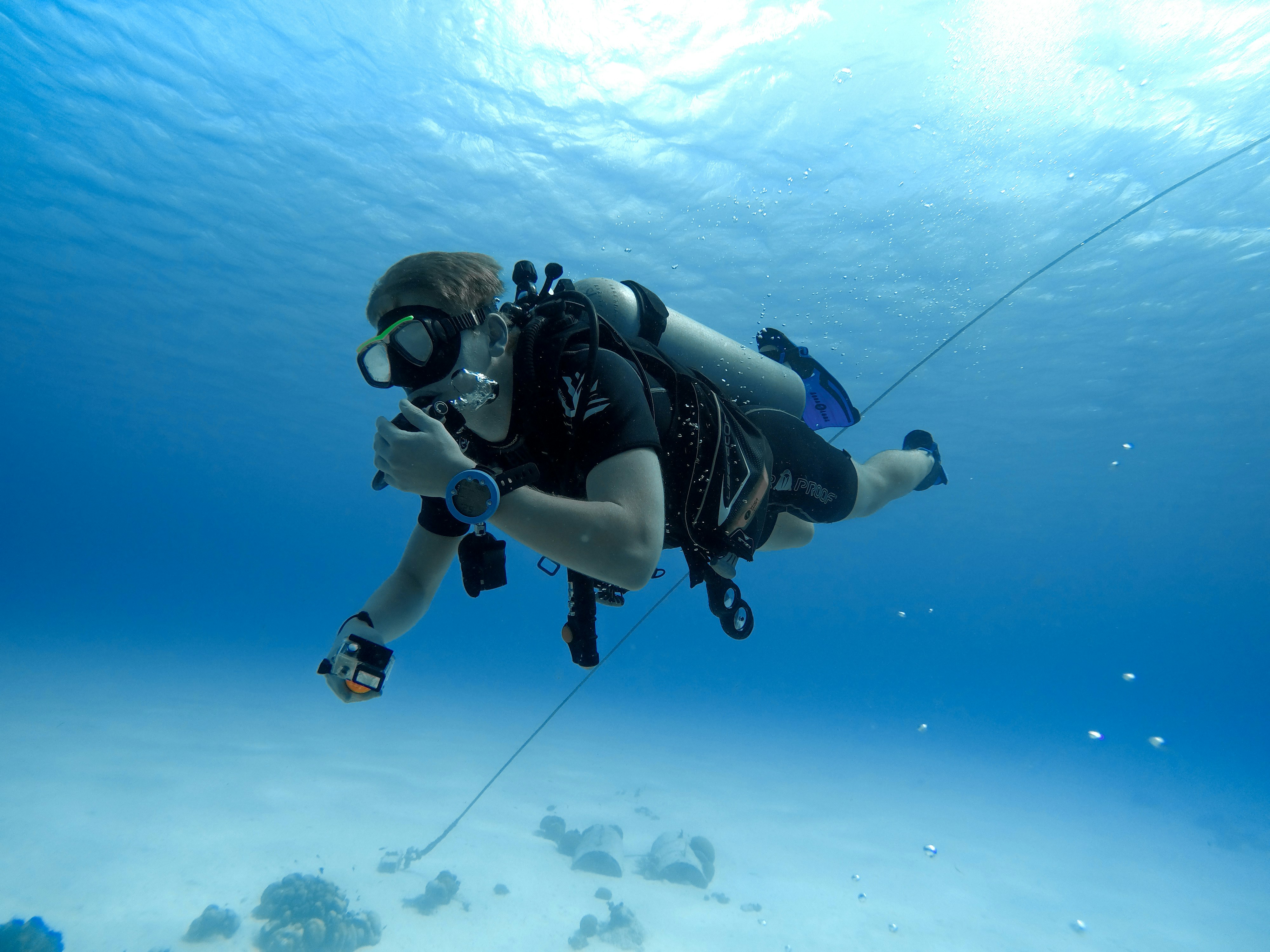
Before travelling, check with your doctor or travel clinic about routine vaccines that should be up to date, including tetanus, measles-mumps-rubella, and hepatitis A; depending on your medical history and travel plans, other vaccines may also be advised by a clinician. Because Bonaire is a diving destination, divers should also be aware of decompression safety and know the emergency decompression contact number.
A few practical health habits make a big difference:
- Use reef-safe sunscreen and reapply often.
- Wear a rash guard or UV shirt for long snorkelling days.
- Carry electrolytes if you’re biking, hiking, or diving in heat.
- Use insect repellent at dawn and dusk.
- Never snorkel or dive beyond your comfort level, especially if currents are strong.
If you’re keeping track of clinic visits, gear rentals, and day-trip costs, the Hello app’s budget tracking can help you stay on top of travel spending without juggling multiple notes.
Solo Female and LGBTQ+ Travel Safety in Bonaire
Bonaire is generally comfortable for solo female and LGBTQ+ travellers, especially in the main tourist areas, where the atmosphere is relaxed and public harassment is uncommon. Travel guidance and local safety pages describe the island as calm, with few crowds and little street crime, and women travelling alone rarely report problems.
For solo female travellers, the best approach is simple: choose reputable accommodation, arrange airport transfers in advance if you arrive late, and avoid isolated beaches after dark. Share your itinerary with someone, keep your phone charged, and use trusted transport if you’re going out for dinner or nightlife in Kralendijk. Bonaire’s small size means many places are easy to reach, but evening transport can still be limited.
For LGBTQ+ travellers, Bonaire is part of the Dutch Caribbean and is usually considered a low-stress destination for visitors who are open and discreet. As in many smaller island communities, public behaviour is more conservative than in major European cities, so it’s sensible to read the room and keep affection modest in very local settings. That said, there are no major warnings aimed specifically at LGBTQ+ travellers in the sources reviewed, and the island’s overall safety profile is favourable.
If you’re travelling with a partner or friends, Hello’s expense splitting can also make it easier to divide taxis, dinners, and dive trips fairly across different currencies.
Common Questions About Bonaire Safety
Bonaire is safe enough for most tourists if you use normal precautions, especially against theft, sun exposure, and water hazards. The island’s risk profile is low, and most problems are practical rather than dangerous.
Is Bonaire safe at night? Yes, in the main populated areas, but it is smarter to avoid isolated beaches and unlit roads after dark. Limited late-night transport means you should plan your return before you head out.
Are there dangerous scams in Bonaire? There are no widely reported elaborate scams; the bigger issue is petty theft and opportunistic crime, especially around rental cars and unattended beach items.
Do I need travel insurance for Bonaire? Yes. Travel insurance is strongly recommended, especially if you plan to dive, snorkel, rent a car, or carry expensive gear. Make sure your policy covers medical care, emergency evacuation, and water sports, because dive accidents and remote-island logistics can become costly quickly.
Can I drink the tap water in Bonaire? Yes, local guidance says the tap water is safe to drink.
What is the nearest Singapore embassy or consulate? Bonaire does not have a Singapore embassy or consulate, so Singaporean travellers should contact the nearest Singapore mission in the Caribbean or the Singapore Ministry of Foreign Affairs’ emergency assistance channels before travel for the latest consular guidance. If you need help while on the island, local emergency numbers and your travel insurer are the fastest first steps.
Explore These Destinations
Stay Connected
Ready for Bonaire?
eSIM data, expense splitting, budget tracking, and more. Everything you need for a smooth trip in one app.
Related Articles
Bonaire Currency & Money Guide: Exchange, Cards, and Tips
Currency exchange, credit card acceptance, ATM tips, tipping culture, and money-saving advice for Bonaire.
24 July 2026
Bonaire Visa & Entry Requirements for Singapore Passport Holders
Visa requirements, passport validity, customs allowances, and entry tips for Singapore citizens travelling to Bonaire.
7 July 2026
eSIM for Bonaire: Best Plans, Coverage, and Setup Tips
Everything you need to know about using eSIM in Bonaire. Best data plans, network coverage, and setup instructions.
28 June 2026