Bonaire Travel Budget Guide: Daily Costs and Money Tips
How much does it cost to travel in Bonaire? Daily budget breakdowns for budget, mid-range, and luxury travellers.
By Hello Travel Team
Bonaire Travel Budget Guide: TL;DR
A realistic Bonaire travel cost is about $90–$150 per person per day for budget travel, $180–$320 for mid-range travel, and $400 or more for luxury, excluding international flights. Add Bonaire’s $75 tourist entry tax per person, per visit, plus accommodation, meals, transport, and diving or excursion costs.\n\nFor a seven-night trip, a budget-conscious traveller should plan for approximately $1,000–$1,650 per person before flights, while a comfortable mid-range trip commonly reaches $1,700–$2,800. Bonaire is a Dutch Caribbean island where US dollars are widely used, grocery shopping can reduce food costs, and renting a car is often worthwhile for reaching beaches and dive sites around the island.\n\nThe biggest savings usually come from booking an apartment with a kitchen, sharing a rental car, travelling outside peak periods, and choosing shore dives over boat excursions. This Bonaire budget guide uses estimated 2026 prices, so confirm accommodation, vehicle, activity, and flight rates before booking.
How Much Does a Bonaire Trip Cost Per Day?
Most travellers should budget $180–$320 per person daily in Bonaire for a mid-range trip, including accommodation, meals, local transport, and one modest activity. Budget visitors can spend less by sharing rooms, cooking some meals, and focusing on Bonaire’s free beaches and shore access, while divers and luxury travellers can quickly exceed $400 per day.\n\n| Travel style | Accommodation | Food | Transport | Activities | Estimated daily total |\n|---|---:|---:|---:|---:|---:|\n| Budget | $45–$90 | $25–$45 | $10–$30 | $10–$35 | $90–$150 |\n| Mid-range | $100–$190 | $45–$80 | $25–$55 | $30–$75 | $180–$320 |\n| Luxury | $250–$600+ | $100–$200+ | $50–$120 | $75–$250+ | $400–$1,100+ |\n\nThese figures assume two people sharing accommodation. A solo traveller pays more per person for a room and rental vehicle, whereas a group can reduce costs by splitting an apartment, SUV, fuel, and private excursions. Bonaire’s $75 entry tax is separate and applies per person, per visit, not per night. Tourism Corporation Bonaire reports that more than 15,000 stayover visitors arrived in May 2026, illustrating the island’s active travel demand and the value of reserving popular accommodation early.
Bonaire Accommodation, Food, and Daily Expenses
Accommodation is usually the largest part of Bonaire daily expenses: expect roughly $45–$90 per person for a shared budget room, $100–$190 for a comfortable mid-range stay, and $250 or more for an upscale property. Rates vary sharply by season, diving demand, location, and whether breakfast or kitchen access is included.\n\nA simple apartment or guesthouse in or near Kralendijk can cost about $90–$180 per night for two people in a quieter period, while hotels and villas commonly rise to $200–$500 or more. Booking a kitchen can save $25–$50 daily for a couple.\n\nFood prices in 2026 typically look like this:\n\n- Breakfast from groceries: $5–$10 per person\n- Casual lunch, snack, or food truck: $10–$18\n- Restaurant dinner: $25–$50 per person before drinks\n- Upscale dinner: $60–$120 or more per person\n- Coffee or soft drink: approximately $3–$6\n\nShop at larger supermarkets in Kralendijk, buy water and snacks before driving to Washington Slagbaai National Park, and ask whether restaurant prices include service charges. US dollars are commonly accepted, making everyday spending straightforward, although card acceptance can vary at small vendors and remote beach stops.
Bonaire Transport Costs and Saving Money Around the Island
Plan on $25–$55 per person daily for transport when two travellers share a basic rental car, because Bonaire’s dispersed beaches, dive sites, and national park are difficult to explore efficiently without one. A compact car may cost approximately $45–$80 per day before insurance and fuel, while a pickup or SUV suitable for dive gear can cost $70–$130 or more.\n\nAirport taxis can be convenient but expensive for repeated sightseeing, and public transport is limited compared with larger Caribbean destinations. Reserve a vehicle early during busy periods, photograph the car before departure, and check whether insurance, additional drivers, mileage, and hotel delivery are included.\n\nUseful transport-saving tactics include:\n\n- Share one vehicle with travel companions and divide the daily rate, fuel, and insurance in the Hello app.\n- Choose accommodation near Kralendijk if most plans involve restaurants, museums, and downtown nightlife.\n- Group southern salt-pans and flamingo-viewing stops into one driving day.\n- Combine northern viewpoints with Rincon and Washington Slagbaai National Park.\n- Avoid driving on unpaved roads unless the rental agreement permits it.\n\nFuel, parking, and occasional taxi rides can add $10–$25 per person daily. Track them separately from the rental rate so the final Bonaire travel cost does not appear artificially low.
Diving, Beaches, and Bonaire Activity Prices
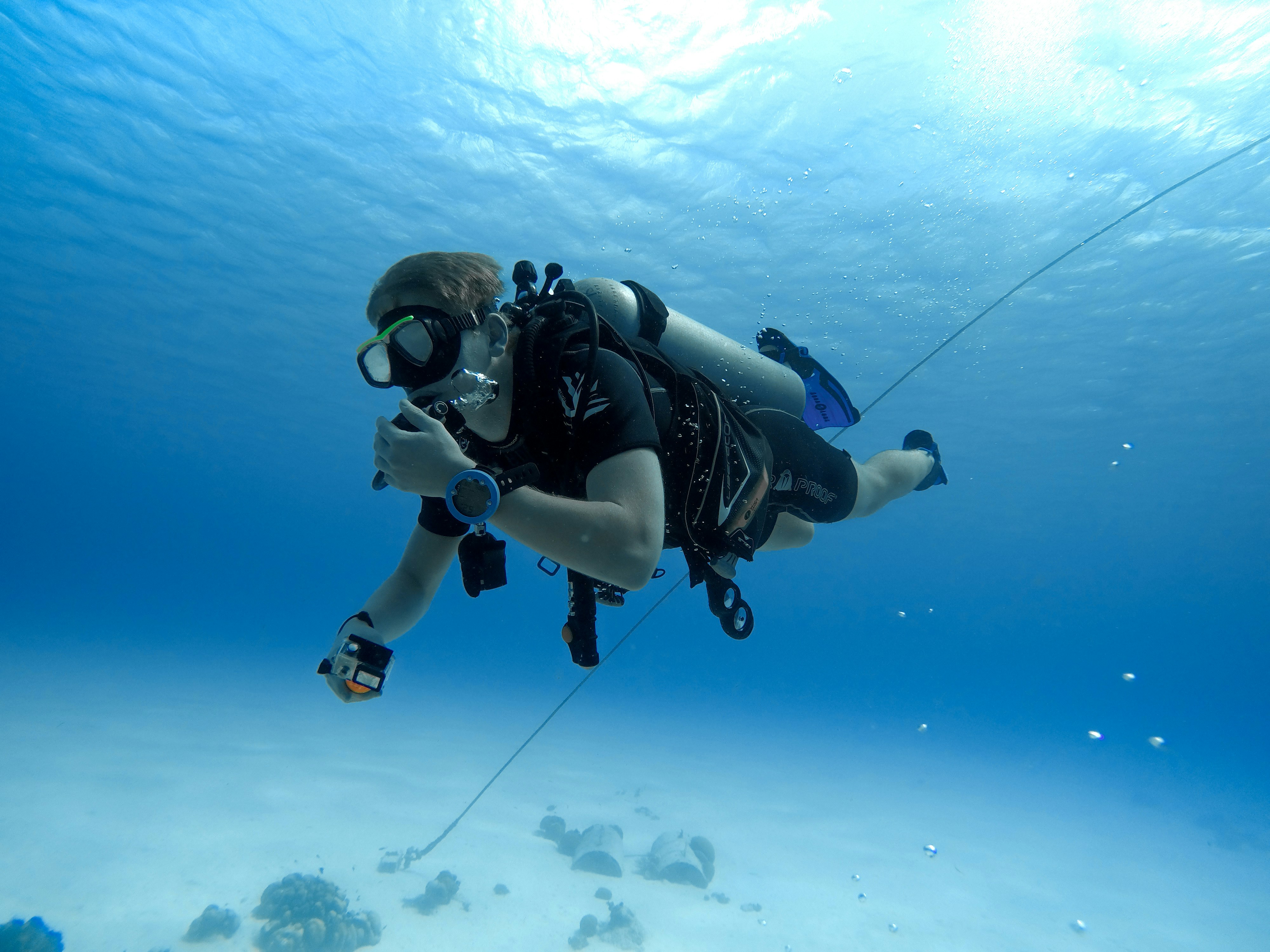
Bonaire can be an affordable beach holiday, but diving changes the budget quickly: free shore time may cost almost nothing, while a full day of diving can add $100–$250 or more per person. The island is famous for shore diving, so travellers with certification and equipment can often save by choosing tank packages and self-guided sites instead of booking boat trips every day.\n\nTypical 2026 planning estimates include:\n\n- Snorkelling from an accessible beach: $0–$20 for gear rental\n- Beach days and many shoreline viewpoints: free, although parking or local fees may apply\n- One-tank guided shore dive: approximately $50–$90\n- Two-tank boat dive: approximately $110–$180\n- Tank rental packages: often $15–$30 per tank, depending on equipment and operator\n- Kayak, sailing, or guided nature activity: approximately $50–$150\n- Washington Slagbaai National Park: allow for an entrance fee and a full day of fuel and food\n\nBudget for marine-park or conservation-related charges where applicable, and never remove coral, shells, or wildlife. Bonaire’s protected waters and dry climate make reef-safe habits especially important: use reef-conscious sunscreen, carry reusable water, and follow dive-site rules. A seven-day diver who books three boat-dive days can easily spend $400–$700 on activities alone, before equipment and tips.
Bonaire Money-Saving Tips and Staying Connected
The easiest way to reduce a Bonaire budget is to combine self-catering, shared transport, free shore activities, and careful expense tracking while keeping reliable mobile data for navigation and reservations. Book flights and accommodation together when possible, travel in shoulder periods, and compare the total price after taxes, cleaning fees, resort charges, equipment, and insurance.\n\nPractical savings include:\n\n- Stay seven nights or longer and ask for weekly apartment rates.\n- Prepare breakfast, packed lunches, and post-dive snacks rather than eating every meal out.\n- Share a pickup with other certified divers if the rental terms allow it.\n- Carry a refillable bottle and buy larger grocery packages.\n- Set a daily activity limit before arriving, especially for boat tours and restaurant dinners.\n- Keep a $100–$200 emergency buffer per person for taxis, medical needs, replacement gear, or schedule changes.\n\nAn eSIM from Hello for Bonaire can provide mobile data for maps, dive reservations, translation, and ride coordination as soon as you land. Hello also supports multi-currency expense tracking, AI receipt scanning, voice entries, bank-statement imports, and expense splitting with automatic exchange-rate conversion—useful when friends share a car, villa, fuel, or boat trip. For broader island planning, see the Bonaire destination guide.
Common Questions About Bonaire Travel Cost
A seven-day Bonaire trip commonly costs $1,000–$1,650 per person on a budget, $1,700–$2,800 at mid-range, or $3,500 and above for luxury, excluding international airfare. The final amount depends mainly on room type, diving frequency, vehicle choice, and whether you cook or dine out.\n\nIs Bonaire expensive to visit?\nBonaire is moderately expensive by Caribbean standards because many supplies are imported and transport is limited. It becomes more manageable with an apartment, supermarket meals, shared car, and shore diving.\n\nHow much cash should I bring?\nCards work at many hotels, supermarkets, restaurants, and dive shops, but keep $50–$100 in small cash for taxis, small vendors, tips, and places with unreliable terminals. US dollars are widely used.\n\nWhat mandatory cost should I plan for?\nVisitors pay a $75 tourist entry tax per person, per visit. Confirm the current requirement before travelling because entry policies can change.\n\nHow much should a couple budget for one week?\nA budget couple might spend $2,000–$3,300 excluding flights; a mid-range couple should allow roughly $3,400–$5,600. Add diving, premium dining, extra insurance, and rental upgrades separately.\n\nIs Bonaire good for a low-cost holiday?\nYes, particularly for travellers who enjoy beaches, snorkelling, hiking, photography, and self-guided shore days. The island is less budget-friendly when every day includes boat diving, upscale dining, and a private excursion.
Explore These Destinations
Stay Connected
Track your Bonaire trip budget
Split expenses with friends, track spending by category, and see real-time currency conversions — all in one app.
Related Articles
Bonaire Currency & Money Guide: Exchange, Cards, and Tips
Currency exchange, credit card acceptance, ATM tips, tipping culture, and money-saving advice for Bonaire.
24 July 2026
Bonaire Safety Guide: Tips for a Safe Trip
Safety tips, health advisories, emergency contacts, common scams, and travel insurance advice for Bonaire.
16 July 2026
Bonaire Visa & Entry Requirements for Singapore Passport Holders
Visa requirements, passport validity, customs allowances, and entry tips for Singapore citizens travelling to Bonaire.
7 July 2026