Bonaire Cultural Guide: Etiquette, Customs, and Tips
Essential do's and don'ts, greeting customs, dress codes, local phrases, and cultural tips for Bonaire.
By Hello Travel Team
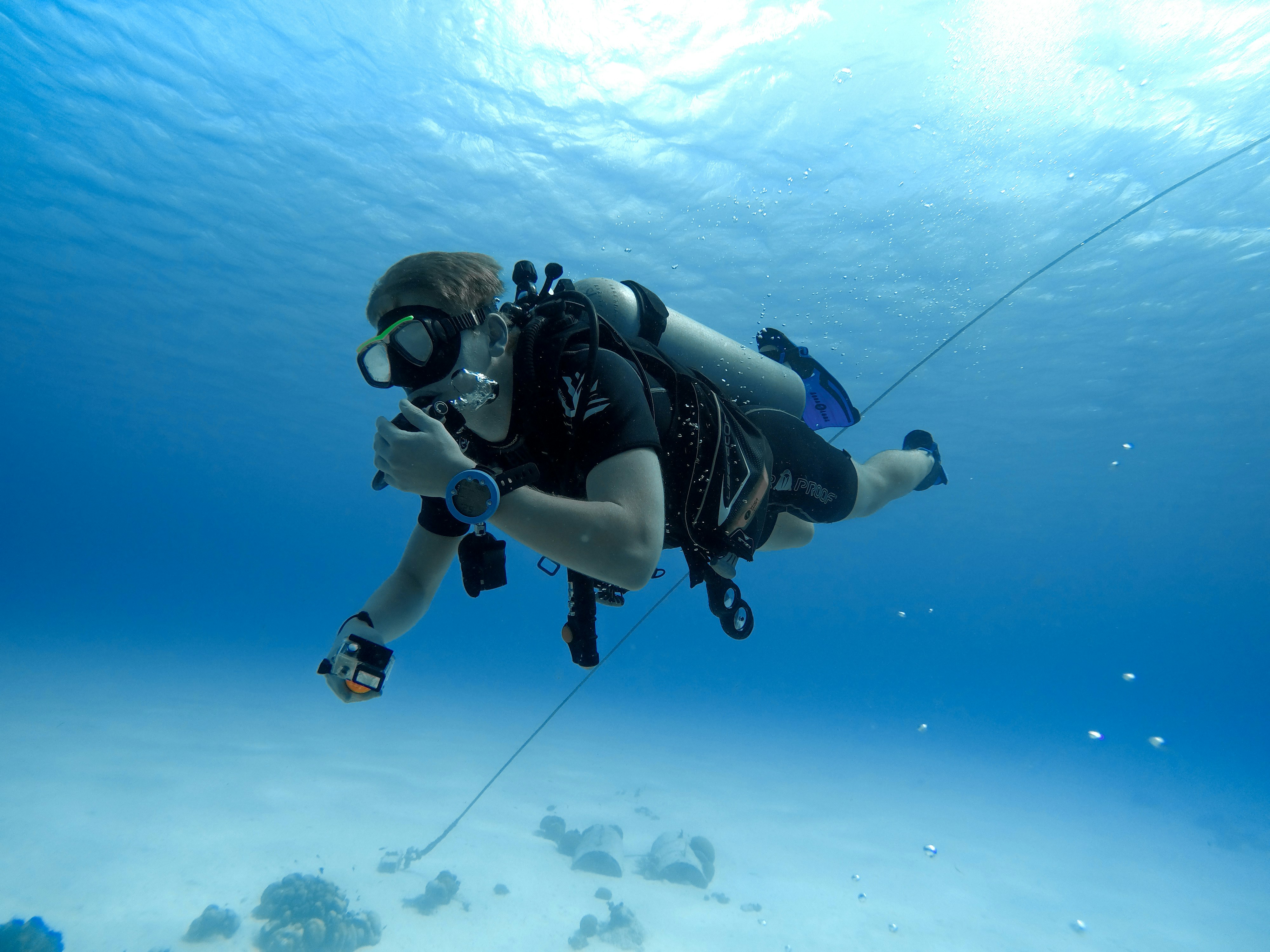
TL;DR: Bonaire Culture, Etiquette, and Essential Dos and Don’ts
Bonaire’s culture is relaxed, respectful, and community-minded, so polite greetings, modest dress in town, and care for nature are the core etiquette “musts” for visitors. If you say hello, respect the reef, and follow local customs, you’ll be warmly welcomed on the island.
Bonaire is a small Caribbean island in the Dutch Caribbean, known for world-class diving, colorful local culture, and a laid-back pace of life. Tourism is a major pillar of the economy: according to the Bonaire Tourism Corporation, the island welcomed over 170,000 stay-over tourists in 2023, up significantly from pre-pandemic levels, so cultural awareness is increasingly important for visitors.
In everyday interactions, locals value friendliness, punctuality for tours and activities, and respect for both Dutch and Caribbean influences that shape Bonaire customs. A few basic rules go a long way: don’t touch coral, don’t take shells or sand home, and avoid loud or disruptive behavior in small neighborhoods.
Mobile data and payments are widely used for bookings, maps, and messaging. Many travelers now arrive connected thanks to an eSIM from Hello, which allows you to activate data before landing and use the Hello app for budget tracking and expense splitting with friends during your trip.
This guide covers greetings and local phrases, dress codes and religious etiquette, photography rules, business culture, holidays that affect travel, and gift-giving customs—plus practical examples and prices for 2026—so you can enjoy Bonaire while being a considerate guest.
Greeting Customs, Local Phrases, and Everyday Bonaire Etiquette
On Bonaire, a friendly greeting, eye contact, and a smile are the basic etiquette that matter most, whether you’re meeting locals, entering a shop, or checking in for a dive. A simple hello in Dutch, Papiamentu, or English immediately signals respect for Bonaire culture.
Bonaire is officially part of the Dutch Caribbean, but Papiamentu (a Creole language) and Dutch are widely spoken, alongside English and Spanish. You don’t need to be fluent, but learning a few phrases shows appreciation for Bonaire customs:
- Bon dia – Good morning (Papiamentu)
- Bon tardi – Good afternoon
- Bon nochi – Good evening / good night
- Danki – Thank you
- Por fabor – Please
In Dutch, “Goedemorgen” (good morning) and “Dank u” (thank you) are also appreciated, especially in more formal settings. Most islanders are used to visitors, so switching to English is common after the first greeting.
A few practical etiquette tips:
- Say hello when entering small shops or cafés, and goodbye when leaving.
- Avoid speaking loudly in residential areas, especially in the evening.
- Be patient with service; island time is real, and rushing or complaining loudly is considered rude.
The Hello app can help with these basics by storing phrases in your trip notes and keeping all your bookings and split expenses in one place, so you spend less time organizing and more time connecting with people on the island.
Dress Codes, Religious Site Etiquette, and Beachwear Rules in Bonaire
In Bonaire, beachwear is perfect for the shore but too casual for town, so the key etiquette rule is simple: cover up in streets, restaurants, and religious sites, and choose modest outfits when visiting churches or local community events.
Bonaire’s climate is tropical and warm year-round, with average daytime temperatures around 30°C (86°F). Lightweight clothing is ideal, but locals generally dress more modestly than some visitors expect. Swimwear, short shorts, and crop tops are fine on the beach, at resorts, and around pools, but not for supermarkets, government offices, or churches.
For religious sites and formal occasions:
- Wear covered shoulders and avoid very short skirts or shorts.
- Opt for longer shorts or trousers and simple tops.
- Remove hats or caps when entering churches.
While Bonaire is predominantly Christian, it’s also culturally diverse, so respectful dress is appreciated at funerals, community ceremonies, and official events. If you’re unsure, follow what locals are wearing or ask your host.
A few practical dress code dos and don’ts:
- Do bring a light cover-up or linen shirt for town and restaurants.
- Don’t walk through Kralendijk in just a bikini or swim trunks.
- Do pack reef-safe sunscreen and a sun hat; UV levels are high year-round.
According to Bonaire tourism guidelines, wearing shoes or sandals in town and when entering shops is expected, even if you’re coming straight from the beach. Flip-flops are fine, but bare feet inside businesses are generally frowned upon.
Photography, Nature Respect, and Bonaire Dos and Don’ts for Visitors
On Bonaire, ask before photographing people, never touch or stand on coral, and follow park rules—these simple dos and don’ts protect both local culture and the island’s fragile ecosystem while keeping your trip smooth and respectful.
Bonaire is famous for its Marine Park and shore diving. According to the Bonaire National Marine Park, over 80 shore dive sites surround the island, and coral reefs are strictly protected. That means a few non‑negotiable rules:
- Don’t touch or collect coral, shells, or sand. Removing natural items is prohibited.
- Don’t feed fish or marine life. It disrupts natural behavior.
- Do use reef-safe sunscreen and follow buoy lines when snorkeling.
For photography and drones:
- Always ask permission before photographing locals, especially children or at religious ceremonies.
- Avoid intrusive photos during church services or at funerals.
- Drone use may be restricted in certain areas, including near the airport and within the Marine Park—check local regulations and your accommodation or dive shop.
General Bonaire dos and don’ts:
- Do tip for good service; around 10–15% is common at restaurants in 2026.
- Do keep music volume moderate in residential zones.
- Don’t litter on beaches or trails; use bins or pack trash out.
- Don’t walk on salt pans or restricted industrial areas near the salt works.
Having reliable maps and local info through mobile data makes it easier to follow these guidelines. Many travelers use a Hello eSIM for Bonaire to stay connected for navigation, dive site maps, and checking park notices while on the go.
Business Etiquette, Money Tips, and Staying Connected on Bonaire
Business etiquette on Bonaire blends Dutch formality with Caribbean warmth, so punctuality, polite greetings, and clear communication are key, while mobile connectivity and digital payments make organizing tours and activities much easier for visitors.
In professional settings—meeting a dive operator, tour company, or property manager—arriving on time or a few minutes early shows respect. Handshakes are common, and using titles or last names at first (Mr., Ms.) before switching to first names is appreciated, especially with older professionals or officials.
When discussing prices or bookings:
- Confirm details in writing (email, WhatsApp, or message in the Hello app trip plan).
- Ask clearly whether prices include tax and service.
- Be direct but polite if negotiating for longer stays or group rates.
Costs in 2026:
- Mid-range restaurant meals typically range from $18–30 per person in Kralendijk.
- Simple local lunches at snack bars can be $10–15.
- Car rentals often start around $45–60 per day, depending on season.
Cards are widely accepted, but having some cash in US dollars is useful for small purchases or tips.
Connectivity is a practical part of business etiquette too—being reachable helps with last-minute changes to tours or dive schedules. An eSIM from Hello lets you arrive with data active, use maps and messaging from day one, and track shared trip costs with friends through AI-powered expense splitting and multi-currency budgeting.
Local Holidays, Events, and Gift-Giving Customs in Bonaire
Bonaire’s main holidays can affect opening hours and transport, while small, thoughtful gifts from home are appreciated far more than expensive items when thanking hosts, dive guides, or local friends.
Bonaire observes Dutch national holidays and local Caribbean events. King’s Day (Koningsdag) on April 27 is one of the biggest celebrations, with orange decorations, street parties, and some businesses closing or operating limited hours. The island also marks Christmas and New Year, with fireworks and family gatherings.
According to regional tourism data, many Dutch Caribbean islands see peak tourist arrivals from December to April, so expect higher prices and busier restaurants during these months—on Bonaire, that can mean accommodation rates 20–30% higher than in low season. Planning ahead and using budget tracking in the Hello app helps you manage these seasonal variations.
On major holidays:
- Supermarkets and shops may close early.
- Dive shops might run reduced schedules or special holiday dives.
- Public offices and banks are typically closed.
Gift-giving customs:
- For a host family or local friend, small gifts like quality chocolate, coffee, or a regional specialty from your country are well received.
- For dive guides or tour staff, a tip plus a heartfelt thank-you is most appropriate.
- Avoid overly personal gifts unless you know someone well.
Always present gifts with a smile and a few words of thanks—"Danki pa tur kos" (“thank you for everything”) is a warm phrase to use in Papiamentu.
Common Questions About Bonaire Culture, Etiquette, and Dos and Don’ts
Most travelers ask whether Bonaire is casual or formal, how to greet locals, and what they must avoid around the reef—the short answer is: be relaxed but respectful, learn a few Papiamentu phrases, and treat nature and community spaces with extra care.
Is Bonaire culture more Dutch or Caribbean?
Bonaire blends both. It’s part of the Dutch Caribbean, so you’ll see Dutch influence in administration and some customs, but daily life feels distinctly Caribbean, with Papiamentu spoken widely and a relaxed island pace.
Do I need to speak Papiamentu or Dutch?
No, but learning a few key phrases in Papiamentu—“Bon dia”, “Danki”—is appreciated. English is common in tourism, so you can get by easily, especially in Kralendijk and around dive centers.
What are the top etiquette dos and don’ts?
| Topic | Do | Don’t |
|---|---|---|
| Greetings | Say hello and thank you | Ignore staff or locals |
| Dress | Cover up in town and churches | Wear only swimwear in shops |
| Nature | Use reef-safe sunscreen | Touch coral or remove shells |
| Noise | Keep music moderate | Be loud in residential areas |
Are tips expected on Bonaire?
Yes, tipping 10–15% in restaurants and rounding up for taxis or small services is customary in 2026.
How do I stay connected and manage trip costs?
Many visitors use Hello’s eSIM plans for Bonaire to get instant data on arrival, then rely on the Hello app’s expense splitting and multi-currency tracking to keep shared costs fair and transparent throughout the trip.
Explore These Destinations
Stay Connected
Make the most of Bonaire
From eSIM connectivity to expense tracking, Hello is the all-in-one companion that keeps your trip stress-free.
Related Articles
Bonaire Currency & Money Guide: Exchange, Cards, and Tips
Currency exchange, credit card acceptance, ATM tips, tipping culture, and money-saving advice for Bonaire.
24 July 2026
Bonaire Safety Guide: Tips for a Safe Trip
Safety tips, health advisories, emergency contacts, common scams, and travel insurance advice for Bonaire.
16 July 2026
Bonaire Visa & Entry Requirements for Singapore Passport Holders
Visa requirements, passport validity, customs allowances, and entry tips for Singapore citizens travelling to Bonaire.
7 July 2026