Key Takeaways
- ✓Montenegro is ideal for travellers who want beaches, old towns, and mountain scenery in one compact trip.
- ✓Late spring and early autumn usually offer the best balance of weather, crowds, and value.
- ✓Daily budgets vary widely, but coastal summer travel is typically the most expensive.
- ✓Transport choice should match your itinerary: buses for basics, transfers for convenience, and a car for flexibility.
- ✓Food in Montenegro is part of the experience, with strong coastal seafood and hearty Balkan dishes inland.
- ✓Hello eSIM is the easiest way to stay connected on arrival and manage maps, bookings, and trip logistics.
- ✓A good Montenegro trip starts with entry rules, transport planning, and a realistic day-by-day route.
- ✓The best itinerary style is the one that matches your time: 3 days for a taste, 5 days for balance, 10 days for depth.
Montenegro is one of Europe’s easiest “big reward, low fuss” destinations: you get Adriatic beaches, medieval walled towns, dramatic mountain scenery, and compact travel distances that make it ideal for first-time visitors and return travellers alike. In 2026, it remains especially appealing for travellers who want a trip that can combine coastline, culture, food, and outdoor adventure without the complexity or cost of many nearby Western European destinations.
This complete Montenegro travel guide is designed to be your hub page for planning the trip end to end. It covers the best time to visit, realistic budgets, visa and entry basics, transport options, food and dining, top experiences, Hello eSIM connectivity, and practical travel tips so you can move from “thinking about Montenegro” to “actually booking it” with confidence. You’ll also find comparison tables, a before-you-go checklist, and quick decision frameworks to help you choose the right itinerary style and spending level.
If you want to go deeper, each major topic links to a detailed cluster article, including itineraries, transport, food, safety, culture, budget, money, visa entry, and Hello eSIM setup. The goal is simple: give you a single authoritative Montenegro trip planner that answers the big questions quickly, while pointing you to the right next step when you need more detail.
Why Visit Montenegro in 2026
Montenegro is best known for combining a compact size with unusually varied experiences: you can wake up by the sea, spend the afternoon in a historic old town, and finish the day in mountain scenery. For many travellers, that mix is the main reason to visit Montenegro rather than a single headline attraction. Its appeal is broad enough for beach holidays, road trips, short city breaks, and active travel, which makes it one of the most flexible destinations in the Balkans.
As a trip-planning hub, Montenegro works well because the country is small and easy to connect. That means your decision-making is less about “where can I possibly fit in?” and more about “what should I prioritise?” A 3-day trip usually focuses on one coast-and-old-town base, while a 5- or 10-day trip can add lake scenery, mountain landscapes, and slower travel days. If you are still deciding how much time you need, compare 3 Days in Montenegro: A Day-by-Day Itinerary, Montenegro in 5 Days: The Perfect Extended Itinerary, and Montenegro in 10 Days: The Ultimate Travel Itinerary.
At a glance, Montenegro suits travellers who value variety over volume. It is not a “one city, one monument” destination; it is a place where the journey itself is part of the experience. That is why it pairs well with flexible planning, especially if you are using Getting Around Montenegro: Transport Guide for Travellers to build a route that matches your pace.
Best Time to Visit Montenegro
The best time to visit Montenegro depends on whether you want beaches, mild sightseeing weather, or lower crowds. In 2026, the most balanced windows are usually late spring and early autumn, when coastal weather is pleasant and inland temperatures are more comfortable for day trips. Summer is the most popular period, but it can be hot, crowded, and more expensive in the main seaside areas.
A simple rule is this: choose summer for the Adriatic lifestyle, spring or autumn for the best all-round experience, and winter if your focus is mountain scenery or off-season value. Coastal destinations tend to feel very different from inland mountain areas, so it helps to plan with seasonal flexibility instead of expecting one “perfect” month for the whole country. If you want a fuller seasonal breakdown, pair this overview with Montenegro Travel Budget Guide: Daily Costs and Money Tips and Getting Around Montenegro: Transport Guide for Travellers.
| Season | Typical travel feel | Best for | Watch out for |
|---|---|---|---|
| Spring | Mild, comfortable, greener landscapes | Sightseeing, mixed coast and inland trips | Some beach services may still be limited |
| Summer | Hot, lively, peak season | Swimming, island/coastal trips, nightlife | Crowds, higher prices, traffic |
| Autumn | Warm early on, calmer later | Balanced weather, road trips, photography | Weather becomes less predictable later in the season |
| Winter | Quiet, cooler, mountain-focused | Low prices, cultural stops, scenic drives | Limited beach appeal and shorter days |
If you are torn between dates, use your priorities as the deciding factor: beaches first, summer; value and comfort, spring or autumn; quiet exploration, winter.
Montenegro Budget Overview
Montenegro can work for budget travellers, but it also stretches comfortably into mid-range and luxury travel depending on where you stay and how you move around. In 2026, the biggest cost drivers are accommodation in coastal hotspots, private transport or car hire, and dining choices near major tourist areas. The good news is that many travellers still find Montenegro more affordable than much of Western Europe, especially if they avoid peak-summer pricing.
A practical way to budget is to think in daily ranges rather than a single trip total. Budget travellers often spend most carefully on lodging and food, while mid-range travellers usually pay for convenience, more comfortable stays, and occasional private transfers or nicer restaurants. Luxury trips can rise sharply in premium coastal towns and high-demand summer periods. For a detailed breakdown by travel style, see Montenegro Travel Budget Guide: Daily Costs and Money Tips and Montenegro Currency & Money Guide: Exchange, Cards, and Tips.
| Traveller style | Estimated daily spend | Typical choices |
|---|---|---|
| Budget | Low-cost guesthouses, buses, casual meals | Simple accommodation, public transport, local food |
| Mid-range | Comfortable hotels or apartments, mix of taxis and buses | Private rooms, better restaurants, some convenience spending |
| Luxury | High-end coastal stays, private drivers, premium dining | Boutique hotels, scenic upgrades, flexible transfers |
The most useful planning tip is to build a trip budget around your base location. A beach-heavy holiday usually costs more than a mixed itinerary with inland stops, while a road trip can save time but increase transport spend. If you want control, track shared costs in Hello’s trip planning and budget tools so you can see your actual spend as you go.
Visa & Entry Requirements
Visa rules for Montenegro depend on your passport, purpose of travel, and length of stay, so this is one area where checking the latest official guidance before departure matters. Entry is generally straightforward for many tourists, but requirements can differ by nationality, and passport validity, onward travel, and proof of accommodation may all be relevant at the border in 2026. If you are a Singapore passport holder, use Montenegro Visa & Entry Requirements for Singapore Passport Holders for a focused, practical breakdown.
For broader trip planning, the important takeaway is that visa preparation should happen before you finalize non-refundable bookings. That means checking your passport expiry date, confirming whether you need a visa or can enter visa-free, and reviewing any customs or entry rules that may apply to your route. If you are combining Montenegro with other countries in the region, also make sure your travel documents support the entire itinerary, not just the first entry point.
A useful decision rule is simple: if your passport situation is routine, entry planning takes a few minutes; if you have multiple destinations, a long stay, or an unusual route, build in extra time for verification. For travellers who want a calm, low-stress start, pairing entry planning with your accommodation and transport bookings is the best approach. Once the paperwork side is clear, you can focus on the fun part: choosing where to spend your time in Montenegro and how to shape the trip.
Getting Around Montenegro
Getting around Montenegro is usually easier if you match the transport mode to the type of trip you want. For short stays and simple point-to-point routes, buses and transfers can be enough. For multi-stop itineraries, scenic inland detours, or beach-and-mountain combinations, a car can give you much more flexibility. In 2026, the smartest approach is to decide first whether convenience, savings, or freedom matters most.
Public transport is useful for major routes, but timetables and comfort can vary, so it is best suited to travellers who do not mind a slower pace. Ride-hailing and taxis can solve short local journeys, while airport transfers are often the easiest option after a long flight. If you plan to drive, be ready for narrow roads in some areas, changing traffic conditions in summer, and the need to stay attentive on mountain routes. For details on airport arrivals, inter-city travel, and driving advice, see Getting Around Montenegro: Transport Guide for Travellers.
| Transport mode | Best for | Pros | Cons |
|---|---|---|---|
| Bus | Budget travel, main towns | Affordable, simple for basic routes | Less flexible, schedules can be limited |
| Taxi / transfer | Airport runs, short hops | Convenient, door-to-door | Costs more than public transport |
| Car hire | Multi-stop itineraries | Maximum freedom, easy scenic detours | Parking, driving stress, extra cost |
| Walking / local exploration | Old towns, compact areas | Best for atmosphere, inexpensive | Limited range, not for long distances |
A good rule for Montenegro trip planning is to keep transport simple unless your itinerary clearly benefits from a car. If you are spending most of your time in one coastal base, you may not need to drive. If you want to combine the coast, lakes, and mountains efficiently, private wheels often make the trip much better.
Food & Dining in Montenegro
Montenegro’s food scene is one of the easiest ways to understand the country’s mix of Adriatic, Balkan, and Mediterranean influences. In 2026, travellers can expect hearty grilled meats, fresh seafood along the coast, comforting pastries, local cheeses, and simple meals that feel homemade rather than overly polished. That makes dining part of the travel experience, not just a necessity.
The best way to eat in Montenegro is to balance one or two “special” meals with casual local spots. Coastal towns tend to lean toward seafood and Mediterranean flavours, while inland areas often feature richer, more rustic dishes. If you have dietary restrictions, it is worth planning ahead for what you can and cannot easily find, especially outside the main tourist zones. For specific dish ideas, price expectations, and ordering tips, see Montenegro Food Guide: Must-Try Dishes, Prices, and Tips.
| Dining style | What to expect | Best for |
|---|---|---|
| Casual local eatery | Simple, filling, often best value | Budget travellers, quick lunches |
| Mid-range restaurant | Broader menu, comfortable setting | Balanced dining experiences |
| Coastal seafood restaurant | Fresh fish, scenic settings, higher prices | Special meals, sunset dinners |
| Takeaway / street-style snacks | Fast, inexpensive, convenient | Travel days, lighter budgets |
One of the best Montenegro travel tips is to treat food as both a cultural and budget decision. A smarter lunch can free up money for a better dinner, and local dining outside the most crowded waterfront strips often gives you a more authentic meal for less. If you want practical guidance on food safety and ordering, the cluster guide is the right next stop.
Top Experiences and Sample Trip Styles
The best Montenegro itineraries usually mix a coastal base, a historic town, and at least one nature-focused stop. That combination captures what makes the country memorable: old-world atmosphere, scenic water views, and easy access to mountains or lakes. In 2026, travellers increasingly want trips that feel varied without requiring constant packing and unpacking, and Montenegro is excellent for that style.
If you are short on time, focus on one signature area and travel slowly. If you have more days, add variety rather than trying to tick off everything. A 3-day trip is usually enough for a taste of the country, a 5-day trip offers a more satisfying overview, and a 10-day trip is ideal for travellers who want to combine the coast with inland highlights. See 3 Days in Montenegro: A Day-by-Day Itinerary, Montenegro in 5 Days: The Perfect Extended Itinerary, and Montenegro in 10 Days: The Ultimate Travel Itinerary for structured route ideas.
A useful way to decide what to prioritise is:
- If you love scenery and slower mornings, build around coast and lakes.
- If you love history and atmosphere, focus on old towns and cultural walks.
- If you love activity, add hikes, boat trips, and mountain drives.
The most valuable insight for first-time visitors is that Montenegro rewards sequencing. A well-planned route can reduce transit time and let you enjoy each stop more fully. If you are still shaping your trip, start with the itinerary that matches your days available, then expand from there rather than trying to design the “perfect” country-wide loop from scratch.
Hello eSIM Connectivity in Montenegro
Reliable mobile data makes Montenegro much easier to navigate, especially if you are comparing ferry times, booking last-minute transport, checking restaurant locations, or using maps on winding roads. The simplest option for many travellers in 2026 is Hello eSIM, which offers instant activation and can be set up before you arrive so you have data as soon as you land. If you want a dedicated setup guide, see eSIM for Montenegro: Best Plans, Coverage, and Setup Tips.
A good connectivity strategy is to activate your eSIM before the trip, then use it for maps, messages, bookings, and expense tracking during the journey. This is especially useful if your itinerary includes multiple towns or if you are sharing plans with friends. Hello’s travel app also helps with trip planning, budget tracking, and splitting costs, which makes it a practical all-in-one companion for group travel.
| Connectivity need | Best approach |
|---|---|
| Basic navigation and messaging | Small-to-medium data plan with Hello eSIM |
| Heavy map use and social sharing | Larger data allowance with Hello eSIM |
| Group trip coordination | Hello eSIM plus expense splitting in the Hello app |
| Short stay, simple use | Lightweight Hello eSIM plan |
The main decision is not whether to have connectivity, but how much data you need. If you plan to use maps often, upload photos, or stay connected throughout the day, a larger plan is usually more comfortable. If you only need occasional browsing and messaging, a lighter plan can be enough. Hello eSIM is especially convenient because it removes the hassle of hunting for a local SIM after arrival.
Practical Tips for a Smooth Montenegro Trip
The best Montenegro trips feel easy because the practical details were handled early. In 2026, that means planning around seasonality, booking key transport in advance when needed, keeping payment options flexible, and using local common sense for safety and etiquette. If you want a dedicated safety overview, see Montenegro Safety Guide: Tips for a Safe Trip, and for cultural nuance, use Montenegro Cultural Guide: Etiquette, Customs, and Tips.
A few habits make a big difference. Carry a mix of payment methods, confirm opening hours before relying on a restaurant or attraction, and allow more travel time than you would in a larger country. If you are road-tripping, avoid overstuffing each day, because scenic routes can take longer than they look on a map. If you are staying in one base, think about your walking routes, parking needs, and evening plans before booking accommodation.
A useful decision framework is:
- Choose comfort if you want a relaxed holiday with fewer logistics.
- Choose flexibility if you want to explore several regions.
- Choose simplicity if you are visiting for the first time and only have a few days.
Montenegro is straightforward to enjoy once the basics are sorted: entry, transport, data, and budget. After that, the country becomes very user-friendly, especially for travellers who like a mix of sea views, heritage, and scenery without overly complicated logistics.
Before You Go Checklist
Use this checklist to make sure the essential planning pieces are covered before your Montenegro trip. It is designed for first-time visitors and repeat travellers who want a fast final review before departure.
- Confirm passport validity and visa or entry requirements for your nationality.
- Decide your travel window based on whether you want beaches, mild weather, or lower crowds.
- Book your main accommodation first, especially for summer coastal stays.
- Choose your transport style: bus, transfer, or car hire.
- Set a daily budget range and add a buffer for peak-season prices.
- Download maps, booking confirmations, and itinerary notes offline.
- Activate Hello eSIM before departure so you have data on arrival.
- Review food preferences and any dietary needs.
- Check safety, emergency, and travel insurance details.
- Keep some flexibility in your plan for weather, traffic, or spontaneous detours.
If you are travelling with friends, it also helps to decide in advance how you will split costs and coordinate plans. Hello’s trip tools make that easier, especially for shared accommodation, transport, and dining expenses. For a fully planned route, use the itinerary cluster article that matches your length of stay, then layer in the transport, food, and budget guides as needed. The best Montenegro trips are usually the ones that are planned just enough to stay smooth, but not so rigid that they lose their sense of discovery.
Frequently Asked Questions
Is Montenegro worth visiting in 2026?
Yes. Montenegro is worth visiting in 2026 because it combines coast, old towns, mountains, and relatively short travel distances, which makes it easy to build a varied trip without excessive transit time.
How many days do you need for Montenegro?
Three days gives you a solid first taste, five days is a better balance for coast and inland variety, and ten days lets you travel more slowly and include multiple regions.
What is the best month to visit Montenegro?
Late spring and early autumn are usually the best all-round periods because the weather is comfortable and crowds are generally lower than in peak summer.
Is Montenegro expensive?
Montenegro can be affordable compared with many Western European destinations, but prices rise in the most popular coastal areas and during summer peak season.
Do I need a visa to visit Montenegro?
It depends on your passport and the length and purpose of your stay, so you should check the latest entry rules before booking non-refundable travel.
Is it better to rent a car in Montenegro?
A car is best if you want flexibility for multi-stop trips or inland sightseeing, but it is not always necessary for short stays focused on one coastal base.
How should I stay connected in Montenegro?
Hello eSIM is a simple option for travellers who want mobile data on arrival, especially for maps, messaging, bookings, and trip coordination.
eSIM Plans for Montenegro
Detailed Articles
Dive deeper into specific topics covered in this guide.
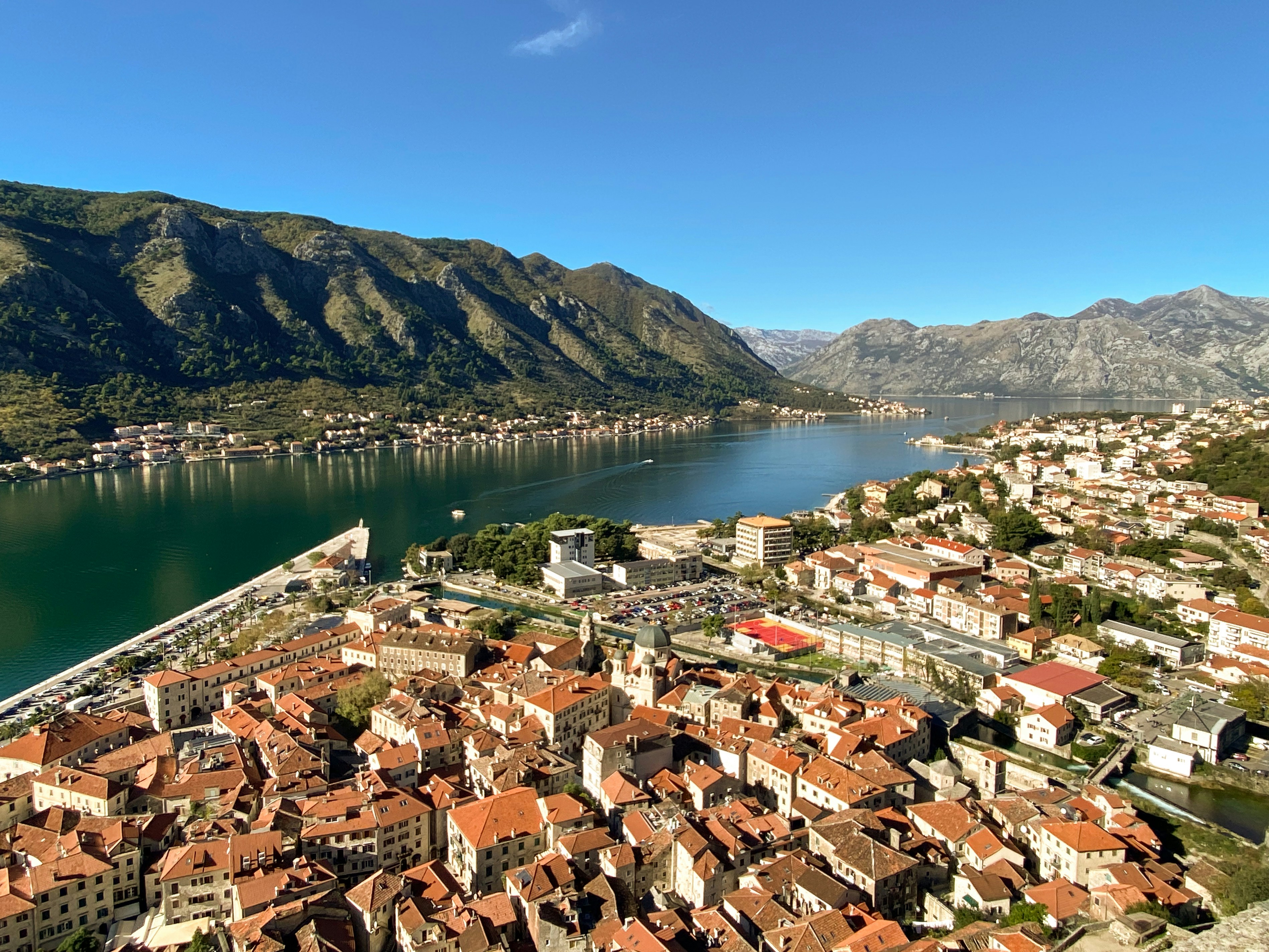
3 Days in Montenegro: A Day-by-Day Itinerary
A detailed 3-day itinerary for Montenegro with daily activities, costs, neighborhoods, and transport tips.
13 June 2026
Montenegro in 5 Days: The Perfect Extended Itinerary
A detailed 5-day itinerary for Montenegro with daily activities, costs, neighborhoods, and transport tips for an extended stay.
8 May 2026
Montenegro in 10 Days: The Ultimate Travel Itinerary
A comprehensive 10-day itinerary for Montenegro covering top attractions, hidden gems, daily costs, and transport between cities.
22 June 2026
Getting Around Montenegro: Transport Guide for Travellers
Airport transfers, public transport, ride-hailing apps, inter-city travel, and driving tips for Montenegro.
26 May 2026
Montenegro Travel Budget Guide: Daily Costs and Money Tips
How much does it cost to travel in Montenegro? Daily budget breakdowns for budget, mid-range, and luxury travellers.
27 February 2026
Montenegro Currency & Money Guide: Exchange, Cards, and Tips
Currency exchange, credit card acceptance, ATM tips, tipping culture, and money-saving advice for Montenegro.
26 March 2026
Montenegro Visa & Entry Requirements for Singapore Passport Holders
Visa requirements, passport validity, customs allowances, and entry tips for Singapore citizens travelling to Montenegro.
11 July 2026
Montenegro Food Guide: Must-Try Dishes, Prices, and Tips
Best local dishes, street food, restaurant prices, dietary options, and food safety tips for Montenegro.
18 May 2026
More Travel Guides
Destination Guide
Complete Bosnia and Herzegovina Travel Guide 2026
Everything you need to know about travelling to Bosnia and Herzegovina — budget, visa, food, transport, eSIM connectivity, and itineraries.
Destination Guide
Complete Bahamas Travel Guide 2026
Everything you need to know about travelling to Bahamas — budget, visa, food, transport, eSIM connectivity, and itineraries.
Destination Guide
Complete Bahrain Travel Guide 2026
Everything you need to know about travelling to Bahrain — budget, visa, food, transport, eSIM connectivity, and itineraries.
Destination Guide
Complete Sint Eustatius Travel Guide 2026
Everything you need to know about travelling to Sint Eustatius — budget, visa, food, transport, eSIM connectivity, and itineraries.