Montenegro Travel Budget Guide: Daily Costs and Money Tips
How much does it cost to travel in Montenegro? Daily budget breakdowns for budget, mid-range, and luxury travellers.
By Hello Travel Team
This article contains affiliate links. If you book through them, Hello may earn a commission at no additional cost to you. Our editorial recommendations are independent. Learn more.
TL;DR: Montenegro Travel Cost in 2026
Montenegro is still one of the best-value trips in Europe, with most travellers spending about €40–60 per day on a budget, €80–150 per day mid-range, and €200+ per day for luxury in 2026. If you want the short answer to “how much does a Montenegro trip cost?”, plan around €50/day for simple travel, €100–130/day for a comfortable trip, and much more if you add car hire, private tours, or premium coastal hotels.
Montenegro Daily Expenses: What You’ll Spend on Food, Transport, and Accommodation
Your Montenegro daily expenses depend most on where you sleep, how you move around, and how often you eat out. A practical budget usually falls into a few predictable categories: hostel or guesthouse beds, simple cafés and bakeries, public buses, and low-cost sightseeing in coastal towns like Kotor and Budva. Current 2026 travel cost guides put a hostel dorm bed at about €18–22, a basic double room at €35–60, coffee at €1.50–2.50, a restaurant main course at €8–18, and intercity buses like Kotor–Budva at around €3–5. Peak-season beach extras can add up quickly, especially sunbed rentals at €10–25 per bed.
Here’s a simple snapshot of what a day can look like:
| Expense | Budget | Mid-range | Luxury |
|---|---|---|---|
| Accommodation | €18–35 | €60–120 | €180+ |
| Food and drinks | €10–20 | €25–50 | €80+ |
| Local transport | €3–10 | €10–30 | €40+ |
| Activities | €5–15 | €20–50 | €100+ |
For travellers who like to track spending on the go, the Hello app can help with budget tracking, receipt scanning, and multi-currency expenses, which is useful if you’re splitting costs with friends or moving between card and cash payments.
Budget Traveller Montenegro Budget Guide: €40–60 a Day
A budget traveller can comfortably manage Montenegro on about €40–60 a day if they use buses, eat simply, and stay in hostels or basic guesthouses. Several 2026 Montenegro budget guides place the lean end of travel around €35–50/day, with some independent travellers reporting that €40/day is realistic if you keep plans simple. That usually means a dorm bed or cheap room, bakery breakfasts, supermarket lunches, one sit-down meal, and mostly public transport.
A realistic budget day might look like this: €20 for accommodation, €10–12 for food, €4–6 for buses, and €5–10 for entrance fees, coffee, or a shared snack. In places like Kotor, Budva, and Herceg Novi, you can keep costs down by walking old towns, using local bakeries, and avoiding premium beach clubs. In summer, prices rise near the coast, so the same itinerary costs more in July and August than in shoulder season.
If you want connectivity without hunting for Wi‑Fi, an eSIM from Hello is a useful add-on before arrival, especially for maps, bus timetables, and last-minute bookings. For a simple budget trip, the key rule is to keep one expensive activity out of each day rather than trying to do everything at once.
Mid-Range Montenegro Travel Cost: €80–150 a Day for Comfort and Flexibility
Mid-range travellers usually spend about €80–150 per day in Montenegro, and couples often land around €90–120 per person when they mix nice apartments, restaurant meals, and a few paid experiences. That range aligns with multiple 2026 budget guides, which place comfortable travel around €80–140 or €80–150 a day, depending on the season and how often you use private transport or add excursions.
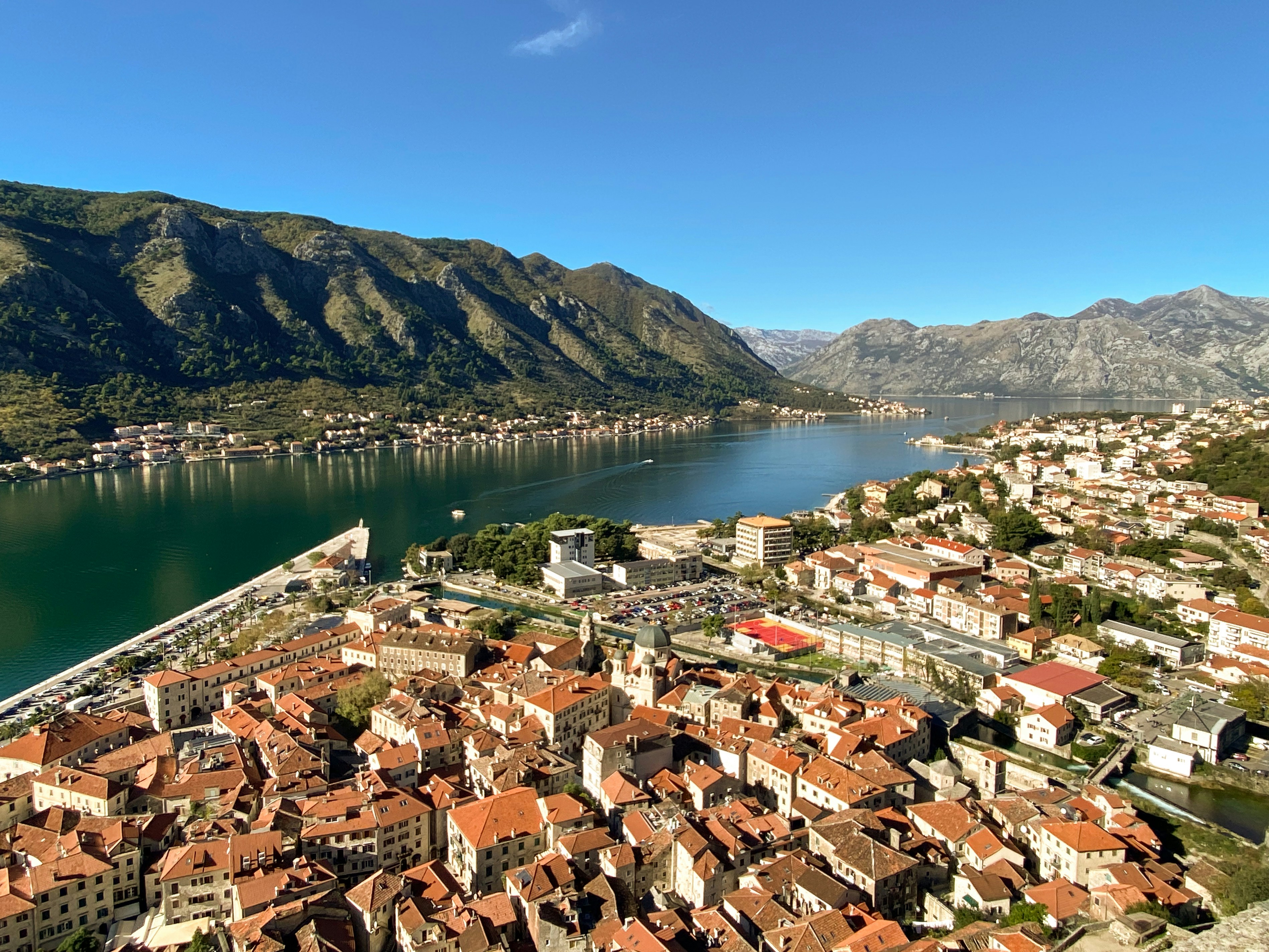
This is the sweet spot for many visitors: a private room or boutique hotel, breakfast at a café, lunch by the sea, dinner in a good local restaurant, and one paid activity such as a boat trip on the Bay of Kotor or a guided visit to a national park. A typical mid-range day might include €70–100 for accommodation, €25–40 for meals, €10–25 for transport, and €15–40 for activities. If you rent a car, daily costs rise quickly, but you gain flexibility for places like Durmitor and the inland mountain roads.
For travellers balancing shared costs, Hello’s expense splitting and budget tracking tools make it easier to divide car rental, fuel, dinners, and boat trips without manual calculations. This is especially handy when one person pays for a ferry, another pays for lunch, and you want the trip total to stay clear.
Luxury Montenegro Travel Cost: €200+ a Day for High-End Stays and Private Experiences
Luxury travel in Montenegro usually starts around €200 per day and can move well beyond €300 a day when you book premium hotels, fine dining, private drivers, and exclusive boat trips. Some 2026 travel cost sources place luxury spending at €250–500+ per day, especially for travellers choosing five-star coastal properties, Aman-style stays, or bespoke guided experiences.
At this level, the biggest expenses are accommodation and private transport. A luxury day might include a beachfront resort or boutique suite, breakfast and dinner at upscale restaurants, a transfer instead of a bus, and a private skipper for the Bay of Kotor or the Adriatic coast. Expect coastal hotspots to be the most expensive, especially in peak season and in high-demand towns where parking, beach access, and premium dining all cost extra. If you are staying in Montenegro for a short luxury break, it is worth pre-booking your high-end nights early because the best properties sell out fast.
For a luxury trip, connectivity still matters: an eSIM from Hello can be useful for mobile navigation, restaurant reservations, and ride coordination without relying on hotel Wi‑Fi. Even on a high-budget holiday, a clear spend tracker helps you see where the money is going, especially when several premium experiences are booked in one day.
Common Questions About Montenegro Travel Costs and Money Tips
Most travellers want to know the same three things: how much cash to bring, whether Montenegro is expensive, and how to avoid overspending. The short answer is that Montenegro is more affordable than many Western European destinations, but coastal summer prices can still surprise first-time visitors. Coffee is usually around €1.50–2.50, a burek or bakery pastry is often €1.50–3, and a local beer in a bar is commonly €2.50–4, according to 2026 price guides.
How much does a Montenegro trip cost for one week? A budget week may cost roughly €280–420 per person, mid-range travellers often spend €560–1,050, and luxury trips can easily exceed €1,400 depending on hotel and activity choices.
Do you need cash in Montenegro? Cards are widely accepted in hotels, larger restaurants, and tourist areas, but cash is still useful for bakeries, small cafés, taxis, and some buses.
What is the easiest way to stay on budget? Use public buses, eat where locals eat, travel in shoulder season, and book accommodation early for the coast.
How do I stay connected and track spending while travelling? A Hello eSIM helps you get online immediately after landing, while Hello’s budget tools make it easier to log expenses, scan receipts, and split costs with travel partners in real time.
Explore These Destinations
Stay Connected
Book this trip
Compare options on trusted travel sites
Plan flights for this trip
Continue to a reviewed booking partner to check current routes, fares, and terms.

Track your Montenegro trip budget
Split expenses with friends, track spending by category, and see real-time currency conversions — all in one app.
Related Articles
Montenegro Safety Guide: Tips for a Safe Trip
Safety tips, health advisories, emergency contacts, common scams, and travel insurance advice for Montenegro.
20 July 2026
Montenegro Visa & Entry Requirements for Singapore Passport Holders
Visa requirements, passport validity, customs allowances, and entry tips for Singapore citizens travelling to Montenegro.
11 July 2026
eSIM for Montenegro: Best Plans, Coverage, and Setup Tips
Everything you need to know about using eSIM in Montenegro. Best data plans, network coverage, and setup instructions.
2 July 2026