Montenegro Safety Guide: Tips for a Safe Trip
Safety tips, health advisories, emergency contacts, common scams, and travel insurance advice for Montenegro.
By Hello Travel Team
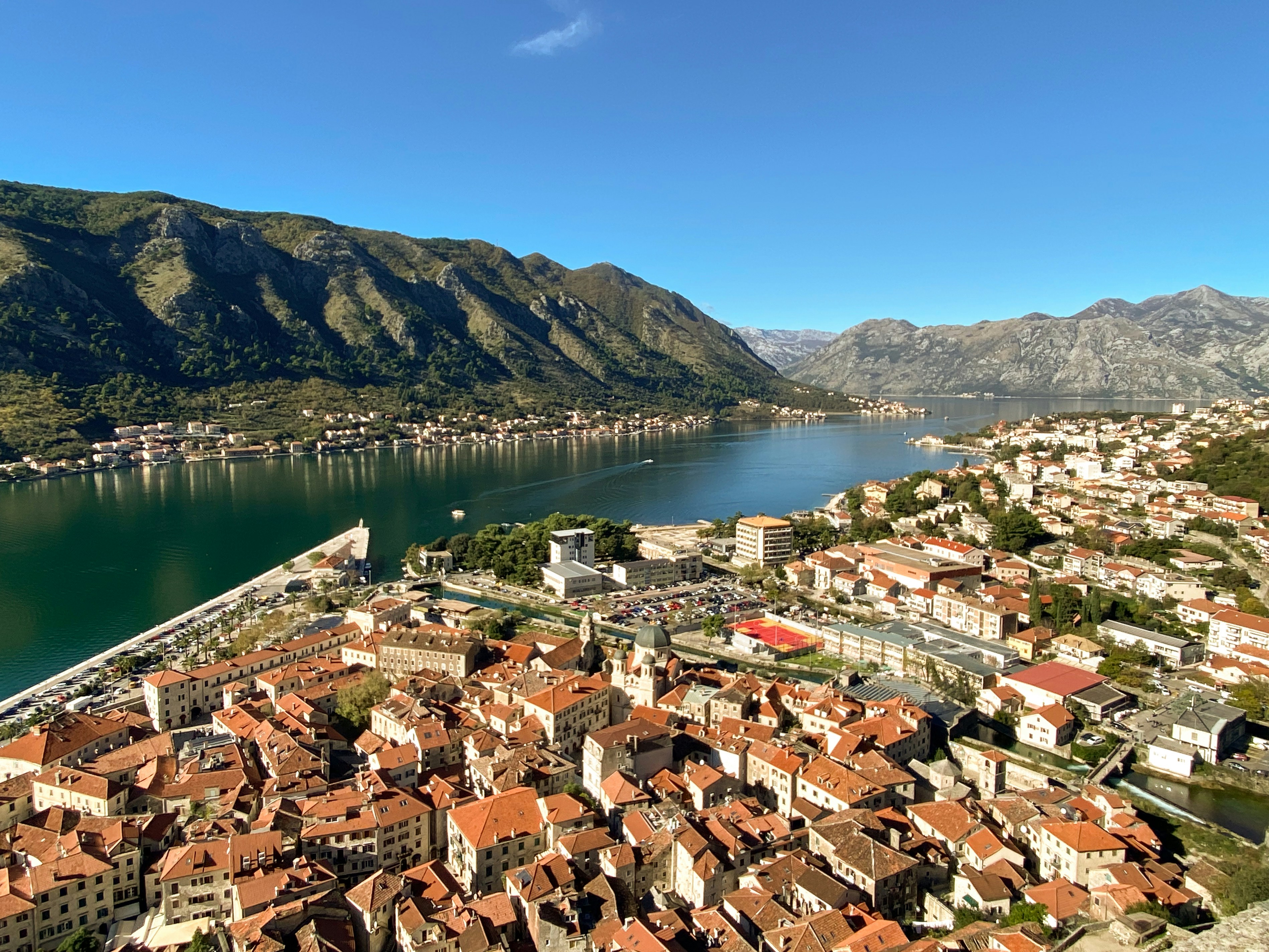
TL;DR: Is Montenegro Safe to Visit?
Montenegro is generally very safe for travellers, with low violent crime, some petty theft in summer hotspots, and more risk from roads and outdoor activities than from people. Most visitors have trouble-free trips if they use normal city smarts and plan for health and insurance.
Montenegro regularly appears in the safer tier of European destinations; one 2022 Global Peace Index ranking placed it around the top third globally, ahead of several major EU countries for overall peacefulness. According to multiple European government advisories, tourists are advised simply to “exercise normal precautions”, similar to what you would do at home.
The main Montenegro travel safety issues are:
- Petty theft (pickpocketing, bag snatching) in busy places like Budva, Kotor and on summer buses and beaches
- Road safety on steep coastal and mountain roads, and aggressive local driving
- Occasional tourist scams involving taxis, restaurant bills, and tours
- Outdoor risks such as strong sea currents, hidden rocks, heat, and mountain weather changes
Emergency services use the standard European 112 number, with separate lines for police, ambulance and fire. Tap water is widely considered safe to drink, basic healthcare is decent in cities, and travel insurance is strongly recommended as Montenegro is outside the EU health card system. With common sense and a bit of preparation, Montenegro is a safe, rewarding destination for solo travellers, families, and road-trippers alike.
Montenegro Travel Safety Overview: Crime, Roads, and Everyday Risks
Montenegro is widely considered safe for tourists, with low violent crime and mostly small annoyances like pickpockets and overcharged taxis to watch for during peak season. Serious incidents involving visitors are uncommon, especially if you stick to normal city common sense.
Multiple travel safety guides note that overall crime rates in Montenegro are relatively low and that most issues tourists encounter involve petty theft such as pickpocketing or bag snatching in crowded areas, public transport, beaches and busy old towns like Kotor, Budva, and Podgorica bus stations during summer. Government advisories recommend standard precautions: keep valuables out of sight, use hotel safes, avoid deserted streets at night, and stay alert around ATMs.
One important Montenegro travel safety nuance is that roads are more dangerous than streets. Local driving can be fast and impatient, especially on:
- Narrow, winding coastal roads
- Mountain passes above Kotor Bay
- Rural roads with limited lighting and guardrails
If you rent a car, choose full insurance cover, avoid driving tired or at night in the mountains, and allow extra time for journeys. Seatbelts are mandatory, and drink-driving checks are taken seriously.
For most travellers, Montenegro feels as safe as or safer than nearby Balkan and Mediterranean destinations, and many repeat visitors describe walking around tourist towns late into the evening without issues. Staying aware of your surroundings and keeping an eye on your bag in crowds will usually be enough for a smooth trip.
Emergency Numbers, Health Care, and Singapore Embassy Contacts
Montenegro’s emergency response is straightforward: you can dial 112 from any phone for police, fire, or ambulance, or use dedicated numbers if you prefer, and response times in cities are generally good. Travellers report 10–15 minute urban response in many cases.
Key Montenegro emergency numbers:
| Service | Number |
|---|---|
| General emergency | 112 |
| Police | 122 |
| Fire brigade | 123 |
| Ambulance | 124 |
| Roadside help | 19807 |
Hospitals and clinics in Podgorica, Kotor, Budva and other major towns can handle most routine issues and minor emergencies, but facilities may be basic in rural areas. Government travel advisories stress that Montenegro is not in the EU, so European Health Insurance Card (EHIC) or GHIC coverage does not apply; private travel insurance is essential.
If you are a Singaporean citizen, there is no resident Singapore embassy in Montenegro. The nearest mission currently responsible is usually the Singapore Embassy in Rome or another regional European post, so check the latest Ministry of Foreign Affairs guidance before departure and save both the duty officer number and email. In practice this means:
- Registering your trip with Singapore MFA
- Saving your embassy’s 24/7 emergency contact in your phone
- Keeping digital copies of your passport and insurance policy in secure cloud storage
For non-urgent issues like lost passports, you will typically coordinate with your nearest Singapore mission remotely while using local police to obtain necessary reports.
Health, Vaccinations, Water Safety, and Outdoor Risks in Montenegro
For most healthy travellers, health risks in Montenegro are moderate and manageable with standard vaccinations, sun protection, and basic outdoor safety. Tap water is generally safe, but summer heat, ticks, and unregulated adventure operators deserve your attention.
Routine vaccinations (tetanus, measles-mumps-rubella, diphtheria) should be up to date for all visitors. Many travel clinics also recommend hepatitis A (and sometimes hepatitis B) for the wider Balkan region; consult a travel doctor 4–6 weeks before departure for personalised advice. Rabies exists in some mammals like dogs and bats, so avoid touching stray animals and seek urgent care after any bite or scratch.
According to responsible travel advice, tap water is considered safe to drink across most of Montenegro, especially in mountain areas and around Lake Skadar, where springs are common. Bottled water is widely available if you prefer. In summer, coastal temperatures regularly exceed 30°C, so drink plenty of water, use high-SPF sunscreen, and wear hats—sea breezes can hide just how strong the sun is.
Outdoor Montenegro travel safety mostly revolves around:
- Hiking: sudden weather changes in Durmitor and Prokletije, steep terrain, and summer ticks; wear proper boots, carry layers, a map app, and check forecasts.
- Water activities: hidden rocks, variable currents, and limited regulation of rafting, canyoning, and boat trips; always wear lifejackets and choose operators with good equipment and clear safety briefings.
Because there is no EU-wide regulation of outdoor activity operators in Montenegro, travellers are advised to check guide experience, helmets, and harnesses before committing to high-adrenaline tours.
Common Scams in Montenegro and How to Avoid Them
The most common Montenegro scams involve small money tricks rather than serious crime, and a bit of preparation will usually keep you well clear of problems. Expect petty overcharging, not aggressive scams, especially in peak summer tourist zones.
Across the coastal towns, visitors report a familiar set of issues:
- Taxi overcharging: unmetered rides from airports or ports, especially at night. To avoid this, use licensed taxis, check that the meter is on, or agree a fare before getting in. In-town rides often cost just a few euros; anything dramatically higher is a red flag.
- Restaurant and bar surprises: vague “market price” seafood or drinks added that you did not order. Always ask to see a menu with prices, query unclear items, and politely challenge wrong bills before paying.
- Tour and boat-trip markups: especially around Perast, Our Lady of the Rocks, and Lake Skadar, some operators quote high initial prices or add “fuel” surcharges at the pier. Compare several sellers, confirm total prices in advance, and avoid paying fully in cash before departure.
- Pickpocketing: most likely in packed summer buses, Kotor Old Town alleys, and beach bars; keep bags zipped and in front of you, and carry minimal cash.
Average daily travel costs in Montenegro remain reasonable by European standards: as of 2025, budget travellers report spending €40–60 per day, with mid-range trips at €80–120 including accommodation and meals. If you are being asked to pay far beyond those ranges without clear justification, pause and reassess.
Using cards where possible, declining unsolicited help at ATMs, and keeping receipts will help you avoid most Montenegro scams and resolve disputes quickly.
Solo Female and LGBTQ+ Montenegro Travel Safety Tips
Solo female travellers and LGBTQ+ visitors generally find Montenegro welcoming and safe, especially in tourist hubs, though social conservatism means low-key behaviour and extra awareness are wise outside big resorts and cities.
Women travelling alone often report feeling comfortable walking in busy areas of Kotor, Budva, Podgorica, and coastal promenades late into the evening, especially in summer when streets are lively. As in many Mediterranean nightlife spots, the main risks are unwanted attention and overdrinking, not targeted violence. Practical tips include:
- Stick to well-lit streets and busy bars; avoid isolated beaches or parks at night
- Watch your drink and order directly at the bar
- Use licensed taxis for late-night rides rather than walking long distances
- Choose centrally located accommodation with good reviews mentioning safety
For LGBTQ+ travellers, Montenegro has some anti-discrimination laws and has hosted Pride events, but social attitudes can still be conservative, particularly in rural areas. Public displays of affection may attract stares or comments outside main tourist zones, so many couples opt for a more discreet approach. In coastal resorts and international festivals, visitors report more relaxed atmospheres.
Dress codes are generally flexible in tourist towns and on beaches, though modest clothing is appreciated when visiting monasteries, churches, or villages—cover shoulders and knees and avoid beachwear away from the coast.
Overall, Montenegro travel safety for solo female and LGBTQ+ visitors compares favourably with much of Southern Europe: use the same instincts you would at home, stay aware around alcohol and nightlife, and consider sharing your live location with a trusted friend when moving between bars or late-night transport.
Connectivity, Budgeting, Travel Insurance, and Common Questions
Staying connected, insured, and on top of your budget will do more for your Montenegro safety than almost anything else, especially if you are navigating mountain roads, boats, or last-minute plan changes. Good mobile data and travel insurance turn small problems into minor inconveniences.
Montenegro’s 4G coverage is solid along the coast and in larger towns, but can drop in mountain regions. Using Hello’s eSIM plans for Montenegro lets you arrive with data already working, so you can pull up offline maps, translate signs, or call 112 without hunting for a SIM shop. You can buy and activate a Hello eSIM for Montenegro before you fly, with plans starting from around 5GB of data and prices updated live in the Hello app.
The Hello app also helps with expense tracking and safety: you can scan receipts in any language, track spending in euros alongside your home currency, split bills with friends, and keep a clear picture of daily costs—useful in touristy spots where prices can creep up.
Travel insurance is strongly recommended since Montenegro is outside the EU health card system. A typical policy for a week-long trip from Europe in 2025 might cost €25–€60, depending on age and coverage, and should include:
- Emergency medical care and evacuation
- Trip cancellation and delay
- Theft or loss of baggage and electronics
- Cover for adventure sports if you plan rafting or canyoning
Common Questions about Montenegro Safety
Is Montenegro safe to visit right now?
Yes. Major Western governments currently advise normal precautions only, similar to other peaceful European destinations.
Is tap water safe in Montenegro?
Yes, tap water is generally safe to drink, especially in cities and mountain areas, though some travellers prefer bottled water on remote islands or if pipes look old.
Is Montenegro safe for solo travellers?
Yes. Solo travellers, including women, usually report feeling secure in tourist areas; just use the same precautions you would in any unfamiliar city.
What are Montenegro’s emergency numbers?
Dial 112 for any emergency; police are at 122, fire at 123, and ambulance at 124.
Is Montenegro safe for driving and road trips?
Roads are scenic but can be narrow and winding. Drive defensively, avoid night mountain drives, and allow extra time for coastal traffic in July–August.
Do I need cash, or are cards enough?
Cards are widely accepted in cities and resorts, but keep small amounts of cash for buses, small cafés, and rural guesthouses. Hello’s budget tools can help you track both.
Planning a Safe Montenegro Itinerary with Hello and Local Know‑How
A safe Montenegro trip comes down to smart planning, realistic driving distances, and staying reachable, especially if you are exploring both coast and mountains in a short time. With a bit of prep, you can relax into the scenery instead of worrying about logistics.
For many visitors, the classic loop covers Kotor, Perast, Budva, Lake Skadar, and Durmitor National Park over 7–10 days. When plotting this route, avoid cramming in long drives on the same day as hikes or rafting—distances on the map look short, but winding roads make a 150 km stretch easily take 3–4 hours.
Use online satellite views and street-level imagery to assess parking and road width in old towns before committing to driving into historic centres. In Kotor and Budva, it is often safer to park in paid lots outside the walls (expect €1–2 per hour in 2025) and walk.
The Hello app can act as a central safety hub for your Montenegro travel:
- Store booking confirmations and key addresses in your trip plan
- Track shared expenses with friends so no one is left carrying large amounts of cash
- Let everyone see live-updated budgets and agree on daily spending
Pair that with basic precautions—copy of passport stored securely online, saved emergency contacts, checked weather for each hike—and Montenegro becomes an easy, low-stress destination. For more on the country itself, you can explore the dedicated Montenegro destination page once your safety basics are covered.
Explore These Destinations
Stay Connected
Ready for Montenegro?
eSIM data, expense splitting, budget tracking, and more. Everything you need for a smooth trip in one app.
Related Articles
Montenegro Visa & Entry Requirements for Singapore Passport Holders
Visa requirements, passport validity, customs allowances, and entry tips for Singapore citizens travelling to Montenegro.
11 July 2026
eSIM for Montenegro: Best Plans, Coverage, and Setup Tips
Everything you need to know about using eSIM in Montenegro. Best data plans, network coverage, and setup instructions.
2 July 2026
Montenegro in 10 Days: The Ultimate Travel Itinerary
A comprehensive 10-day itinerary for Montenegro covering top attractions, hidden gems, daily costs, and transport between cities.
22 June 2026