Montenegro Cultural Guide: Etiquette, Customs, and Tips
Essential do's and don'ts, greeting customs, dress codes, local phrases, and cultural tips for Montenegro.
By Hello Travel Team
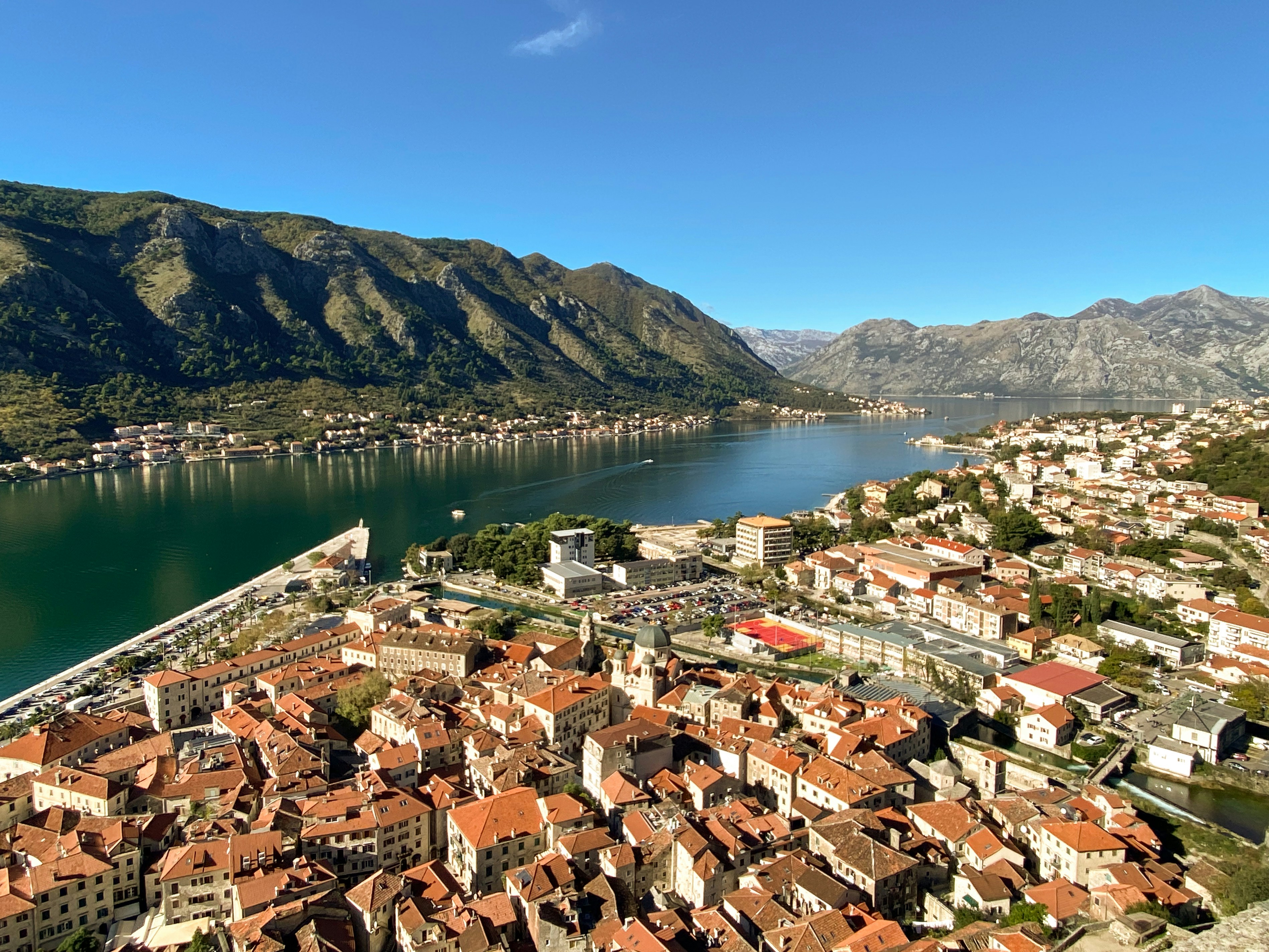
TL;DR: Essential Montenegro Etiquette, Customs and Cultural Dos and Don’ts
Montenegro culture is warm, proud and hospitable, but visitors are expected to dress modestly in churches, greet people politely, respect national history, and avoid loud or pushy behaviour. Learn a few local phrases, tip modestly, and plan around public holidays to make your trip smoother and more respectful.
Montenegro may be small, but its cultural mix of Orthodox, Catholic and Muslim traditions means etiquette can vary slightly by region, from coastal towns like Kotor and Budva to mountain areas like Žabljak. In general, people appreciate politeness, patience and genuine curiosity about their country.
Key dos: say hello when entering shops or cafés, dress modestly in religious sites, keep voices down in old towns, and accept offers of coffee or rakija (local brandy) if you feel comfortable. Key don’ts: don’t joke about recent history, don’t photograph people without asking, and don’t treat religious spaces like tourist props.
For planning, remember that Montenegro follows many Christian holidays; around Orthodox Easter and Christmas some services may run shorter hours, and July–August can be very busy due to peak tourism. In 2024, Montenegro welcomed over 2.6 million tourists according to the National Tourism Organisation, so a little cultural awareness goes a long way when sharing space with locals.
Staying connected and splitting costs with friends is also easier when you prepare ahead: an eSIM from Hello lets you arrive with data working, while Hello’s expense tracking keeps your group budget organised during a coast-to-mountains itinerary.
Montenegro Culture Basics: Social Norms, Greetings and Everyday Dos and Don’ts
In everyday Montenegro etiquette, simple politeness, moderate behaviour, and respect for family and tradition matter far more than perfection, so a sincere greeting and calm attitude will cover most situations. Locals are used to tourists but appreciate visitors who treat their country and customs seriously.
Greeting customs are straightforward: a friendly “Dobar dan” (good day) works almost everywhere, and handshakes are common when meeting someone new. Among friends, cheek kisses (usually three) are typical, but don’t initiate this unless the other person does first. In coastal tourist areas, many people speak English, but trying a few phrases shows effort:
- „Hvala“ – thank you
- „Molim“ – please / you’re welcome
- „Izvinite“ – excuse me / sorry
- „Možete li mi pomoći?“ – can you help me?
Core Montenegro dos and don’ts:
-
Do keep your voice moderate, especially in old town streets at night.
-
Do show respect when talking about religion or history.
-
Do offer a firm but not crushing handshake.
-
Don’t treat locals’ homes or villages like photo backdrops.
-
Don’t assume everyone wants to talk about politics or the Yugoslav wars.
-
Don’t be surprised if people smoke in bars or cafés; it is still common.
According to the World Bank, Montenegro’s population is under 620,000 as of 2024, yet tourism arrivals already exceed several times the population each year, making courteous behaviour essential when sharing public spaces in peak season.
Dress Codes, Religious Sites and Photography Rules in Montenegro
Dress codes in Montenegro are relaxed at the beach but conservative in religious sites, so pack clothing that allows you to switch from shorts and swimwear to modest outfits covering shoulders and knees when visiting monasteries, churches and mosques. This simple adjustment prevents awkward situations and shows real respect.
In everyday life, Montenegrins dress similarly to other Europeans: casual clothes are fine in coastal towns, while smart casual works well in city restaurants in Podgorica or Cetinje. However, religious sites such as Ostrog Monastery, Cetinje Monastery or Kotor’s churches expect modest dress:
- Shoulders covered (a light scarf or shawl works)
- Knee-length or longer trousers/skirts
- No swimwear, crop tops or extremely short shorts
Some monasteries may offer wraps at the entrance, but not always in sufficient numbers, especially in July–August when Montenegro coastal areas can exceed 30°C according to regional meteorological data. A lightweight wrap in your daypack is a simple solution.
Photography etiquette is equally important. In many churches and monasteries, photos inside are forbidden or restricted; always look for signs or ask a staff member. Even where photography is allowed, avoid flash and don’t take pictures of people praying. Outside, it’s polite to ask before photographing locals, particularly older people or children.
Use this rough guide:
| Location type | Dress expectation | Photo rules |
|---|---|---|
| Beach / promenade | Casual, swimwear OK at beach only | Photos fine; respect personal space |
| Old town streets | Casual / smart casual | OK, avoid intrusive close-ups |
| Churches / monasteries | Modest, shoulders/knees covered | Often restricted inside, ask first |
| Mosques | Conservative, headscarf recommended for women | Usually limited; ask imam or staff |
Respecting these norms turns cultural visits into meaningful experiences rather than quick photo stops.
Business Etiquette, Money Tips and Using Hello for Connected, Organized Travel
Montenegro business etiquette balances formal manners with a relaxed pace, so punctuality, polite greetings and modest dress matter, but conversations often start with small talk before getting down to details. Whether you’re meeting partners in Podgorica or attending an event in Budva, preparation will help you feel at ease.
For business meetings, men typically wear a shirt and trousers (jacket for more formal contexts), while women opt for smart dresses or blouses and skirts. Titles are appreciated: use „Gospodin“ (Mr.) or „Gospođa“ (Mrs.) plus surname until invited to switch to first names. Handshakes are the norm; maintain eye contact but avoid overly aggressive body language.
Cash and cards: the currency is the euro (EUR), and card payments are widely accepted in cities and tourist towns, but smaller, rural places may prefer cash. As of 2026, typical prices are around €1.50–2 for a coffee, €4–6 for a local beer, and €15–25 per person for a mid-range dinner, according to regional price indexes and travel surveys.
To stay connected for emails, maps and translation apps, many travellers rely on mobile data rather than public Wi‑Fi, which can be patchy outside main tourist zones. Hello’s eSIM for Montenegro lets you buy and activate data before departure, arrive online, and avoid hunting for kiosks or SIM cards after landing.
Hello’s expense features are particularly handy for business travellers or teams: AI receipt scanning (in any language), multi-currency tracking with live exchange rates, and CSV/PDF bank statement import make it easier to reconcile costs and submit reports after your trip.
Local Holidays, Festivals and How They Affect Travel Plans in Montenegro
Montenegro customs around holidays blend religious and national traditions, so key dates like Orthodox Christmas, Easter and Statehood Day can affect opening hours, traffic and the vibe in towns and cities. Planning around these dates means fewer surprises and more authentic experiences.
Major public holidays you should know:
- New Year’s Day – 1 January
- Orthodox Christmas – 7 January
- Orthodox Easter – date varies (usually April), with Good Friday and Easter Monday important
- Statehood Day – 13 July
- Independence Day – 21 May
On these days, many government offices close, and some shops operate shorter hours, though tourist areas like Kotor or Budva often stay lively. According to Montenegro’s tourism authorities, July is both Statehood Day month and peak visitor season, and coastal regions can see hotel occupancy exceed 80% during summer weekends, meaning advance bookings are strongly recommended.
Religious holidays are marked by church services and family gatherings. Visitors are welcome to observe respectfully, but avoid pushing into crowded churches or treating ceremonies as mere spectacle. In villages, you may encounter traditional customs like the slava, a family saint’s day celebration; if invited, bring a small gift (wine, sweets, or flowers) and ask your host about any specific expectations.
Festivals such as the Kotor Carnival or Budva’s music events can also affect accommodation prices and noise levels at night. For budget planning, expect coastal hotel rates to increase by 20–40% during major summer events compared to shoulder season, based on regional hospitality data.
Gift-Giving Etiquette, Tipping Customs and Everyday Montenegro Dos and Don’ts
Montenegro gift-giving etiquette is simple and heartfelt: small, thoughtful items like wine, chocolates or souvenirs from your home country are appreciated, while overly expensive gifts can feel uncomfortable or excessive. Focus on gesture rather than value, especially when visiting someone’s home.
If you’re invited to dinner or coffee, it’s polite to arrive on time or within 10–15 minutes, bringing a modest gift such as:
- A bottle of good wine or local craft beer
- Quality chocolates or sweets
- Flowers (avoid white carnations, which can be seen as funeral-related)
Always present gifts with both hands, and don’t be surprised if they’re set aside to open later. In some families, hosts may insist you eat more or pour extra rakija; a friendly but firm „Ne mogu više, hvala“ (I can’t have more, thank you) is perfectly acceptable.
Tipping customs: service charges are not usually included, and while tipping is not mandatory, it is appreciated. As of 2026 price levels:
- Restaurants: round up or leave 10% for good service
- Cafés and bars: round up small amounts (e.g., pay €2 for a €1.70 coffee)
- Taxis: round up to the nearest euro
Daily dos and don’ts recap:
-
Do return greetings and smile at staff in small shops.
-
Do queue patiently; pushing is frowned upon.
-
Do respect quiet hours in residential areas.
-
Don’t walk shirtless through historic streets, even near the beach.
-
Don’t drink heavily in ways that disturb others.
-
Don’t litter; Montenegro’s mountains and coast are a point of national pride.
Common Questions About Montenegro Etiquette, Customs and Connectivity
Most common questions about Montenegro etiquette focus on dress codes, tipping, local phrases and how to stay connected, and the answers are reassuringly simple: be polite, dress modestly in religious sites, tip lightly, learn a few basics like „Hvala“, and prepare your mobile data before arrival for smooth travel.
Q: Is Montenegro conservative or relaxed about clothing? A: Beach areas like Budva, Petrovac and Ulcinj are relaxed, but churches, monasteries and mosques are conservative. Pack a shawl or light trousers so you can cover shoulders and knees when visiting religious sites.
Q: How much should I tip in Montenegro? A: Tipping 5–10% in restaurants is considered generous and not obligatory. In cafés and bars, simply rounding up the bill is common practice.
Q: Do people in Montenegro speak English? A: In tourist areas and among younger people, English is widely spoken, especially along the Adriatic coast. In rural regions, older residents may speak limited English, so learning phrases like „Hvala“, „Molim“, and „Izvinite“ is helpful.
Q: How can I stay connected for maps and messaging? A: Public Wi‑Fi exists in many cafés and hotels, but can be inconsistent, especially in mountain regions like Durmitor. Using Hello eSIM for Montenegro lets you arrive with data ready, avoiding roaming surprises and making navigation and language apps immediately usable.
Q: What’s a typical daily budget? A: According to regional cost-of-living data, a mid-range traveller might spend €50–90 per day in 2026, including meals, local transport and occasional activities. You can track this easily in Hello using budget tracking and expense splitting when travelling with friends.
Explore These Destinations
Stay Connected
Make the most of Montenegro
From eSIM connectivity to expense tracking, Hello is the all-in-one companion that keeps your trip stress-free.
Related Articles
Montenegro Safety Guide: Tips for a Safe Trip
Safety tips, health advisories, emergency contacts, common scams, and travel insurance advice for Montenegro.
20 July 2026
Montenegro Visa & Entry Requirements for Singapore Passport Holders
Visa requirements, passport validity, customs allowances, and entry tips for Singapore citizens travelling to Montenegro.
11 July 2026
eSIM for Montenegro: Best Plans, Coverage, and Setup Tips
Everything you need to know about using eSIM in Montenegro. Best data plans, network coverage, and setup instructions.
2 July 2026