Key Takeaways
- ✓Malawi in 2026 is a welcoming, affordable destination combining lake beaches, highland hikes, and wildlife.
- ✓The best time to visit is the dry season from May to October, with shoulder months offering good value.
- ✓Daily budgets range roughly from USD 30–50 (budget) to 150+ (higher-end), excluding flights.
- ✓Visa rules vary by nationality; always confirm current requirements and passport validity before travel.
- ✓Getting around involves buses, shared taxis, and lodge-arranged transfers — plan realistic travel times.
- ✓Hello eSIM provides easy, instant connectivity plus budget tracking and trip planning in Malawi.
- ✓Food is comforting and inexpensive, with nsima and lake fish as staples; basic precautions keep meals safe.
- ✓Safety is generally good for prepared travellers; health, money, and cultural guides help you travel confidently.
Malawi is one of Africa’s most welcoming and underrated destinations — a compact country where lake beaches, wildlife reserves, and friendly villages are never far apart. This 2026 Malawi travel guide is your complete trip planner, covering when to go, how much to budget, visas, transport, food, eSIM connectivity, and detailed itineraries.
Whether you’re backpacking along Lake Malawi, planning a romantic escape, or adding Malawi to a wider African journey from Thailand or Japan, you’ll find practical, up-to-date advice tailored to different travel styles and budgets. You’ll get clear comparison tables for seasons and costs, decision frameworks for choosing routes, and a “Before You Go” checklist so you don’t miss essentials.
Alongside this pillar guide, you can dive deeper into focused topics like visas, transport, safety, food, and culture through dedicated cluster articles. We’ll reference these throughout so you can jump straight to the details that matter most. As of 2026, Malawi remains affordable, relatively easy to navigate, and deeply rewarding for travellers who value connection, nature, and slower travel.
Use this guide as your starting point: save it, share it with your travel group, and pair it with the Hello app for eSIM connectivity, budgeting, and trip planning. By the end, you’ll have a clear plan, realistic expectations, and inspiration for an unforgettable Malawi trip.
Why Visit Malawi in 2026
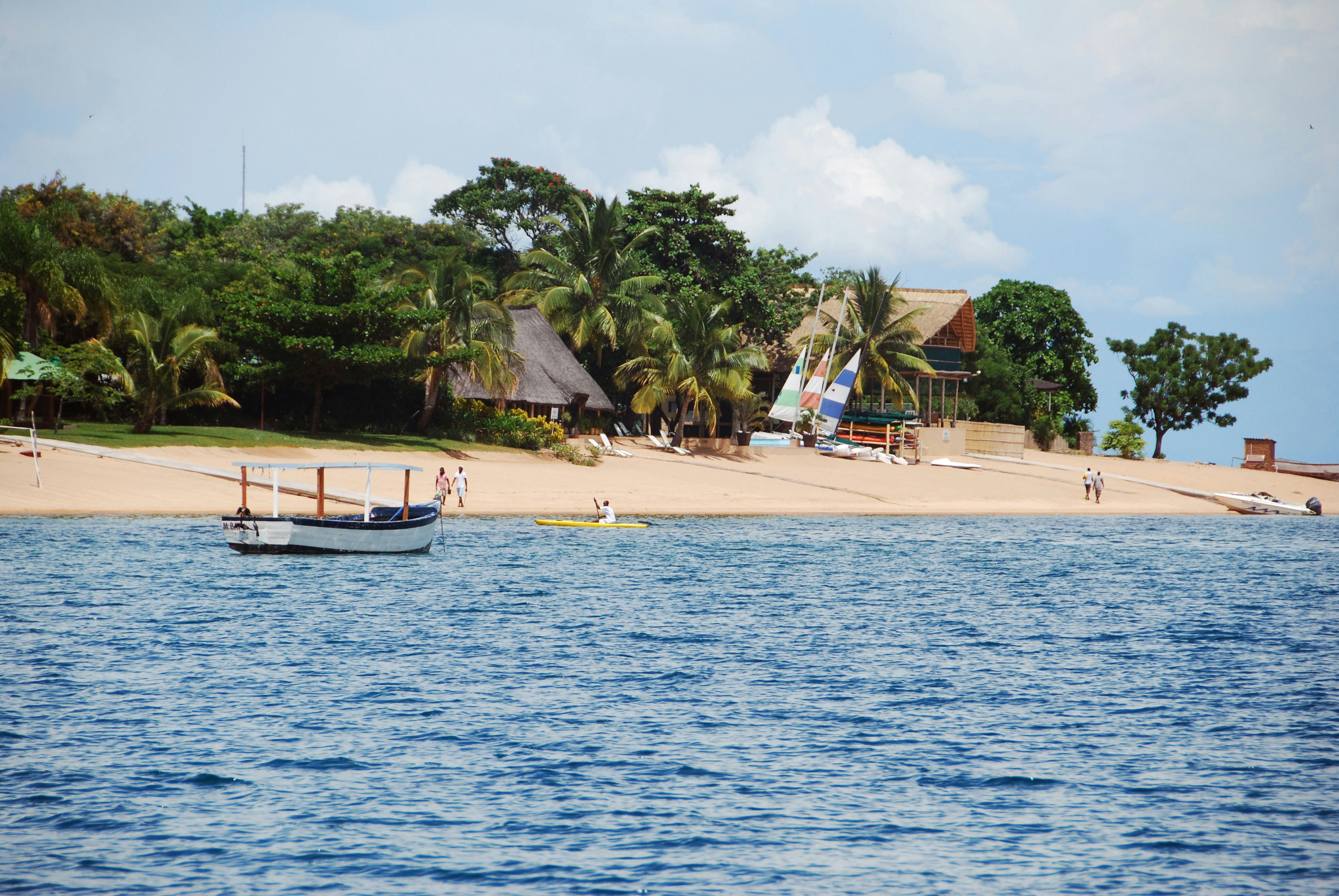
Malawi in 2026 is a welcoming, affordable African destination that combines lake beaches, wildlife, and warm local culture, making it ideal for first-time visitors to Africa and repeat travellers alike. Expect relaxed travel, reasonable costs, and meaningful local connections.
Malawi is often called “The Warm Heart of Africa” — and that’s not just a slogan. Travellers consistently highlight how friendly and curious locals are, from lakeside towns to rural villages. You’re likely to be greeted with smiles, casual chats, and genuine hospitality that make everyday moments as memorable as big-ticket sights.
Geographically, Malawi is compact, which simplifies trip planning compared with sprawling neighbours. You can combine Lake Malawi’s beaches, highland hikes in Zomba Plateau or Mulanje, and wildlife viewing in reserves like Liwonde or Majete within a 5–10 day trip. For specific route ideas, explore Malawi in 5 Days: The Perfect Extended Itinerary and Malawi in 10 Days: The Ultimate Travel Itinerary.
As of 2026, Malawi remains one of the more budget-friendly countries in Southern Africa. Daily costs are lower than in regional safari hubs, and you can choose between simple guesthouses, mid-range lodges, and a growing range of boutique stays. For detailed numbers and money tips, see the Malawi Travel Budget Guide: Daily Costs and Money Tips and Malawi Currency & Money Guide: Exchange, Cards, and Tips.
Culturally, Malawi offers a gentler introduction to Sub-Saharan Africa than fast-paced metropolises. Use the Malawi Cultural Guide: Etiquette, Customs, and Tips and Malawi Safety Guide: Tips for a Safe Trip to understand local etiquette, safety norms, and health considerations. Paired with Hello’s tools for trip planning and expense tracking, Malawi becomes an easy, rewarding choice for 2026 travel.
Malawi in 5 Days: The Perfect Extended Itinerary
ItinerariesMalawi in 10 Days: The Ultimate Travel Itinerary
Budget PlanningMalawi Travel Budget Guide: Daily Costs and Money Tips
Currency & MoneyMalawi Currency & Money Guide: Exchange, Cards, and Tips
Cultural GuideMalawi Cultural Guide: Etiquette, Customs, and Tips
Safety & HealthMalawi Safety Guide: Tips for a Safe Trip
Best Time to Visit Malawi
The best time to visit Malawi is generally the dry season from May to October, when skies are clear, roads are more reliable, and wildlife viewing near rivers and waterholes is at its peak. Shoulder months are great for value, while the rainy season suits slower, more local trips.
Malawi’s climate is shaped by its elevation and the presence of Lake Malawi, but for most travellers it’s easiest to think in seasons:
Malawi Weather by Season (Approximate)
| Season (2026) | Months | Weather & Conditions | Best For |
|---|---|---|---|
| Cool Dry | May–Aug | Mild days, cooler nights, low rainfall | Hiking, wildlife, active travel |
| Hot Dry | Sep–Oct | Hot, often humid, little rain | Beach time, lake activities |
| Rainy | Nov–Apr | Warm, frequent showers, lush green landscapes | Local culture, fewer crowds |
During May–August, temperatures are comfortable in most regions, making it ideal for trekking Mulanje, exploring Zomba Plateau, and spending time outdoors without oppressive heat. Wildlife is easier to spot around shrinking water sources.
In September–October, heat picks up, but this is prime time for Lake Malawi: beach days, kayaking, snorkelling, and island stays. Accommodation near popular lake hubs can book out earlier in these months, so consider using the Hello app to coordinate reservations and split costs within your group.
The rainy season (November–April) brings fewer tourists, greener scenery, and sometimes lower prices. Some dirt roads can become challenging, and outdoor plans may need flexibility, but this can be a rewarding time if you focus on culture and slower stays. Check our Malawi in 3 Days: A Day-by-Day Itinerary and Malawi in 5 Days: The Perfect Extended Itinerary for seasonal suggestions.
For safety and health considerations tied to weather (e.g., malaria risk, road conditions), refer to the Malawi Safety Guide: Tips for a Safe Trip.
Malawi Trip Budget Overview (2026)
Traveling in Malawi in 2026 is generally affordable, with clear budget tiers for backpackers, mid-range travellers, and those seeking lodge-style comfort. Expect lower costs than many safari destinations, especially if you focus on Lake Malawi, local transport, and simple guesthouses.
To plan realistically, start with a daily budget range, then adjust for activities like safaris or guided hikes. As of 2026, based on typical spending patterns:
Typical Daily Budget Ranges (Per Person, Excluding Flights)
| Style | Approx. Daily (USD) | Includes |
|---|---|---|
| Budget | 30–50 | Local guesthouse, street food, minibuses |
| Mid-range | 60–120 | Comfortable lodge, mix of local & restaurant |
| Higher-end | 150+ | Boutique lodges, private transfers, safaris |
Budget travellers can rely on local eateries, shared taxis, and public transport, especially between major towns. Mid-range visitors often mix lakefront lodges, occasional guided activities, and some domestic transfers for comfort. Higher-end trips focus on safari lodges, private drivers, and curated experiences.
The Malawi Travel Budget Guide: Daily Costs and Money Tips breaks down costs for food, accommodation, transport, and activities by travel style, while the Malawi Currency & Money Guide: Exchange, Cards, and Tips explains how to handle cash, ATMs, and card payments.
Use a simple framework when planning:
- Start with your base daily budget from the table above.
- Add one-off costs: visas, long-distance buses, internal flights (if any).
- Factor in “splurge days” for safaris or special excursions.
The Hello app’s budget tracking and expense splitting features are especially useful if you’re traveling with friends; you can log spending in real time and see how you’re tracking against your planned daily budget while exploring itineraries like Malawi in 10 Days: The Ultimate Travel Itinerary.
Visa & Entry Requirements for Malawi
As of 2026, Malawi’s visa and entry rules vary by nationality, so it’s important to check the latest requirements before you book. Singapore passport holders have specific guidelines, but all travellers should confirm visas, passport validity, and customs rules in advance.
For Singapore citizens, the dedicated guide Malawi Visa & Entry Requirements for Singapore Passport Holders explains whether a visa is required on arrival or in advance, minimum passport validity, and recommended supporting documents. Even if you’re not from Singapore, this article is a good reference for the types of information you’ll need to verify for your own nationality.
When planning a trip from countries like Japan or Thailand, always cross-check official government or Malawian embassy sources, as policies can change from year to year. Key points to consider as of 2026 include:
- Passport validity: Many travellers must have at least 6 months of validity remaining on arrival.
- Blank pages: Ensure sufficient blank pages for entry and exit stamps.
- Return or onward ticket: Proof of onward travel is often requested by airlines and occasionally by immigration.
- Customs allowances: Rules around bringing in cash, electronics, and certain foods can apply.
The visa guide also covers arrival tips, such as what to expect at immigration, how long queues can take, and any local nuances that can make the process smoother. Pair this with the Malawi Safety Guide: Tips for a Safe Trip, which covers key health documents, travel insurance considerations, and emergency contacts you should have saved.
Before departure, store digital copies of your passport, visa (if applicable), and insurance documents in the Hello app or secure cloud storage. This gives you quick access if you need to show details at accommodation check-in or to local authorities.
Getting Around Malawi: Transport & Routes
Getting around Malawi involves a mix of public minibuses, shared taxis, private drivers, and occasional domestic transfers. As of 2026, transport is generally safe but slow, and planning realistic travel times is key to an enjoyable trip.
The Getting Around Malawi: Transport Guide for Travellers is your detailed reference for airport transfers, local buses, ride options, and driving tips. Use it alongside itineraries like 3 Days in Malawi: A Day-by-Day Itinerary and Malawi in 5 Days: The Perfect Extended Itinerary, which show how transport choices play out in real routes.
Think about transport in three tiers:
- Local & budget: Minibuses, shared taxis, bicycle taxis in some areas.
- Comfort-focused: Pre-booked private cars, lodge-arranged transfers.
- Time-saving: Occasional charter flights or express services where available.
For many travellers, journeys between Lilongwe, Blantyre, and Lake Malawi hubs are the backbone of the trip. Travel days can be long, so it’s wise to avoid stacking multiple big moves back-to-back. When possible, build in “buffer days” at lake towns or plateaus to recover and explore.
Use the Hello app to:
- Keep all transport bookings and notes in one trip plan.
- Track shared costs when splitting private transfers with friends.
- Log departure times and pickup points so the group stays synced.
If you’re considering driving, the transport guide explains road conditions, fuel availability, and documents needed. Always cross-check safety advice in the Malawi Safety Guide: Tips for a Safe Trip, which covers issues like night travel, seatbelt use, and emergency contacts.
With a realistic view of travel times and modes, Malawi becomes easier to navigate, and you can focus more on experiences than logistics.
Food & Dining in Malawi
Malawi’s food scene is comforting, simple, and surprisingly varied, with lake fish, maize-based staples, and fresh vegetables at the core. As of 2026, travellers can enjoy both street-side local meals and more international options in major towns and lake hubs.
The Malawi Food Guide: Must-Try Dishes, Prices, and Tips is your roadmap to local cuisine, from classic nsima (maize porridge) with relish to grilled chambo (fish) from Lake Malawi. It explains typical prices, where to find street food, and what to expect in restaurants.
A simple way to think about eating in Malawi:
- Local eateries: Filling, low-cost meals built around nsima, rice, beans, and seasonal vegetables.
- Lakefront spots: Fresh fish, barbecues, and more relaxed menus aimed at travellers.
- Town restaurants: Mix of local and international dishes, with higher prices and more choice.
Dietary needs like vegetarian or gluten-sensitive travel are increasingly recognized, particularly in guesthouses and lodges that frequently host visitors. The food guide covers practical strategies for communicating preferences and staying flexible.
Food safety is generally manageable if you follow basic precautions: choose busy stalls, eat freshly cooked food, and be cautious with tap water and raw salads if your stomach is sensitive. For more detailed health and safety advice, link your reading with the Malawi Safety Guide: Tips for a Safe Trip.
From a budgeting perspective, meals can be one of the most enjoyable parts of traveling in Malawi without breaking the bank. Use the Malawi Travel Budget Guide: Daily Costs and Money Tips to estimate typical daily food costs at different price tiers, then track your actual spending in the Hello app to stay on course.
Top Malawi Experiences & Sample Itineraries
Malawi’s top experiences blend lake time, highland hikes, and wildlife encounters, all wrapped in friendly local culture. In 2026, you can build 3-, 5-, or 10-day routes that stay relaxed while still covering highlights.
The itinerary cluster — 3 Days in Malawi: A Day-by-Day Itinerary, Malawi in 5 Days: The Perfect Extended Itinerary, and Malawi in 10 Days: The Ultimate Travel Itinerary — provides detailed, day-by-day plans including costs and transport tips.
At a high level, think about experiences in three categories:
- Lake & relaxation: Beach days at Lake Malawi, kayaking, snorkelling, boat trips.
- Mountains & plateaus: Hiking Mulanje, walking routes on Zomba Plateau, scenic viewpoints.
- Wildlife & culture: Game drives in reserves, village visits, markets, and cultural tours.
A simple decision framework:
- Short trip (3 days): Focus on one region, such as a lake hub near Lilongwe or Blantyre.
- Medium trip (5 days): Combine lake + highlands or lake + wildlife.
- Longer trip (10 days+): Include all three plus slower days for local culture.
Use Hello for trip planning to map out your day-by-day plan: add activities, note approximate costs, and sync with your travel group. This pairs well with budget and transport guides so you can see how experiences affect travel time and spending.
If you’re combining Malawi with other destinations like Japan or Thailand, Malawi can serve as an “unplug and slow down” segment in a longer trip. Build in at least one multi-night stay where you do very little besides enjoy the lake and local community — often the memories that stay longest.
Hello eSIM & Staying Connected in Malawi
Staying connected in Malawi in 2026 is straightforward with Hello eSIM, which offers instant data activation, budget tracking, and trip planning tools in a single app. You can avoid local SIM queues and keep your group online from touchdown.
The dedicated eSIM for Malawi: Best Plans, Coverage, and Setup Tips article explains how Hello eSIM works in Malawi, recommended data bundles, and what coverage to expect in cities, lake regions, and more rural areas. It also walks through setup steps so you’re ready to connect when you land.
Key reasons to use Hello eSIM in Malawi:
- Instant activation: Install and activate your eSIM before departure or on arrival, without visiting a store.
- Flexible data plans: Choose data options that match trip length and usage habits.
- Coverage: As of 2026, coverage is strong in major towns and many lake destinations, with more limited service in some remote areas.
Beyond connectivity, the Hello app includes expense splitting and budget tracking tools that fit perfectly with Malawi’s group-friendly lodges and shared transport. Log what each person pays for accommodation, transfers, and meals, and let the app keep the running tally.
Practical tips:
- Download offline maps for areas where coverage may be weaker.
- Keep local emergency contacts from the Malawi Safety Guide: Tips for a Safe Trip saved in the app.
- Use shared trip plans to coordinate meet-ups and activity times.
For travellers coming from data-heavy destinations like Japan or Thailand, Hello eSIM makes the transition smoother: your phone stays online, but you’re not locked into high-cost roaming from your home carrier.
Safety, Health & Cultural Etiquette
Malawi is generally considered a welcoming and relatively safe destination, especially for respectful travellers who stay aware of their surroundings. As of 2026, standard precautions, good health preparation, and basic cultural etiquette go a long way.
The Malawi Safety Guide: Tips for a Safe Trip covers safety basics, common scams, health advisories, and emergency contacts. It highlights the importance of travel insurance, sensible nighttime behaviour, and awareness in markets or bus stations.
The Malawi Cultural Guide: Etiquette, Customs, and Tips explains greetings, dress expectations, and local norms. A few key cultural points:
- Greetings matter: Taking time to greet people politely is appreciated.
- Modest dress: Especially in rural areas and markets, modest clothing is respectful.
- Photography etiquette: Always ask before taking close-up photos of people.
Health-wise, common considerations in 2026 include vaccinations, mosquito precautions, and food and water hygiene. The safety guide outlines recommended preparations and how to respond if you need medical help.
Think of safety and culture as part of the experience rather than a checklist. Travellers who engage respectfully often report warmer interactions and fewer issues. Use the Hello app to:
- Store emergency contacts and insurance details.
- Share location with trusted travel companions.
- Note cultural tips or key phrases from the cultural guide for quick reference.
Combined, the safety and cultural cluster articles give you the depth you need, while this section offers a broad framework: stay informed, be respectful, and prepare for minor challenges — and Malawi will likely feel both welcoming and manageable.
Money, Currency & Paying in Malawi
Handling money in Malawi in 2026 is straightforward if you plan for a cash-first environment with growing card acceptance in cities and tourist hubs. Understanding the local currency and ATM access will help you avoid stress.
The Malawi Currency & Money Guide: Exchange, Cards, and Tips explains the local currency, typical denominations, where to exchange money, and how commonly cards are accepted. It also covers tipping norms and simple ways to avoid unnecessary fees.
From a practical standpoint:
- Expect to use cash frequently, especially in local markets, buses, and small eateries.
- Cards may be accepted in larger hotels, lodges, and some restaurants, but not universally.
- ATMs are more common in cities than in small towns; plan withdrawals accordingly.
The Malawi Travel Budget Guide: Daily Costs and Money Tips provides daily cost breakdowns that you can convert into local currency amounts and track during your trip. Together, these guides help you decide how much to withdraw and how to structure spending.
A simple comparison for money handling:
| Traveller Type | Approach to Money |
|---|---|
| Backpacker | Frequent small cash withdrawals, basic card use |
| Mid-range | Mix of cash and card, some prepaid bookings |
| Group / family | Larger shared cash pool, tracked via Hello |
Use Hello’s expense tracking to log cash spending (e.g., entering amounts after you pay), then reconcile with ATM withdrawals so you stay on top of your budget. For safety, avoid carrying large amounts of cash visibly and refer to the Malawi Safety Guide: Tips for a Safe Trip for advice on handling money in public.
Before You Go: Malawi Travel Checklist 2026
A solid pre-departure checklist makes your Malawi trip smoother and safer. As of 2026, focus on documents, health prep, connectivity, and basic cultural knowledge so you arrive ready rather than reactive.
Use this Before You Go checklist as a planning tool, then dive into specific cluster articles for details:
Documents & Admin
- Confirm visa requirements and passport validity using Malawi Visa & Entry Requirements for Singapore Passport Holders as a reference guide.
- Purchase travel insurance and note policy numbers and emergency contacts; cross-check advice in the Malawi Safety Guide: Tips for a Safe Trip.
- Save digital copies of your passport, insurance, bookings, and onward tickets.
Health & Safety
- Review recommended vaccinations and health precautions.
- Pack a small medical kit tailored to your needs.
- Read the safety guide for common scams and emergency procedures.
Money & Budget
- Estimate your daily budget using the Malawi Travel Budget Guide: Daily Costs and Money Tips.
- Decide how much initial cash to bring and how you’ll access ATMs, informed by the Malawi Currency & Money Guide: Exchange, Cards, and Tips.
Connectivity & Planning
- Set up Hello eSIM following eSIM for Malawi: Best Plans, Coverage, and Setup Tips.
- Build a draft itinerary in the Hello app using 3-, 5-, or 10-day routes from the itinerary cluster.
Culture & Packing
- Read the Malawi Cultural Guide: Etiquette, Customs, and Tips to align clothing and behaviour with local norms.
- Pack modest, comfortable clothing, sun protection, and footwear suitable for both lake and highland environments.
Check off these items in the weeks before departure, and you’ll arrive in Malawi with fewer unknowns and more bandwidth to enjoy the experience.
Malawi Visa & Entry Requirements for Singapore Passport Holders
Safety & HealthMalawi Safety Guide: Tips for a Safe Trip
Budget PlanningMalawi Travel Budget Guide: Daily Costs and Money Tips
Currency & MoneyMalawi Currency & Money Guide: Exchange, Cards, and Tips
eSIM & ConnectivityeSIM for Malawi: Best Plans, Coverage, and Setup Tips
Cultural GuideMalawi Cultural Guide: Etiquette, Customs, and Tips
Itineraries3 Days in Malawi: A Day-by-Day Itinerary
ItinerariesMalawi in 5 Days: The Perfect Extended Itinerary
ItinerariesMalawi in 10 Days: The Ultimate Travel Itinerary
Frequently Asked Questions
Is Malawi safe to visit in 2026?
Malawi is widely regarded as a welcoming and relatively safe destination for travellers who take standard precautions. As of 2026, most issues are minor (like petty theft), and serious incidents are uncommon in typical tourist areas. The Malawi Safety Guide: Tips for a Safe Trip covers current safety advice, common scams, health considerations, and emergency contacts. Combine this with sensible behavior (avoiding isolated areas at night, safeguarding valuables, using trusted transport) and you can explore confidently.
How much does a trip to Malawi cost?
Costs vary by travel style, but Malawi is generally affordable compared with many safari-focused countries. As of 2026, budget travellers typically spend around USD 30–50 per day, mid-range visitors around USD 60–120, and higher-end travellers USD 150+ excluding flights. The Malawi Travel Budget Guide: Daily Costs and Money Tips breaks down accommodation, food, transport, and activity costs, while the Malawi Currency & Money Guide: Exchange, Cards, and Tips helps you manage cash and card payments.
Do I need a visa to visit Malawi?
Visa requirements depend on your nationality and can change, so always check current rules. The article Malawi Visa & Entry Requirements for Singapore Passport Holders explains the process for Singapore citizens and serves as a good template for what to verify: whether visas are needed in advance or on arrival, passport validity, and documentation. For other nationalities, consult your government travel site or Malawian embassies, then follow similar steps to prepare.
What’s the best way to stay connected in Malawi?
In 2026, the easiest way to stay online in Malawi is via Hello eSIM, which offers instant activation and flexible data plans without visiting local SIM shops. The eSIM for Malawi: Best Plans, Coverage, and Setup Tips explains recommended data bundles and coverage expectations in cities, lake regions, and rural areas. You can also use the Hello app for trip planning, budget tracking, and expense splitting, making it a central hub for your Malawi journey.
What should I eat in Malawi and is the food safe?
Malawi’s cuisine centers on nsima (maize porridge), rice, beans, vegetables, and lake fish like chambo. The Malawi Food Guide: Must-Try Dishes, Prices, and Tips highlights key dishes, typical prices, and where to find authentic local meals. Food is generally safe if you choose busy places, eat freshly cooked dishes, and are cautious with tap water and raw salads. For broader health guidance, pair the food article with the Malawi Safety Guide: Tips for a Safe Trip.
How many days do I need in Malawi?
You can get a satisfying taste of Malawi in 3–5 days, but 10 days or more allows a deeper, more relaxed experience. The 3 Days in Malawi: A Day-by-Day Itinerary focuses on one main region, while Malawi in 5 Days: The Perfect Extended Itinerary typically combines lake time with a second area. Malawi in 10 Days: The Ultimate Travel Itinerary adds mountains and wildlife for a fuller picture of the country.
What cultural etiquette should I know before visiting Malawi?
Malawian culture values politeness, modesty, and community. Simple greetings, modest dress (especially in rural areas), and asking before taking photos of people go a long way. The Malawi Cultural Guide: Etiquette, Customs, and Tips explains greeting styles, dress expectations, and useful phrases. Understanding these norms before you arrive helps you avoid misunderstandings and deepens your connection with locals.
eSIM Plans for Malawi
Detailed Articles
Dive deeper into specific topics covered in this guide.
Malawi in 5 Days: The Perfect Extended Itinerary
A detailed 5-day itinerary for Malawi with daily activities, costs, neighborhoods, and transport tips for an extended stay.
7 May 2026
Malawi in 10 Days: The Ultimate Travel Itinerary
A comprehensive 10-day itinerary for Malawi covering top attractions, hidden gems, daily costs, and transport between cities.
21 June 2026
Malawi Travel Budget Guide: Daily Costs and Money Tips
How much does it cost to travel in Malawi? Daily budget breakdowns for budget, mid-range, and luxury travellers.
26 February 2026
Malawi Currency & Money Guide: Exchange, Cards, and Tips
Currency exchange, credit card acceptance, ATM tips, tipping culture, and money-saving advice for Malawi.
28 July 2026
Malawi Cultural Guide: Etiquette, Customs, and Tips
Essential do's and don'ts, greeting customs, dress codes, local phrases, and cultural tips for Malawi.
4 June 2026
Malawi Safety Guide: Tips for a Safe Trip
Safety tips, health advisories, emergency contacts, common scams, and travel insurance advice for Malawi.
19 July 2026
3 Days in Malawi: A Day-by-Day Itinerary
A detailed 3-day itinerary for Malawi with daily activities, costs, neighborhoods, and transport tips.
13 June 2026
Malawi Visa & Entry Requirements for Singapore Passport Holders
Visa requirements, passport validity, customs allowances, and entry tips for Singapore citizens travelling to Malawi.
10 July 2026
More Travel Guides
Destination Guide
Complete Seychelles Travel Guide 2026
Everything you need to know about travelling to Seychelles — budget, visa, food, transport, eSIM connectivity, and itineraries.
Destination Guide
Complete Sint Maarten (Dutch Part) Travel Guide 2026
Everything you need to know about travelling to Sint Maarten (Dutch Part) — budget, visa, food, transport, eSIM connectivity, and itineraries.
Destination Guide
Complete Eswatini Travel Guide 2026
Everything you need to know about travelling to Eswatini — budget, visa, food, transport, eSIM connectivity, and itineraries.
Destination Guide
Complete Sweden Travel Guide 2026
Everything you need to know about travelling to Sweden — budget, visa, food, transport, eSIM connectivity, and itineraries.