Malawi Travel Budget Guide: Daily Costs and Money Tips
How much does it cost to travel in Malawi? Daily budget breakdowns for budget, mid-range, and luxury travellers.
By Hello Travel Team
This article contains affiliate links. If you book through them, Hello may earn a commission at no additional cost to you. Our editorial recommendations are independent. Learn more.
TL;DR: Malawi Travel Cost in 2026
The Malawi travel cost is relatively affordable compared with many safari destinations: budget travellers can manage on about $22 per day, mid-range travellers on around $51 per day, and luxury travellers on $95+ per day, according to Travel with Hello’s Malawi budget guide. Those figures make Malawi a strong fit for backpackers, independent travellers, and anyone planning a lake-and-safari trip on a clear daily budget.
In practical terms, your Malawi daily expenses will depend on where you sleep, how often you eat in restaurants, and whether you join paid activities like lake cruises, park visits, or guided transfers. If you’re still asking how much Malawi trip cost to plan for, the biggest variables are accommodation, transport, and attractions rather than food alone.
Malawi Daily Expenses by Travel Style: Budget, Mid-Range, and Luxury
A realistic Malawi budget guide starts with three very different daily spending styles, and the gap between them is mostly about comfort and convenience. Travel with Hello estimates $22/day for budget travel, $51/day for mid-range travel, and $95+/day for luxury travel, while other travel-budget sources place Malawi in a similar range for independent travellers.
| Travel style | Typical daily budget | What it usually includes |
|---|---|---|
| Budget | $22 | Basic guesthouses, local food, shared minibuses, low-cost activities |
| Mid-range | $51 | Comfortable hotels, restaurant meals, some private transport, paid sights |
| Luxury | $95+ | Upscale lodges, private transfers, better dining, guided excursions |
A good rule of thumb is that budget travellers keep costs down by using local transport and eating simply, while mid-range travellers pay more for comfort and time savings. Luxury trips in Malawi can rise quickly if you add lakeside lodges, private drivers, or high-end safari-style experiences.
Accommodation, Food, Transport, and Activities: Where Your Malawi Budget Goes
The easiest way to control Malawi daily expenses is to understand where the money goes before you arrive. Travel with Hello’s guide puts budget accommodation at around $9 per night, mid-range hotels at about $19 per night, and luxury lodges at roughly $37 per night, while meals range from about $6 per day for budget travellers to $14 for mid-range and $28 for upscale dining.
Transport is usually manageable if you use minibuses and shared options, but it becomes more expensive when you need private transfers between places like Lilongwe, Blantyre, Zomba, and the Lake Malawi shoreline. Attractions and entertainment average around $19 per day, which matters if your itinerary includes boat trips, national park fees, or guided experiences rather than just beach time and market wandering.
For many travellers, the smartest saving strategy is to mix low-cost days with a few splurges. For example, you might stay in a simple guesthouse, eat nsima and fish at a local restaurant, and then spend more on a lake cruise or a special lodge night without blowing your whole trip budget.
Sample 7-Day Malawi Trip Cost: What to Expect in Real Life
A one-week trip budget is the most useful way to answer how much Malawi trip cost in a practical sense, because it shows the total impact of your daily choices. Based on Travel with Hello’s figures, a budget traveller might spend roughly $154 for 7 days, a mid-range traveller about $357, and a luxury traveller around $665+, before international flights.
Here is a simple planning example:
- Budget week: guesthouse, local meals, minibuses, a few paid activities
- Mid-range week: private room, restaurant breakfasts, mixed transport, several excursions
- Luxury week: lodge stays, private transfers, premium dining, guided experiences
Independent budget sources broadly support this spread, with one Malawi travel-cost calculator showing average solo daily spending near $43 and another set of estimates placing backpacker-style travel around the low-to-mid $20s per day when travellers keep things simple.
If you are building a trip around Lake Malawi, Zomba Plateau, or safari areas, remember that activity and transfer costs can push a “cheap” trip upward fast. Planning your route in advance usually saves more money than trying to cut small expenses later.
Money Tips for Malawi: Save on Cash, Transport, and Connectivity
The best money-saving tips in Malawi are simple: pay attention to transport, carry sensible amounts of cash, and avoid last-minute logistics that force expensive decisions. Because local travel can involve minibuses, guesthouses, and smaller businesses, it helps to keep a working mix of cash and digital records so you always know where your money is going.
A few practical tips work especially well:
- Eat local where possible; everyday meals are much cheaper than resort dining.
- Use shared transport on longer routes when time is flexible.
- Book major stays in advance for lakefront areas and peak travel dates.
- Track spending daily so small costs do not quietly add up.
This is also where the Hello app can help. Its budget tracking and expense-splitting tools make it easier to split costs with friends, log multi-currency spending, and keep a clear record of transport, food, and activities while you travel. If you want to stay online from the moment you land, you can also sort connectivity in advance with a Hello eSIM for Malawi, which is useful for maps, bookings, and expense tracking on the move.
Common Questions About Malawi Travel Cost
The most common Malawi budget questions come down to whether the country is cheap, how much cash you need, and what kind of daily spend feels realistic. The short answer is that Malawi is affordable if you travel simply, but it is not “ultra-cheap” once you add comfortable hotels, private transport, or frequent paid activities.
How much is a cheap trip to Malawi? A lean budget trip can work at around $22 per day according to Travel with Hello, with other independent estimates placing budget travel in the low $20s to $40s depending on style and route.
How much should I budget for a comfortable trip? For a smoother mid-range experience, plan around $51 per day or more, especially if you prefer private rooms, restaurant meals, and more direct transport.
What drives costs up most? Accommodation upgrades, private transfers, and paid excursions usually have the biggest impact on total spend, more than basic food or local transport.
Is Malawi expensive for tourists? Compared with many international destinations, no, but the final bill depends heavily on whether you travel like a backpacker or build in lodge stays and guided activities.
Best Places to Spend and Save in Malawi
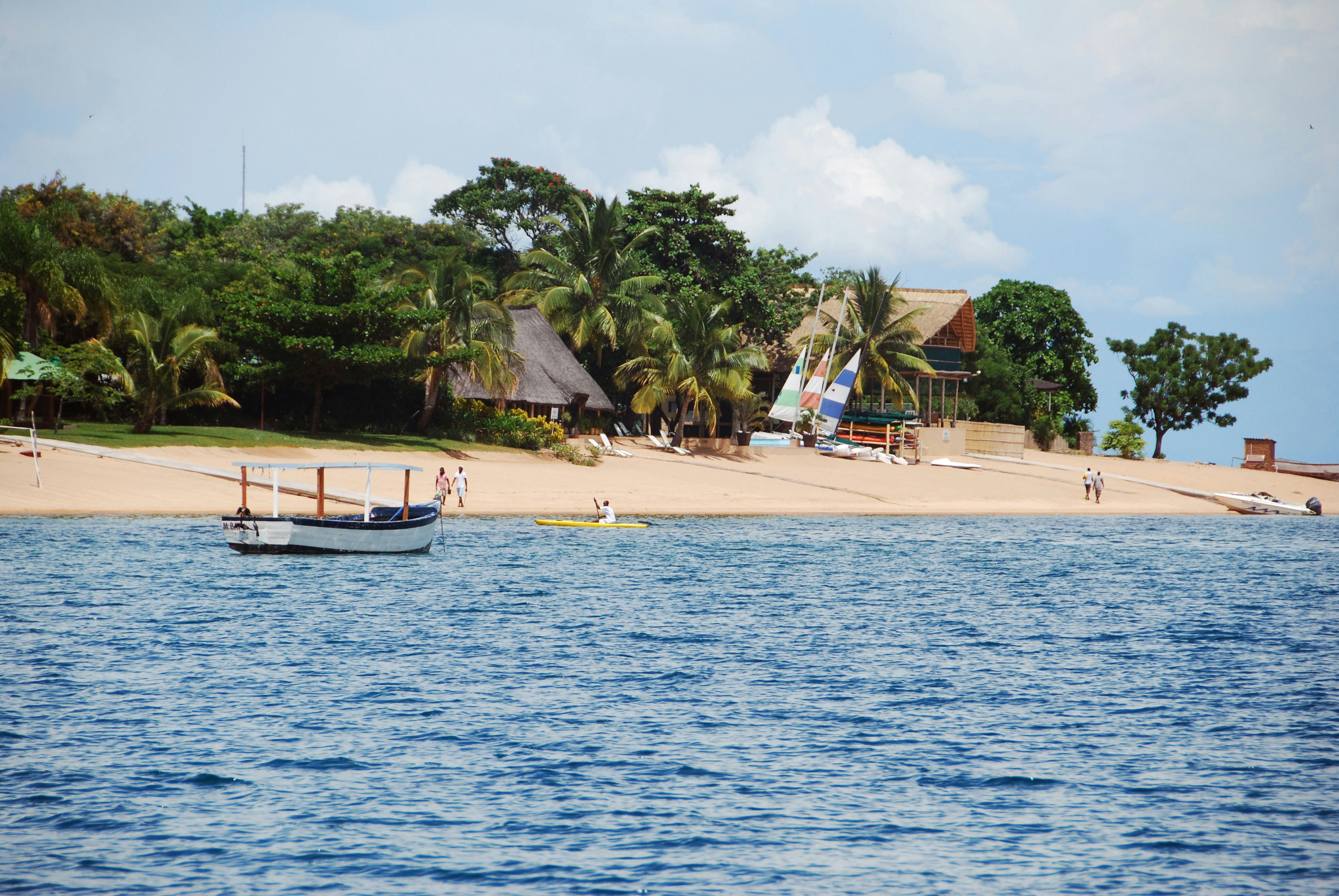
Your Malawi budget will stretch further if you match your destination choices to your travel style. Lake Malawi is ideal for mixing affordable guesthouses with one or two splurges, while cities like Lilongwe and Blantyre are better for practical overnight stays and shopping before moving on.
If you want the best value, build your route around places where transport is straightforward and food is easy to find. Coastal or lakeside areas often offer the widest choice of simple lodges, local eateries, and low-cost downtime, which helps keep daily spending predictable. For more remote parks or high-end lodges, expect to pay more for access, transfers, and the convenience of packaged experiences.
For travellers planning a bigger trip, the most useful approach is to set a daily ceiling before arrival and track it each evening. That way, you can save on routine days and still enjoy one standout meal, a boat trip, or a special lodge night without losing control of the whole budget. If you are mapping the trip on Malawi, pairing route planning with Hello’s budget tools can make the numbers much easier to manage.
Explore These Destinations
Stay Connected
Book this trip
Compare options on trusted travel sites
Plan flights for this trip
Continue to a reviewed booking partner to check current routes, fares, and terms.

Track your Malawi trip budget
Split expenses with friends, track spending by category, and see real-time currency conversions — all in one app.
Related Articles
Malawi Currency & Money Guide: Exchange, Cards, and Tips
Currency exchange, credit card acceptance, ATM tips, tipping culture, and money-saving advice for Malawi.
28 July 2026
Malawi Safety Guide: Tips for a Safe Trip
Safety tips, health advisories, emergency contacts, common scams, and travel insurance advice for Malawi.
19 July 2026
Malawi Visa & Entry Requirements for Singapore Passport Holders
Visa requirements, passport validity, customs allowances, and entry tips for Singapore citizens travelling to Malawi.
10 July 2026