Malawi Safety Guide: Tips for a Safe Trip
Safety tips, health advisories, emergency contacts, common scams, and travel insurance advice for Malawi.
By Hello Travel Team
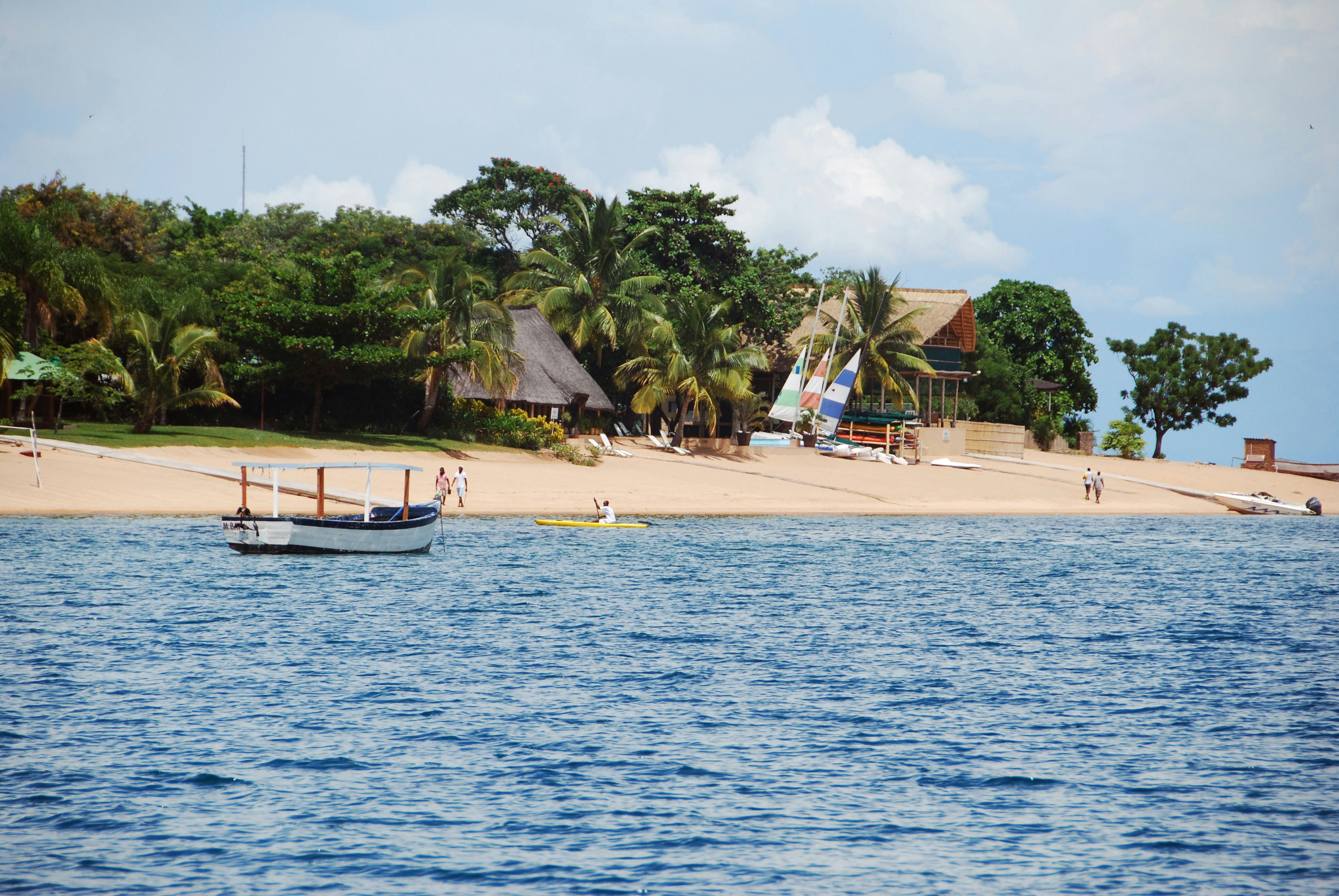
TL;DR: Is Malawi Safe for Travelers?
Malawi is generally safe and welcoming for most travelers, with moderate crime risks that are manageable if you stay aware, avoid walking at night, and take basic health precautions like malaria protection and safe water habits. A good travel insurance policy and reliable connectivity make trips smoother and safer.
Often called the “Warm Heart of Africa,” Malawi is viewed as one of the safer countries in the region, ranking 74th out of 163 on the 2024 Global Peace Index according to Malawi Tourism and global peace data. Most visits are trouble‑free when travelers keep valuables discreet and follow local advice on where to go after dark.
Health-wise, malaria is present across the country, and authorities like the CDC and Malawi Tourism recommend prophylactic medication plus strict mosquito protection (repellent, long sleeves, and bed nets). Urban medical facilities in Lilongwe and Blantyre are adequate for routine issues, but serious cases may require evacuation to South Africa—with insurance covering medical evacuation strongly advised.
To stay on top of Malawi travel safety, it helps to: register with your home country’s travel advisory service, save key emergency numbers (997 police, 998–4277 ambulance, 999 emergency), and use secure transport (registered taxis or trusted drivers). A Hello eSIM for Malawi lets you arrive connected, hail rides, access maps, and contact your accommodation or tour guides without relying on local SIM shops or public Wi‑Fi.
If you follow basic precautions on crime, health, and transport, Malawi is safe for solo travelers, small groups, and families looking for lake escapes, safaris, and cultural trips.
Overall Malawi Travel Safety: Crime, Protests, and Staying Street‑Smart
Malawi is moderately safe for visitors: crime and occasional civil unrest exist, but most travelers have incident‑free trips when they avoid walking at night, keep valuables out of sight, and stay clear of demonstrations or large crowds.
Recent advisories from the U.S. State Department and other governments classify Malawi as a Level 2 destination (exercise increased caution) due to crime and civil unrest, not because it’s a no‑go zone. Urban areas like Lilongwe and Blantyre see more petty theft, bag snatching, and occasional robberies, especially after dark or in crowded markets. Per OSAC and other security reports, economic pressures and limited police resources contribute to opportunistic crime, so situational awareness matters.
Typical safety tips for Malawi travel include:
- Avoid walking at night, even in groups; use taxis or pre‑arranged drivers.
- Keep phones and cameras close to your body; don’t display expensive jewellery.
- Split your cash between bags and hotel safe, and carry only what you need.
- Stay away from political rallies and protests, which can involve tear gas or road blockages.
- Follow hotel or lodge advice about local areas that are safe to explore on foot.
According to various safety scoring tools, Malawi sits around moderate risk (e.g., 42/100 in 2026), which is similar to other African destinations where basic precautions significantly reduce risk. Using a Hello eSIM for Malawi lets you navigate safely with maps, call your accommodation, or message guides if plans change, reducing the need to roam around looking for information.
When you treat Malawi like any big‑city destination—alert, respectful, and prepared—it generally feels relaxed and welcoming.
Health Advisories, Vaccinations, and Water Safety in Malawi
Malawi’s main health risks for travelers are malaria, water‑borne infections, and limited rural medical facilities, so advance vaccinations, mosquito protection, and careful water habits are key to a safe trip.
Malaria is present across Malawi, including around Lake Malawi and popular parks, and both the CDC and Malawi Tourism advise taking malaria prophylaxis (such as atovaquone/proguanil, doxycycline, or mefloquine) after consulting a travel clinic before departure. You should start some medications before arrival and continue after you leave, so plan at least a few weeks ahead.
Malawi Tourism also recommends being up to date on polio, tetanus, typhoid, and hepatitis A; yellow fever vaccination is only required if you’re arriving from a yellow‑fever zone. Schistosomiasis (bilharzia) is a risk when swimming in parts of Lake Malawi; the main beach hotel areas have lower risk, but anyone feeling unwell after freshwater swimming should mention bilharzia to their doctor, as it’s treatable once diagnosed.
Safe water habits matter:
- Drink bottled or filtered water; avoid tap water for drinking and brushing teeth.
- Use hand sanitizer when sinks aren’t available and wash hands before meals.
- Avoid ice in rural areas unless you trust the source.
Medical care is best in urban centers like Lilongwe and Blantyre; serious conditions may require evacuation to South Africa. Travel health authorities and foreign ministries strongly recommend insurance that covers medical evacuation, not just basic hospital care. Pack a small travel health kit with rehydration salts, pain relief, bandages, and your prescriptions; many items are available in city pharmacies but rare in remote lake or safari lodges.
With sensible precautions, most travelers stay healthy and can fully enjoy Malawi’s lakes, mountains, and wildlife.
Emergency Numbers, Singapore Embassy Access, and What to Do in a Crisis
Emergency support in Malawi is available but limited, so saving key numbers (police, ambulance, fire), knowing how to reach consular help, and having a clear personal plan is essential for peace of mind.
For emergencies, foreign travel advisories list several key numbers:
- Police: 997 (commonly cited; some sources also mention 997–999 depending on region).
- Ambulance / medical emergency: 998 or 4277 in some areas.
- General emergency: 999 is used in parts of Malawi, similar to other Commonwealth countries.
Because reliability can vary, hotels and lodges often have direct contacts for private ambulance services or nearby clinics—ask for these numbers at check‑in and keep them handy. In rural areas, reaching a hospital may involve lodge vehicles or 4x4 taxis.
Malawi does not host a Singapore embassy, so Singapore citizens normally rely on regional embassies. In southern Africa, Singapore maintains missions in major hubs such as Pretoria/Johannesburg; they can provide consular assistance (replacement travel documents, legal guidance, contact with family) even if you’re physically in Malawi. Always check the latest MFA guidance before departure and save the regional mission’s phone and email.
If you lose your passport, are a victim of crime, or face serious illness:
- Contact local police and get a report number.
- Inform your embassy or consular representative (for Singaporeans, the nearest regional mission or MFA duty officer).
- Call your travel insurer’s emergency line for medical evacuation or trip‑interruption assistance.
- Use your Hello eSIM to maintain data access, send documents, and call VoIP numbers even if local phone networks are congested.
Having printed and digital copies of your passport, visa, insurance policy, and emergency contacts makes dealing with crises significantly faster and less stressful.
Common Malawi Scams and How to Avoid Them (Plus a Safety vs Cost Table)
Malawi sees mostly low‑level, opportunistic scams targeting distracted visitors—knowing the patterns around taxis, money, and tours helps you avoid hassle and keep your trip smooth.
Common Malawi scams and annoyances include:
- Taxi fare inflation: Drivers quoting very high prices to new arrivals at airports or bus stations. Always ask your lodge or hotel for benchmark fares (e.g., airport to central Lilongwe might be in the range of US$15–25 in 2026) and agree the price before you get in.
- Currency confusion: Malawi kwacha can involve large numbers; some scammers exploit tired travelers by switching notes or "miscounting" when giving change. Count cash slowly and avoid changing money on the street.
- Fake guides or park helpers: At attractions or national park gates, unregistered individuals may offer "mandatory" guiding services or parking fees. Pay only at official ticket offices or through your lodge.
- Street charity or school donation stories: While many are genuine, some are fabricated; donate through reputable NGOs or local organizations recommended by your accommodation.
Here’s a quick safety vs convenience comparison for common logistics:
| Topic | Safer Option | Riskier Option |
|---|---|---|
| Airport transfers | Pre‑booked hotel car or trusted taxi with fixed price | Negotiating with touts outside arrivals |
| Money exchange | Bank or ATM in Lilongwe/Blantyre | Street changers offering "better" rates |
| Tours & safaris | Established operator or lodge‑arranged trip | Unregistered guide approaching you at the gate |
| Payments | Mix of cards plus some cash | Carrying large visible bundles of kwacha |
Cash is still king in much of Malawi, and ATMs can run dry outside major cities, so withdraw in towns and split cash across bags. Using Hello’s budget tracking and expense features makes it easier to log taxi fares and tour costs on the go, so you notice immediately if something seems off.
Solo Female, LGBTQ+ Travelers, and Cultural Respect in Malawi
Solo female and LGBTQ+ travelers can visit Malawi safely with extra awareness, focusing on conservative dress, avoiding nightlife alone, and keeping a low profile around topics that are sensitive under local law and custom.
Malawi is socially conservative, with strong church influence and traditional norms, especially outside cities. For solo female travelers, the main safety considerations are similar to other moderate‑risk destinations: petty crime, unwanted attention, and limited lighting after dark. Dress modestly (shoulders and knees covered in rural areas), avoid walking alone at night, and choose well‑reviewed guesthouses or lodges that offer secure rooms and help arranging trusted drivers.
Daytime travel on main routes, lake activities with reputable operators, and group safaris are generally comfortable for solo women. In towns, stick to busier streets, and consider sitting near other women or families on minibuses.
For LGBTQ+ travelers, legal and social attitudes are more restrictive than in many Western countries, and public displays of affection—of any kind—are best kept very discreet. While tourists are rarely targeted if they’re low‑key, it’s wise to:
- Avoid discussing sexual orientation in casual conversations unless you trust the audience.
- Book accommodation used to international guests (uplake resorts, established lodges, mid‑range hotels in Lilongwe/Blantyre).
- Keep social media geotagging limited if you’re concerned about privacy.
Respectful behavior is appreciated: greeting people with a handshake, asking before photographing anyone, and dressing modestly in markets or villages will make interactions smoother. Using a Hello eSIM lets solo travelers share live locations with friends or family, message drivers, and check lodge reviews before committing, adding a digital safety net to the warm local hospitality Malawi is known for.
Travel Insurance, Connectivity, and Budget Safety: Common Questions
Good travel insurance and reliable connectivity are among the most important safety tools in Malawi, helping you handle medical issues, evacuations, and everyday logistics like taxis and accommodation without stress.
Q: Do I really need travel insurance for Malawi?
Yes. Because malaria, road accidents, and limited rural medical facilities are real risks, foreign offices and Malawi Tourism strongly recommend comprehensive insurance that includes:
- Medical treatment costs in Malawi.
- Emergency medical evacuation to South Africa or your home country.
- Trip interruption or cancellation (protests, illness, family emergencies).
- Coverage for theft or loss of valuables like cameras and laptops.
Evacuation flights can cost several thousand U.S. dollars; a good policy for a two‑week trip might be in the range of US$60–150 in 2026, depending on age and coverage level.
Q: How can I stay safely connected in Malawi?
Mobile data is crucial for navigation, translation, and emergency calls. Hello’s eSIM plans for Malawi let you buy and activate before you fly, so you land with data already working—no queueing in airport SIM shops or hunting for Wi‑Fi. Once connected, you can use maps, ride‑hailing where available, VoIP calls, and messaging apps to contact lodges or emergency services. For data‑focused trips, you can check Hello eSIM for Malawi for live plan prices and data bundles.
Q: How do I keep my budget and cash safe?
Malawi is relatively affordable—meals at local restaurants can cost US$5–10 in 2026, mid‑range tourist spots US$15–25. Cash is essential in rural areas, but you should avoid carrying large visible amounts. Hello’s expense tracking (AI receipt scanning, multi‑currency budgets) helps you spot unusual charges and keep daily spend within plan.
Q: Is Malawi safe for families?
Yes, with planning. Choose family‑friendly lodges, avoid night travel, use life jackets for lake activities, and ensure kids are protected from mosquitoes and sun. Most family trips are positive when health and transport are well managed.
Explore These Destinations
Stay Connected
Ready for Malawi?
eSIM data, expense splitting, budget tracking, and more. Everything you need for a smooth trip in one app.
Related Articles
Malawi Currency & Money Guide: Exchange, Cards, and Tips
Currency exchange, credit card acceptance, ATM tips, tipping culture, and money-saving advice for Malawi.
28 July 2026
Malawi Visa & Entry Requirements for Singapore Passport Holders
Visa requirements, passport validity, customs allowances, and entry tips for Singapore citizens travelling to Malawi.
10 July 2026
eSIM for Malawi: Best Plans, Coverage, and Setup Tips
Everything you need to know about using eSIM in Malawi. Best data plans, network coverage, and setup instructions.
1 July 2026