3 Days in Malawi: A Day-by-Day Itinerary
A detailed 3-day itinerary for Malawi with daily activities, costs, neighborhoods, and transport tips.
By Hello Travel Team
This article contains affiliate links. If you book through them, Hello may earn a commission at no additional cost to you. Our editorial recommendations are independent. Learn more.
- 1
Arrival & First Explorations in Lilongwe
- MorningAirport transfer from Kamuzu International Airport to City Centre~$20
- MorningCheck-in at guesthouse or hotel in City Centre/Area 10~$40
- AfternoonExplore Lilongwe Old Town and main market~$5
- AfternoonCoffee or soft drink in a local café~$4
- EveningDinner with local dishes (nsima, chambo) at a restaurant~$12
City CentreOld TownArea 10Take an airport taxi (~$15–25 in 2026) or shared minibus (~$5–8) to City Centre; use local taxis ($3–8 per ride) to move between Old Town and your hotel.
Budget$50Mid-range$120Luxury$250 - 2
Wildlife & Culture in Lilongwe
- MorningTaxi to Lilongwe Wildlife Centre~$6
- MorningGuided visit at Lilongwe Wildlife Centre~$15
- AfternoonLunch at café or restaurant in City Centre~$12
- AfternoonVisit National Museum or cultural centre~$5
- EveningSundowner drinks at a rooftop bar~$10
- EveningDinner at mid-range restaurant~$18
City CentreArea 10Area 47Use registered taxis between your hotel, Wildlife Centre, and museums (~$4–8 per trip). Walking is possible around City Centre in daylight; log taxi fares and shared rides in the Hello app.
Budget$60Mid-range$140Luxury$280 - 3
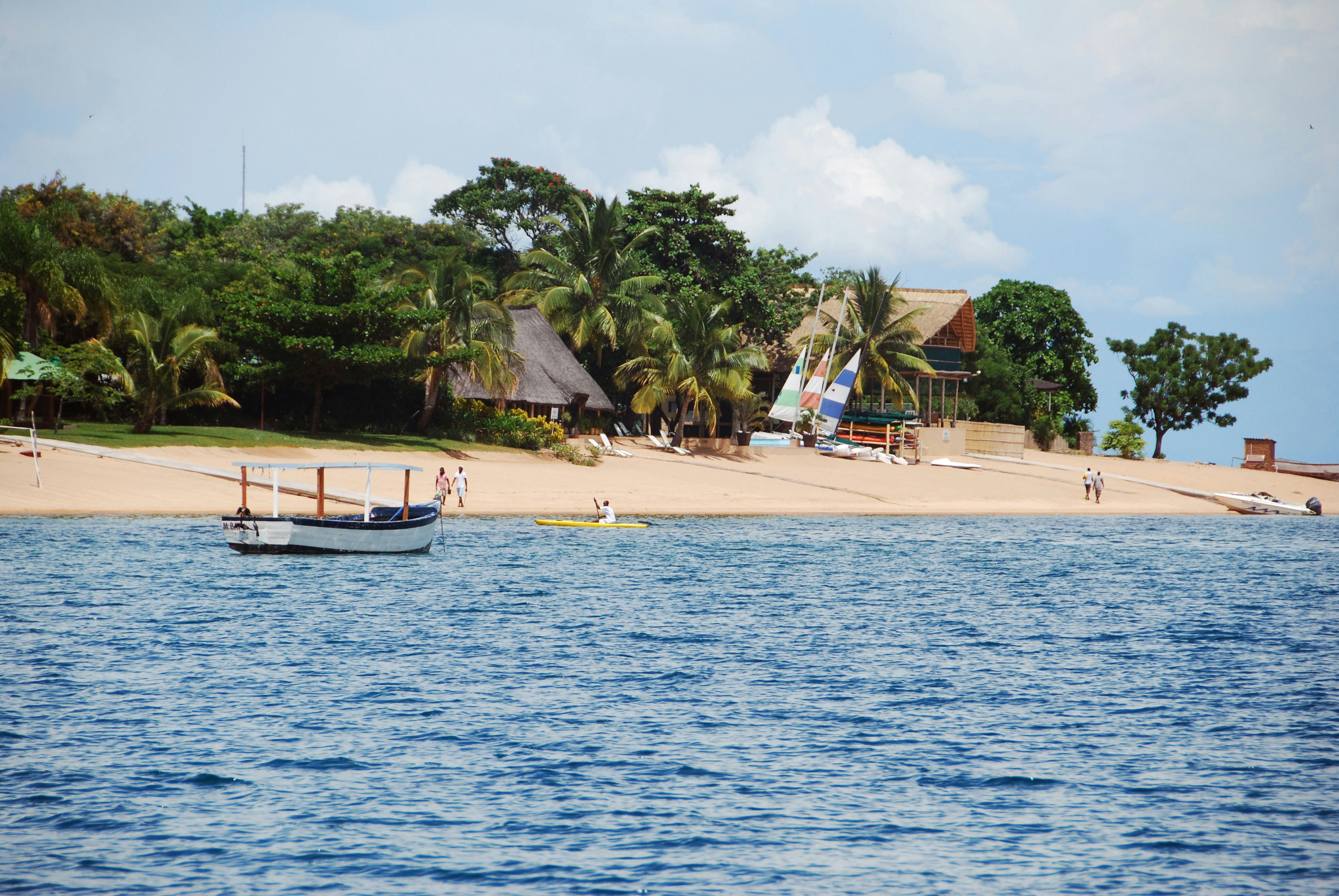
Lake Malawi Day Trip (Senga Bay from Lilongwe)
- MorningPrivate taxi/driver from Lilongwe to Senga Bay (return)~$100
- AfternoonLake Malawi beach access / lodge day pass~$8
- AfternoonBoat ride with local fishermen~$15
- AfternoonLunch at lakeside restaurant~$14
- EveningSimple dinner back in Lilongwe~$10
Lilongwe City CentreSenga Bay (Salima)Arrange a private driver or taxi for the return trip to Lake Malawi (Senga Bay) from Lilongwe (~$80–120 in 2026). Leave early to avoid driving after dark; stay connected with navigation using a Hello eSIM.
Budget$70Mid-range$150Luxury$270
Trip Summary
Trip starter
Turn this 3-day itinerary into a Hello trip
Start with a prefilled trip for Malawi, then add dates, invite friends, track expenses, and pick an eSIM before you land.
Name and destination carried into the app.
Split costs and settle up during the trip.
Choose data for the destination before departure.
TL;DR: 3-Day Malawi Itinerary & Budget Snapshot
A 3-day Malawi itinerary is best spent between Lilongwe’s city highlights and a day trip to Lake Malawi, with total costs ranging roughly from $150 (budget) to $800 (luxury) in 2026, including meals, transport, and activities, tracked easily in the Hello app.
If you only have three days in Malawi, focus on Lilongwe for culture and food, plus one full day out at Lake Malawi for beaches and boats. This Malawi 3 day itinerary balances city exploration, markets, wildlife, and lakeside relaxation while keeping logistics simple.
Expect daily costs in 2026 of about $50–70 on a tight budget, $120–150 mid-range, and $250+ for luxury, depending on lodging, transport, and activity choices. You can log every kwacha with Hello’s budget tracking and expense splitting, which is especially handy if you’re sharing taxis or lodge costs with friends.
Here’s a quick comparison of typical daily spend in 2026:
| Tier | Daily budget (USD) | Accommodation | Meals | Activities/Transport |
|---|---|---|---|---|
| Budget | $50–70 | Hostel/guesthouse | Street food/local cafés | Minibus/shared taxi |
| Mid-range | $120–150 | Boutique hotel | Sit-down restaurants | Private taxis/park entry |
| Luxury | $250–300+ | Upscale lodge | Fine dining | Guided tours, private drivers |
Use this Malawi travel plan as a flexible framework: book accommodation in Lilongwe, plan one lake day, and keep an eye on your spending with Hello’s AI-powered expense tools.
Day 1 Malawi Itinerary: Arrival in Lilongwe & Old Town Markets
Day 1 in Malawi is best spent settling into Lilongwe, exploring the Old Town markets, and sampling Malawian cuisine, with most travellers spending $50–150 in 2026 depending on hotel choice, local transport, and how many restaurant meals they add.
Morning: Arrival & airport transfer
Most international travellers arrive via Lilongwe’s Kamuzu International Airport, which handled over 300,000 passengers in 2023 according to Malawi’s Department of Civil Aviation. A taxi from the airport to central Lilongwe typically costs $15–25 in 2026, depending on negotiation. Shared minibuses are cheaper (around $5–8), but less comfortable if you’re carrying luggage.
Check into your accommodation in City Centre, Area 10, or Area 47—these neighborhoods are popular with visitors for safety and access to restaurants. Budget guesthouses can be found from $20–30 per night in 2026, while mid-range hotels usually start around $70–100.
Afternoon: Old Town & main market
Head to Lilongwe Old Town to wander the main market and craft stalls. It’s a great first immersion into Malawian daily life—expect vibrant fruit stands, second-hand clothes, and local crafts. Set aside $5–10 for market snacks and small souvenirs. Dress modestly, greet people with a friendly “Moni”, and always ask before taking photos.
Evening: First Malawian meal
For dinner, look for local staples like nsima (maize porridge) with chicken stew or chambo (tilapia). A local restaurant meal usually costs $6–12 in 2026, while a more upscale restaurant in City Centre might be $15–25 per person.
To keep your first-day spending under control, log taxi fares and meals in the Hello app, using AI receipt scanning or quick voice entries. If you’re travelling with friends, Hello’s expense splitting makes it easy to keep track of who paid for which taxi or dinner.
Day 2 Malawi 3 Day Itinerary: Lilongwe Wildlife, Culture & Cafés
Day 2 in Lilongwe combines wildlife viewing, cultural stops, and café time, with typical 2026 costs of $60–80 for budget travellers and $140–180 for mid-range, including park entry, taxis, and meals.
Morning: Lilongwe Wildlife Centre
Start at the Lilongwe Wildlife Centre, Malawi’s only accredited wildlife sanctuary, which reports caring for over 200 rescued animals each year, including baboons and vervet monkeys. Entry fees for international visitors are generally $10–15 in 2026, with guided tours slightly more. It’s a relaxed way to see wildlife ethically while learning about conservation.
Getting there from City Centre or Old Town by taxi typically costs $4–8 each way. If you’re keeping to a strict Malawi travel plan budget, consider sharing taxis and recording split costs in Hello so everyone pays their fair share.
Afternoon: Museums & city wander
After lunch (expect $8–15 for a café meal with a drink in 2026), visit the National Museum of Malawi or cultural centre spaces when open, to understand the country’s history and traditional arts. Entry is usually a few dollars. Use the afternoon for a gentle city walk through City Centre and nearby neighborhoods, keeping an eye on landmarks like the Parliament building and church spires.
Evening: Sundowners & dinner
Lilongwe has a growing bar and café scene. Aim for a rooftop bar or popular restaurant for sundowners; a beer costs around $2–3, and a cocktail $4–8 in 2026. Dinner at a mid-range venue runs $12–20 per person, especially if you add dessert or imported drinks.
By the end of Day 2, your Malawi trip planner should show clearly what you’re spending. Hello’s multi-currency tracking with automatic exchange rates is useful if you’re converting from US dollars or euros to Malawian kwacha.
Day 3 Malawi Travel Plan: Day Trip to Lake Malawi from Lilongwe
The ideal third day in Malawi is a Lake Malawi day trip from Lilongwe, with 2026 costs running $60–90 on a tight budget and $150–250 for mid-range, depending on transport type and lakeside activities.
Morning: Drive to Lake Malawi (Salima/Senga Bay)
Most visitors head to Senga Bay near Salima, one of the most accessible Lake Malawi spots from Lilongwe. The Malawi Tourism sector reports Lake Malawi as a major draw, with the country welcoming around 1 million international and regional visitors annually in pre-2020 years, many focused on the lake’s beaches and water sports. In 2026, a private taxi or driver for a return day trip typically costs $80–120, while shared transport or minibus options can be $15–25 per person.
The drive takes about 1.5–2 hours each way, so plan an early departure (around 7:00–8:00am) to maximize lake time.
Afternoon: Beach, boat trips & lunch
At Senga Bay, spend the afternoon swimming, walking the sand, or joining local fishermen for a short boat ride (often $10–20 per person depending on duration). Many lakeside lodges offer day passes with pool and beach access, roughly $5–10 in 2026.
Lunch at a lakeside restaurant featuring grilled fish and local sides will run $8–15 on average. Remember that Malawian hospitality is relaxed—service can be slow, so factor this into your Malawi itinerary timing.
Evening: Return to Lilongwe
Leave Senga Bay around 4:00–5:00pm to avoid driving in the dark. Back in Lilongwe, enjoy a simple dinner near your hotel ($6–12) or re-visit a favorite restaurant.
Track your fuel, driver fees, and shared boat costs in Hello’s trip planning and expense tools. If you’re using a Hello eSIM for Malawi (Malawi eSIM), staying connected on the road makes it easier to coordinate with drivers and check lake weather.
Practical Malawi Trip Planner: Transport, Connectivity & Daily Budgets
A practical Malawi trip planner should budget $15–25 per day for local transport, $15–30 for meals, and rely on Hello eSIM and the Hello app for navigation, expense tracking, and easy coordination in 2026.
Transport basics in Lilongwe
Within Lilongwe, you’ll mainly use:
- Taxis: Common for visitors, usually $3–8 per ride within the city in 2026, depending on distance and bargaining.
- Minibuses: Cheaper but crowded and harder to navigate if you’re new; expect $0.50–1.50 per trip.
- Walking: Practical in concentrated areas like Old Town or City Centre, but many neighborhoods are spread out.
For intercity travel, buses and private drivers connect Lilongwe with Blantyre, Mzuzu, and lake destinations. Fuel prices have fluctuated since 2022, so private car hire rates can change quickly; using Hello’s budget tracking lets you adjust when prices shift.
Connectivity & staying online
Mobile coverage around Lilongwe and major lake areas is generally good, but data speeds vary. Getting an eSIM from Hello before you land in Malawi means you arrive connected, can order taxis, load maps, and message guesthouses without hunting for SIM kiosks. Hello’s eSIM plans, starting from 5GB with live-updated pricing, activate instantly and support over 200 countries, useful if Malawi is part of a broader trip through the region.
Daily budget ranges in 2026
- Budget: $50–70 per day (guesthouse, local food, basic lake visit).
- Mid-range: $120–150 per day (decent hotel, taxis, wildlife centre, lake day tour).
- Luxury: $250–300+ per day (high-end lodges, private driver, guided activities).
Hello’s AI-powered categorization and bank statement import help you see where your Malawi travel plan budget is going—transport, food, activities, or souvenirs.
Where to Stay & Eat in Lilongwe: Neighborhoods, Prices & Customs
The best areas to stay in Lilongwe for a 3-day Malawi itinerary are City Centre, Area 10, and Area 47, with 2026 nightly rates ranging from $20–30 for budget guesthouses to $150+ for upscale hotels and lodges.
Key neighborhoods for visitors
- City Centre: Convenient for business travellers and first-time visitors; you’ll find banks, offices, and some hotels. Nightly rates are typically $70–120 for mid-range properties in 2026.
- Area 10 & Area 12: Popular residential areas with embassies and upscale homes; boutique guesthouses and lodges range from $50–150 per night.
- Area 47 & surroundings: Growing mix of residential and commercial spaces, with cafés and restaurants nearby.
Food & drink expectations
Malawian cuisine is hearty and centered on nsima, served with meat, fish, or vegetable relishes. Street food and small local restaurants can keep costs as low as $3–6 per meal in 2026, while sit-down restaurants targeting visitors are more like $10–20 per person.
Tap water may not always be potable for visitors—many travellers rely on bottled water, which usually costs around $0.50–1 per litre.
Local customs & tipping
Malawians are often referred to as living in the “Warm Heart of Africa,” and a polite greeting—the English “hello” or Chichewa “Moni”—is appreciated. Casual dress is fine, but avoid overly revealing clothes in markets or rural areas.
Tipping isn’t mandatory but is welcomed: 5–10% in restaurants is common among international visitors, and leaving small tips for drivers or guides is a nice gesture.
Logging meal and accommodation costs in the Hello app each day helps you stay aligned with your Malawi travel plan and avoid last-minute budget surprises.
Common Questions About Planning a 3-Day Malawi Itinerary
In three days, most travellers should focus on Lilongwe plus a Lake Malawi day trip, with a total budget of $150–800 depending on whether you choose budget, mid-range, or luxury options and how many activities you include.
Q: Is 3 days enough for Malawi?
A: Three days is short but workable. You’ll get a taste of the capital’s markets and cafés, visit the Lilongwe Wildlife Centre, and enjoy a day at Lake Malawi. If you’re keen on national parks like Liwonde or Nyika, you’ll need more time.
Q: How much does a 3-day Malawi itinerary cost in 2026?
A: For most travellers:
- Budget: around $150 total (simple guesthouses, shared transport, basic lake visit).
- Mid-range: $300–400 total (nicer hotels, taxis, wildlife centre, lake day).
- Luxury: $700–800+ total (upscale lodges, private driver, guided tours).
Actual costs depend on your lodging choices and activities.
Q: Is Lilongwe safe for tourists?
A: Lilongwe is generally calm, but you should follow standard city precautions: avoid walking alone late at night, keep valuables out of sight, and use registered taxis. Many visitors report feeling comfortable in City Centre and residential areas like Area 10.
Q: Do I need cash or can I pay by card?
A: You’ll want a mix. Larger hotels and some restaurants accept cards, but markets, small cafés, and taxis are mostly cash-based. ATMs are available in the city centre and malls.
Q: How do I stay connected?
A: The easiest option is a Hello eSIM for Malawi purchased before you travel via Malawi or directly through Hello. You arrive online, can navigate with maps, and let the Hello app track and split trip expenses automatically in Malawian kwacha and your home currency.
Explore These Destinations
Stay Connected
Make the most of Malawi
From eSIM connectivity to expense tracking, Hello is the all-in-one companion that keeps your trip stress-free.
Related Articles
Malawi Currency & Money Guide: Exchange, Cards, and Tips
Currency exchange, credit card acceptance, ATM tips, tipping culture, and money-saving advice for Malawi.
28 July 2026
Malawi Safety Guide: Tips for a Safe Trip
Safety tips, health advisories, emergency contacts, common scams, and travel insurance advice for Malawi.
19 July 2026
Malawi Visa & Entry Requirements for Singapore Passport Holders
Visa requirements, passport validity, customs allowances, and entry tips for Singapore citizens travelling to Malawi.
10 July 2026