Key Takeaways
- ✓Denmark in 2026 is safe, well‑organized, and ideal for first‑time and experienced travellers alike.
- ✓Budget roughly €80–100 per day for budget travel, with higher costs in peak summer months.
- ✓Copenhagen works well for 3–5 day trips; 10 days lets you explore multiple cities and regions.
- ✓Denmark follows Schengen entry rules; always confirm your specific visa requirements before travel.
- ✓Public transport and cycling make getting around easy without needing a car.
- ✓Food ranges from traditional smørrebrød to world‑class modern Nordic cuisine, with prices on the higher European side.
- ✓Hello eSIM offers instant, hassle‑free mobile data in Denmark plus handy budget and expense tracking tools.
- ✓Use this pillar guide as your planning hub, then dive into focused cluster articles for detailed, topic‑specific advice.
Denmark is where cosy cafés meet cutting‑edge design, Viking history meets bike‑friendly cities, and world‑class restaurants sit beside harbourfront street food markets. This 2026 Denmark travel guide is your all‑in‑one hub: budget, visas, transport, food, connectivity, itineraries, and practical tips in one place.
Think of this as your Denmark trip planner, whether you’re backpacking on a tight budget, planning a romantic long weekend, or designing a 10‑day Nordic escape that pairs Denmark with nearby destinations like Sweden or Norway. You’ll find high‑level decision frameworks—when to go, how much to budget, which cities to prioritise—plus links to detailed deep‑dive articles for each topic.
We’ll walk you through the best time to visit, how much a trip costs in 2026, visa and entry requirements, how to get around, what to eat, where to go, and how to stay connected with Hello eSIM. You’ll also get comparison tables, a before‑you‑go checklist, and FAQs that answer the most common questions Singapore and international travellers ask when planning a trip to Denmark.
Use this pillar guide as your starting point, then jump into itineraries like 3 Days in Denmark: A Day‑by‑Day Itinerary, Denmark in 5 Days: The Perfect Extended Itinerary, and Denmark in 10 Days: The Ultimate Travel Itinerary to build a trip that fits your style and budget.
Why Visit Denmark in 2026
Denmark in 2026 is a sweet spot of safety, design, food, and ease of travel—ideal for first‑time Europe visitors and seasoned travellers looking for a relaxed, well‑organized trip with great transport, modern infrastructure, and a strong café and culinary culture.
Denmark continually ranks among the world’s happiest countries, and you feel it in everyday life: car‑free streets, clean harbours you can swim in, and the concept of hygge—that cosy, slow‑life feeling—woven into everything from candlelit bars to seaside saunas. Copenhagen alone can fill several days, but Denmark also offers charming smaller cities like Aarhus and Odense, island escapes, and Viking‑era history.
Compared with busier destinations like France or Italy, Denmark feels calmer and more manageable, especially for families and solo travellers. English is widely spoken, tap water is safe to drink, and contactless payments are the norm. As of 2026, Denmark is part of the Schengen Area, making it easy to pair with neighbouring countries such as Germany or Sweden on the same trip.
If you’re unsure how many days to spend, start with the itineraries: a quick city break in 3 Days in Denmark: A Day‑by‑Day Itinerary, a richer taste of the country in Denmark in 5 Days: The Perfect Extended Itinerary, or a deep dive covering multiple cities in Denmark in 10 Days: The Ultimate Travel Itinerary.
Use this pillar guide as your planning hub, then jump into topic‑specific guides like Denmark Cultural Guide: Etiquette, Customs, and Tips and Denmark Safety Guide: Tips for a Safe Trip to answer detailed questions about culture and safety as you refine your plans.
Best Time to Visit Denmark: Seasons & Weather
The best time to visit Denmark depends on your priorities: May–September for mild weather and long days, December for Christmas markets and cosy winter vibes, and shoulder months (April, October) for fewer crowds and lower prices.
As of 2026, Denmark’s climate is temperate with cool winters and mild summers. Expect changeable weather year‑round, so packing layers and a waterproof jacket is smart regardless of season. Summer (June–August) brings average highs around 20–22°C in Copenhagen, with late sunsets and plenty of outdoor events. Winter (December–February) is cold, often hovering around 0–5°C, but this is the time for Christmas markets, festive lights, and indoor hygge.
Here’s an at‑a‑glance seasonal comparison to help you decide:
| Season (Approx.) | Weather & Daylight | Crowds & Prices | Best For |
|---|---|---|---|
| Spring (Apr–May) | 8–16°C, days getting longer | Moderate, shoulder | City breaks, cycling, early blooms |
| Summer (Jun–Aug) | 18–22°C, long days, outdoor friendly | Busiest, highest prices | First‑time visits, families, festivals |
| Autumn (Sep–Oct) | 10–17°C, cooler, colourful foliage | Moderate, some deals | Food trips, museum‑hopping, fewer crowds |
| Winter (Nov–Feb) | 0–6°C, short days, possible snow | Quiet, good deals | Christmas markets, saunas, cosy café hopping |
For short trips like in 3 Days in Denmark: A Day‑by‑Day Itinerary, aim for late spring or early autumn for a balance of comfort and crowd levels. Longer trips such as Denmark in 10 Days: The Ultimate Travel Itinerary work well in summer if you plan coastal stops and island time.
Weather affects budget, too: summer accommodation and flights are typically highest, while winter and shoulder seasons often see better deals. Keep this in mind alongside our cost breakdowns in the Denmark Travel Budget Guide: Daily Costs and Money Tips when deciding when to go.
Denmark Budget Overview: How Much to Plan For in 2026
As of 2026, Denmark is a relatively high‑cost destination, but with smart planning you can tailor a daily budget from roughly €80–100 for budget travel up to €250+ for luxury, depending on season, accommodation, and dining style.
Denmark uses the Danish krone (DKK), but many travellers plan in euros or local currency equivalents. The Denmark Travel Budget Guide: Daily Costs and Money Tips breaks down realistic daily costs for budget, mid‑range, and luxury travellers, while the Denmark Currency & Money Guide: Exchange, Cards, and Tips explains how to pay, withdraw, and save.
Here’s a simplified daily budget comparison per person (2026 estimates, excluding flights):
| Travel Style | Daily Budget (Approx.) | Accommodation | Food & Drink | Transport & Activities |
|---|---|---|---|---|
| Budget | €80–100 / 600–750 DKK | Hostel, budget hotel | Street food, supermarket, casual | Public transport, free/low‑cost sights |
| Mid‑range | €130–180 / 970–1,350 DKK | Standard hotel, Airbnb | Mix of cafés, mid‑range restaurants | City transport + a paid museum/experience |
| Luxury | €230+ / 1,700+ DKK | Boutique or 4–5* hotel | Fine dining, craft cocktails | Taxis, day trips, premium experiences |
To keep costs down, consider travelling outside peak summer, using bikes and public transport, and mixing restaurant meals with supermarket or food hall options. Cash is less common; by 2026, contactless card and mobile payments are widely accepted, covered in the Denmark Currency & Money Guide: Exchange, Cards, and Tips.
For multi‑city trips like those in Denmark in 5 Days: The Perfect Extended Itinerary or Denmark in 10 Days: The Ultimate Travel Itinerary, factor in inter‑city train costs and occasional splurges (like New Nordic restaurants) into your overall budget.
Visa & Entry Requirements: 2026 Snapshot
In 2026, Denmark is part of the Schengen Area: many travellers enjoy short‑stay visa‑free entry, while others must apply for a Schengen visa. Always check your passport’s specific rules before you book.
For Singapore passport holders, the Denmark Visa & Entry Requirements for Singapore Passport Holders provides detailed, up‑to‑date information: how long you can stay visa‑free, passport validity requirements, and customs allowances. As of 2026, Singaporeans typically enjoy short‑term visa‑free access for tourism, but you must ensure at least six months of passport validity and check any new digital entry systems when they roll out.
For other nationalities, the core principles are similar: Denmark follows Schengen rules on maximum stay (usually 90 days in any 180‑day period for short‑term tourism), onward/return ticket expectations, and proof of funds or accommodation. Always verify with official Danish or EU sources and your local embassy before travelling, as regulations can change.
Here’s a simple decision framework to start:
- If your passport is from a Schengen or EU country: generally no short‑stay visa; travel with a valid passport/ID.
- If your passport is on the Schengen visa‑exempt list (e.g., Singapore, many others): visa‑free short stay, but entry conditions apply.
- If your passport typically requires a Schengen visa: apply in advance, preparing accommodation, insurance, and financial proof.
Regardless of nationality, keep digital and printed copies of your bookings, travel insurance, and Hello eSIM confirmation handy. Immigration officers rarely ask for everything, but having them organized makes entry smoother.
For Singapore travellers, start with Denmark Visa & Entry Requirements for Singapore Passport Holders, then layer in broader safety and insurance advice from the Denmark Safety Guide: Tips for a Safe Trip.
Getting Around Denmark: Transport Made Easy
Getting around Denmark in 2026 is refreshingly straightforward: expect efficient trains, integrated city transport, excellent cycling infrastructure, and walkable city centres that make exploring without a car both feasible and enjoyable.
The Getting Around Denmark: Transport Guide for Travellers dives into the details: airport transfers from Copenhagen Airport, how to use local buses and metro, ride‑hailing options, and inter‑city travel by train or coach. For most travellers, especially on short trips like 3 Days in Denmark: A Day‑by‑Day Itinerary, you won’t need to drive.
Copenhagen and other major cities have integrated ticketing systems, with contactless card payments or transport cards for metro, buses, and trains. Cycling is a highlight: many visitors rent bikes to move like locals, using dedicated bike lanes and traffic lights designed for cyclists.
For inter‑city travel, trains are comfortable, punctual, and well‑connected, making it easy to follow routes like those in Denmark in 5 Days: The Perfect Extended Itinerary or Denmark in 10 Days: The Ultimate Travel Itinerary. Driving can be useful if you’re exploring rural areas or multiple islands, but remember parking costs and city restrictions.
Think about your transport strategy alongside budget: public transport and bikes keep costs manageable, while taxis and car rentals significantly increase expenses. The Denmark Travel Budget Guide: Daily Costs and Money Tips helps you plug typical transport costs into your daily budget.
Use the transport guide as your practical manual, and this section as your big‑picture decision helper: in cities, default to walking, metro, and bikes; for cross‑country travel, prioritize trains, and only add a car if your itinerary truly requires it.
Getting Around Denmark: Transport Guide for Travellers
Itineraries3 Days in Denmark: A Day-by-Day Itinerary
ItinerariesDenmark in 5 Days: The Perfect Extended Itinerary
ItinerariesDenmark in 10 Days: The Ultimate Travel Itinerary
Budget PlanningDenmark Travel Budget Guide: Daily Costs and Money Tips
Food & Dining: What and Where to Eat in Denmark
Denmark’s food scene in 2026 is a mix of traditional comfort dishes, modern Nordic cuisine, and accessible street food, making it easy to eat well whether you’re splurging on tasting menus or travelling on a budget.
The Denmark Food Guide: Must-Try Dishes, Prices, and Tips is your deep‑dive into local specialties: open‑faced sandwiches (smørrebrød), hearty meat and fish dishes, pastries like kanelsnegle, and the vibrant food markets where stalls serve everything from Danish classics to global street food. As of 2026, Copenhagen remains a major foodie destination, home to world‑renowned restaurants and casual eateries alike.
Here’s a simple way to think about food planning by trip style:
- Short city breaks (3–5 days): mix bakery breakfasts, casual lunches, and 1–2 special dinners.
- Longer trips (7–10 days): include a food market day, a fine‑dining or New Nordic experience, and regional specialties in other cities.
- Budget trips: use supermarkets and food halls for some meals, saving restaurant visits for key experiences.
Expect café meals to be noticeably pricier than in destinations like Thailand or Vietnam, but comparable to or slightly above other Nordic countries. The food guide outlines typical prices by meal type, so you can plug realistic numbers into the Denmark Travel Budget Guide: Daily Costs and Money Tips.
The guide also covers dietary needs—vegetarian, vegan, halal, gluten‑free—and food safety tips, which are straightforward thanks to Denmark’s high hygiene standards. Use this pillar guide to understand how food fits into your budget and experience, then use the Denmark Food Guide: Must-Try Dishes, Prices, and Tips to build your must‑eat list day by day.
Top Experiences & Suggested Denmark Itineraries
Denmark’s top experiences in 2026 range from cycling along colourful harbours to exploring Viking history and indulging in modern Nordic cuisine; how many you fit in depends on whether you have 3, 5, or 10 days.
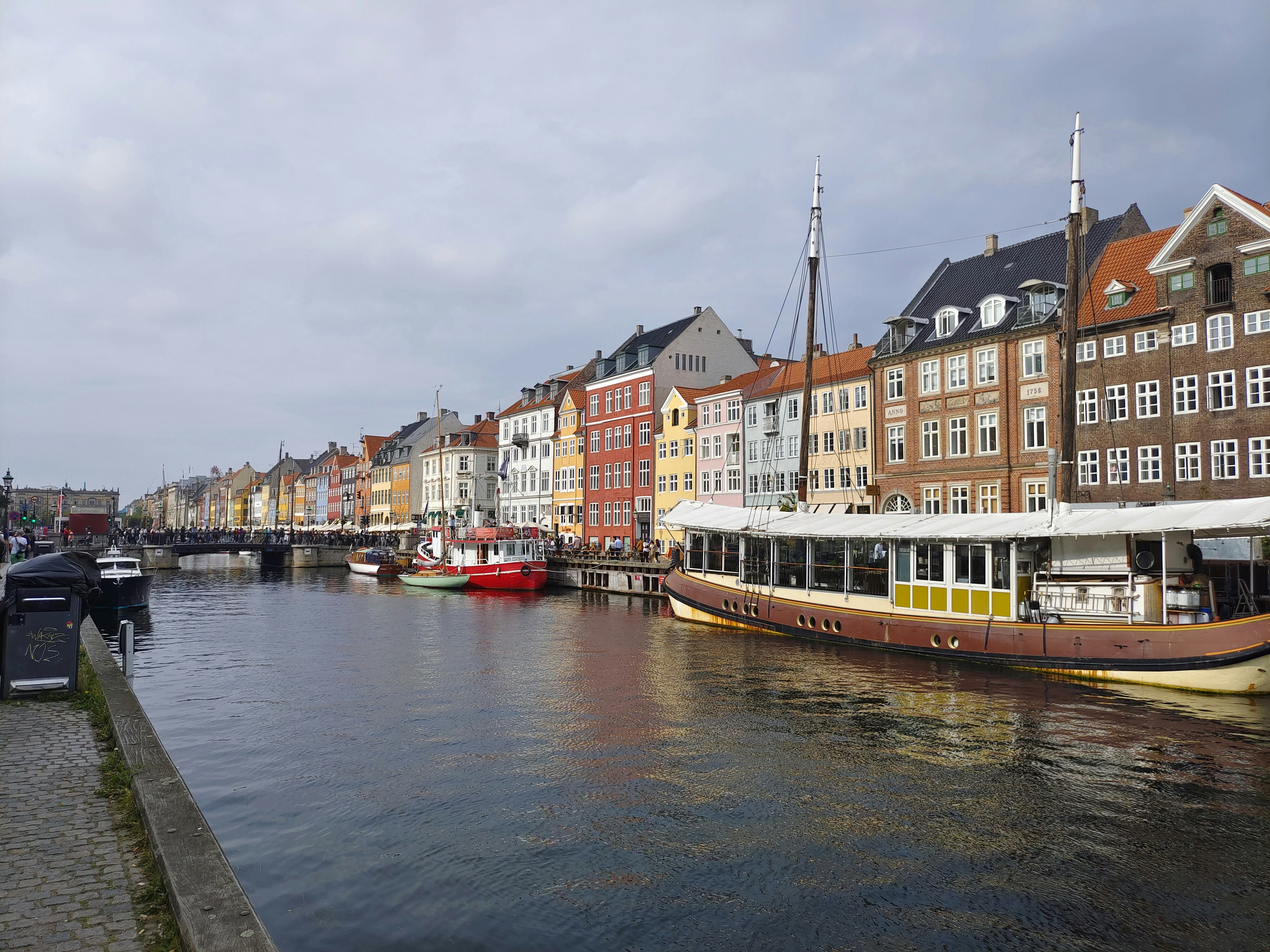
For quick trips, 3 Days in Denmark: A Day-by-Day Itinerary focuses on Copenhagen’s highlights: Nyhavn, Tivoli Gardens, museums, food halls, and neighbourhoods like Nørrebro. The Denmark in 5 Days: The Perfect Extended Itinerary typically expands to nearby castles, coastal towns, or a second city, while Denmark in 10 Days: The Ultimate Travel Itinerary lets you venture further into Jutland, Aarhus, Odense, and island escapes.
Think of experiences in three categories:
- Urban & cultural: museums, design shops, cafés, food markets, nightlife.
- History & heritage: castles, Viking sites, historic districts, royal landmarks.
- Nature & coastal: beaches, island day trips, harbour swims, parks.
Here’s a quick decision table to match trip length with focus:
| Trip Length | Main Base(s) | Focus Mix (Urban / History / Nature) | Ideal Traveller Type |
|---|---|---|---|
| 3 days | Copenhagen | 60% urban, 25% history, 15% nature | First‑time visitor, city break |
| 5 days | Copenhagen + 1 area | 50% urban, 30% history, 20% nature/coastal | Couples, friends, culture lovers |
| 10 days | Multiple cities | 40% urban, 30% history, 30% nature/islands | Slow travellers, families, explorers |
Use the itineraries to anchor your days, then layer in food experiences via the Denmark Food Guide: Must-Try Dishes, Prices, and Tips and cultural nuance via the Denmark Cultural Guide: Etiquette, Customs, and Tips. This pillar guide helps you choose trip length and style; the cluster itineraries give you step‑by‑step daily plans.
3 Days in Denmark: A Day-by-Day Itinerary
ItinerariesDenmark in 5 Days: The Perfect Extended Itinerary
ItinerariesDenmark in 10 Days: The Ultimate Travel Itinerary
Food & DiningDenmark Food Guide: Must-Try Dishes, Prices, and Tips
Cultural GuideDenmark Cultural Guide: Etiquette, Customs, and Tips
Staying Connected: Hello eSIM in Denmark
In 2026, the easiest way to stay online in Denmark is to use Hello eSIM, giving you instant data on arrival without hunting for local SIM cards or dealing with physical plastic.
The eSIM for Denmark: Best Plans, Coverage, and Setup Tips explains how Hello eSIM works specifically for Denmark: data plan options, typical costs, coverage quality with local networks, and step‑by‑step setup instructions on iOS and Android. With Hello, you can purchase and activate your eSIM before you fly, then land in Copenhagen and go online immediately.
Hello isn’t just about data; the app also supports expense splitting with friends, trip planning, and budget tracking—handy in a higher‑cost destination like Denmark. You can log transport and restaurant costs, share expenses in real time with your travel group, and keep your Denmark budget aligned with the guidelines from the Denmark Travel Budget Guide: Daily Costs and Money Tips.
A few practical tips for using Hello eSIM in Denmark:
- Activate before departure or upon landing while connected to airport Wi‑Fi.
- Choose a data allowance based on your trip length and usage (navigation, social media, work).
- Combine Hello eSIM with offline maps and saved tickets for backup.
As of 2026, eSIM‑compatible phones are common, but if someone in your group still uses a non‑eSIM device, plan accordingly (hotspot sharing or local Wi‑Fi). For coverage and plan nuances, use the eSIM for Denmark: Best Plans, Coverage, and Setup Tips as your detailed reference, and keep this pillar section as your strategic overview of how connectivity fits into your broader Denmark trip planning.
Safety, Health, and Cultural Etiquette
Denmark is considered a very safe destination in 2026, with low crime rates, reliable healthcare, and straightforward cultural norms—ideal for solo travellers, families, and first‑time visitors to Europe.
The Denmark Safety Guide: Tips for a Safe Trip covers practical safety advice: emergency numbers, which minor scams to watch for, health advisories, and why travel insurance remains important even in safe destinations. Petty theft can happen around busy tourist spots, but serious crime affecting visitors is relatively rare.
On the cultural side, the Denmark Cultural Guide: Etiquette, Customs, and Tips explains how Danes interact: generally reserved but friendly, with strong value placed on equality, punctuality, and respect for personal space. Dress is typically casual‑smart, and showing up on time matters. Tipping is modest compared with United States norms, and covered in the Denmark Currency & Money Guide: Exchange, Cards, and Tips.
Key cultural pointers for smoother interactions:
- Greet with a simple "Hej" and a handshake or nod; first names are common.
- Respect bike lanes and traffic rules; cycling is serious, not casual.
- Avoid loud behaviour in quiet residential areas, especially at night.
For health, EU travellers benefit from existing agreements, while others should carry travel insurance covering healthcare and cancellations. Pharmacies and clinics are accessible in cities, and tap water is safe to drink.
Use this section to understand the big‑picture safety and etiquette context, then refer to the Denmark Safety Guide: Tips for a Safe Trip and Denmark Cultural Guide: Etiquette, Customs, and Tips when you need specifics like emergency contacts, cultural phrases, or detailed behaviour do’s and don’ts.
Money, Currency & Paying in Denmark
In 2026, Denmark uses the Danish krone (DKK), but day‑to‑day you’ll mostly pay by card or mobile—cash is optional in most urban situations, making money management fairly simple for visitors.
The Denmark Currency & Money Guide: Exchange, Cards, and Tips explains how to handle currency: where to withdraw DKK, how widely cards are accepted, tipping norms, and whether you need to bring much cash. As of 2026, contactless card payments and mobile wallets are common in cities, from cafés to public transport.
Combine that with the Denmark Travel Budget Guide: Daily Costs and Money Tips to understand typical daily spending across accommodation, food, transport, and sightseeing. This pillar section is where it all comes together so you can decide how much to preload on cards, how much emergency cash to carry, and how to track expenses.
A simple money strategy for Denmark:
- Use ATMs for small amounts of DKK if needed.
- Pay with card or mobile wallet wherever possible.
- Track expenses in the Hello app for real‑time budget awareness.
Tipping is modest; service charges are often included, and small rounding up or leaving coins for good service is more typical than large percentage tips. Always check your bill.
If you’re combining Denmark with other European countries like Sweden or Germany, remember that not all use the euro, so check each currency and avoid unnecessary exchange fees. Use the currency and budget guides to plan, and keep Hello’s expense tracking handy to keep your Denmark trip on budget day‑by‑day.
Before You Go: Denmark Trip Checklist
A smart pre‑departure checklist makes your Denmark trip in 2026 smoother, cheaper, and less stressful—especially when you align visas, budget, connectivity, and itineraries ahead of time.
Start with entry and safety basics: if you’re a Singapore passport holder, review Denmark Visa & Entry Requirements for Singapore Passport Holders, and everyone should skim the Denmark Safety Guide: Tips for a Safe Trip for insurance recommendations and emergency info. Confirm your passport validity (ideally six months beyond travel dates) and book travel insurance.
Next, decide on trip length and route using the itineraries:
- 3–4 days: focus on Copenhagen using 3 Days in Denmark: A Day-by-Day Itinerary.
- 5–7 days: add nearby towns or a second city via Denmark in 5 Days: The Perfect Extended Itinerary.
- 8–10+ days: explore multiple regions with Denmark in 10 Days: The Ultimate Travel Itinerary.
Then, set your budget and money plan using the Denmark Travel Budget Guide: Daily Costs and Money Tips and Denmark Currency & Money Guide: Exchange, Cards, and Tips. Decide how you’ll split expenses with friends and log them in the Hello app.
Pre‑trip checklist snapshot:
- Passport validity and visa/entry checked
- Flights and key accommodation booked
- Hello eSIM plan chosen and ready to activate
- Travel insurance confirmed
- Rough daily budget and money strategy defined
- Key restaurant/experience reservations (if needed)
Finally, review the Denmark Cultural Guide: Etiquette, Customs, and Tips for basic phrases and etiquette, and the Denmark Food Guide: Must-Try Dishes, Prices, and Tips to shortlist must‑try dishes so you arrive with a clear sense of what you don’t want to miss.
Denmark Visa & Entry Requirements for Singapore Passport Holders
Safety & HealthDenmark Safety Guide: Tips for a Safe Trip
Itineraries3 Days in Denmark: A Day-by-Day Itinerary
ItinerariesDenmark in 5 Days: The Perfect Extended Itinerary
ItinerariesDenmark in 10 Days: The Ultimate Travel Itinerary
Budget PlanningDenmark Travel Budget Guide: Daily Costs and Money Tips
Currency & MoneyDenmark Currency & Money Guide: Exchange, Cards, and Tips
eSIM & ConnectivityeSIM for Denmark: Best Plans, Coverage, and Setup Tips
Cultural GuideDenmark Cultural Guide: Etiquette, Customs, and Tips
Food & DiningDenmark Food Guide: Must-Try Dishes, Prices, and Tips
Frequently Asked Questions
Is Denmark expensive to visit in 2026?
Yes, Denmark is on the higher end of European travel costs in 2026, but still manageable with planning. Budget travellers can aim for roughly €80–100 per person per day, mid‑range travellers around €130–180, and luxury trips €230+ excluding flights. Use the Denmark Travel Budget Guide: Daily Costs and Money Tips for detailed breakdowns.
How many days do I need in Denmark for a first trip?
For a first visit, 3–5 days is enough to enjoy Copenhagen and a nearby attraction or two. The 3 Days in Denmark: A Day-by-Day Itinerary suits a short city break, while Denmark in 5 Days: The Perfect Extended Itinerary adds more depth. If you want to explore multiple cities and regions, follow Denmark in 10 Days: The Ultimate Travel Itinerary.
Do I need a visa to visit Denmark?
Visa requirements depend on your passport. Denmark is part of the Schengen Area, so some travellers enjoy visa‑free short stays while others must apply for a Schengen visa in advance. Singapore passport holders can use Denmark Visa & Entry Requirements for Singapore Passport Holders for specific guidance, and all travellers should check official sources before booking.
Is Denmark safe for solo travellers and families?
Denmark is widely considered safe for solo travellers and families, with low crime rates and reliable public services. Normal city awareness still applies, especially around busy tourist areas. The Denmark Safety Guide: Tips for a Safe Trip shares detailed safety tips, emergency numbers, and health and insurance advice tailored to visitors.
What is the best way to get around Copenhagen and other cities?
The best way to get around Copenhagen and other Danish cities is a mix of walking, cycling, and public transport. Trains, metros, and buses are clean and efficient, and bike lanes make cycling very safe. You rarely need a car for typical tourist routes. For full details, see Getting Around Denmark: Transport Guide for Travellers.
How can I stay connected with mobile data in Denmark?
In 2026, the simplest way to stay connected is to use Hello eSIM, which offers instant data activation in Denmark without physical SIM cards. You can set it up on your phone before departure or on arrival. The eSIM for Denmark: Best Plans, Coverage, and Setup Tips explains plan options, coverage, and installation steps.
What are the must-try foods in Denmark?
Don’t leave Denmark without trying smørrebrød (open‑faced sandwiches), Danish pastries, modern Nordic cuisine, and street food from Copenhagen’s markets. Prices, recommendations, and dietary tips are outlined in the Denmark Food Guide: Must-Try Dishes, Prices, and Tips, which helps you plan meals for different budgets and preferences.
eSIM Plans for Denmark
Detailed Articles
Dive deeper into specific topics covered in this guide.
3 Days in Denmark: A Day-by-Day Itinerary
A detailed 3-day itinerary for Denmark with daily activities, costs, neighborhoods, and transport tips.
10 June 2026
Denmark in 5 Days: The Perfect Extended Itinerary
A detailed 5-day itinerary for Denmark with daily activities, costs, neighborhoods, and transport tips for an extended stay.
5 May 2026
Denmark in 10 Days: The Ultimate Travel Itinerary
A comprehensive 10-day itinerary for Denmark covering top attractions, hidden gems, daily costs, and transport between cities.
19 June 2026
Denmark Cultural Guide: Etiquette, Customs, and Tips
Essential do's and don'ts, greeting customs, dress codes, local phrases, and cultural tips for Denmark.
1 June 2026
Denmark Safety Guide: Tips for a Safe Trip
Safety tips, health advisories, emergency contacts, common scams, and travel insurance advice for Denmark.
17 July 2026
Denmark Travel Budget Guide: Daily Costs and Money Tips
How much does it cost to travel in Denmark? Daily budget breakdowns for budget, mid-range, and luxury travellers.
23 February 2026
Denmark Currency & Money Guide: Exchange, Cards, and Tips
Currency exchange, credit card acceptance, ATM tips, tipping culture, and money-saving advice for Denmark.
25 July 2026
Denmark Visa & Entry Requirements for Singapore Passport Holders
Visa requirements, passport validity, customs allowances, and entry tips for Singapore citizens travelling to Denmark.
8 July 2026
More Travel Guides
Destination Guide
Complete Bosnia and Herzegovina Travel Guide 2026
Everything you need to know about travelling to Bosnia and Herzegovina — budget, visa, food, transport, eSIM connectivity, and itineraries.
Destination Guide
Complete Bahamas Travel Guide 2026
Everything you need to know about travelling to Bahamas — budget, visa, food, transport, eSIM connectivity, and itineraries.
Destination Guide
Complete Bahrain Travel Guide 2026
Everything you need to know about travelling to Bahrain — budget, visa, food, transport, eSIM connectivity, and itineraries.
Destination Guide
Complete Sint Eustatius Travel Guide 2026
Everything you need to know about travelling to Sint Eustatius — budget, visa, food, transport, eSIM connectivity, and itineraries.