eSIM for Denmark: Best Plans, Coverage, and Setup Tips
Everything you need to know about using eSIM in Denmark. Best data plans, network coverage, and setup instructions.
By Hello Travel Team
TL;DR: The Best eSIM for Denmark in 2026
Hello’s eSIM plans make Denmark travel internet simple: buy a plan before departure, activate it on your phone, and use mobile data as soon as you land in Copenhagen or elsewhere in the country. Hello plans currently start at about $11 for 5GB valid for 30 days, with larger options available for longer trips or heavier usage. Prices are updated live in the Hello app.
Denmark has excellent mobile infrastructure, including widespread 4G and rapidly expanding 5G coverage. A Denmark eSIM plan is useful for airport transfers, Copenhagen’s digital public transport tickets, cycling directions, restaurant bookings, translation, and contactless travel logistics. For most one-week visitors, 5GB is enough; choose 10GB or 20GB if you stream video, work remotely, or share your connection. See the Denmark travel guide for destination planning and Hello eSIM for Denmark for current plans.
Denmark eSIM Plans: How Much Data Do You Need?
Most travellers need 5–10GB for a typical Denmark holiday, while 20GB suits frequent streaming, remote work, or hotspot use. Your ideal Denmark eSIM plan depends less on trip length than on how often you use maps, social media, video, and cloud-based travel apps.
Hello’s Denmark plan prices are updated live, but the following examples provide a useful 2026 budget guide:
| Hello plan example | Validity | Approximate price | Best for |
|---|---|---|---|
| 5GB | 30 days | $11 | Short trips and light use |
| 10GB | 30 days | $17.50 | Most one- to two-week holidays |
| 20GB | 30 days | $27.50 | Heavy users and hotspotting |
| Unlimited | 3 days | $11.50 | Intensive short visits |
| Unlimited | 7 days | $26.50 | Streaming or frequent navigation |
A light user who relies mainly on hotel Wi-Fi may consume 500MB–1GB per week. Regular use of Google Maps, public transport apps, photo uploads, and messaging can reach 2–4GB weekly. Video calls, TikTok, cloud backups, and laptop tethering can use considerably more.
For a seven-day Copenhagen city break, 5GB is usually a sensible starting point. For a road trip through Denmark, 10GB gives more flexibility when Wi-Fi is unavailable.
Denmark Mobile Data Coverage: 4G, 5G, Cities, and Islands
Hello eSIM users can generally expect reliable 4G across Denmark and strong 5G availability in major urban areas, towns, transport corridors, and many rural locations. Coverage is particularly dependable in Copenhagen, Aarhus, Odense, Aalborg, and along the main routes across Jutland and Zealand.
Statistics Denmark reports very high national mobile-network coverage, while Danish network measurements have indicated 5G availability approaching nationwide coverage. In practical terms, your Hello eSIM should work well for navigation, online tickets, messaging, and browsing in most places tourists visit.
Coverage can still vary in enclosed buildings, underground areas, remote coastal spots, and on smaller islands. You may notice brief changes between 5G and 4G while travelling by train or ferry; this is normal and should not prevent ordinary mobile-data use. Inside Copenhagen Metro stations, underground sections can also produce short interruptions.
Useful expectations include:
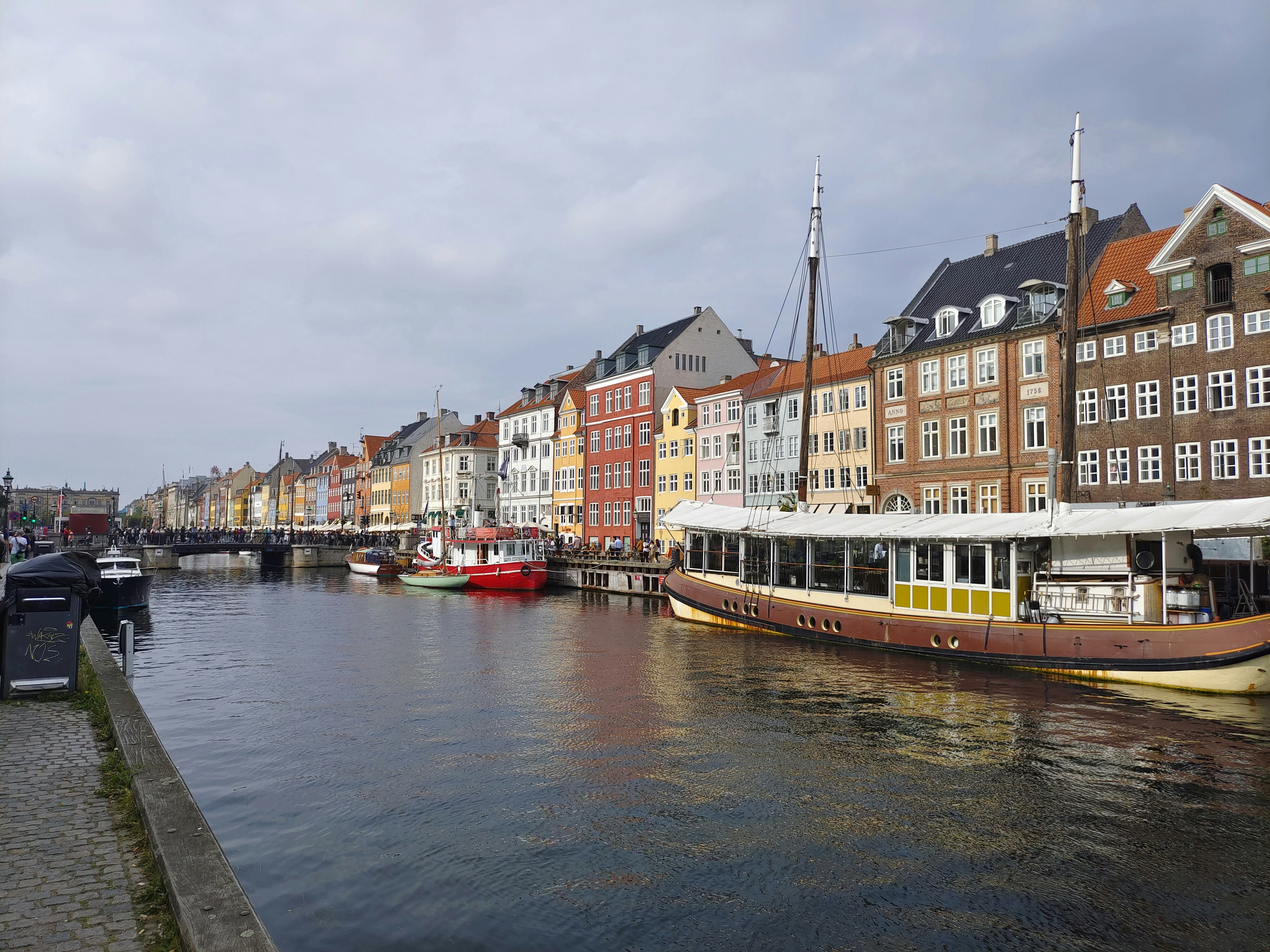
- Copenhagen: Strong 4G and 5G around the airport, city centre, Nyhavn, Nørrebro, Vesterbro, and major stations.
- Aarhus and Odense: Reliable coverage for city sightseeing, museums, cafés, and public transport.
- Jutland and coastal areas: Generally dependable 4G, with occasional weaker signals in sparsely populated areas.
- Bornholm and smaller islands: Good coverage in settlements, but allow for patchier service in remote countryside.
Before departure, check that your phone supports the relevant eSIM bands and is carrier-unlocked.
How to Set Up a Hello eSIM for Denmark Before You Fly
Install your Hello eSIM over stable Wi-Fi before departure, then select it for mobile data when you arrive in Denmark. Setting it up early reduces airport stress and lets you connect immediately for directions, ride bookings, and digital boarding or transport information.
Follow these steps:
- Download the Hello app from the App Store or Google Play and open the Denmark destination page.
- Choose a data plan based on your trip length and expected usage.
- Purchase the plan and follow the in-app installation instructions.
- Label the new line “Hello Denmark” so it is easy to identify in your phone settings.
- Keep your regular SIM active for calls or text messages if needed, but set Hello as the mobile-data line.
- Turn on data roaming for the Hello eSIM if the installation instructions request it.
- Disable data roaming on your home SIM to avoid accidental roaming charges.
On iPhone, check Settings → Mobile Service; on Android, look under Settings → Network & internet or SIM manager. Menus vary by manufacturer. Do not delete the eSIM after installation, because reinstalling may not be possible without contacting support.
If the connection does not start automatically at Copenhagen Airport, toggle airplane mode, restart the phone, and confirm that the Hello line is selected for data. The Hello eSIM for Denmark page shows the currently available plans.
Using Denmark Travel Internet for Transport, Payments, and Daily Travel
Reliable Denmark mobile data is most useful for navigation, public transport, digital payments, and the small logistical decisions that shape each travel day. Denmark is highly digital, so staying connected can make everything from finding a platform to checking a restaurant menu significantly easier.
In Copenhagen, use mobile data to look up metro, train, and bus routes, check live departure information, and access digital tickets. The Copenhagen Card and local transport services may involve app-based planning, while intercity journeys to Aarhus, Odense, or Aalborg are easier to manage when you can check delays in real time.
Cycling is central to Danish city life. Keep maps available for protected cycle lanes, but remember that bike routes may differ from car routes. Download offline maps as a backup before heading into rural areas or taking a long ferry journey.
A few practical data-saving habits help your plan last longer:
- Download Google Maps areas before leaving hotel Wi-Fi.
- Disable automatic photo and video backups over mobile data.
- Use Wi-Fi for streaming and large app updates.
- Download podcasts, films, and playlists in advance.
- Use messaging apps instead of voice calls where practical.
Card and mobile payments are widely used in Denmark, but keep a physical payment card available for emergencies. Hello also includes travel tools for expense splitting and budget tracking, useful when friends are sharing restaurant bills in Danish kroner.
Common Questions About eSIM Denmark Plans
The most common Denmark eSIM questions involve phone compatibility, activation timing, calls, tethering, and how much data a trip requires. Here are straightforward answers for travellers preparing to visit Denmark.
Does my phone support an eSIM for Denmark? Most recent iPhones, Google Pixel phones, Samsung Galaxy models, and other modern flagship devices support eSIM. Your phone must also be carrier-unlocked. Check the manufacturer’s specifications or look for an “Add eSIM” option in mobile-network settings.
Can I buy and activate a Hello eSIM before travelling? Yes. You can purchase and install Hello’s eSIM before departure, ideally while connected to Wi-Fi. Follow the plan’s activation instructions and select it for mobile data after landing.
Will a Denmark eSIM give me a Danish phone number? Hello’s travel eSIM plans are designed primarily for mobile data. Traditional calls and SMS may continue through your home SIM, messaging apps, or internet calling services.
Can I use hotspot? Hotspot availability depends on the plan and device settings. Check the plan details in the Hello app before relying on tethering for a laptop.
How much Denmark mobile data do I need for seven days? Choose 5GB for maps, messaging, browsing, and occasional social media. Select 10GB or more for frequent uploads, video calls, streaming, or hotspot use.
Can I use Hello in other European countries? Plan coverage varies. Check the relevant destination or regional plan in the Hello app before crossing into Sweden, Germany, or another country.
Practical Denmark Connectivity Tips for a Smooth Trip
The easiest way to stay connected in Denmark is to install Hello before departure, protect your home SIM from roaming charges, and keep a small offline backup for transport and navigation. A few minutes of preparation can prevent problems when you arrive tired or need directions immediately.
Save your accommodation address in your phone and take a screenshot of your first-day route from Copenhagen Airport. Although airport Wi-Fi may be available, an active Hello eSIM is more dependable for ordering transport, contacting your host, or checking train information outside the terminal.
Denmark uses the Danish krone, not the euro, even though it is part of the European Union. Hello’s travel companion features can help groups record shared spending, scan receipts in different languages and currencies, import bank statements, and split costs using automatic exchange-rate conversion. This is especially useful when one person pays for a canal tour, another covers dinner, and everyone needs a clear settlement.
For a typical 2026 trip, allow roughly $15–25 per person for a casual restaurant meal, while coffee, bakery stops, and takeaway lunches can cost less. Prices vary by city and venue, with Copenhagen usually more expensive than smaller towns. Keep your eSIM QR code or installation details accessible until the plan is working, and avoid deleting the eSIM if you still have remaining data.
Explore These Destinations
Stay Connected
Stay connected in Denmark
Get an eSIM before you land. Hello gives you instant data in 200+ countries — no SIM swaps, no roaming fees.
Related Articles
Denmark Currency & Money Guide: Exchange, Cards, and Tips
Currency exchange, credit card acceptance, ATM tips, tipping culture, and money-saving advice for Denmark.
25 July 2026
Denmark Safety Guide: Tips for a Safe Trip
Safety tips, health advisories, emergency contacts, common scams, and travel insurance advice for Denmark.
17 July 2026
Denmark Visa & Entry Requirements for Singapore Passport Holders
Visa requirements, passport validity, customs allowances, and entry tips for Singapore citizens travelling to Denmark.
8 July 2026