Denmark Visa & Entry Requirements for Singapore Passport Holders
Visa requirements, passport validity, customs allowances, and entry tips for Singapore citizens travelling to Denmark.
By Hello Travel Team
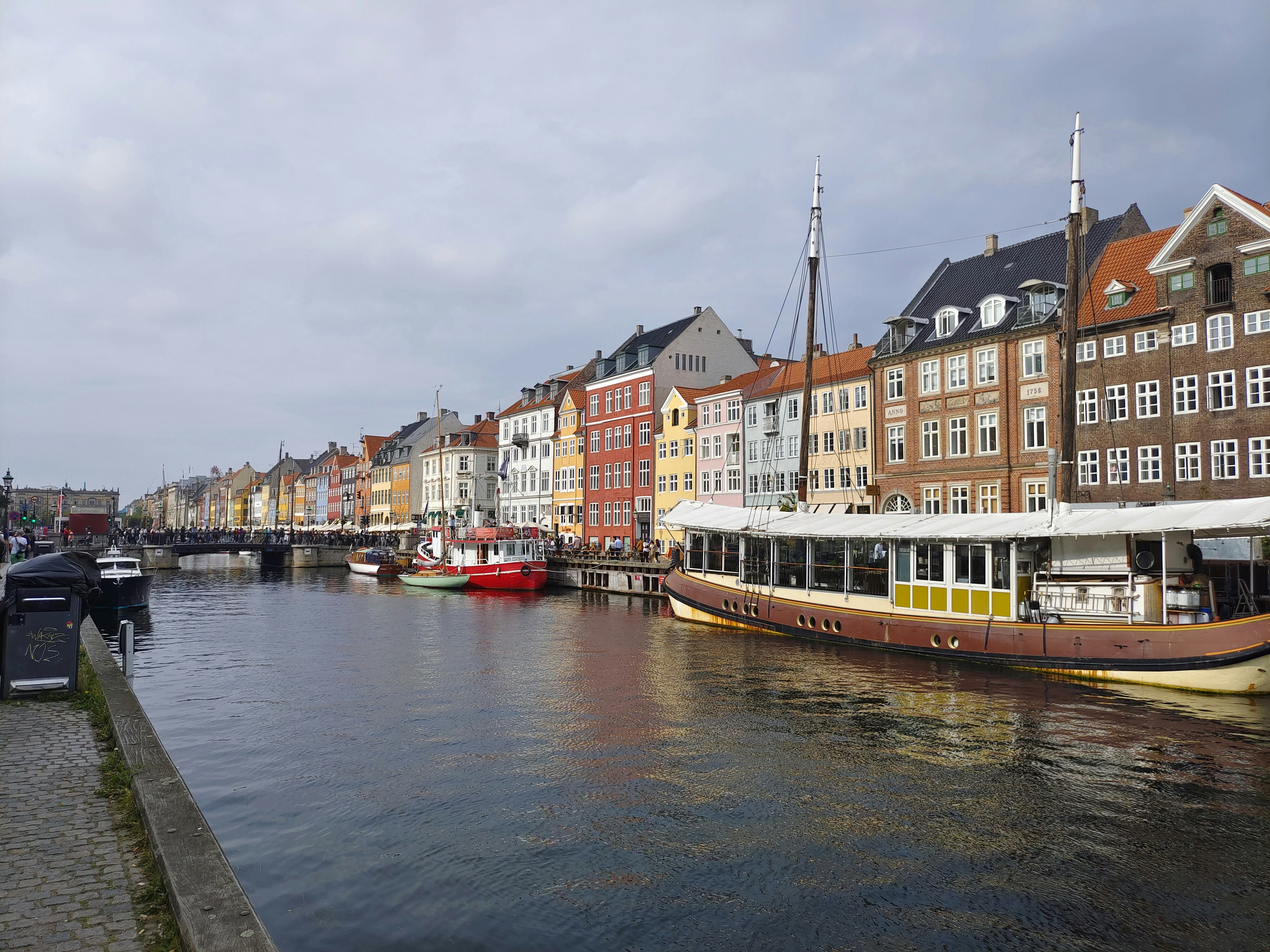
Denmark Visa Requirements for Singapore Passport Holders: TL;DR
Singapore passport holders can visit Denmark visa-free for up to 90 days in any 180-day period, provided the trip is for tourism, business meetings, family visits, or another permitted short stay. Denmark is part of the Schengen Area, so time spent in other Schengen countries counts toward the same limit. A visa-on-arrival or e-visa is not required for ordinary short visits, but travellers must meet Denmark’s passport, purpose-of-trip, funds, and border-entry conditions.
For travel planned in 2026, check the latest ETIAS implementation information before departure, as the European Travel Information and Authorisation System is being introduced for visa-exempt visitors. Confirm current rules through Denmark’s official immigration website, Nyidanmark.dk, and Denmark’s Ministry of Foreign Affairs before booking non-refundable travel.
Is Denmark Visa-Free for Singapore Citizens? Schengen Stay Rules Explained
Singapore citizens do not need a Schengen visa for a tourist trip to Denmark lasting up to 90 days in any rolling 180-day period, but visa-free entry does not guarantee admission at the border. Denmark’s immigration authority lists Singapore among the nationalities permitted to enter without a visa, with stays of up to three months calculated from first entry into Denmark or another Nordic country.
The 90/180 rule applies across the Schengen Area rather than separately to each country. For example, 10 days in Denmark, 20 days in Sweden, and 15 days in Germany use 45 of your available 90 days. Previous Schengen travel during the preceding 180 days must also be counted.
| Travel purpose | Visa position for Singapore passport holders | Typical limit |
|---|---|---|
| Tourism or visiting friends | Visa-free | Up to 90 days in 180 days |
| Business meetings or conferences | Visa-free, if no local employment is undertaken | Up to 90 days in 180 days |
| Paid work in Denmark | Usually requires the appropriate permit | Check before travel |
| Study or residence | Requires the relevant residence permit or visa | Depends on programme |
| Airport transit | Usually no transit visa for Singapore citizens, subject to routing and documents | Check airline and destination rules |
A visa, visa-on-arrival, or ordinary Denmark e-visa is not needed for a standard short holiday. If you intend to work, study, provide services, or stay longer, contact the Danish authorities before departure.
Denmark Entry Requirements for Singapore Passport Holders and Passport Validity
Your Singapore passport should be valid for at least three months after the date you plan to leave the Schengen Area and must have been issued within the previous 10 years. Although many travellers use a six-month validity rule as a general safety margin, Denmark’s published visa-free conditions specify three months beyond the intended departure date.
Before flying to Copenhagen, ensure your passport has sufficient blank space and is in good physical condition. Airlines may check your documents before boarding, and Danish border officers can ask for evidence supporting your itinerary. Carry accessible copies—digital and offline—of:
- Return or onward travel confirmation.
- Hotel bookings, host details, or accommodation addresses.
- Travel insurance and emergency contact information.
- Evidence of sufficient funds for the visit.
- A simple itinerary showing destinations and planned activities.
Border officials can also ask about the purpose of your trip and whether you intend to leave within the permitted period. Singapore citizens should not assume that visa-free travel permits employment, freelance work for a Danish client, or long-term residence.
ETIAS may also affect visa-exempt Singapore travellers during 2026. Its launch and transitional arrangements should be checked shortly before travel on the official European Union ETIAS website and Denmark’s immigration portal. Requirements can change, so use the passport and entry information current on your departure date rather than relying on an old booking page.
Denmark Customs Allowances, Duty-Free Limits, and What to Declare
Travellers arriving in Denmark from Singapore should use the red customs channel if they exceed allowances or carry restricted goods; airport and ship arrivals generally receive a DKK 3,250 value allowance for other goods. Denmark’s Customs Agency states that travellers entering from outside the EU may generally bring purchased goods without customs duty, VAT, and excise charges when the total value remains within DKK 3,250 when arriving by air or sea, or DKK 2,250 by other transport.
Alcohol and tobacco have separate quantity limits. For a practical airport arrival, Danish customs guidance commonly permits quantities such as 1 litre of spirits above 22% alcohol or 2 litres of fortified wine, plus 4 litres of still wine and 16 litres of beer, subject to the applicable rules and age requirements. Tobacco allowances also apply, and limits can differ according to product type.
Keep receipts for expensive purchases and do not assume that goods bought in Singapore are exempt because they are gifts. Personal medication should remain in original packaging; bring a prescription or doctor’s letter for controlled or unusually large quantities. Food, plants, meat, and animal products can be subject to additional EU restrictions.
When returning from Denmark to Singapore, Singapore Customs rules apply instead, including Singapore’s own alcohol concessions and GST requirements. Check both authorities if you are carrying high-value shopping, gifts, medication, alcohol, tobacco, or food.
Health, Vaccination, and Travel Insurance Requirements for Denmark
Singapore passport holders generally do not need a special vaccination certificate to enter Denmark for an ordinary trip from Singapore, but routine vaccines, travel insurance, and medication planning remain important. Denmark does not normally require proof of COVID-19 vaccination or a negative test for standard tourist entry; health rules can change during outbreaks, so verify current guidance before departure.
The World Health Organization recommends that international travellers be up to date with routine immunisations. Review measles, tetanus, diphtheria, pertussis, influenza, and COVID-19 protection with a healthcare professional, particularly for winter travel or a multi-country itinerary. Denmark’s healthcare system is high quality, but visitors may face significant charges for treatment, prescriptions, or medical evacuation.
Travel insurance should cover medical treatment, hospitalisation, emergency transport, trip interruption, and luggage. The European Health Insurance Card does not replace travel insurance and is generally not available to Singapore citizens as a substitute for private cover.
Pack prescription medicine in its original labelled packaging and carry documentation describing the generic name, dosage, and medical need. Some medicines that are ordinary in Singapore may be controlled under Danish or EU rules. For questions about narcotic or psychotropic medicines, contact the Danish Medicines Agency or the Danish embassy before travel rather than relying on a pharmacy at arrival.
Practical Arrival Tips for Copenhagen and Staying Connected
The smoothest Denmark arrival starts with organised documents, a realistic first-day plan, and mobile data arranged before landing at Copenhagen Airport. Copenhagen Airport is connected to the city by metro and train, and the journey to central Copenhagen is typically about 15 minutes, making public transport more practical than an airport taxi for many visitors.
Denmark is largely cashless, but keep a payment card that supports international transactions and a small emergency amount of Danish kroner. In 2026, budget approximately DKK 120–220 for a casual meal, DKK 35–55 for a coffee, and DKK 24–40 for a short public-transport journey, depending on the zone and ticket type. Prices vary by neighbourhood, season, and venue.
For data after landing, Hello’s eSIM plans for Denmark can be purchased and activated before departure, helping you arrive with connectivity for airport directions, train and metro information, translation, digital tickets, and contacting your accommodation. Hello also offers travel planning, budget tracking, and expense splitting for groups; its tools support multiple currencies, automatic exchange-rate conversion, AI receipt scanning, voice expense entry, and bank-statement imports.
Download important boarding passes, hotel details, and maps for offline access. Denmark uses the Danish krone rather than the euro, although cards are widely accepted. Respect cycling lanes, queue patiently, and remember that many attractions—such as Tivoli Gardens, Rosenborg Castle, and canal tours—can sell out during summer.
Common Questions About Denmark Visa Requirements for Singapore Citizens
Most Denmark visa questions from Singapore travellers have a straightforward answer: short tourist visits are visa-free, while the 90/180 limit, passport validity, and travel purpose determine whether you can enter. Use the following checklist for common scenarios.
Do I need a visa for Denmark if I hold a Singapore passport? No, not for tourism or other eligible short visits of up to 90 days in any 180-day period. Denmark’s immigration authority confirms that Singapore nationals are visa-exempt for this type of travel.
Can I stay 90 days in Denmark and then travel for 90 more days in France? No. Denmark and France are both in Schengen, so the combined stay cannot exceed 90 days in the relevant 180-day period.
Does my passport need six months’ validity? Denmark’s visa-free rule requires validity for three months beyond your intended departure from Schengen and issuance within the last 10 years. Six months is a useful personal buffer but is not the stated minimum for this rule.
Is Denmark visa-on-arrival or e-visa available to Singaporeans? A visa-on-arrival is not needed, and ordinary tourism does not require a Denmark e-visa. Check ETIAS requirements and launch arrangements before 2026 travel.
Can I work during a visa-free visit? Not automatically. Paid employment, many service activities, internships, and longer assignments may require a work permit or residence authorisation.
Where should I verify the rules? Use Nyidanmark.dk, Denmark’s Ministry of Foreign Affairs, the Danish embassy or consular service, and the official EU ETIAS website immediately before departure.
Explore These Destinations
Stay Connected
Ready for Denmark?
eSIM data, expense splitting, budget tracking, and more. Everything you need for a smooth trip in one app.
Related Articles
Denmark Currency & Money Guide: Exchange, Cards, and Tips
Currency exchange, credit card acceptance, ATM tips, tipping culture, and money-saving advice for Denmark.
25 July 2026
Denmark Safety Guide: Tips for a Safe Trip
Safety tips, health advisories, emergency contacts, common scams, and travel insurance advice for Denmark.
17 July 2026
eSIM for Denmark: Best Plans, Coverage, and Setup Tips
Everything you need to know about using eSIM in Denmark. Best data plans, network coverage, and setup instructions.
29 June 2026