Denmark Travel Budget Guide: Daily Costs and Money Tips
How much does it cost to travel in Denmark? Daily budget breakdowns for budget, mid-range, and luxury travellers.
By Hello Travel Team
This article contains affiliate links. If you book through them, Hello may earn a commission at no additional cost to you. Our editorial recommendations are independent. Learn more.
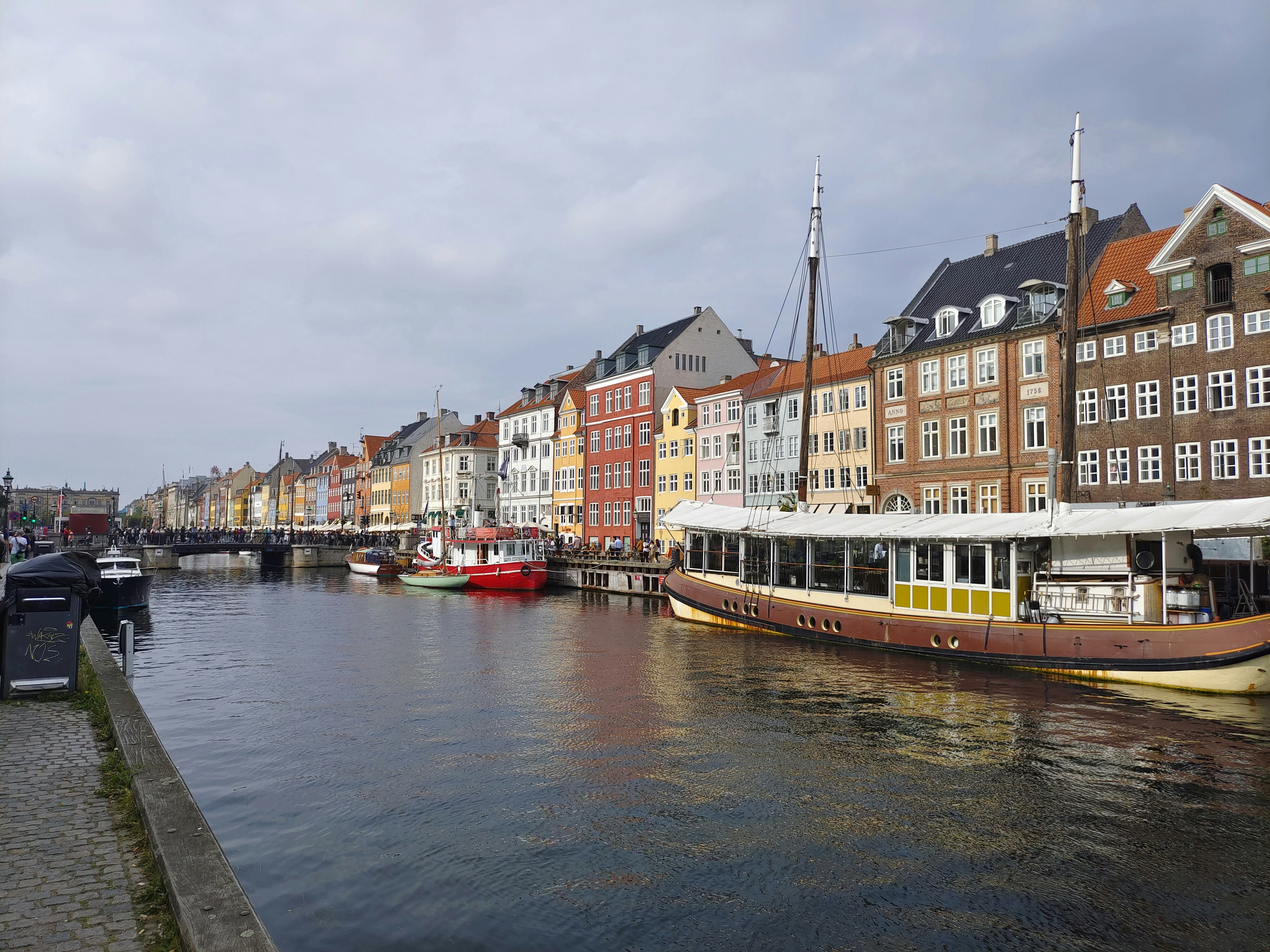
TL;DR: Typical Denmark Travel Costs Per Day
A trip to Denmark typically costs $105–250 per person per day in 2026, depending on whether you travel on a strict backpacker budget or stay in comfortable mid-range hotels, with luxury trips easily reaching $500+ per day.
For most travellers, Denmark sits in the “not cheap, but manageable” category: expect to spend around $105 (670 DKK) per day on a tight budget with hostel dorms, supermarket food, and public transport, based on data aggregated by BudgetYourTrip and other 2026 cost calculators. A more comfortable mid-range Denmark trip with hotel stays, restaurant meals, and paid attractions typically comes in around $200–250 (1,300–1,600 DKK) per day, per analyses from Routes North and several 2026 budget guides.
Luxury travellers staying in upscale hotels, dining at top restaurants, and booking private tours can easily exceed $500 (3,300+ DKK) per day. Your actual Denmark travel cost will depend heavily on visiting Copenhagen vs smaller towns, travel season (summer and Christmas are priciest), and how often you eat out or drink alcohol. Use Hello’s budget tracking and multi-currency expense tools to log real prices as you go and keep your Denmark daily expenses within the range you planned.
Denmark Daily Budget Breakdown: Budget, Mid-Range, Luxury
Most travellers should plan $105–250 per person per day in Denmark, with backpackers near the lower end and comfort seekers in the mid-range or luxury tiers. The biggest cost drivers are accommodation and how often you eat out at restaurants.
Several 2026 Denmark cost studies converge on similar ranges: BudgetYourTrip puts budget travel at about $105 (670 DKK) per day, mid-range at $248 (1,585 DKK), and luxury at $581 (3,713 DKK). Other guides summarise budget travel at 600–850 DKK ($82–117), mid-range at 1,200–1,800 DKK ($165–247), and comfort/luxury at 2,500–3,500 DKK ($343–481) per day. These figures assume solo travel; couples can often save by sharing rooms.
Here’s a simple comparison of typical Denmark daily budgets in 2026:
| Travel Style | Daily Cost (USD) | Daily Cost (DKK) | Typical Inclusions |
|---|---|---|---|
| Budget | $105–120 | 670–850 | Hostel dorm, supermarket food, public transport, mainly free sights |
| Mid-range | $165–250 | 1,200–1,800 | 3-star hotel, mix of cafés and restaurants, paid attractions |
| Luxury | $350–580+ | 2,500–3,700+ | 4–5 star hotels, fine dining, private tours, taxis |
To keep your Denmark travel cost predictable, track spending in real time with Hello’s AI receipt scanning and multi-currency budget tools, especially if you’re splitting expenses with friends in different currencies.
How Much Does Accommodation Cost in Denmark?
Expect to spend $30–60 per night for hostel dorms, $120–200 for mid-range hotels, and $250+ for upscale stays in Denmark’s main cities in 2026. Copenhagen is usually 10–20% more expensive than smaller towns.
Budget guides for Denmark report hostel dorm beds around 200–330 DKK ($30–50) per night, depending on season and city. For mid-range travellers, typical 3-star hotel rooms or private guesthouse rooms usually cost 750–1,000 DKK ($113–151) per night in Copenhagen, and around $80–180 per night nationally according to mid-range travel breakdowns. Upscale hotels in central Copenhagen or boutique design properties can easily run 2,300 DKK ($330+) per night and higher.
As a rough planning guide:
- Backpacker budget: 200–350 DKK ($30–50) per night in shared hostel dorms.
- Mid-range: 900–1,400 DKK ($130–200) per night for a standard double in a decent hotel.
- Luxury: 2,300+ DKK ($330+) per night at 4–5 star properties or design hotels.
Booking outside peak season (June–August and Christmas), staying a bit outside city centres, and using apartment-style stays can significantly reduce your Denmark daily expenses on accommodation. Use Hello’s trip planning features to compare nightly costs across your route and avoid surprise budget spikes.
Food, Drink, and Daily Essentials: What You’ll Spend
Most visitors spend $20–40 per day on groceries or $40–70+ per day when eating out regularly in Denmark, making food a key driver of your overall Denmark travel cost. Eating like a local keeps your budget manageable.
Price trackers for Denmark estimate daily cheap groceries at about 68–96 DKK ($10–15) if you cook or picnic, rising to 89–133 DKK ($14–21) for slightly better-quality products. A typical café meal (breakfast or lunch) runs 60–100 DKK ($9–15), while a mid-priced restaurant dinner is usually 100–140 DKK ($15–21) per person. Alcohol adds up quickly: a beer is around 40 DKK ($6) and a glass of wine about 60 DKK ($9).
Average travellers in Denmark are often quoted about 12 USD (81 DKK) for basic food plus 33 USD (214 DKK) for restaurant meals per day, totalling roughly $45 (295 DKK) for someone who mixes supermarket food and one restaurant meal.
To keep your Denmark daily expenses under control:
- Shop at supermarkets (Netto, Fakta, Rema 1000) and cook or picnic.
- Look for lunch specials and set menus, which are often much cheaper than dinner.
- Avoid buying drinks in tourist-heavy areas; step a few streets away for local prices.
Logging meals in Hello’s budget tracking and AI categorisation helps you see whether restaurant splurges are pushing you from “budget” into “mid-range” territory.
Transport, Attractions, and City vs Countryside Costs
Allow $10–25 per day for local transport and $10–30 for attractions in Denmark, with Copenhagen generally more expensive than smaller cities. Smart use of passes and free sights can keep Denmark travel costs in check.
For public transport, cost guides list daily travel cards at 100–300 DKK ($15–45) depending on zones and whether you include airport trips. A typical Denmark budget calculator suggests about 15 USD (96 DKK) per day for local transport for average travellers. Intercity trains between major cities add extra; planning longer journeys in advance often lowers prices.
Attractions vary widely. According to several 2026 Denmark budget resources, museum entry commonly sits around 100 DKK ($15), while a mix of paid attractions might average 30–70 USD per day for mid-range travellers who do several sights or tours. Routes North cites a medium-budget daily baseline around 1,200 DKK ($174) which includes some sightseeing.
Urban travel in Copenhagen tends to be pricier overall: recent analyses estimate budget days at roughly €85–115 ($95–130) and mid-range days at €170–280 ($190–315). Smaller towns and rural areas can shave 10–30% off those daily numbers, especially for accommodation.
To stay connected and navigate buses and trains easily, consider an eSIM from Hello for Denmark so you can use local transit apps, map directions, and digital tickets without hunting for Wi‑Fi: Hello eSIM for Denmark.
Common Questions About Denmark Travel Cost and Daily Expenses
Most travellers ask whether Denmark is expensive; the short answer is yes, but manageable if you plan for $105–250 per day and use local strategies to save. Here are direct answers to the most common Denmark budget questions.
Q: Is Denmark expensive compared to other European countries?
Denmark is one of the pricier countries in Europe, roughly comparable to Norway or Sweden and more expensive than destinations like Thailand. Average mid-range daily costs around $200–250 place it above many EU countries but below ultra-luxury hotspots.
Q: What is a realistic daily budget for Copenhagen?
2026 guides suggest €85–115 ($95–130) per day for budget travellers in Copenhagen, €170–280 ($190–315) for mid-range, and €400+ ($450+) for luxury stays. These estimates match broader Copenhagen cost breakdowns that show even budget trips rarely dipping below about $70 per day.
Q: How much cash do I need vs cards?
Denmark is highly cashless; most locals tap with cards or phones. You can cover almost all expenses with a card, keeping a small amount of cash (say 200–300 DKK) for occasional cash-only spots.
Q: How can I track and split expenses with friends?
Hello’s expense splitting and multi-currency tracking let you log expenses in DKK, convert automatically, and settle up fairly—even if one friend pays for the Airbnb and another covers restaurant bills.
Money-Saving Tips and Using Hello to Control Your Denmark Budget
You can keep Denmark daily expenses closer to $105–150 per day by choosing hostels, supermarkets, and public transport, then using smart tools like Hello to track every krone. Thoughtful planning matters more than strict penny-pinching.
Across multiple 2026 Denmark guides, the biggest savings come from three categories: accommodation, food, and alcohol. Staying in hostel dorms (around 200–330 DKK per night), shopping at supermarkets (roughly 70–130 DKK per day for groceries), and relying on walking or public transport instead of taxis can keep your daily budget in the lower ranges cited by Denmark cost calculators.
Practical money tips:
- Travel off-peak (shoulder seasons rather than July/August and Christmas) for cheaper rooms.
- Use city transport cards and consider passes that bundle attractions.
- Focus on free experiences: harbour walks, parks, neighbourhood exploring, and beaches.
- Limit alcohol in bars; consider buying drinks at supermarkets instead.
Hello’s travel companion app makes budgeting feel much less stressful:
- AI receipt scanning (any language/currency) and voice expense entry help you log spending instantly.
- Multi-currency tracking with automatic exchange rates keeps DKK, USD, and EUR in one clear overview.
- Expense splitting lets friends divide costs fairly even when you’re paying in different currencies.
Combined with a Hello eSIM for seamless data and navigation, these tools help ensure your Denmark trip cost stays exactly where you want it.
Explore These Destinations
Stay Connected
Book this trip
Compare options on trusted travel sites
Plan flights for this trip
Continue to a reviewed booking partner to check current routes, fares, and terms.

Track your Denmark trip budget
Split expenses with friends, track spending by category, and see real-time currency conversions — all in one app.
Related Articles
Denmark Currency & Money Guide: Exchange, Cards, and Tips
Currency exchange, credit card acceptance, ATM tips, tipping culture, and money-saving advice for Denmark.
25 July 2026
Denmark Safety Guide: Tips for a Safe Trip
Safety tips, health advisories, emergency contacts, common scams, and travel insurance advice for Denmark.
17 July 2026
Denmark Visa & Entry Requirements for Singapore Passport Holders
Visa requirements, passport validity, customs allowances, and entry tips for Singapore citizens travelling to Denmark.
8 July 2026