Denmark Safety Guide: Tips for a Safe Trip
Safety tips, health advisories, emergency contacts, common scams, and travel insurance advice for Denmark.
By Hello Travel Team
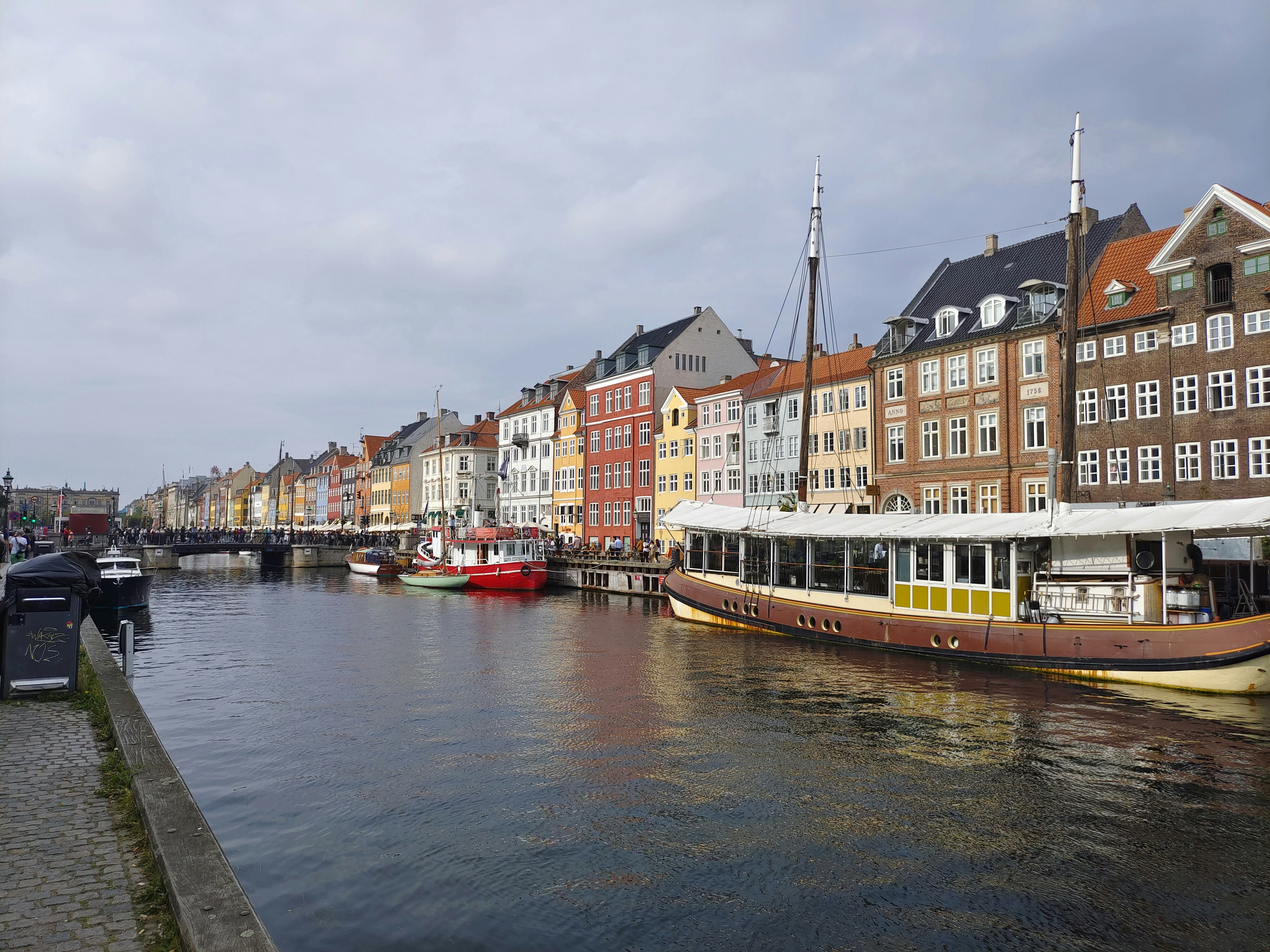
Denmark Safety Guide: TL;DR
Denmark is generally very safe for visitors, with low violent crime and reliable public services, but normal urban precautions still matter. The main risks are pickpocketing around Copenhagen’s Central Station, airport, public transport and major attractions, bicycle and road accidents, and occasional gang-related incidents in specific Copenhagen areas. Singapore’s Ministry of Foreign Affairs advises travellers to remain alert in public places and protect personal belongings. Keep valuables secure, use licensed transport, follow local alerts, and purchase travel insurance covering medical care, theft and trip disruption. For connectivity, consider Denmark travel planning and an eSIM for Denmark from Hello, which can help you access maps, translation, transport updates and emergency information as soon as you arrive.
Is Denmark Safe? Crime Risks, Local Areas and Everyday Precautions
Yes—Denmark is one of Europe’s safer destinations, and most visitors experience no serious problems when they use ordinary city-safety habits, although Copenhagen still requires vigilance in crowded places and after dark. Denmark’s reported homicide rate was approximately 0.84 per 100,000 people in 2024, according to figures cited from UNODC, while petty theft remains the more realistic concern for tourists.\n\nTake extra care at Copenhagen Central Station, Copenhagen Airport, busy trains, museums, restaurants and popular waterfront attractions. Keep your passport, phone and wallet in a zipped cross-body bag rather than a back pocket, and never leave a bag on the floor or over a chair. Avoid displaying large amounts of cash or expensive jewellery.\n\nCopenhagen’s Nørrebro, Nordvest and Christiania areas can experience gang-related or drug-related incidents. This does not mean tourists should automatically avoid them, but visit during daylight, stay on busy routes, avoid confrontations and follow police instructions. Denmark’s terrorism threat is described as significant by several government travel advisories, so remain aware in crowded venues and public transport without allowing this risk to dominate your trip.\n\nCycling is central to Danish life. Look both ways before crossing cycle lanes, never walk in a marked bike lane, and use lights and a helmet if cycling at night. At night, choose well-lit streets, stay with friends where possible and use licensed taxis or public transport.
Denmark Scams and How to Avoid Tourist Theft
The most common Denmark scams involve distraction, opportunistic theft and unofficial requests for money rather than sophisticated fraud, so a calm refusal and secure belongings usually prevent problems. Pickpockets may work in pairs: one person creates a distraction while another reaches into an open bag, especially on trains, escalators and crowded station platforms.\n\nWatch for these situations:\n\n- Petition or charity approaches that pressure you to sign or donate; say no politely and keep moving.\n- Someone spilling a drink, asking for directions unusually close to you, or offering unsolicited help with luggage or a ticket machine. Check your belongings immediately.\n- Unofficial taxi offers at airports or stations. Use a clearly licensed taxi, app-based booking or public transport, and confirm the fare before departure.\n- Card-payment or ATM tampering. Use machines inside banks or reputable shops, shield your PIN and check the amount before approving a transaction.\n- Fake accommodation messages or payment requests. Contact your hotel or booking platform through its official app rather than replying to an unexpected link.\n\nKeep a digital copy of your passport and insurance details separately from the originals. If a phone or wallet disappears, lock cards through your banking app, report theft to police and contact your insurer. Singapore’s Ministry of Foreign Affairs also warns travellers to verify suspicious messages that appear to come from friends requesting money and never share passport, NRIC or address details unnecessarily.
Denmark Emergency Numbers, Medical Care and Singapore Consular Help
For any life-threatening emergency in Denmark, call 112; for non-urgent police matters, call 114, while medical services, police and fire crews can direct you to the appropriate help. Dial 112 for an accident, serious injury, fire, immediate danger or suspected crime in progress. Operators can handle English-language calls, but giving your exact address, nearby landmark and phone number will speed assistance.\n\n| Situation | Number | When to use it |\n|---|---:|---|\n| Police, ambulance or fire | 112 | Immediate or life-threatening emergency |\n| Police non-emergency | 114 | Reporting a non-urgent incident or requesting police assistance |\n| Medical advice | Local regional service | For non-emergency health guidance; ask hotel staff or a pharmacy for the correct regional contact |\n\nFor urgent medical treatment, go to the nearest emergency department or ask hotel staff to call an ambulance. Carry your passport, medication list, allergies and insurance policy details. The nearest Singapore diplomatic mission is the Embassy of Singapore in Copenhagen; confirm its current address, appointment rules and after-hours consular number through Singapore’s Ministry of Foreign Affairs before departure, as contact arrangements can change. Register your trip if Singapore’s MFA provides that option, and contact the embassy for lost travel documents, serious arrest or hospitalisation, or major emergencies—not routine tourist complaints.
Denmark Health Advisories, Vaccinations and Water Safety
Most travellers need no special health preparation for Denmark beyond routine vaccinations, sensible food hygiene and protection from cold, wind and cycling accidents. Before departure, check that routine immunisations such as measles-mumps-rubella, tetanus-diphtheria-pertussis, polio and seasonal influenza are current. A travel-health professional can assess whether hepatitis A or another vaccine is appropriate for your itinerary, medical history and activities; arrange advice ideally four to six weeks before travel.\n\nTap water in Danish towns and cities is generally treated and safe to drink, and food standards are high. If staying in a remote rural property supplied by a private well, ask the host whether the water is tested; use bottled or boiled water if its safety is uncertain. Wash hands before eating and protect food from prolonged warmth during summer outings.\n\nPack prescription medicines in original labelled containers and carry enough for delays. European pharmacies can help with minor problems, but prescriptions may not be identical to Singaporean brands. In winter, icy pavements and strong winds can cause falls, while summer cyclists should use lights after dark and avoid riding after alcohol. Travel insurance should cover outpatient treatment, hospitalisation, medical evacuation when clinically necessary, personal liability and pre-existing conditions if applicable.
Solo Female, LGBTQ+ and Family Travel Safety in Denmark
Denmark is broadly welcoming for solo women, LGBTQ+ travellers and families, but personal safety still depends on the same habits used in any European capital: stay alert at night, protect drinks and belongings, and choose reputable accommodation and transport. Solo travellers can comfortably explore Copenhagen, Aarhus and smaller towns, including by public transport, yet isolated parks, quiet waterfront paths and poorly lit streets are best avoided late at night.\n\nUse the buddy system when drinking, keep your phone charged and share your accommodation details with someone you trust. If harassed, enter a hotel, café, station or shop and ask staff to call police. Do not accept drinks from strangers or leave yours unattended.\n\nDenmark is generally LGBTQ+-friendly, and Copenhagen has a visible LGBTQ+ community and established venues. Public displays of affection are ordinarily unremarkable, but discrimination or harassment can occur anywhere; leave an escalating situation and seek help rather than arguing. Families should use pedestrian crossings, hold children’s hands near cycle lanes and check that accommodation has secure windows and stairways.\n\nDownload offline maps, save your accommodation address in Danish and keep emergency contacts accessible. An eSIM from Hello can provide arrival-day data for maps, translation, transport apps and contacting your travel party; Hello also supports expense splitting and multi-currency budget tracking when several travellers share costs.
Common Questions About Denmark Travel Safety and Insurance
Most Denmark trips only require standard precautions, but comprehensive travel insurance and a reliable way to reach help make unexpected illness, theft or disruption much easier to manage.\n\nIs Denmark safe for solo travellers? Generally yes. Stay in central, well-lit areas, secure valuables on public transport and avoid walking alone through isolated areas late at night.\n\nWhat are Denmark’s emergency numbers? Call 112 for police, ambulance or fire emergencies. Call 114 for non-urgent police matters.\n\nDo I need travel insurance for Denmark? It is strongly recommended. Choose a policy with substantial medical and hospital cover, emergency evacuation, baggage and personal liability protection, cancellation or interruption cover, and clear rules for pre-existing conditions, cycling, alcohol-related incidents and winter activities. A policy costing roughly S$50–S$150 for a one-week trip in 2026, depending on age and coverage, can be far cheaper than paying privately for treatment or replacing a disrupted itinerary.\n\nCan I drink Denmark’s tap water? Usually yes in cities and towns. Ask about water quality at remote accommodation using a private well.\n\nWhat should I do if my passport is stolen? Call police, contact your insurer, notify your bank if cards are missing, and contact the Singapore Embassy in Copenhagen for consular guidance and replacement-document procedures.\n\nBefore departure, save policy documents offline, note the 112 and 114 numbers, and install Hello for connectivity, trip planning and shared expense tracking.
Explore These Destinations
Stay Connected
Ready for Denmark?
eSIM data, expense splitting, budget tracking, and more. Everything you need for a smooth trip in one app.
Related Articles
Denmark Currency & Money Guide: Exchange, Cards, and Tips
Currency exchange, credit card acceptance, ATM tips, tipping culture, and money-saving advice for Denmark.
25 July 2026
Denmark Visa & Entry Requirements for Singapore Passport Holders
Visa requirements, passport validity, customs allowances, and entry tips for Singapore citizens travelling to Denmark.
8 July 2026
eSIM for Denmark: Best Plans, Coverage, and Setup Tips
Everything you need to know about using eSIM in Denmark. Best data plans, network coverage, and setup instructions.
29 June 2026