Key Takeaways
- ✓Bulgaria in 2026 offers excellent value, with daily budgets often far lower than many Western European destinations.
- ✓Shoulder seasons (May–June and September–October) balance good weather, fewer crowds, and strong value for sightseeing trips.
- ✓Use Hello eSIM for instant, reliable connectivity in Bulgaria, paired with the Hello app’s trip planning and expense tracking.
- ✓Plan around 3, 5, or 10 days using the dedicated Bulgaria itineraries to match your time and interests.
- ✓Read the visa-entry, safety, cultural, and money cluster guides before you go to avoid surprises at the border or on the street.
- ✓Bulgaria’s transport network is affordable and functional, with buses and trains covering most needs and car rental for remote areas.
- ✓Local food is hearty and inexpensive, with growing options for vegetarians and special diets in major cities.
- ✓Saving the "Before You Go" checklist and cluster links inside Hello keeps your Bulgaria plans organized from booking to boarding.
Bulgaria is one of Europe’s most underrated gems: affordable, culturally rich, and surprisingly easy to explore in 2026. From Black Sea beaches and mountain monasteries to lively cities like Sofia and Plovdiv, it’s a perfect destination for first-time Europe travellers and seasoned backpackers alike. This Complete Bulgaria Travel Guide 2026 is your central trip planner: we’ll walk through when to go, how much to budget, visa and entry basics, transport options, food, connectivity with Hello eSIM, and safety tips. You’ll also find decision-friendly comparison tables, a practical “Before You Go” checklist, and links to detailed cluster guides for deep dives on money, culture, itineraries, and more. Whether you’re planning a quick 3-day city break or a 10-day adventure across mountains and coast, use this guide as your launchpad—then jump into the linked articles for day-by-day itineraries, transport tricks, and local dining insights. Think of it as your well-travelled friend who has already been, run the numbers, and knows what will make your Bulgaria trip smooth, fun, and great value for money.
Why Visit Bulgaria in 2026
Bulgaria in 2026 is a sweet spot: prices are still low by European standards, infrastructure keeps improving, and crowds remain manageable compared to hotspots like Japan or Thailand. It’s ideal if you want European history, nature, and food without breaking the bank.
Bulgaria combines medieval monasteries, Roman ruins, ski resorts, and sunny Black Sea towns in a compact, easy-to-navigate country. Sofia feels young and energetic, Plovdiv charms with cobbled streets and ancient theatres, and coastal cities like Varna and Burgas offer summer vibes without the sticker shock of Western Europe. As of 2026, Bulgaria remains one of the EU’s best value destinations, with budget travellers often managing on €35–50 per day if they plan carefully.
It’s also a great “next step” if you’ve already explored classic routes in Japan or Thailand and want something different but still safe and accessible. The Bulgaria Cultural Guide: Etiquette, Customs, and Tips gives you a deeper look at local manners, greetings, and social norms so you feel comfortable and welcomed from day one.
If you’re wondering whether Bulgaria suits a 3-, 5-, or 10-day trip, start with:
- 3 Days in Bulgaria: A Day-by-Day Itinerary
- Bulgaria in 5 Days: The Perfect Extended Itinerary
- Bulgaria in 10 Days: The Ultimate Travel Itinerary
Together, these itineraries help you match your trip length with the right mix of cities, mountains, and coast.
Quick Bulgaria fit check
| Traveller type | Is Bulgaria a good fit? |
|---|---|
| Budget backpacker | Excellent value, cheap transport & food |
| Culture lover | Strong on history, Orthodox heritage, and local traditions |
| Nature & hiking fan | Great mountains, eco-trails, and ski areas |
| Party & nightlife | Good in Sofia and coastal cities in summer |
| Luxury seeker | Some options, but less flashy than Western Europe |
Use this pillar guide as your overview, then dive into the linked cluster articles for specifics on money, transport, culture, and safety.
Best Time to Visit Bulgaria
The best time to visit Bulgaria in 2026 depends on what you want: May–June and September–October are ideal for sightseeing, July–August for beaches, and December–March for skiing. Shoulder seasons offer mild weather, fewer crowds, and some of the best value.
Bulgaria has a continental climate inland and milder coastal conditions. Sofia and Plovdiv can be hot in midsummer and chilly in winter, while the Black Sea coast is perfect for swimming from late June to early September. As of 2026, climate patterns still follow these broad trends, but shoulder months can be slightly warmer than in previous decades.
Here’s a simple season-by-goal overview:
| Season (2026) | Weather & crowd level | Best for |
|---|---|---|
| March–April | Cool, variable; low crowds | City museums, early spring hiking (lower elevations) |
| May–June | Warm, pleasant; moderate crowds | City exploring, countryside, light hikes |
| July–August | Hot inland, perfect coast; busy | Beaches, nightlife, festivals |
| September–October | Mild; fewer tourists | Cultural trips, wine regions, scenic drives |
| November–early Dec | Cool, often grey; quiet | Budget city breaks, spa stays |
| Late Dec–March | Cold, snow in mountains; ski crowds | Skiing, winter landscapes |
If you have a short trip, combining this seasonal overview with a tailored itinerary helps. Use:
- 3 Days in Bulgaria: A Day-by-Day Itinerary for quick city-focused breaks.
- Bulgaria in 5 Days: The Perfect Extended Itinerary to blend culture and countryside.
- Bulgaria in 10 Days: The Ultimate Travel Itinerary for a full circuit including mountains and coast.
In peak summer and ski season, book transport and accommodation early. In shoulder months, you can often secure better deals and more flexibility—perfect if you’re tracking your budget inside the Hello app while you go.
Budget Overview: How Much Does Bulgaria Cost in 2026?
Bulgaria remains one of Europe’s best value destinations in 2026. On average, budget travellers spend around €35–60 per day, mid-range travellers €70–120, and luxury trips start from about €150+ per day depending on season and itinerary.
To understand costs in detail, the Bulgaria Travel Budget Guide: Daily Costs and Money Tips breaks down expenses by traveller type—covering accommodation, food, activities, and transport. Pair it with the Bulgaria Currency & Money Guide to learn how to pay, withdraw cash, and avoid unnecessary fees.
Here’s an at-a-glance daily budget comparison (per person, as of 2026):
| Traveller type | Daily budget (approx.) | What it includes |
|---|---|---|
| Shoestring | €35–50 | Hostel, public transport, street food, free/low-cost sights |
| Comfortable budget | €50–70 | Budget hotel/guesthouse, mix of restaurants & cafés |
| Mid-range | €70–120 | Central hotel, regular sit-down meals, some tours |
| High-end | €150–250 | Boutique/luxury hotels, fine dining, private transfers |
For trip-length planning:
| Trip length | Budget range (budget–mid) |
|---|---|
| 3 days | ~€150–€300 |
| 5 days | ~€250–€500 |
| 10 days | ~€500–€1,000 |
These numbers exclude flights but include typical transport and sightseeing.
Use the Hello app to track expenses, split costs with friends, and monitor your running daily average. This makes it much easier to stay within the ranges suggested in the Bulgaria Travel Budget Guide while still enjoying spontaneous detours.
For money logistics on the ground—ATMs, cash vs. cards, tipping norms, and exchange tips—rely on:
Combine these cluster articles with your trip plan in Hello, and you’ll have both the numbers and the tools to keep your Bulgaria budget under control.
Visa & Entry Basics (Especially for Singapore Travellers)
As of 2026, Bulgaria applies standard EU-style entry rules, and requirements vary by nationality. Singapore passport holders enjoy specific conditions, so always check the latest guidance before you fly and use this section as a high-level starting point.
The dedicated Bulgaria Visa & Entry Requirements for Singapore Passport Holders explains current visa rules, passport validity, proof of funds, onward tickets, and customs allowances in detail for Singapore citizens. Even if you’re not from Singapore, the article offers a good framework for what immigration officers typically look for and how to prepare documents.
In general, for most visitors in 2026 you should assume you need:
- A passport with at least 6 months’ validity beyond your arrival date.
- Proof of onward or return travel.
- Evidence of accommodation bookings or an invitation letter.
- Sufficient funds for your stay (bank statements, credit cards, or cash).
Customs rules cover how much alcohol, tobacco, and cash you can bring in without declaration, which the visa-entry guide lays out clearly.
Simple entry prep framework
Ask yourself:
- Identity: Is my passport valid for long enough?
- Duration: Do my intended days in Bulgaria fit within visa-free limits (if eligible)?
- Evidence: Can I show proof of accommodation, flights, and funds if asked?
- Health/insurance: Do I have travel insurance that covers Bulgaria?
If any answer is “no,” fix it before departure.
For trip structure—especially if you want to maximize your visa-free days—consult:
- 3 Days in Bulgaria: A Day-by-Day Itinerary
- Bulgaria in 5 Days: The Perfect Extended Itinerary
- Bulgaria in 10 Days: The Ultimate Travel Itinerary
These itineraries help you fit key sights into the stay you’re allowed, without rushing.
Getting Around Bulgaria: Cities, Coast, and Countryside
Getting around Bulgaria in 2026 is straightforward and affordable: buses and trains connect major cities, ride-hailing and taxis work well in Sofia and bigger towns, and domestic flights cover longer routes. For remote areas, renting a car gives you the most flexibility.
The Getting Around Bulgaria: Transport Guide for Travellers is your deep dive into airport transfers, inter-city buses and trains, driving tips, and local public transport. Use this pillar section as your overview, then consult the transport guide for specifics like station names, ticket types, and apps.
Common ways to move around:
- City transport: Sofia has metro lines, buses, and trams; other cities rely mostly on buses and taxis.
- Inter-city buses: Often faster and more frequent than trains for certain routes.
- Trains: Scenic, slower on some lines, good for relaxed travel.
- Domestic flights: Limited but handy for crossing the country quickly.
- Car rental: Best for exploring mountains, small villages, and wine regions.
For practical examples of how this works day-to-day, the itineraries show you exact routes and timing assumptions:
- 3 Days in Bulgaria: A Day-by-Day Itinerary – largely city-centric.
- Bulgaria in 5 Days: The Perfect Extended Itinerary – city plus nearby excursions.
- Bulgaria in 10 Days: The Ultimate Travel Itinerary – full loops mixing cities, monasteries, and coast.
A practical tip for 2026: pair local transport with Hello eSIM so you have data for live maps, translation, and ride-hailing apps as soon as you land. The Hello app also helps you log transport costs against your budget so you can decide whether to splurge on a taxi or stick to buses and metro.
Food & Dining: What to Eat in Bulgaria
Bulgarian food in 2026 is hearty, fresh, and excellent value, with plenty of grilled meats, salads, pastries, and yogurt-based dishes. You’ll eat well on a budget, and vegetarians can find more options than many expect, especially in cities.
The Bulgaria Food Guide: Must-Try Dishes, Prices, and Tips explores local cuisine in detail—typical restaurant prices, street food costs, must-try dishes, and food safety advice. Use this pillar section to understand the big picture, then dive into the food guide to build your personal “must-eat” list.
Expect to encounter:
- Shopska salad – tomatoes, cucumbers, peppers, onions, and white cheese.
- Kebapche and kufte – grilled minced meat.
- Banitsa – flaky pastry, often with cheese.
- Yogurt-based dishes – reflecting Bulgaria’s famous dairy culture.
As of 2026, typical prices in local eateries remain very reasonable compared to Western Europe. Casual meals can often be found under €8–10, with street food even cheaper.
If you have dietary needs (vegetarian, vegan, halal, gluten-free), the food guide outlines what to expect and how to communicate preferences. Pair that with insights from the Bulgaria Cultural Guide: Etiquette, Customs, and Tips for norms around tipping, sharing dishes, and making reservations.
To see how food costs sit within your overall daily spend, cross-check the prices described in the food guide with the ranges in the Bulgaria Travel Budget Guide: Daily Costs and Money Tips. Then, log meals in the Hello app’s expense tracker—you’ll quickly see whether you’re leaning more towards local bakeries, mid-range restaurants, or special occasion splurges.
Top Experiences & Suggested Itineraries
In 2026, Bulgaria offers a mix of city culture, mountain monasteries, and seaside relaxation. The best experience for you depends on your time and interests, so use this section to choose a style, then follow a matching itinerary.
For structured plans, explore:
- 3 Days in Bulgaria: A Day-by-Day Itinerary – ideal for a long weekend.
- Bulgaria in 5 Days: The Perfect Extended Itinerary – balanced culture/nature.
- Bulgaria in 10 Days: The Ultimate Travel Itinerary – comprehensive highlights.
Classic Bulgaria experiences include:
- Sofia city break – museums, churches, nightlife.
- Plovdiv old town & Roman theatre – history and café culture.
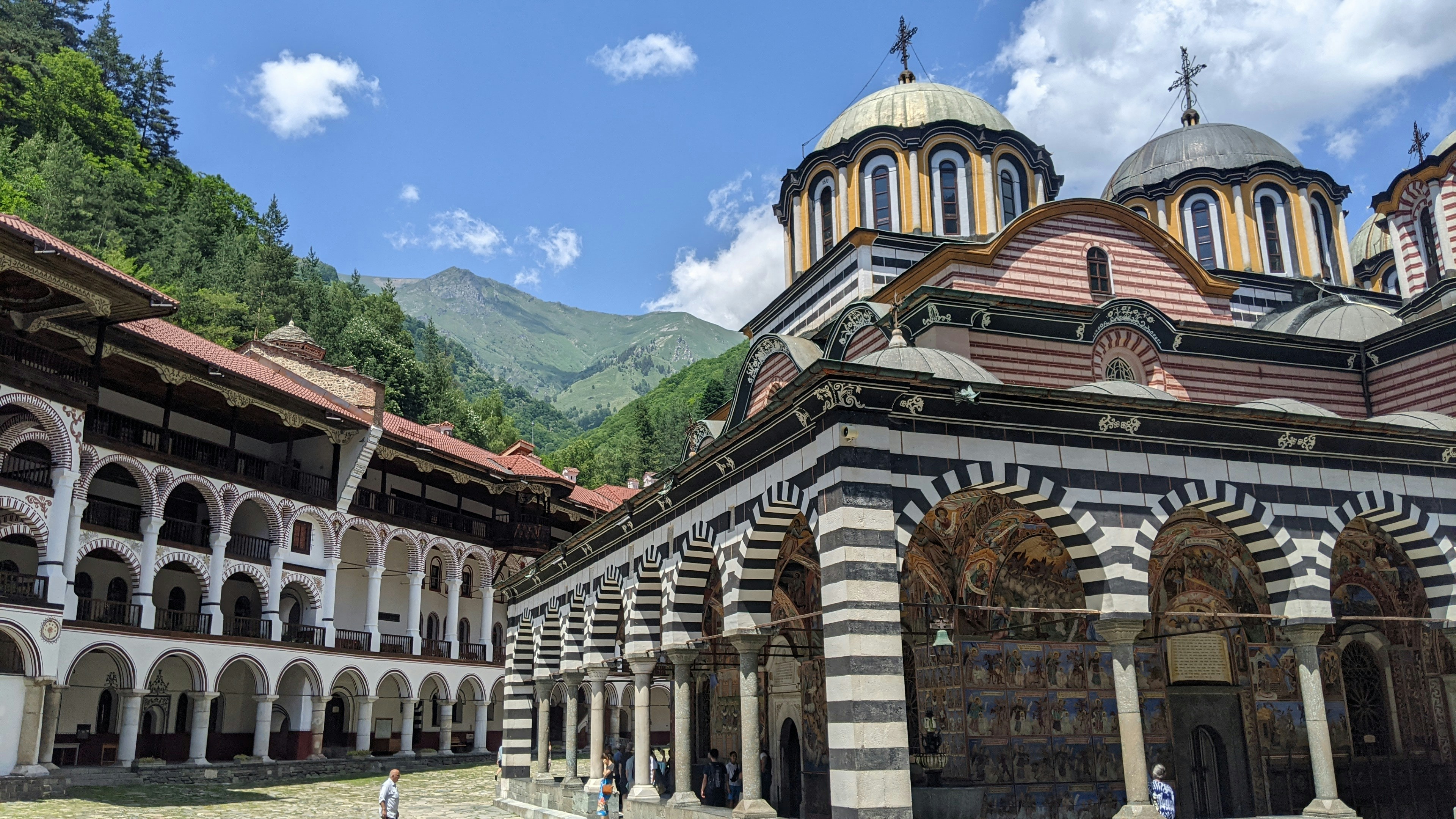
- Rila Monastery and mountain day trips – iconic Orthodox heritage.
- Black Sea coast – Varna, Burgas, and nearby beaches.
- Winter sports – ski resorts like Bansko.
To help you choose, here’s a simple decision table:
| If you want… | Then prioritize… |
|---|---|
| A quick taste of Bulgaria | Sofia + day trips (3-day itinerary) |
| Culture and countryside | Sofia + Plovdiv + Rila/Bachkovo (5-day) |
| Cities, mountains, and coast | Full 10-day loop across multiple regions |
| Winter ski focus | Bansko and nearby resorts + Sofia weekend |
| Summer beach focus | Black Sea base + city stopovers |
Each itinerary cluster article outlines daily activities, estimated costs, and transport tips, so you can see exactly how your days might look. Combine those plans with the Bulgaria Transport Guide, Bulgaria Travel Budget Guide, and Hello’s trip-planning features to build a custom route that still respects realistic timing and budgets.
3 Days in Bulgaria: A Day-by-Day Itinerary
ItinerariesBulgaria in 5 Days: The Perfect Extended Itinerary
ItinerariesBulgaria in 10 Days: The Ultimate Travel Itinerary
Getting AroundGetting Around Bulgaria: Transport Guide for Travellers
Budget PlanningBulgaria Travel Budget Guide: Daily Costs and Money Tips
Hello eSIM Connectivity in Bulgaria
Staying connected in Bulgaria in 2026 is easy with Hello eSIM, which offers instant data access without hunting for physical SIM cards. Activate your Hello eSIM before you land or on arrival, and you’ll have mobile data for maps, messaging, and bookings straight away.
The dedicated eSIM for Bulgaria: Best Plans, Coverage, and Setup Tips explains Bulgaria-specific data options, typical coverage quality, and step-by-step installation instructions. Use that article for technical details, but keep this high-level framework in mind:
- Before departure: Purchase and add a Hello eSIM for Bulgaria (or a regional plan that covers Bulgaria) in the Hello app.
- On arrival: Activate data, test maps and messaging, and keep your physical SIM as backup if needed.
- During the trip: Monitor data usage, top up if required, and rely on your connection for transport, translation, and bookings.
Hello eSIM works seamlessly with other Hello features: you can plan your itinerary, track expenses, and use group chats or shared budgets while everyone in your group stays online.
In Bulgaria, reliable data helps with:
- Navigating public transport using the Bulgaria Transport Guide.
- Double-checking costs from the Bulgaria Travel Budget Guide while you’re out.
- Reading reviews of restaurants featured in the Bulgaria Food Guide.
The Hello app also consolidates trip info—notes, checklists, bookings—alongside your Hello eSIM. Treat it as your travel hub: connectivity, planning, and budgeting in one place for your Bulgaria adventure.
Culture, Safety, and Practical Tips
Bulgaria in 2026 is generally safe and welcoming, with a few local customs worth knowing and standard big-city precautions. Understanding basic etiquette and safety tips will make your trip smoother and help you connect more easily with locals.
The Bulgaria Cultural Guide: Etiquette, Customs, and Tips explains greetings, body language, dress norms, and useful phrases. The Bulgaria Safety Guide: Tips for a Safe Trip covers common scams, emergency contacts, and health advice. Use both articles together for a full picture.
Key cultural pointers:
- Greetings are usually polite and reserved; a handshake and “Zdravey”/“Dobŭr den” go a long way.
- In some contexts, Bulgarians may nod differently for “yes” and “no” than you’re used to—learn this before you go.
- Dress modestly when visiting churches and monasteries.
Safety-wise, most issues are minor: pickpocketing in busy areas, taxi overcharging, and the usual travel mishaps. The safety guide helps you spot and avoid these, and explains when and where to be more cautious.
For money safety, combine the safety article with the Bulgaria Currency & Money Guide, which explains using ATMs, choosing cards, and handling cash sensibly.
Here’s a simple risk-awareness checklist:
- Keep valuables secure in crowded buses and tourist hotspots.
- Use reputable taxi companies or ride-hailing where possible.
- Save emergency numbers and your embassy/consulate contacts in the Hello app.
- Check health advisories and insurance coverage before you go.
By pairing the cultural and safety cluster articles with Hello’s trip notes and expense tracking, you’ll have both knowledge and tools to stay informed and prepared throughout your Bulgaria trip.
Before You Go: Bulgaria Trip Checklist for 2026
A good Bulgaria trip in 2026 starts with smart prep. Use this “Before You Go” checklist as your master list, then save and adapt it inside the Hello app so you can tick items off as you plan and pack.
Visa & documents:
- Confirm your entry rules (especially if you’re from Singapore) with the Bulgaria Visa & Entry Requirements for Singapore Passport Holders.
- Check passport validity (ideally 6+ months) and make digital/physical copies.
- Arrange travel insurance and store policy details in Hello.
Money & budget:
- Estimate your daily spend using the Bulgaria Travel Budget Guide: Daily Costs and Money Tips.
- Learn how to withdraw, pay, and tip from the Bulgaria Currency & Money Guide.
- Set a trip budget in Hello and share it with your travel group.
Connectivity & planning:
- Purchase and preload Hello eSIM using the eSIM for Bulgaria: Best Plans, Coverage, and Setup Tips.
- Decide on a core itinerary: 3, 5, or 10 days via the relevant cluster guides.
Transport & safety:
- Review the Getting Around Bulgaria: Transport Guide for Travellers.
- Read key advice in the Bulgaria Safety Guide: Tips for a Safe Trip.
Culture & packing:
- Skim the Bulgaria Cultural Guide: Etiquette, Customs, and Tips to align your clothing and behaviour.
- Pack for the season using the “Best Time to Visit” overview in this pillar guide.
Saving this checklist into Hello means it stays with you—alongside bookings, notes, and budgets—from first planning session to your final day in Bulgaria.
Bulgaria Visa & Entry Requirements for Singapore Passport Holders
Budget PlanningBulgaria Travel Budget Guide: Daily Costs and Money Tips
Currency & MoneyBulgaria Currency & Money Guide: Exchange, Cards, and Tips
eSIM & ConnectivityeSIM for Bulgaria: Best Plans, Coverage, and Setup Tips
Getting AroundGetting Around Bulgaria: Transport Guide for Travellers
Safety & HealthBulgaria Safety Guide: Tips for a Safe Trip
Cultural GuideBulgaria Cultural Guide: Etiquette, Customs, and Tips
Frequently Asked Questions
Is Bulgaria expensive to visit in 2026?
No—Bulgaria remains one of Europe’s most affordable destinations in 2026. Budget travellers can often manage on around €35–60 per day, while mid-range travellers typically spend €70–120. For a detailed breakdown by traveller type and expense category, see the Bulgaria Travel Budget Guide: Daily Costs and Money Tips and cross-check with your Hello app budget.
How many days do I need in Bulgaria?
For a first visit, 3–10 days works well. A 3-day stay gives you a strong taste of Sofia and a nearby day trip, 5 days lets you combine Sofia with Plovdiv or Rila Monastery, and 10 days unlock a full route including coast or mountains. Use: 3 Days in Bulgaria, Bulgaria in 5 Days, and Bulgaria in 10 Days to match your timeframe to a ready-made itinerary.
Do I need a visa to visit Bulgaria in 2026?
Visa rules depend on your nationality. Bulgaria follows EU-style entry policies, and visitors from some countries enjoy visa-free stays within set limits. Singapore passport holders, for example, have specific conditions explained in detail in the Bulgaria Visa & Entry Requirements for Singapore Passport Holders. Always check current rules a few weeks before travelling.
Is Bulgaria safe for solo travellers?
Generally yes. Bulgaria is considered safe for solo travellers in 2026, with typical big-city risks such as petty theft in crowded areas and occasional taxi scams. The Bulgaria Safety Guide: Tips for a Safe Trip outlines practical precautions, emergency contacts, and health considerations so you can move around with confidence.
What’s the best way to get around Bulgaria?
For most travellers, inter-city buses and trains plus city public transport and taxis offer a good balance of cost and convenience. Car rental is useful for exploring rural areas and mountains, while domestic flights may save time on longer routes. The Getting Around Bulgaria: Transport Guide for Travellers explains options, ticket tips, and route examples, often used inside the 3-, 5-, and 10-day itineraries.
Can I rely on mobile data and eSIM in Bulgaria?
Yes—coverage is generally good in cities and along major routes, and increasingly reliable in many rural areas. Using Hello eSIM means you can activate data quickly without visiting SIM shops. For Bulgaria-specific plans, coverage notes, and installation steps, follow the eSIM for Bulgaria: Best Plans, Coverage, and Setup Tips and manage everything directly in the Hello app.
Is Bulgarian food suitable for vegetarians and people with dietary restrictions?
Traditional Bulgarian cuisine leans towards meat and dairy, but in 2026 cities like Sofia and Plovdiv offer growing vegetarian, vegan, and international options. The Bulgaria Food Guide: Must-Try Dishes, Prices, and Tips covers what to expect, how to find suitable restaurants, and how to communicate dietary needs effectively.
eSIM Plans for Bulgaria
Detailed Articles
Dive deeper into specific topics covered in this guide.
Bulgaria Cultural Guide: Etiquette, Customs, and Tips
Essential do's and don'ts, greeting customs, dress codes, local phrases, and cultural tips for Bulgaria.
31 May 2026
3 Days in Bulgaria: A Day-by-Day Itinerary
A detailed 3-day itinerary for Bulgaria with daily activities, costs, neighborhoods, and transport tips.
9 June 2026
Bulgaria in 5 Days: The Perfect Extended Itinerary
A detailed 5-day itinerary for Bulgaria with daily activities, costs, neighborhoods, and transport tips for an extended stay.
4 May 2026
Bulgaria in 10 Days: The Ultimate Travel Itinerary
A comprehensive 10-day itinerary for Bulgaria covering top attractions, hidden gems, daily costs, and transport between cities.
18 June 2026
Bulgaria Travel Budget Guide: Daily Costs and Money Tips
How much does it cost to travel in Bulgaria? Daily budget breakdowns for budget, mid-range, and luxury travellers.
23 February 2026
Bulgaria Currency & Money Guide: Exchange, Cards, and Tips
Currency exchange, credit card acceptance, ATM tips, tipping culture, and money-saving advice for Bulgaria.
25 July 2026
Bulgaria Visa & Entry Requirements for Singapore Passport Holders
Visa requirements, passport validity, customs allowances, and entry tips for Singapore citizens travelling to Bulgaria.
7 July 2026
Getting Around Bulgaria: Transport Guide for Travellers
Airport transfers, public transport, ride-hailing apps, inter-city travel, and driving tips for Bulgaria.
22 May 2026
More Travel Guides
Destination Guide
Complete Bosnia and Herzegovina Travel Guide 2026
Everything you need to know about travelling to Bosnia and Herzegovina — budget, visa, food, transport, eSIM connectivity, and itineraries.
Destination Guide
Complete Bahamas Travel Guide 2026
Everything you need to know about travelling to Bahamas — budget, visa, food, transport, eSIM connectivity, and itineraries.
Destination Guide
Complete Bahrain Travel Guide 2026
Everything you need to know about travelling to Bahrain — budget, visa, food, transport, eSIM connectivity, and itineraries.
Destination Guide
Complete Sint Eustatius Travel Guide 2026
Everything you need to know about travelling to Sint Eustatius — budget, visa, food, transport, eSIM connectivity, and itineraries.