Bulgaria Cultural Guide: Etiquette, Customs, and Tips
Essential do's and don'ts, greeting customs, dress codes, local phrases, and cultural tips for Bulgaria.
By Hello Travel Team
This article contains affiliate links. If you book through them, Hello may earn a commission at no additional cost to you. Our editorial recommendations are independent. Learn more.
TL;DR: Bulgaria Cultural Basics, Etiquette, and Essential Dos and Don’ts
Bulgaria’s culture blends Balkan warmth, Orthodox tradition, and European practicality, so polite greetings, modest dress in churches, and relaxed yet respectful manners will take you far. Learn a few Bulgarian phrases, watch the yes/no head gestures, and avoid loud behavior or political debates.
Bulgaria is friendly and laid-back, but there are a few cultural nuances worth knowing before you go. People value good manners, personal space, and respect for their history and religion, especially around Orthodox churches and monasteries. A simple “Dobăr den” (good day) and a smile goes a long way.
The biggest “gotcha” for visitors is the head-nod confusion: in Bulgaria, nodding your head up and down traditionally means “no,” while shaking it side to side means “yes.” Younger Bulgarians may adapt to Western gestures, but when in doubt, listen to the spoken answer.
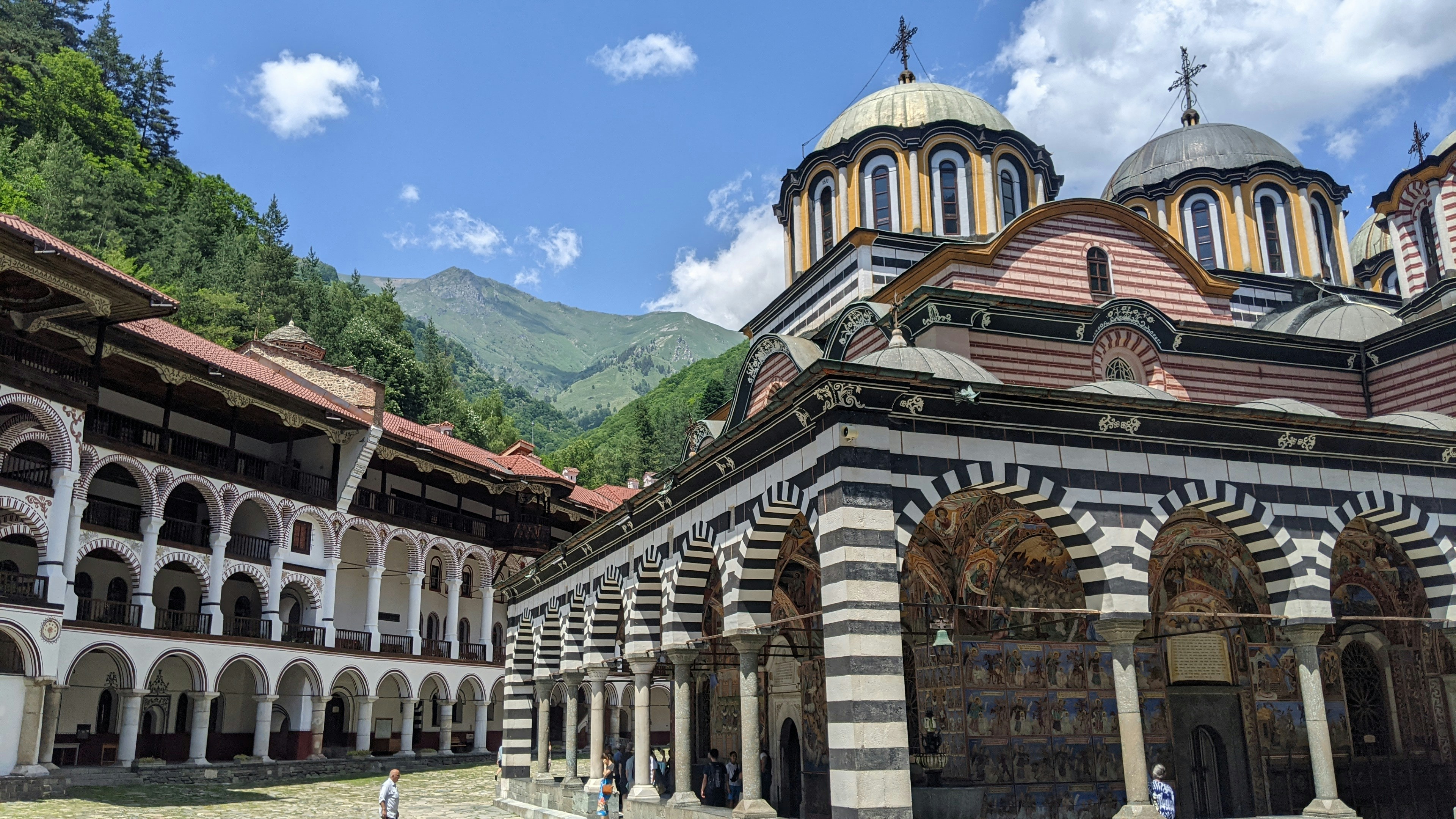
You’ll be fine in casual clothes in cities like Sofia and Plovdiv, but pack modest, shoulder-covering outfits for visiting places such as Rila Monastery or small village churches. At restaurants, tipping 10% is normal in 2026, and card payments are widely accepted, especially in cities.
To keep your trip smooth, follow a few simple rules: greet people, don’t be loud on public transport, ask before taking close-up photos of people, and avoid sensitive topics like current politics unless you know the person well. Everything else is mostly common sense and a bit of Balkan charm.
Greeting Customs and Bulgaria Etiquette: How to Say Hello the Right Way
In Bulgaria, polite greetings, a firm but friendly tone, and respect for personal space are the core of everyday etiquette, whether you’re checking into a guesthouse or ordering banitsa at a local bakery. A simple “Dobăr den” and eye contact will make most interactions smoother.
Daily greetings are straightforward: use “Dobăr den” (good day) from morning until early evening, and “Dovizhdane” (goodbye) when you leave. First names come quickly in casual situations, but in more formal contexts you may hear someone addressed as “gospodin” (Mr.) or “gospoja” (Mrs.) followed by their family name.
Bulgarians tend to stand a comfortable distance apart, and friendly small talk about travel, food, or local recommendations is welcome. Overly intense enthusiasm or very loud voices, especially on trams or in residential areas, can feel rude. Always wait your turn in queues—cutting in line is frowned upon.
Handshakes are common in business or more formal introductions, while among friends you’ll see quick hugs or cheek kisses. If you’re unsure, let the local person lead and simply mirror their greeting.
At cafes and restaurants, speaking calmly, saying “please” (“molya”) and “thank you” (“blagodarya”) makes a good impression. In smaller towns and villages, greeting shop owners or bus drivers when you enter is considered polite. Remember: Bulgarians appreciate sincerity more than perfection in your language, so don’t worry if your accent isn’t perfect.
Local Phrases, Head Gestures, and Communication Tips in Bulgaria
The most important communication tip in Bulgaria is understanding basic phrases and the famous yes/no head gesture, because mastering both will prevent mix-ups at restaurants, train stations, and local markets. Learn key words, listen for verbal answers, and watch your non-verbal signals.
Here are some useful Bulgarian phrases for travellers:
- Hello: “Zdravey” (informal), “Zdraveyte” (polite/plural)
- Good day: “Dobăr den”
- Please: “Molya”
- Thank you: “Blagodarya”
- Sorry/Excuse me: “Izvinete”
- Do you speak English?: “Govorite li angliyski?”
The trickiest part for visitors is the traditional head movement: nodding up and down can mean “no,” while shaking side to side can mean “yes.” This convention is slowly changing, especially among younger Bulgarians and in touristy areas, so you’ll sometimes see a more Western pattern. When it’s important—like agreeing to a taxi fare or confirming your order—trust the spoken “da” (yes) or “ne” (no) more than the gesture.
Bulgarians value direct but polite communication. It’s fine to ask practical questions about prices or directions, but avoid overly personal topics (income, private family matters) with people you’ve just met. A good strategy is to start in English, then add a Bulgarian word or two; locals often appreciate the effort.
Staying connected with an eSIM from Hello makes translation apps and maps easy to use on the go; with Hello eSIM for Bulgaria, you can look up phrases or bus timetables without hunting for Wi‑Fi during your trip.
Dress Codes, Religious Sites, and Photography Rules in Bulgaria
Bulgaria’s dress code is casual in cities but clearly more modest in religious sites, so smart-casual outfits are fine for everyday sightseeing while covered shoulders and knees are expected in churches and monasteries, especially in rural or traditional areas.
In Sofia, Plovdiv, and Varna, typical streetwear—jeans, dresses, sneakers—is perfectly normal, and you’ll see a European mix of styles. For restaurants, smart-casual is enough unless you’re visiting high-end venues where men might prefer long trousers and closed shoes.
When visiting Orthodox churches and monasteries like Rila Monastery or Bachkovo, aim for modest clothing: covered shoulders, no very short shorts, and skirts or trousers that reach at least the knee. In some monasteries, you may find shawls or wraparound skirts at the entrance for visitors who need extra coverage.
Photography is usually allowed outside religious buildings and in many interiors, but there are exceptions. In some churches, especially where icons are venerated, photos may be forbidden or restricted to non-flash. Always look for signs near the entrance, and when unsure, ask a staff member or priest.
For photographing people, especially in markets or villages, it’s considerate to ask permission first, particularly with older people or children. Police stations, military areas, and certain border facilities are best avoided for any photography.
In 2025, Bulgaria welcomed over 11 million foreign visitors, according to national tourism data, and many key attractions have clear signboards in English explaining dress and photography rules, so keep an eye out as you go.
Business Etiquette, Meetings, and Gift-Giving Customs in Bulgaria
Bulgarian business etiquette blends European formality with local warmth, so punctuality, respectful greetings, and small gestures like modest gifts or treating someone to coffee can build strong relationships in both corporate and casual settings.
In business meetings, punctuality matters. Arriving 5–10 minutes early is considered professional, and first meetings often start with a handshake, exchange of business cards, and brief small talk. Use titles and last names initially—“gospodin Ivanov” or “gospoja Petrova”—until invited to switch to first names.
Dress is generally business-smart: men in shirts and trousers, often with jackets; women in dresses or blouses with skirts/trousers. In tech and creative sectors in Sofia, you’ll see more relaxed styles, but appearing neat and well-groomed is still important.
Gift-giving is common in social and work contexts but usually modest. Appropriate items include:
- Local specialties from your country (chocolates, coffee, small regional foods)
- Books or souvenirs representing your city
- A good bottle of wine when visiting someone’s home
Avoid overly expensive gifts, and be cautious with items that could be seen as bribes in formal business settings.
When invited to a Bulgarian home, bringing flowers or sweets is a kind gesture. Choose an odd number of flowers, as even numbers are associated with funerals.
Expense tracking and splitting bills during team trips or conferences can be simplified using the Hello app’s expense-splitting and multi-currency tracking features, especially when colleagues pay in euros, Bulgarian lev (BGN), or other currencies.
Bulgarian Holidays, Seasonal Customs, and Travel Planning Dos and Don’ts
Bulgaria’s major holidays and seasonal customs can affect opening hours, transport, and local vibes, so checking dates for Orthodox Easter, public holidays, and regional festivals will help you avoid surprises and enjoy more authentic experiences.
Key national holidays that can impact travel include:
- 3 March – Liberation Day: National holiday with parades and events; some museums and shops may close or have reduced hours.
- 1 May – Labour Day and 6 May – St. George’s Day: Public holidays; expect busier parks and countryside outings.
- 24 May – Day of Bulgarian Education and Culture: Celebrations in cities, especially around schools and universities.
Orthodox Easter (dates vary each year) brings packed churches and family gatherings, with many people travelling domestically. On Easter Sunday and Monday, some smaller businesses may close or run shortened hours. Christmas follows the Orthodox calendar, with Christmas Eve (24 December) and Christmas Day (25 December) being particularly family-oriented.
In March, you’ll see Bulgarians exchanging martenitsa—red and white woven bracelets or tassels symbolizing health and spring—often worn until the first blossoming tree is seen. As a visitor, you may be gifted one; wearing it is a nice sign of respect for local custom.
Tourism statistics from 2024 show Bulgaria’s visitor numbers climbing steadily, particularly in summer along the Black Sea coast and winter in ski resorts like Bansko and Borovets. During peak dates, book accommodation and intercity buses ahead and expect slightly higher prices, for example €50–90 per night for mid-range hotels in Sofia in summer 2026.
To keep track of changing public transport schedules and holiday opening times, being online with Hello eSIM for Bulgaria makes checking official city and tourism websites much easier while you’re on the move.
Common Questions About Bulgaria Culture, Customs, and Everyday Travel Etiquette
Most everyday Bulgaria etiquette questions focus on tipping, greetings, and the famous yes/no head gestures, and the simple answer is: tip around 10%, greet people politely, and listen to the words “da” (yes) and “ne” (no) more than the head movement.
Is tipping expected in Bulgaria?
Yes, tipping is customary in restaurants and cafes. As of 2026, 10% is a standard tip if service is good, and rounding up small amounts in taxis is appreciated. In very small local eateries, leaving coins or rounding to the nearest lev is common.
Is Bulgaria safe for solo travellers?
Major cities like Sofia, Plovdiv, and Varna are generally safe, with typical big-city precautions: watch your belongings in crowded places, use registered taxis, and avoid poorly lit areas late at night. Bulgaria’s crime rate is lower than many Western European countries, according to European statistics agencies.
How expensive is Bulgaria compared to Western Europe?
Bulgaria is usually cheaper. In 2026, a typical restaurant meal in Sofia might cost $10–15, local beer around $2–3, and urban public transport tickets about $1–2 per ride. A mid-range hotel room can be $50–90 per night, depending on season and location.
What should I avoid doing culturally?
Avoid loud arguments in public, insensitive jokes about history or politics, and ignoring dress rules in churches. It’s also respectful not to treat Bulgaria as “just another cheap destination”; locals appreciate genuine interest in their culture.
Using the Hello app’s budget tracking and AI receipt scanning can help you keep a clear overview of these everyday costs in Bulgarian lev and your home currency, especially on longer trips with multiple cities.
Explore These Destinations
Stay Connected
Book this trip
Compare options on trusted travel sites
Plan activities for this trip
Continue to a reviewed booking partner to check schedules, inclusions, and terms.

Make the most of Bulgaria
From eSIM connectivity to expense tracking, Hello is the all-in-one companion that keeps your trip stress-free.
Related Articles
Bulgaria Currency & Money Guide: Exchange, Cards, and Tips
Currency exchange, credit card acceptance, ATM tips, tipping culture, and money-saving advice for Bulgaria.
25 July 2026
Bulgaria Safety Guide: Tips for a Safe Trip
Safety tips, health advisories, emergency contacts, common scams, and travel insurance advice for Bulgaria.
16 July 2026
Bulgaria Visa & Entry Requirements for Singapore Passport Holders
Visa requirements, passport validity, customs allowances, and entry tips for Singapore citizens travelling to Bulgaria.
7 July 2026