Bulgaria Currency & Money Guide: Exchange, Cards, and Tips
Currency exchange, credit card acceptance, ATM tips, tipping culture, and money-saving advice for Bulgaria.
By Hello Travel Team
TL;DR: Bulgaria Currency and Money Tips
Bulgaria uses the euro (€) as its official currency following adoption on 1 January 2026. The Bulgarian lev was converted at the fixed rate of €1 = BGN 1.95583, with both currencies accepted only during January 2026; from 1 February 2026, euro cash became the sole legal tender, according to the European Central Bank. For travellers, cards and contactless payments work widely in Sofia, Plovdiv, Varna, and major tourist areas, but small cash reserves remain useful for markets, rural transport, and independent cafés. Exchange money through banks or reputable exchange offices, decline dynamic currency conversion, and check ATM fees before confirming withdrawals. Use Bulgaria as a planning base, and track spending in euros with Hello’s multi-currency budget tools.
Bulgaria Currency and the SGD Exchange Rate
Bulgaria’s currency is now the euro, so Singapore travellers should monitor the EUR/SGD rate rather than a lev exchange rate when planning costs. Bulgaria joined the euro area on 1 January 2026 as its 21st member, while the former lev’s official conversion rate was fixed at €1 = BGN 1.95583 by the European Union and European Central Bank. The exact SGD value of €1 changes throughout the day, so check a live mid-market rate shortly before departure and again when withdrawing cash. Your card issuer may add a foreign transaction fee or use its own exchange rate. As a practical method, record the current rate in your travel budget and leave a small buffer for conversion costs. For example, if €1 equals S$1.50, a €25 restaurant bill is approximately S$37.50 before card fees; the final amount may differ slightly. Hello’s expense tracker automatically converts purchases across currencies, which makes it easier to see your Bulgaria spending in Singapore dollars while travelling. During the January 2026 transition, lev cash could still be used and change was issued in euros, but that temporary arrangement has ended.
Where to Exchange Money and How to Avoid Poor Rates
The safest way to exchange money in Bulgaria is to use a bank, an established exchange office, or an ATM operated by a recognised bank rather than an unmarked street booth. Sofia Airport and major transport hubs are convenient but may offer less competitive rates than city-centre banks or reputable exchange offices. Compare the displayed rate, commission, and the final amount you will receive before handing over cash. Never rely only on a large headline rate: some offices display one rate for large transactions or apply a separate service charge. Count your euros at the counter and request a receipt. Avoid exchanging money with individuals, accepting unsolicited help, or signing paperwork you cannot understand. Travellers carrying Singapore dollars may find euros easier to exchange than less commonly traded currencies, but withdrawing euros directly from a bank ATM can be simpler. If an ATM or card terminal asks whether to charge you in SGD or euros, choose euros and let your bank perform the conversion; this usually avoids dynamic currency conversion mark-ups. Keep a modest emergency reserve, such as €50–€100, separately from your wallet, especially for day trips to monasteries, mountain villages, or Black Sea resorts where options can be limited.
Using Cards, Contactless Payments, and ATMs in Bulgaria
Visa and Mastercard are widely accepted in Bulgarian cities and tourist areas, and contactless payment is common, but carrying some euro cash remains sensible. Hotels, supermarkets, shopping centres, museums, taxis booked through apps, and many restaurants in Sofia, Plovdiv, Varna, and Burgas generally accept cards. Smaller bakeries, open-air markets, rural guesthouses, beach kiosks, and some public transport ticket machines may still prefer cash. Most ATMs dispense euros after the 2026 currency changeover, and the European Commission reported that 96% were distributing euro banknotes from 1 January 2026, with the remainder expected to follow shortly. Use ATMs attached to banks where possible, inspect the machine for tampering, and avoid standalone machines in nightlife districts. Before confirming, check the withdrawal fee, exchange rate, and whether the ATM is offering its own conversion. Decline conversion to SGD and select euros. Your Singapore bank may charge a foreign ATM fee, while the Bulgarian operator may add a separate surcharge, so fewer larger withdrawals can cost less than many small ones. Notify your bank before travelling, keep a second card separately, and save emergency contact details offline. Hello’s budget tracker can categorise cash withdrawals and card purchases automatically, helping identify fees before they accumulate.
Bulgaria Tipping Culture: Restaurants, Taxis, and Hotels
Tipping in Bulgaria is appreciated but not compulsory; rounding up or leaving around 5–10% for good service is a practical rule. In restaurants, check the bill first because a service charge may already be included. If it is not, leave roughly 5–10% for attentive table service, usually in cash or through the card terminal if a tip option appears. A small café bill can simply be rounded up, while exceptional service may justify a little more. Taxis do not generally require a formal percentage tip, but rounding the fare to the nearest euro is friendly and convenient. For hotel porters, about €1–€2 per bag is reasonable, while housekeeping may receive €1–€2 per night when service has been good. Tour guides and drivers on organised excursions appreciate a modest gratuity, particularly after a full-day trip. Avoid assuming that American-style tipping is expected everywhere; tipping is discretionary and should reflect service. Carry small euro notes and coins because staff may not be able to provide change. When paying by card, confirm the total before tapping, especially if the terminal displays separate tip and purchase screens. In busy tourist areas, review the menu and bill carefully to ensure that extras, cover charges, or drinks have not been added unexpectedly.
Common Bulgaria Money Scams and Practical Ways to Save
Most Bulgaria money problems are avoidable when travellers verify prices, use official payment channels, and keep cards and cash secure. A common risk is poor exchange-office transparency: compare the final amount, ask whether commission applies, and do not exchange money with street solicitors. At restaurants, photograph or remember menu prices, check the bill for duplicated items, and confirm whether bread, service, or cover charges are listed. Use licensed taxis or a reputable booking app, and agree on the fare or meter before departure. At ATMs, shield your PIN, cancel if the machine looks altered, and never accept help from strangers. For cheaper travel, eat lunch at local restaurants, shop at supermarkets for breakfast and water, use public transport in Sofia and Plovdiv, and book intercity tickets early when possible. Museums and attractions may have lower off-peak or combination prices, while walking between central sights costs nothing. A realistic daily budget in 2026 might be €35–€60 for a budget traveller, €70–€130 for a comfortable mid-range trip, and more in premium resorts or during peak summer. Split accommodation, taxis, and shared meals with friends in Hello; the app supports multiple currencies and automatic conversion, reducing awkward manual calculations.
Digital Payments, Connectivity, and Spending on the Go
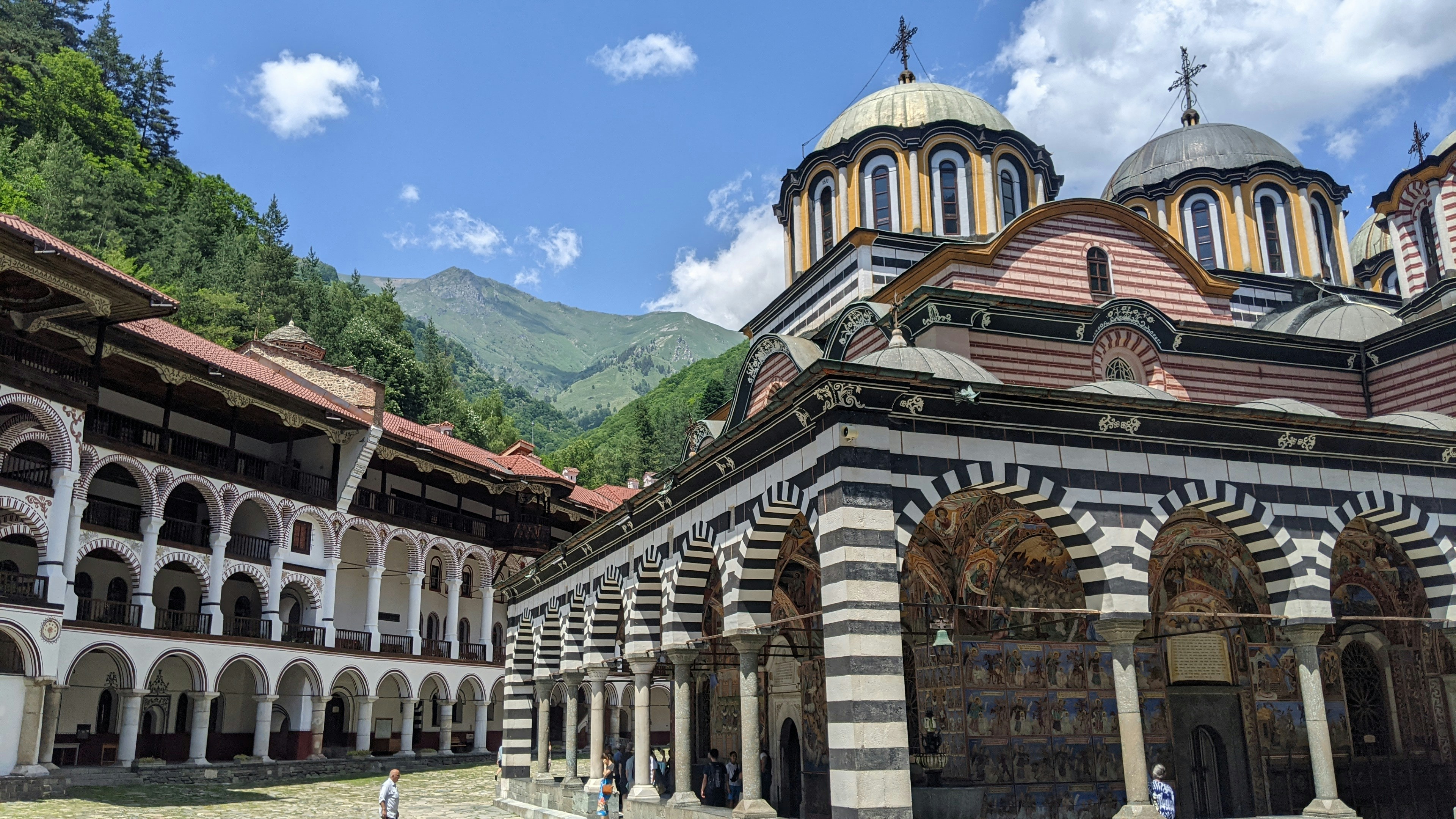
Mobile payments make city travel convenient, but Bulgaria’s payment habits vary by business, so combine a contactless card, a phone wallet, and emergency euros. Apple Pay and Google Pay can be useful wherever compatible card terminals are available, while local merchants may support Bulgarian banking apps and QR-based payments. WeChat Pay and PayPay are not reliable nationwide payment methods for ordinary Bulgarian purchases, so travellers should not depend on them. Confirm that your bank has enabled overseas card use and retain a physical card in case a phone battery dies or a terminal rejects mobile payment. Reliable data helps with maps, transport apps, translation, banking alerts, and checking live EUR/SGD rates. An eSIM from Hello can provide connectivity on arrival through Hello’s travel app, which also supports expense splitting, AI receipt scanning, voice expense entry, bank-statement imports, and budget tracking. Scan receipts in different languages and currencies, then review spending by category such as transport, food, and attractions. Before departure, install the Hello app, activate your Hello eSIM, download offline maps, and save your bank’s emergency number. This preparation keeps payment decisions simple when travelling between Sofia, the Rila Monastery, the Rhodope Mountains, and the Black Sea coast.
Common Questions About Bulgaria Money
Travellers usually need euros, a card, and a small cash reserve; Bulgaria no longer uses the lev as legal tender after its 2026 euro changeover.
What currency is used in Bulgaria? Bulgaria uses the euro. The lev-to-euro conversion was fixed at €1 = BGN 1.95583, and euro banknotes and coins became official on 1 January 2026. The lev stopped being legal tender after the January transition period.
Should I exchange SGD before visiting Bulgaria? You do not need to convert all your Singapore dollars in advance. Bring a card with reasonable overseas fees and withdraw or exchange a limited amount through reputable providers. Compare the live EUR/SGD rate with the rate offered by your bank or exchange office.
Can I pay by card in Bulgaria? Yes, cards and contactless payments are common in cities, hotels, supermarkets, and major attractions. Small shops, markets, rural businesses, and some transport services may require euros.
How much should I tip? Around 5–10% in restaurants for good service is customary when no service charge is included. Rounding up taxi fares and leaving €1–€2 for hotel assistance is generally sufficient.
Are Bulgaria ATMs safe? Bank-operated ATMs are usually the better choice. Decline conversion to SGD, inspect fees, protect your PIN, and keep a backup payment method.
Explore These Destinations
Stay Connected
Track your Bulgaria trip budget
Split expenses with friends, track spending by category, and see real-time currency conversions — all in one app.
Related Articles
Bulgaria Safety Guide: Tips for a Safe Trip
Safety tips, health advisories, emergency contacts, common scams, and travel insurance advice for Bulgaria.
16 July 2026
Bulgaria Visa & Entry Requirements for Singapore Passport Holders
Visa requirements, passport validity, customs allowances, and entry tips for Singapore citizens travelling to Bulgaria.
7 July 2026
eSIM for Bulgaria: Best Plans, Coverage, and Setup Tips
Everything you need to know about using eSIM in Bulgaria. Best data plans, network coverage, and setup instructions.
28 June 2026