Bulgaria Visa & Entry Requirements for Singapore Passport Holders
Visa requirements, passport validity, customs allowances, and entry tips for Singapore citizens travelling to Bulgaria.
By Hello Travel Team
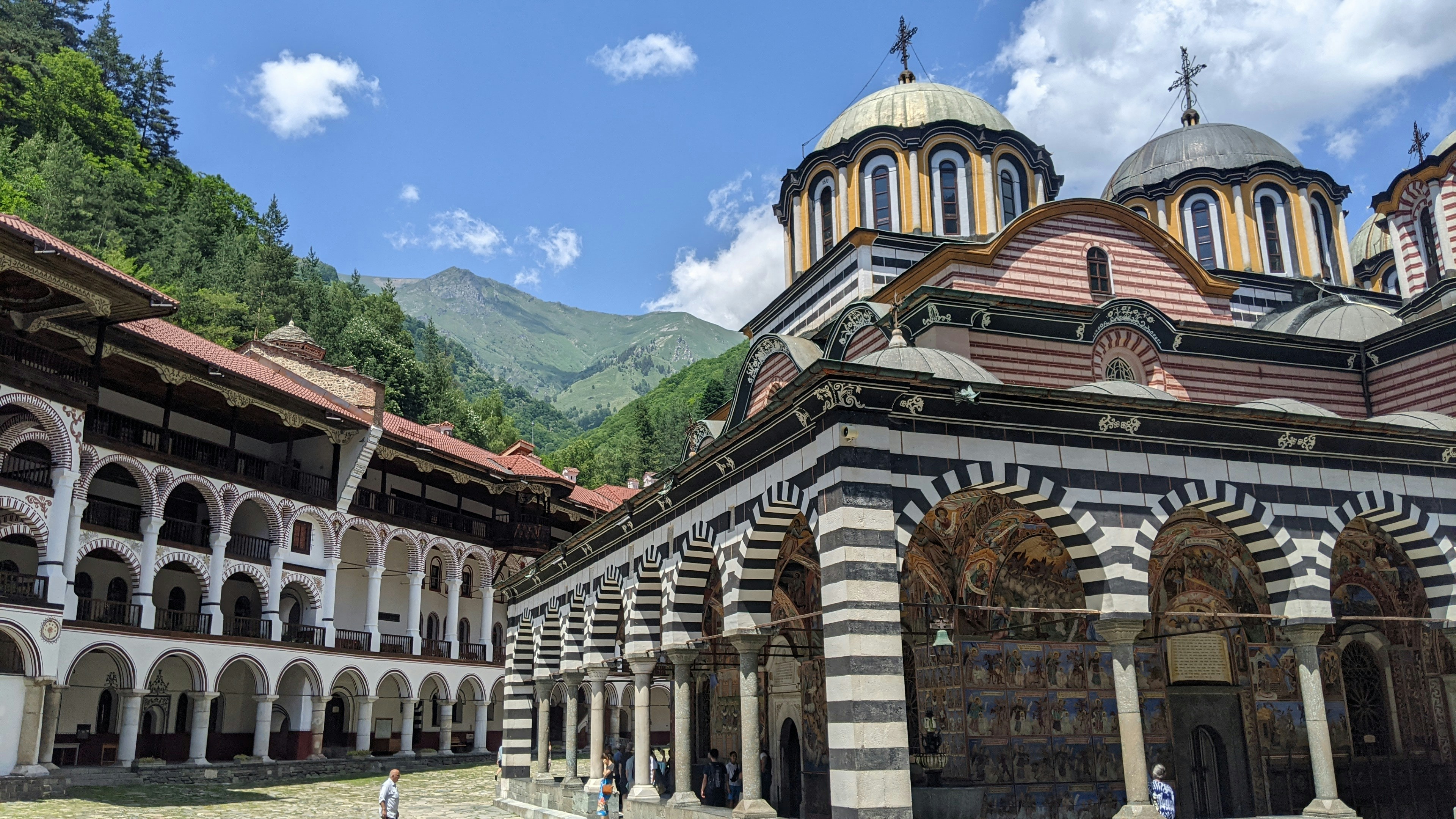
Bulgaria Visa Requirements for Singapore Passport Holders: TL;DR
Singapore passport holders can visit Bulgaria visa-free for up to 90 days in any 180-day period for tourism, visits, or other permitted short stays, provided they do not take up employment. Bulgaria follows Schengen short-stay rules, so time spent in Bulgaria counts toward the combined Schengen-area limit. There is no standard visa-on-arrival or tourist e-visa process for Singapore citizens. Singapore’s Ministry of Foreign Affairs confirms that Singaporeans may stay in the Schengen Area for up to 90 days in any 180-day period without a visa, provided no employment is sought. Before departure, carry a passport valid for at least three months beyond your planned departure from Bulgaria, proof of accommodation, return or onward travel, and evidence of sufficient funds. Although six months’ validity is not generally the stated minimum for visa-exempt entry, keeping six months of validity is a sensible buffer for a multi-country European trip.
Bulgaria Entry Requirements for Singapore Citizens in 2026
Singapore citizens generally meet Bulgaria entry requirements without applying for a visa when travelling for a short visit of no more than 90 days in a rolling 180-day period. Bulgaria’s Ministry of Foreign Affairs lists Singapore as visa-exempt for ordinary passport holders, while Singapore’s MFA advises that Singaporeans may travel within the Schengen Area for up to 90 days in any 180-day period without employment. | Requirement | What Singapore travellers should know | |---|---| | Visa | Not required for eligible short stays of up to 90 days in 180 days | | Visa on arrival | Not available as a normal substitute for visa-free entry | | Tourist e-visa | No standard tourist e-visa is normally required for Singapore passport holders | | Passport | Use a regular passport in good condition; aim for at least three months’ validity after departure | | Purpose | Tourism and short permitted visits; employment requires separate authorisation | | Border documents | Accommodation details, onward ticket and proof of funds may be requested | Bulgaria is now treated within the Schengen framework for short-stay calculations. Count previous days spent in destinations such as Germany, France, Italy, Greece or Croatia before assuming you have a fresh 90-day allowance. The 90-day rule is not automatically reset by leaving Bulgaria for a weekend.
Passport Validity, Documents and Schengen 90-Day Calculation
Your passport should remain valid for at least three months after your intended departure from Bulgaria, but Singapore travellers are better protected by keeping six months of remaining validity and at least two blank pages. Bulgaria’s official visa guidance says travel documents should expire at least three months after departure, contain two blank pages, and have been issued within the previous 10 years. Border officers can also assess whether your visit is credible and adequately funded. Keep these documents accessible rather than packed in checked luggage: - Singapore passport in good condition, with sufficient validity - Confirmed hotel, apartment or host address - Return or onward flight reservation - Travel insurance details and emergency contacts - Evidence of funds, such as bank-app access, cards or recent statements - Details of your itinerary and transport bookings The most important planning issue is the 90 days in any 180-day period calculation. It includes eligible short stays across the Schengen Area, not only nights in Bulgaria. For example, spending 10 days in Austria, 12 days in Hungary and 8 days in Bulgaria uses 30 days of the allowance. If your itinerary includes a non-Schengen country, check the rules separately because leaving the Schengen Area does not necessarily restore the full allowance immediately.
Customs and Duty-Free Allowances When Entering Bulgaria
Travellers entering Bulgaria should declare restricted goods, large amounts of cash and commercial quantities; ordinary personal luggage is usually straightforward, but tobacco, alcohol, medicines and food can attract specific limits or controls. Bulgaria is in the European Union, and customs rules distinguish between personal effects, goods from other EU countries and imports from outside the EU. For a Singapore-to-Bulgaria flight, keep purchases within personal-use quantities and retain receipts for expensive items. Common practical reminders include: - Declare cash or equivalent financial instruments of €10,000 or more when EU customs rules require declaration. - Alcohol and tobacco allowances are intended for personal use, not resale; unusually large quantities may trigger questions. - Prescription medicines should remain in original packaging, with a prescription or doctor’s letter where appropriate. - Avoid carrying meat, dairy or other restricted animal products from outside the EU unless the relevant rules clearly permit them. - Declare valuable commercial goods, merchandise and items that exceed personal allowances. Duty-free limits and controlled-goods rules can change, so check Bulgaria’s Customs Agency and the European Commission’s travelling-with-goods guidance before packing. Under-16 travellers are generally not entitled to duty-free tobacco or alcohol allowances. If uncertain, choose the red customs channel and ask rather than risk an undeclared import.
Health, Vaccination and Travel Insurance Requirements for Bulgaria
Singapore passport holders do not normally need a special vaccination certificate to enter Bulgaria when arriving from Singapore, and routine tourist entry does not generally involve a mandatory COVID-19 test or quarantine requirement. Health rules can change with outbreaks, transit points or an individual traveller’s circumstances, so check Bulgaria’s official health authorities and Singapore MFA advice close to departure. Before flying, confirm that routine vaccinations are current, especially measles-mumps-rubella, tetanus and seasonal influenza where relevant. Travellers visiting rural areas, hiking in the mountains or spending time outdoors should discuss itinerary-specific protection with a travel-health professional. Pack regular medicines in original containers and bring enough for the trip plus a small reserve. A doctor’s letter is useful for controlled medicines or injectable treatments. Travel insurance is strongly recommended even when it is not requested at the border. A policy should cover medical treatment, hospitalisation, evacuation, trip disruption and lost documents. Bulgaria uses the Bulgarian lev, although many hotels and larger businesses display euro prices; medical facilities may still require payment or proof of insurance. Emergency number 112 operates across the European Union. Check official guidance again before departure because health and entry conditions can change faster than airline booking pages.
Arrival Tips, Local Costs and Staying Connected in Bulgaria
The smoothest arrival is to prepare your documents, money and mobile data before landing at Sofia Airport, then use official taxis, airport transport or pre-booked transfers rather than accepting unsolicited offers. Sofia Airport is roughly 10 kilometres from central Sofia; the metro is often the most economical option when operating hours and luggage make it practical, while a legitimate taxi to central areas commonly costs around €10–€20 in 2026, depending on traffic and destination. In Sofia, a casual restaurant meal may cost approximately €8–€15 per person, while a sit-down meal for two at a mid-range restaurant can be around €35–€60, excluding premium venues. Bulgaria’s currency is the Bulgarian lev (BGN), even though Bulgaria’s euro transition plans and displayed prices may affect how businesses present costs; confirm the payment currency and exchange rate at checkout. For reliable arrival connectivity, arrange Hello eSIM for Bulgaria before departure. Hello offers eSIM data plans for 200+ countries, with plans starting from 5GB and live-updated pricing, so you can activate compatible mobile data before or soon after landing. The Hello app also supports trip planning, budget tracking, AI receipt scanning and expense splitting across currencies—useful when sharing Sofia taxis, Plovdiv accommodation or a road trip with friends.
Common Questions About Bulgaria Visa-Free Travel for Singaporeans
The short answer to most questions is that Singapore passport holders can enter Bulgaria without a visa for up to 90 days in any 180-day period, but they must satisfy normal border, passport and purpose-of-visit requirements. Do I need a visa for Bulgaria if I hold a Singapore passport? No, not for an eligible short tourist or business visit within the 90-day limit. Is Bulgaria visa-free for Singapore citizens? Yes, ordinary Singapore passport holders are generally visa-exempt for short stays; employment and longer residence require different permits. Can I get a Bulgaria visa on arrival? Visa-on-arrival is not the normal route for Singaporeans because eligible short visits are visa-free. Does Bulgaria have a tourist e-visa for Singaporeans? A standard tourist e-visa is generally unnecessary for Singapore passport holders. How long must my passport be valid? Bulgaria’s official visa guidance specifies at least three months after intended departure for relevant travel documents; six months’ remaining validity is a safer practical target. Do days in other European countries count? Yes. Bulgaria’s short-stay allowance follows Schengen rules, so count eligible days across the Schengen Area. Can I work in Bulgaria visa-free? No. Visa exemption for tourism or other short visits does not grant employment rights. For the latest position, check the Bulgarian Ministry of Foreign Affairs and Singapore’s Ministry of Foreign Affairs Bulgaria travel advice before booking.
Explore These Destinations
Stay Connected
Ready for Bulgaria?
eSIM data, expense splitting, budget tracking, and more. Everything you need for a smooth trip in one app.
Related Articles
Bulgaria Currency & Money Guide: Exchange, Cards, and Tips
Currency exchange, credit card acceptance, ATM tips, tipping culture, and money-saving advice for Bulgaria.
25 July 2026
Bulgaria Safety Guide: Tips for a Safe Trip
Safety tips, health advisories, emergency contacts, common scams, and travel insurance advice for Bulgaria.
16 July 2026
eSIM for Bulgaria: Best Plans, Coverage, and Setup Tips
Everything you need to know about using eSIM in Bulgaria. Best data plans, network coverage, and setup instructions.
28 June 2026