Getting Around Bulgaria: Transport Guide for Travellers
Airport transfers, public transport, ride-hailing apps, inter-city travel, and driving tips for Bulgaria.
By Hello Travel Team
This article contains affiliate links. If you book through them, Hello may earn a commission at no additional cost to you. Our editorial recommendations are independent. Learn more.
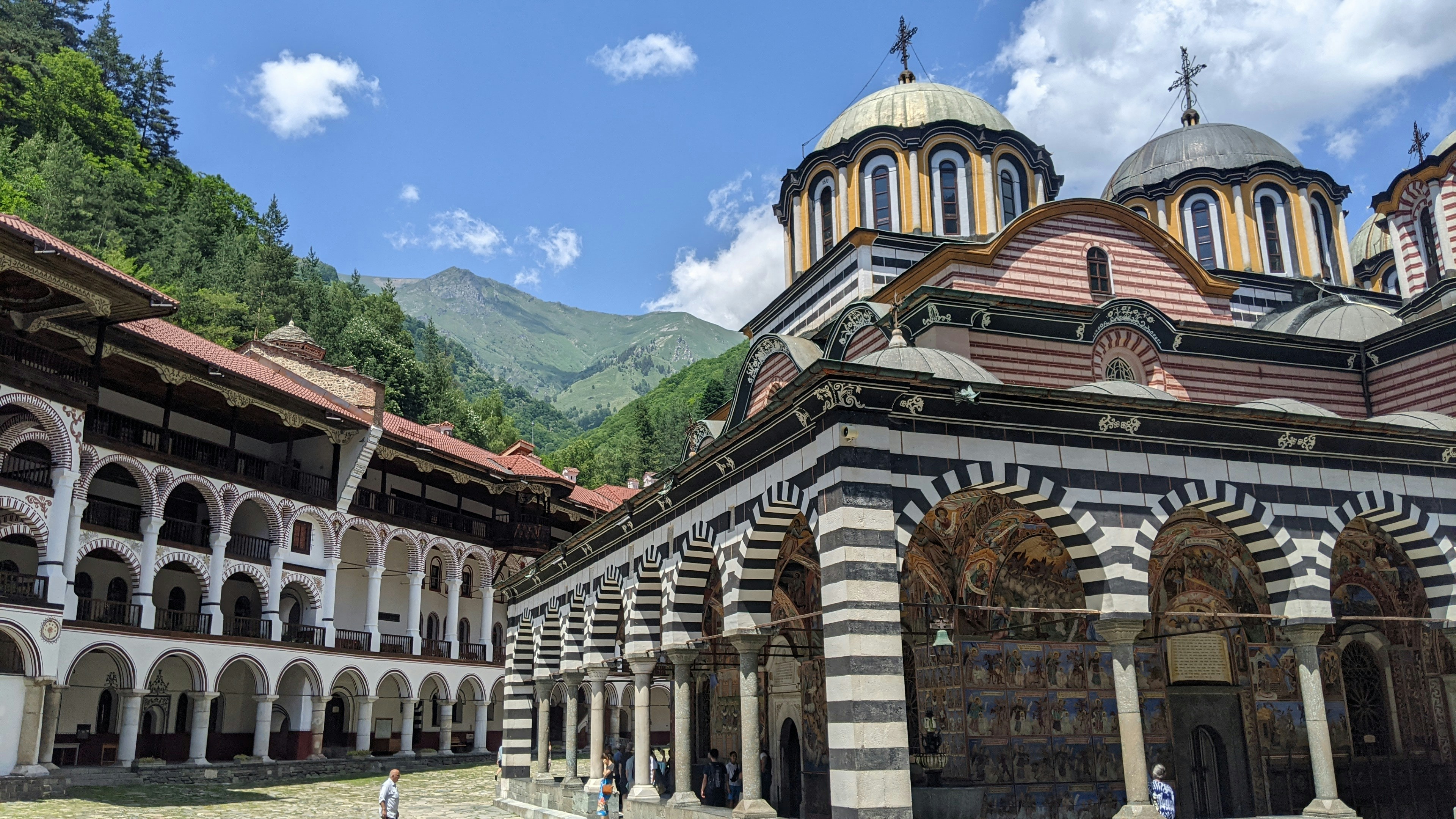
TL;DR: How to Get Around Bulgaria as a Visitor
Getting around Bulgaria is affordable and straightforward, with cheap public transport, budget-friendly inter-city buses and trains, and widely available taxis and ride-hailing in big cities like Sofia and Plovdiv. Most visitors mix metro, tram, and taxi in cities, then use buses or trains between major destinations.
Bulgaria welcomed over 13 million foreign visitors in 2023, according to the Bulgarian Ministry of Tourism, and most of them rely on a combination of public transport and taxis to move between airports, cities, and seaside resorts. In Sofia, you can ride the metro from the airport to the city centre for around 1.60 BGN (about €0.80) in 2026, while a taxi into town usually costs 20–30 BGN depending on traffic and time of day.
Inter-city buses link popular spots like Sofia, Plovdiv, Varna, and Burgas several times a day at prices from about 20–40 BGN per journey, and trains offer a slower but scenic alternative for similar prices. Driving is very doable if you’re confident, but you must carry your licence and rental documents at all times, and many highways require an electronic vignette toll sticker.
To keep everything running smoothly, it helps to stay online for maps, ride-hailing, and translation. An eSIM from Hello lets you land in Bulgaria already connected, book airport transfers on arrival, and keep an eye on costs with built-in budget tracking and expense splitting with friends in multiple currencies.
Airport Transfers in Bulgaria: Sofia, Plovdiv, Varna & Burgas
Most travellers use a mix of metro, bus, and taxis for airport transfers in Bulgaria, with Sofia Airport’s metro the cheapest option and licensed taxis or pre-booked cars offering the easiest door-to-door service. Expect to pay under €1 by metro or around 20–40 BGN by taxi into city centres in 2026.
Sofia Airport (SOF) is the main gateway. Terminal 2 connects directly to the M4 metro line, which reaches Serdika station (central Sofia) in about 20–25 minutes for 1.60 BGN per ticket in 2026. Local bus lines 84 and 184 also connect to the centre and run roughly every 15–30 minutes during the day, costing around 1.60–2.00 BGN.
Taxis from Sofia Airport to the centre usually cost 20–30 BGN in 2026, depending on traffic and time; look for official companies at the terminal desks and avoid unmarked cars. The Ministry of Transport has repeatedly warned about taxi scams at airports, so always confirm the meter is on and check the tariff sticker on the window.
At Varna and Burgas (popular for Black Sea holidays), public buses link the airport with the city centre and main bus stations for roughly 2–3 BGN, while taxis to central hotels typically range 20–35 BGN. Plovdiv Airport has limited public transport, so pre-booked transfers or taxis (25–40 BGN into town) are most practical.
Having mobile data on arrival helps you check real-time public transport schedules and order rides without hunting for Wi‑Fi. With a Hello eSIM for Bulgaria, you can activate data before you fly, compare transfer options when you land, and track your costs in the Hello app as soon as you step off the plane.
Bulgaria Public Transport: Metro, Buses, Trams and Tickets
Bulgaria’s public transport is cheap, extensive in major cities, and usually safe, with Sofia offering metro, buses, trams, and trolleybuses while other cities rely mainly on buses and trams. As of 2026, single tickets are typically under 2 BGN, making it one of the more budget-friendly systems in the EU.
In Sofia, the metro is the backbone of the system, with four lines connecting key neighbourhoods, business areas, and Sofia Airport. A single trip ticket costs about 1.60 BGN in 2026, and daily or multi-day passes can bring costs down further if you plan lots of journeys. Tickets are sold at machines and kiosks and increasingly via contactless bank cards at gates, which is particularly handy for visitors.
Trams and trolleybuses cover parts of the city the metro doesn’t reach, with similar pricing. On buses and trams, you may still find paper tickets validated in machines, though some routes are transitioning to electronic validation cards and apps. In cities like Plovdiv, Varna, and Burgas, public buses form the main network, and typical urban fares sit around 1.50–2.00 BGN per ride.
According to Sofia Urban Mobility Center data, the city aims to continue modernizing its fleet and ticketing system through the mid‑2020s, adding more contactless and mobile options. For travellers, that means easier payments as long as you have a working card and mobile data. You can pair your bank card with the Hello app’s budget tracking, logging each metro tap as an expense so you can see how much you’re really spending on transport over your trip.
Inter-City Travel in Bulgaria: Buses, Trains and Domestic Flights
For getting around Bulgaria between cities, buses are usually fastest and most frequent, trains offer a slower but scenic and very cheap alternative, and domestic flights are limited but useful if you’re short on time between Sofia and the Black Sea coast. Most routes are affordable, even at last minute.
Buses connect almost every city and town, with multiple operators running from major hubs like Sofia Central Bus Station. A one-way ticket from Sofia to Plovdiv (around 1.5–2 hours) typically costs 20–25 BGN in 2026, while Sofia to Varna or Burgas (4–6 hours) ranges around 35–50 BGN depending on the company and departure time. Online booking platforms used by Bulgarians show an increase in comfort amenities—air conditioning and Wi‑Fi are now standard on many inter-city coaches.
Trains run by Bulgarian State Railways (BDZ) link most major destinations. They are often cheaper than buses but can be slower. A second-class ticket from Sofia to Plovdiv might cost 15–20 BGN in 2026, with travel times of about 2.5–3 hours. Night trains and fast services operate on some long routes, though rolling stock can be older. According to BDZ reports, modernization is ongoing, but travellers should still expect a more old-school experience compared to Western Europe.
Domestic flights are limited but can save time on routes like Sofia–Varna or Sofia–Burgas, with flight times around 50 minutes and typical one-way fares from about 80–150 BGN booked in advance outside peak season.
To compare routes and departure times, travellers increasingly rely on online timetables and booking sites, which are much easier to use with stable data from a Hello eSIM and expense tracking to keep bus and train bookings organized in one place.
Taxis, Ride-Hailing Apps and Local Transport Etiquette
Taxis are widely available in Bulgarian cities, and ride-hailing apps like Bolt operate in major hubs, giving travellers a convenient way to move around when public transport is less frequent. Prices are low by Western European standards, but you should always check the tariff and use reputable companies.
In Sofia, Plovdiv, Varna, and Burgas, metered taxis are easy to flag down or book by phone or app. Typical tariffs in 2026 start around 1.00–1.50 BGN initial fee plus 1.00–1.50 BGN per kilometre during the day, with modest night surcharges. A 5 km journey in central Sofia might cost 8–12 BGN, depending on traffic. Official taxis display company names, logos, and prices clearly on the windows; avoid unmarked cars or drivers approaching you directly at stations.
Ride-hailing platforms such as Bolt have a strong presence in Sofia and other bigger cities, with dynamic pricing similar to local taxis. App-based rides are often slightly cheaper and provide an upfront price, which helps prevent misunderstandings. Because most drivers rely on GPS, having stable mobile data is important—you’ll want to be able to confirm your pick-up point, follow the route, and message your driver if needed.
Tipping in taxis is modest: rounding up or adding about 10% is appreciated but not mandatory. Cash in Bulgarian lev is still common, though more drivers accept card or in-app payments. When travelling with friends, you can use Hello’s expense splitting to divide taxi and ride-hail costs in multiple currencies automatically, saving you from doing mental gymnastics after every ride.
Driving in Bulgaria: Rental Cars, Vignettes and Road Rules
Driving in Bulgaria is very doable for visitors who are comfortable with European roads, offering flexibility for exploring mountains, monasteries, and wine regions, but you must understand vignettes, speed limits, and documentation requirements. Road conditions vary, so a cautious driving style is strongly recommended.
Car rental is widely available at airports and major cities, with compact cars typically starting around 60–90 BGN per day in 2026, depending on season and insurance. You drive on the right-hand side of the road and seat belts are mandatory for all passengers. The legal blood alcohol limit is 0.05%, lower than in some countries, and police checks are relatively common on main routes.
Most Bulgarian highways and major roads require an electronic vignette (toll sticker) for vehicles under 3.5 tonnes. If you rent a car, the vignette is often included in the contract, but always confirm with the rental agency and check the validity period; fines for driving without one can be substantial. Speed limits are generally 50 km/h in cities, 90 km/h on open roads, and 140 km/h on motorways, although you should always follow posted signs.
According to the Bulgarian Road Infrastructure Agency, ongoing investments in motorways have improved key corridors, but you can still encounter potholes, narrow village roads, and occasional livestock on rural routes. Use headlights at all times outside built-up areas, and be cautious in winter when snow and ice are common in the mountains.
An International Driving Permit (IDP) is recommended if your licence is not in Latin script; some rental companies may require it even if local law recognises EU and certain foreign licences. Keeping digital copies of your documents and using GPS navigation via a Hello eSIM makes it much easier to stay on track and avoid toll roads or unexpected detours.
Common Questions About Getting Around Bulgaria (Q&A)
Most travellers find Bulgaria easy to navigate, with cheap public transport in cities, low-cost inter-city buses and trains, and widely available taxis and ride-hailing in major hubs. Knowing typical prices, ticket rules, and how to avoid common pitfalls makes getting around Bulgaria far less stressful.
Is public transport in Bulgaria safe and reliable?
Yes—Sofia’s metro, buses, and trams are generally safe and reasonably punctual, especially on main routes. According to local transport authorities, Sofia’s metro has expanded steadily since 2012 and now carries hundreds of thousands of passengers daily, with continued investment in safety and accessibility. As always, watch your belongings on crowded buses.
How much should I budget per day for transport?
In 2026, many travellers can get by on 6–12 BGN per day using public transport in cities (a few single tickets or a day pass), plus around 20–50 BGN on days when you take a longer inter-city bus or train. Occasional taxis might add 10–20 BGN per day.
Is it better to use buses or trains between cities?
Buses are usually quicker and have more frequent departures, while trains are cheaper and more scenic but slower, especially on secondary lines. If you’re short on time, choose buses; if you like slower travel and want to save a little, trains are a good option.
Do I need mobile data to get around?
You can manage with offline maps, but mobile data makes a big difference for ride-hailing, real-time timetables, and translation. An eSIM from Hello lets you stay connected without hunting for local SIMs, and the Hello app’s budget tracking helps you keep all your transport spending in one place.
Is Bulgaria walkable?
Historic centres in Sofia, Plovdiv’s Old Town, and many seaside promenades are very walkable, but distances between cities are large, so you will rely on buses, trains, or cars for longer journeys.
| Mode of Transport | Typical Cost (2026) | Best For | Notes |
|---|---|---|---|
| Sofia metro (single ticket) | ~1.60 BGN | Cheap city travel | Fast, connects airport and centre |
| City bus/tram ride | 1.50–2.00 BGN | Short trips in cities | Paper or electronic tickets, validate on board |
| Taxi 5 km in Sofia | 8–12 BGN | Late nights, luggage | Use licensed companies, check meter |
| Sofia–Plovdiv bus | 20–25 BGN | Inter-city travel | 1.5–2 hours, frequent departures |
| Sofia–Plovdiv train | 15–20 BGN | Scenic, relaxed travel | Slightly slower than bus |
| Airport taxi (Sofia–centre) | 20–30 BGN | Convenient arrival | Agree approximate fare, avoid touts |
Explore These Destinations
Stay Connected
Book this trip
Compare options on trusted travel sites
Plan car hire for this trip
Continue to a reviewed booking partner to check current vehicle availability, pickup details, and terms.

Stay connected in Bulgaria
Get an eSIM before you land. Hello gives you instant data in 200+ countries — no SIM swaps, no roaming fees.
Related Articles
Bulgaria Currency & Money Guide: Exchange, Cards, and Tips
Currency exchange, credit card acceptance, ATM tips, tipping culture, and money-saving advice for Bulgaria.
25 July 2026
Bulgaria Safety Guide: Tips for a Safe Trip
Safety tips, health advisories, emergency contacts, common scams, and travel insurance advice for Bulgaria.
16 July 2026
Bulgaria Visa & Entry Requirements for Singapore Passport Holders
Visa requirements, passport validity, customs allowances, and entry tips for Singapore citizens travelling to Bulgaria.
7 July 2026