Key Takeaways
- ✓Eastern and Central Europe (Poland, Hungary, Czech Republic) offer the best budget value in 2026, with realistic daily costs from about €35–€50.
- ✓Southern Europe (Portugal, Greece, Croatia) balances beaches and culture with mid‑range budgets, especially outside peak summer.
- ✓Chaining multiple 5‑day itineraries is a simple, budget‑friendly way to design multi‑country routes using Hello’s trip planning tools.
- ✓Country food guides show how to eat well cheaply, with Poland and Greece offering particularly strong value for local cuisine.
- ✓Using Hello eSIM across Europe avoids roaming costs and supports smarter decisions on transport, dining, and sightseeing.
- ✓Currency and money guides help you navigate cash vs card, ATM fees, and tipping, all of which directly affect your daily budget.
- ✓Safety and visa‑entry guides reduce the risk of costly incidents, fines, or trip disruptions that can destroy a carefully planned budget.
- ✓Hello’s budget tracking and expense splitting features keep your group aligned on costs, making Europe on a budget more transparent and stress‑free.
Europe on a budget is absolutely possible in 2026 – if you make smart country choices, travel in the right season, and use tools like Hello for eSIM, expense splitting, and budget tracking. This guide walks you through Western, Eastern, and Southern Europe with practical daily costs, country comparisons, and step‑by‑step strategies.
We’ll start by showing how much you realistically need per day for hostels, food, and transport across popular regions, then zoom into budget‑friendly stars like Poland, Hungary, Czech Republic, Portugal, Greece, and Croatia. You’ll get comparison tables to see at a glance where your money goes furthest, plus decision frameworks to choose the right route for your travel style.
Along the way, we’ll link to detailed cluster guides – like Portugal Travel Budget Guide, Poland Travel Budget Guide, and multiple 5‑day itineraries – so this pillar page becomes your starting point and the Hello app your on‑the‑road companion.
You’ll also learn how to save on connectivity with Hello eSIM, avoid hidden money traps, plan safe, stress‑free trips, and split expenses fairly with friends. Whether you’re backpacking solo or planning a budget‑conscious getaway after exploring Japan or Thailand, this guide gives you a clear, country‑by‑country plan to experience Europe without blowing your savings.
1. How Much Does Budget Travel in Europe Cost in 2026?
Budget travel in Europe in 2026 typically ranges from €35–€50 per day in cheaper countries like Poland or Hungary, up to €60–€90 per day in Western and Mediterranean hotspots like Portugal and Greece, assuming hostel accommodation and simple restaurant meals.
Understanding baseline costs by region is the first step to building a realistic Europe budget. As of 2026, Eastern and Central Europe (Poland, Hungary, Czech Republic) remain significantly cheaper than Western Europe, while Southern Europe (Portugal, Greece, Croatia) sits in the middle – more expensive than the east, but often cheaper than France, Italy, or the UK.
From detailed country guides, we see that Portugal can be comfortably enjoyed on a budget of around €45–€65 per day depending on whether you stay in hostels or budget hotels and how often you dine out, as broken down in the Portugal Travel Budget Guide. Poland’s cost of travel is often lower, with the Poland Travel Budget Guide showing daily ranges that make it one of the best value destinations in the EU.
Here’s an at‑a‑glance comparison for typical 2026 backpacker budgets (hostels, public transport, one restaurant meal daily):
| Region / Example Country | Typical Daily Budget (2026) | Notes |
|---|---|---|
| Eastern/Central – Poland | €35–€50 | Very cheap food & transport; great for longer trips |
| Eastern/Central – Hungary | €35–€50 | Similar to Poland; cash still common in some places |
| Eastern/Central – Czech Republic | €40–€55 | Slightly higher, especially in Prague |
| Southern – Portugal | €45–€65 | Coastal towns and Lisbon push the upper end |
| Southern – Greece | €50–€70 | Islands and summer peak raise prices |
| Southern – Croatia | €45–€65 | Coast more expensive than inland cities |
Use Hello’s budget tracking in the app to log these daily ranges per country, then adjust on the road as you see your real‑world spending.
Portugal Travel Budget Guide: Daily Costs and Money Tips
Budget PlanningPoland Travel Budget Guide: Daily Costs and Money Tips
Currency & MoneyHungary Currency & Money Guide: Exchange, Cards, and Tips
Currency & MoneyCzech Republic Currency & Money Guide: Exchange, Cards, and Tips
Currency & MoneyCroatia Currency & Money Guide: Exchange, Cards, and Tips
Currency & MoneyGreece Currency & Money Guide: Exchange, Cards, and Tips
2. Western vs Eastern vs Southern Europe: Where Does Your Money Go Furthest?
If you’re travelling Europe on a tight budget in 2026, Eastern and Central Europe usually offer the best value, Southern Europe a balance of price and sunshine, and Western Europe is best for short, targeted city breaks rather than long backpacking loops.
Instead of starting with a specific country, start with a regional strategy. Western Europe (France, Germany, UK, etc.) is iconic but pricier for accommodation, transport, and attractions, so it often makes sense to limit your time there or treat it like a premium add‑on after cheaper weeks in Poland, Hungary, or the Czech Republic.
Eastern and Central Europe are your long‑stay heroes: cities like Kraków, Budapest, and Prague offer rich history, great nightlife, and low daily costs. The Poland Travel Budget Guide and Hungary Currency & Money Guide show how modest budgets can cover full days of activities, museum entry, and generous meals. Southern Europe – Portugal, Greece, Croatia – balances warmer weather and coastlines with moderate costs, especially if you avoid peak summer.
Use this simple comparison table to decide your focus:
| Region | Best For | Budget Friendliness (2026) | Suggested Length |
|---|---|---|---|
| Western Europe | Iconic cities, museums | Low – most expensive overall | 3–7 days per country |
| Eastern/Central Europe | Long stays, nightlife, history | High – cheapest region | 7–14 days per country |
| Southern Europe | Beaches, islands, coastal towns | Medium – variable by season | 5–10 days per country |
If you’re combining Japan or Thailand with Europe, consider flying into a cheaper Eastern European hub first, then adding a shorter Western leg at the end.
Poland Travel Budget Guide: Daily Costs and Money Tips
Currency & MoneyHungary Currency & Money Guide: Exchange, Cards, and Tips
Budget PlanningPortugal Travel Budget Guide: Daily Costs and Money Tips
Currency & MoneyGreece Currency & Money Guide: Exchange, Cards, and Tips
Currency & MoneyCroatia Currency & Money Guide: Exchange, Cards, and Tips
3. Country-by-Country Budget Snapshot: Poland, Hungary, Czech Republic, Portugal, Greece & Croatia
Across popular budget destinations like Poland, Hungary, Czech Republic, Portugal, Greece, and Croatia, you can expect 2026 daily costs between €35 and €70, depending on your comfort level, season, and how often you eat out or take paid tours.
To make planning easier, think of each country in terms of a rough daily bracket and your personal style (backpacker, flashpacker, or budget‑comfort traveller). The Portugal Travel Budget Guide shows that Portugal allows everything from hostel‑based shoestring days to more comfortable stays with private rooms and restaurant dinners. Similarly, the Poland Travel Budget Guide highlights how Poland stretches a tight budget further than many EU countries.
Here’s a simplified 2026 budget snapshot per country:
| Country | Shoestring (Hostel, Street Food) | Comfortable Budget (Private Room, Restaurants) |
|---|---|---|
| Poland | €35–€45/day | €50–€65/day |
| Hungary | €35–€45/day | €50–€65/day |
| Czech Republic | €40–€50/day | €55–€70/day |
| Portugal | €45–€55/day | €60–€75/day |
| Greece | €50–€60/day | €70–€85/day |
| Croatia | €45–€55/day | €60–€75/day |
These ranges assume hostel or budget hotel stays, public transport, and a mix of grocery and simple restaurant meals. For deeper breakdowns – including typical meal prices, attraction costs, and tipping norms – dive into country money guides like the Hungary Currency & Money Guide, Czech Republic Currency & Money Guide, Croatia Currency & Money Guide, and Greece Currency & Money Guide.
Store these ranges in your Hello app trip plan and compare against your real spending as you move between countries.
Poland Travel Budget Guide: Daily Costs and Money Tips
Budget PlanningPortugal Travel Budget Guide: Daily Costs and Money Tips
Currency & MoneyHungary Currency & Money Guide: Exchange, Cards, and Tips
Currency & MoneyCzech Republic Currency & Money Guide: Exchange, Cards, and Tips
Currency & MoneyCroatia Currency & Money Guide: Exchange, Cards, and Tips
Currency & MoneyGreece Currency & Money Guide: Exchange, Cards, and Tips
4. Building a Budget-Friendly Itinerary: 5-Day Templates You Can Chain
A smart way to see Europe on a budget is to chain multiple 5‑day itineraries in nearby countries, using trains, buses, or short flights while keeping daily costs predictable and manageable.
Hello’s clustered itineraries give you plug‑and‑play templates. For example, Poland in 5 Days walks through neighborhoods, daily activities, and transport tips for cities like Warsaw and Kraków, with clear cost expectations. Hungary in 5 Days does the same for Budapest and beyond, making it easy to pair both into a focused 10‑day Eastern European route.
In Southern Europe, Portugal in 5 Days covers Lisbon, Porto, or coastal highlights, while Greece in 5 Days and Croatia in 5 Days give you structured paths through islands, historic towns, and coastal cities. Czech Republic in 5 Days rounds out a Central European loop centred on Prague.
Here’s a sample 15‑day budget route using 5‑day blocks:
- Days 1–5: Poland – Warsaw & Kraków using Poland in 5 Days
- Days 6–10: Hungary – Budapest & day trips from Hungary in 5 Days
- Days 11–15: Czech Republic – Prague + surroundings from Czech Republic in 5 Days
Each block is designed with public transport, walkable areas, and value‑friendly dining, so your overall budget stays consistent. Use Hello’s trip planning feature to stack these itineraries, log must‑see stops, and monitor cumulative costs across countries.
Poland in 5 Days: The Perfect Extended Itinerary
ItinerariesHungary in 5 Days: The Perfect Extended Itinerary
ItinerariesCzech Republic in 5 Days: The Perfect Extended Itinerary
ItinerariesPortugal in 5 Days: The Perfect Extended Itinerary
ItinerariesGreece in 5 Days: The Perfect Extended Itinerary
ItinerariesCroatia in 5 Days: The Perfect Extended Itinerary
5. Food on a Budget: Where You Eat Like a King for Less
In 2026, some European countries give you seriously good food for modest prices, making them ideal if you want to experience local cuisine without inflating your budget – notably Poland and Greece, along with many Eastern and Central European cities.
The Poland Food Guide highlights how hearty dishes, street food, and bakery snacks can keep daily food costs low. You’ll find filling local meals, soups, and dumplings for a fraction of what you’d pay in Western Europe, with clear guidance on typical restaurant prices and street options. In Greece, the Greece Food Guide shows how you can eat well on gyros, souvlaki, and shared meze plates, plus affordable local tavernas, especially away from the most touristy islands.
To keep your food budget under control across Europe:
- Prioritize lunch specials and set menus
- Mix self‑catering (supermarkets, bakeries) with one sit‑down meal per day
- Choose local, family‑run places over main‑square tourist restaurants
Here’s an at‑a‑glance comparison of budget food value in 2026:
| Country | Budget Food Value | Typical Cheap Meal |
|---|---|---|
| Poland | Excellent | Local canteen or milk bar meals at low prices |
| Hungary | Very good | Hearty stews and street snacks at fair prices |
| Czech Republic | Good | Pub lunches and set menus |
| Portugal | Good | Set lunch menus and bakery snacks |
| Greece | Very good | Gyros, souvlaki, and shared meze |
| Croatia | Medium–Good | Value improves outside major coastal hotspots |
Use Hello’s expense splitting to fairly share restaurant bills when travelling with friends – especially useful in meze‑style Greek meals.
6. Money, Currency & Paying in Europe: Practical Budget Tips
To stay on budget in Europe in 2026, you need to understand how each country handles currency, cards, ATMs, and tipping, then adapt your habits accordingly so you avoid hidden fees and unnecessary cash withdrawals.
Detailed country money guides give you the specifics. The Hungary Currency & Money Guide, Czech Republic Currency & Money Guide, Croatia Currency & Money Guide, and Greece Currency & Money Guide all explain local currencies (or the euro where applicable), how widely cards are accepted, and what’s normal for tipping. For Portugal, the Portugal Travel Budget Guide includes practical money tips embedded in its daily budget breakdown.
Across Europe, cards and contactless payments are widely accepted, but you’ll still encounter cash‑centric spots, especially in smaller towns, markets, and some Eastern European venues. ATMs are usually plentiful, yet dynamic currency conversion and withdrawal fees can eat into your budget. Always choose to be charged in the local currency on card machines and ATMs.
Use this simple decision framework:
- City, EU country, chain store/restaurant? Pay by card.
- Local market, small family restaurant, older venues? Carry some cash.
- Tipping expectations vary: check each country’s guide before assuming a standard percentage.
Hello’s budget tracking lets you log cash withdrawals, card payments, and split expenses to see your real daily cost, not just what you meant to spend.
Hungary Currency & Money Guide: Exchange, Cards, and Tips
Currency & MoneyCzech Republic Currency & Money Guide: Exchange, Cards, and Tips
Currency & MoneyCroatia Currency & Money Guide: Exchange, Cards, and Tips
Currency & MoneyGreece Currency & Money Guide: Exchange, Cards, and Tips
Budget PlanningPortugal Travel Budget Guide: Daily Costs and Money Tips
7. Connectivity on a Budget: Using Hello eSIM Across Europe
The cheapest, most convenient way to stay online in Europe in 2026 is to use Hello eSIM for data in each country, avoiding physical SIM hassles and expensive roaming while keeping all your trip plans and budgets in one app.
Hello eSIM guides for individual countries explain best plans, coverage, and setup tips. In Eastern and Central Europe, you’ll find detailed support in eSIM for Poland, eSIM for Hungary, and eSIM for Czech Republic. For Southern Europe, check eSIM for Portugal, eSIM for Greece, and eSIM for Croatia.
Each guide walks through:
- Which Hello eSIM data options work best for typical trip lengths
- How to install and activate your eSIM on iOS or Android
- Network coverage expectations in cities, islands, and rural areas
Because Hello offers eSIM plans for 200+ countries, you can move between Europe and destinations like Japan or Thailand with a single familiar interface, rather than juggling multiple physical SIMs. Having reliable data also saves money indirectly: you can check real‑time public transport, find cheaper restaurants, and navigate on foot instead of defaulting to taxis.
Once you’re online with Hello eSIM, use the app’s budget tracking and expense splitting features to keep your whole group aligned on spending.
eSIM for Poland: Best Plans, Coverage, and Setup Tips
eSIM & ConnectivityeSIM for Hungary: Best Plans, Coverage, and Setup Tips
eSIM & ConnectivityeSIM for Czech Republic: Best Plans, Coverage, and Setup Tips
eSIM & ConnectivityeSIM for Portugal: Best Plans, Coverage, and Setup Tips
eSIM & ConnectivityeSIM for Greece: Best Plans, Coverage, and Setup Tips
eSIM & ConnectivityeSIM for Croatia: Best Plans, Coverage, and Setup Tips
8. Visa & Entry Requirements: Planning a Smooth, Budget-Friendly Arrival
To protect both your budget and peace of mind, always check visa and entry requirements per country before booking flights – fines, denied boarding, or last‑minute changes can be far more expensive than any hostel night.
Hello’s visa‑entry cluster articles focus on Singapore passport holders, but the structure of information is useful for any traveller. Guides like Hungary Visa & Entry Requirements, Czech Republic Visa & Entry Requirements, Poland Visa & Entry Requirements, Greece Visa & Entry Requirements, Portugal Visa & Entry Requirements, and Croatia Visa & Entry Requirements explain:
- Whether visas are required or if short stays fall under visa‑free arrangements
- Passport validity rules (often 3–6 months beyond arrival)
- Customs allowances and what you can bring in duty‑free
- Practical tips for border checks and arrival procedures
From a budget perspective, visas can add a fixed cost to your trip, and overstaying or misunderstanding rules can lead to penalties. Treat entry requirements as part of your core planning: choose routes and trip lengths that fit cleanly within allowed stay durations, and avoid unnecessary visa applications when a different country order would keep you under visa‑free thresholds.
Once you know your entry conditions, store your dates and documents in Hello’s trip planner so you stay on track and don’t accidentally run over your permitted stay.
Hungary Visa & Entry Requirements for Singapore Passport Holders
Visa & EntryCzech Republic Visa & Entry Requirements for Singapore Passport Holders
Visa & EntryPoland Visa & Entry Requirements for Singapore Passport Holders
Visa & EntryGreece Visa & Entry Requirements for Singapore Passport Holders
Visa & EntryPortugal Visa & Entry Requirements for Singapore Passport Holders
Visa & EntryCroatia Visa & Entry Requirements for Singapore Passport Holders
9. Safety, Scams & Travel Insurance: Protecting Your Budget
Budget travel doesn’t mean cutting corners on safety or insurance – in fact, a single incident can wipe out months of careful saving, so using country‑specific safety guidance is part of smart budgeting.
Hello’s safety guides for Portugal, Poland, Hungary, and Croatia offer practical, on‑the‑ground advice. The Portugal Safety Guide, Poland Safety Guide, Hungary Safety Guide, and Croatia Safety Guide all cover:
- Common scams (e.g., overcharging taxis, fake petitions, card skimming)
- Areas where extra caution is wise, especially at night
- Emergency contacts and how the healthcare system works for visitors
- The role of travel insurance and what to look for
From a money perspective, being aware of local scams and petty crime patterns helps you avoid losses from pickpocketing or fraudulent charges. Travel insurance is another crucial layer: it may seem like an extra cost, but for longer trips or multi‑country itineraries, it protects you from unexpected medical bills, cancellations, or lost luggage.
Use this quick decision framework:
- Short city break, low‑risk activities? Minimal but solid insurance.
- Long multi‑country trip with adventure activities? Comprehensive travel insurance is strongly recommended.
Store emergency contacts and insurance details in the Hello app so your group knows what to do if something goes wrong.
10. Choosing Your Route: A Simple Decision Framework for Europe on a Budget
To design a budget‑friendly Europe trip in 2026, use a simple decision framework: start with your total budget and time, choose a primary region (Eastern/Central or Southern), then optionally add a short Western Europe highlight at the beginning or end.
Here’s a practical route‑planning tree:
-
How much time do you have?
- 7–10 days: Pick one country and follow a 5‑day core itinerary plus 2–5 extra days.
- 14–21 days: Chain 2–3 nearby countries using 5‑day blocks.
-
What’s your priority?
- Budget and culture: Focus on Poland, Hungary, Czech Republic.
- Coast and islands: Prioritize Portugal, Greece, Croatia.
-
Where are you coming from?
Then map your plan onto specific Hello itineraries: Poland in 5 Days, Hungary in 5 Days, Czech Republic in 5 Days, Portugal in 5 Days, Greece in 5 Days, and Croatia in 5 Days.
Use Hello’s trip planning to:
- Add each 5‑day block as a segment
- Track expected vs actual daily budgets per country
- Share the plan with friends and split costs as you go
This way, your route isn’t just exciting – it’s structurally budget‑friendly from day one.
Poland in 5 Days: The Perfect Extended Itinerary
ItinerariesHungary in 5 Days: The Perfect Extended Itinerary
ItinerariesCzech Republic in 5 Days: The Perfect Extended Itinerary
ItinerariesPortugal in 5 Days: The Perfect Extended Itinerary
ItinerariesGreece in 5 Days: The Perfect Extended Itinerary
ItinerariesCroatia in 5 Days: The Perfect Extended Itinerary
Frequently Asked Questions
How much should I budget per day for Europe in 2026?
For budget travel in Europe in 2026, plan roughly €35–€50 per day in cheaper countries like Poland, Hungary, and parts of the Czech Republic, and €45–€70 per day in Southern Europe (Portugal, Greece, Croatia) depending on season and comfort level. Western Europe usually exceeds €70/day for similar standards. Use Poland Travel Budget Guide and Portugal Travel Budget Guide for detailed breakdowns and log your actual spend in the Hello app.
Which European countries are cheapest for backpackers?
As of 2026, many backpackers find Poland, Hungary, and the Czech Republic among the cheapest options thanks to lower accommodation, food, and local transport costs. Southern European countries like Portugal and Croatia are mid‑range, with Greece varying more by island and season. Daily ranges around €35–€50 are realistic in Eastern/Central Europe, based on guides like Poland Travel Budget Guide and Hungary Currency & Money Guide.
Is it cheaper to travel Eastern Europe first, then Western Europe?
Yes, many travellers save money by starting in Eastern/Central Europe (Poland, Hungary, Czech Republic) and only adding a short Western Europe leg later. You benefit from lower day‑to‑day costs early on and can better estimate your remaining budget when entering pricier countries. Use 5‑day blocks like Poland in 5 Days or Hungary in 5 Days to structure this approach.
How can Hello eSIM help me save money in Europe?
Hello eSIM saves you money by avoiding expensive roaming and the need to buy multiple physical SIMs in each country. Country‑specific guides like eSIM for Portugal, eSIM for Greece, and eSIM for Poland explain the best‑value plans and coverage. Staying connected also helps you use public transport, find cheaper restaurants, and navigate on foot – all of which reduce costs over a multi‑country trip.
Do I need cash in Europe, or can I rely on cards?
In most European cities in 2026, cards and contactless payments are widely accepted, especially in EU countries. However, you should still carry some cash for markets, small family restaurants, and rural areas. Country guides like Hungary Currency & Money Guide, Czech Republic Currency & Money Guide, and Croatia Currency & Money Guide explain local norms. Track both cash and card spending in the Hello app to stay on budget.
How do I split travel expenses fairly with friends?
The easiest way is to log all shared costs in Hello’s expense splitting feature. Each time someone pays for accommodation, group meals, or transport, add it to the app and assign shares. At the end of the trip (or each week), Hello calculates who owes whom, making it transparent and avoiding awkward money conversations. This is especially useful in countries like Greece where shared meze meals are common.
Is travel insurance necessary for budget travel in Europe?
While not legally required for most short stays, travel insurance is strongly recommended, especially for multi‑country trips or if you plan adventure activities. Safety guides like Portugal Safety Guide, Poland Safety Guide, Hungary Safety Guide, and Croatia Safety Guide highlight how a medical incident or theft can quickly exceed any savings from skipping insurance.
Detailed Articles
Dive deeper into specific topics covered in this guide.

Portugal Travel Budget Guide: Daily Costs and Money Tips
How much does it cost to travel in Portugal? Daily budget breakdowns for budget, mid-range, and luxury travellers.
28 February 2026

Poland Travel Budget Guide: Daily Costs and Money Tips
How much does it cost to travel in Poland? Daily budget breakdowns for budget, mid-range, and luxury travellers.
27 February 2026

Hungary Currency & Money Guide: Exchange, Cards, and Tips
Currency exchange, credit card acceptance, ATM tips, tipping culture, and money-saving advice for Hungary.
27 July 2026

Czech Republic Currency & Money Guide: Exchange, Cards, and Tips
Currency exchange, credit card acceptance, ATM tips, tipping culture, and money-saving advice for Czech Republic.
25 July 2026
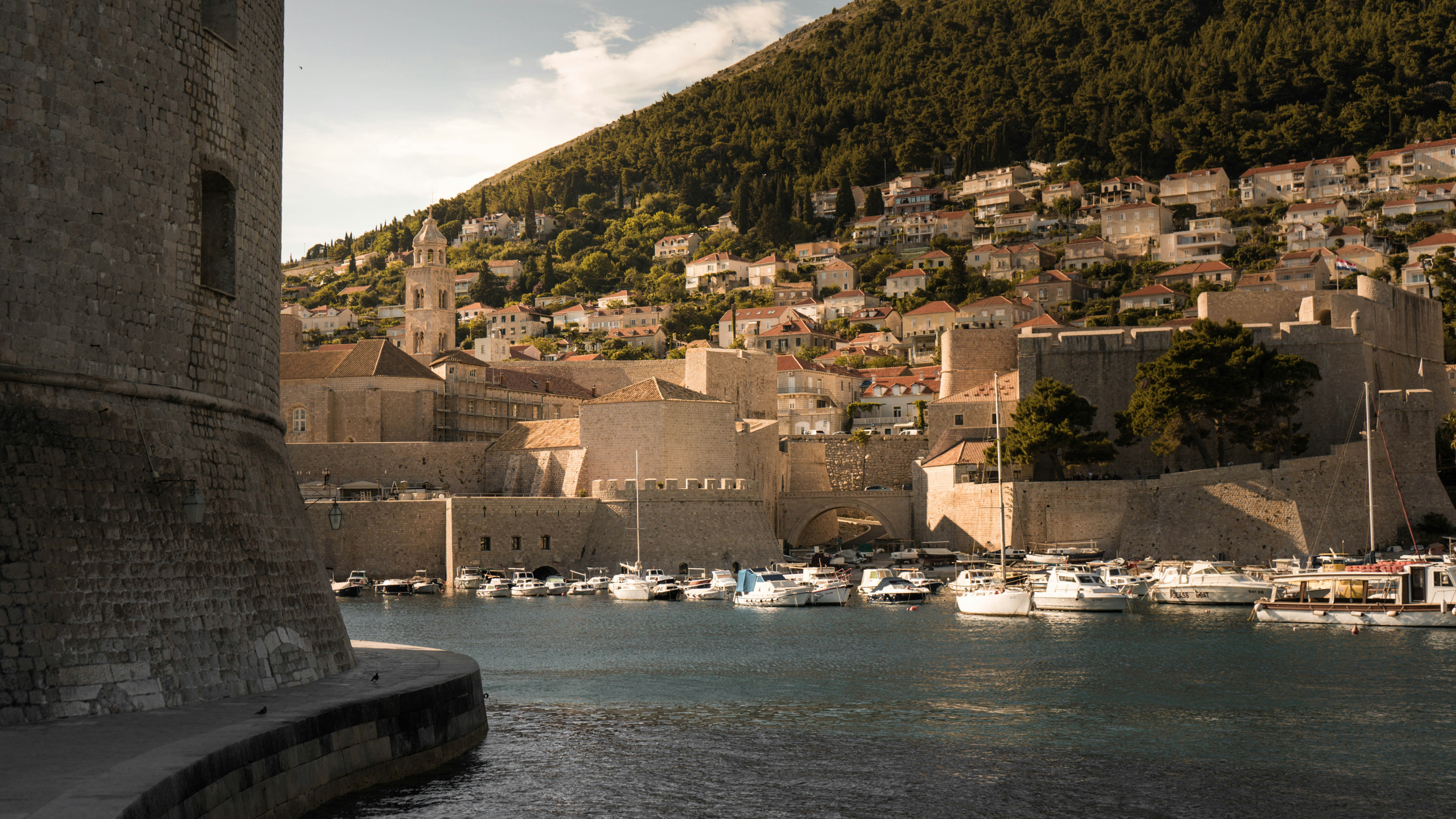
Croatia Currency & Money Guide: Exchange, Cards, and Tips
Currency exchange, credit card acceptance, ATM tips, tipping culture, and money-saving advice for Croatia.
25 July 2026

Greece Currency & Money Guide: Exchange, Cards, and Tips
Currency exchange, credit card acceptance, ATM tips, tipping culture, and money-saving advice for Greece.
26 July 2026
Poland in 5 Days: The Perfect Extended Itinerary
A detailed 5-day itinerary for Poland with daily activities, costs, neighborhoods, and transport tips for an extended stay.
9 May 2026
Hungary in 5 Days: The Perfect Extended Itinerary
A detailed 5-day itinerary for Hungary with daily activities, costs, neighborhoods, and transport tips for an extended stay.
6 May 2026
More Travel Guides
Topic Guide
Travel Expense Tracking: Complete Guide to Managing Trip Budgets
How to track expenses while travelling — multi-currency budgets, receipt scanning, splitting costs with friends, and staying on budget.
Topic Guide
Solo Travel Safety Guide: Tips for Travelling Alone
Essential safety advice for solo travellers — personal safety, scam prevention, accommodation tips, and staying connected.
Topic Guide
Southeast Asia Backpacking Guide: Routes, Budget & Tips
The ultimate backpacking guide for Southeast Asia — popular routes, daily budgets, best time to visit, and practical logistics.
Topic Guide
First International Trip: Step-by-Step Guide for New Travellers
A complete beginner guide to international travel — planning, packing, airports, currency, safety, and essential apps.