Hungary Safety Guide: Tips for a Safe Trip
Safety tips, health advisories, emergency contacts, common scams, and travel insurance advice for Hungary.
By Hello Travel Team
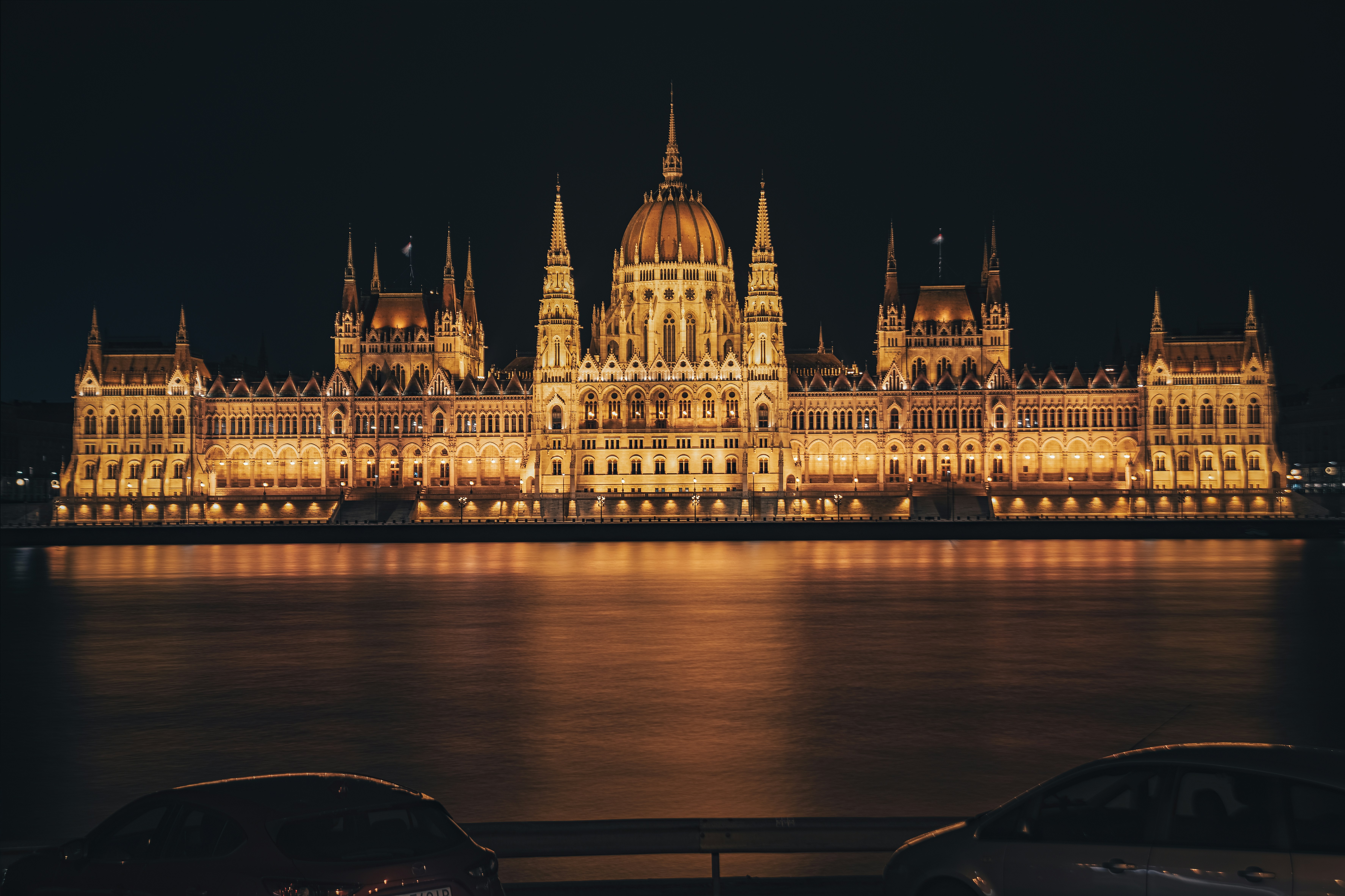
Hungary Safety Guide: Is Hungary Safe for Travellers?
TL;DR: Hungary is generally safe for tourists who take normal precautions, with petty theft, nightlife overcharging, and taxi scams posing the most common risks rather than serious violent crime. Keep valuables secure in Budapest, confirm prices before ordering, use licensed transport, and save Hungary’s emergency numbers before arrival.
The U.S. Overseas Security Advisory Council describes Hungary as a destination where travellers should exercise normal precautions. Busy areas such as Budapest’s District V, the Great Market Hall, metro lines, railway stations, and major festivals require extra awareness because crowded settings create opportunities for pickpocketing. Hungary’s national emergency number is 112, connecting callers with police, ambulance, and fire services.
Singaporean travellers should also save the Singapore diplomatic contact details before departure. Hungary is covered through Singapore’s regional diplomatic arrangements; the EU representation directory lists Singapore’s contact number in Singapore as +65 6883 0882 and an after-hours Budapest call centre at +36 80 36 80 36. Verify these details with Singapore’s Ministry of Foreign Affairs before travelling, as consular arrangements can change.
For mobile access, Hungary travellers can buy and activate a Hello eSIM for Hungary before departure, helping them reach maps, translation tools, accommodation, and emergency services immediately after landing.
Hungary Travel Safety Tips for Budapest, Transport, and Day Trips
The safest approach to Hungary travel safety is simple: stay alert in crowds, use official services, and keep a backup payment method separate from your wallet. Most visits are trouble-free, but normal urban precautions matter particularly in central Budapest and around transport hubs.
- Use a cross-body bag with a zipped compartment on the Budapest Metro, trams, buses, escalators, and at Keleti and Nyugati railway stations.
- Keep passports in a hotel safe when practical, carrying a secure photocopy or encrypted digital copy instead.
- At thermal baths, use a locker and avoid leaving phones, watches, or cash unattended near pools.
- Choose official taxis ordered through a reputable app, hotel, or marked rank. Confirm the vehicle identification and ask whether the fare is metered before leaving.
- On trains to Lake Balaton, Szentendre, or Eger, keep bags within sight and avoid storing valuables in open luggage racks.
- Take care near the Danube embankment, especially after drinking; slippery surfaces, low lighting, and cold water make falls dangerous.
Hungary uses the forint, although some tourist businesses accept euros at unfavourable rates. Pay by card where possible, select Hungarian forint rather than Singapore dollars or euros at payment terminals, and review the amount before confirming. Hello’s expense-splitting and multi-currency tracking tools can help groups record shared meals, transport, and accommodation without losing track of exchange rates.
Hungary Scams: Common Tourist Traps and How to Avoid Them
Hungary scams usually involve inflated bills, misleading prices, or opportunistic theft, so the best protection is confirming costs before accepting a service. Visitors should be particularly cautious in nightlife districts, tourist-heavy restaurants, and situations involving unsolicited help or invitations.
Common examples include:
- Drink and restaurant overcharging: Some venues have been reported to present unexpectedly high bills, sometimes after friendly strangers invite travellers inside. Check the menu and prices before ordering, and leave if prices are missing or unclear.
- Taxi overcharging: Unofficial drivers may take long routes or quote inflated fares. Use a licensed, clearly identified taxi and request a receipt.
- Card and ATM pressure: Shield your PIN, inspect the ATM for tampering, and decline unsolicited assistance. Choose bank-operated ATMs inside branches where possible.
- Distraction theft: One person may spill something, ask for directions, or create a commotion while an accomplice takes a wallet or phone.
- Fake officials: If someone claiming to be police asks to inspect cash or documents in an unusual setting, remain calm and request identification. Call 112 if the situation feels threatening.
Never accept food or drinks from strangers in nightlife venues, and do not follow new acquaintances to unfamiliar clubs. If a bill seems fraudulent, ask for an itemised receipt, avoid confrontation, and contact police. The U.S. OSAC specifically notes “honeypot” drink scams in which victims are grossly overcharged.
Hungary Emergency Numbers, Singapore Consular Help, and Travel Insurance
In a genuine emergency anywhere in Hungary, dial 112; operators can dispatch police, ambulance, or fire services, while travellers should contact Singapore’s diplomatic network for serious consular problems. Save contacts offline because a stolen phone, weak signal, or drained battery can make an emergency more difficult.
| Service | Number | When to call |
|---|---|---|
| European emergency service | 112 | Police, ambulance, or fire emergencies |
| Ambulance | 104 | Medical emergency |
| Fire service | 105 | Fire or rescue incident |
| Police | 107 | Crime, theft, assault, or immediate danger |
| Crime victim support | 116 006 | Support after a crime |
For Singaporeans, confirm Hungary’s current consular coverage with Singapore’s Ministry of Foreign Affairs before departure. The EU representation directory lists +65 6883 0882 for Singapore’s representation and +36 80 36 80 36 for an after-hours Budapest call centre. Consular officials can help with lost passports, serious accidents, arrest, or contacting family, but they generally cannot pay bills, provide legal representation, or replace travel insurance.
Buy comprehensive travel insurance that covers medical treatment, hospitalisation, emergency evacuation, trip interruption, theft, and personal liability. Check exclusions for alcohol-related incidents, pre-existing conditions, adventure activities, and lost unattended belongings. Keep the policy number and assistance hotline in your phone, email, and luggage.
Hungary Health Advice: Vaccinations, Water, Heat, and Medical Care
Most travellers need routine vaccinations rather than special Hungary-specific immunisations, but a medical consultation at least one month before departure is sensible. The CDC recommends that international travellers are up to date with routine vaccines, including measles-mumps-rubella, and recommends hepatitis A for unvaccinated travellers visiting Hungary; hepatitis B may also be appropriate depending on activities and medical advice.
Ask a doctor or travel clinic about:
- Routine vaccines, including MMR, tetanus, diphtheria, pertussis, polio, and seasonal influenza.
- Hepatitis A, particularly for travellers eating widely, visiting rural areas, or travelling with children.
- Hepatitis B if there may be medical treatment, tattoos, new sexual partners, or other exposure risks.
- Personal medicines, prescriptions, and documentation for controlled medication.
Tap water in Budapest and most established Hungarian destinations is generally treated and suitable for drinking. Travellers with sensitive stomachs can choose bottled water, especially in rural accommodation, but routine avoidance of tap water is not usually necessary. At spas, follow posted hygiene rules and avoid thermal pools if feverish, unwell, or medically advised against them.
In summer, Budapest can become hot around exposed attractions such as Buda Castle and Heroes’ Square. Carry water, use sunscreen, and schedule walking for cooler periods. Seek medical help for severe dehydration, breathing difficulty, chest pain, or confusion; call 112 for urgent assistance. Insurance should cover private clinics as well as emergency transport.
Solo Female and LGBTQ+ Traveller Safety in Hungary
Solo women and LGBTQ+ travellers can visit Hungary successfully by using the same urban precautions as elsewhere in Europe, while staying aware of nightlife, demonstrations, and local social attitudes. Budapest’s central visitor areas are busy and well served by public transport, but isolated streets, parks, and the riverfront deserve more caution late at night.
Solo female travellers should:
- Share live itineraries with someone at home and use an accommodation with 24-hour reception.
- Avoid walking alone while intoxicated and keep control of drinks in bars and clubs.
- Sit near other passengers or the driver on late public transport when possible.
- Use a licensed taxi or pre-arranged transfer rather than accepting a ride from a stranger.
- Trust instincts when an invitation, venue, or bill feels wrong; leave early and ask hotel staff for help.
LGBTQ+ visitors generally find Budapest’s established tourist venues welcoming, but public attitudes and political tensions can vary. Discretion may be sensible outside popular districts, particularly during periods of public protest or around large political gatherings. Same-sex couples should remain alert to harassment in unfamiliar areas and avoid confrontations.
Check local news before attending demonstrations, as traffic restrictions and police activity can change quickly. Carry identification, but keep the original passport secure when possible. A phone with working data, offline maps, and translation access improves independence; Hello’s Hungary eSIM can keep these tools available without relying on public Wi-Fi.
Common Questions About Is Hungary Safe for Travellers?
Yes, Hungary is generally safe for tourists, provided travellers protect valuables, avoid unclear nightlife pricing, and use official transport and emergency services. The most likely problems are pickpocketing, scams, lost documents, and minor injuries—not random violent crime.
Is Hungary safe for solo travellers? Generally yes, especially in central Budapest and established tourist destinations. Use extra care on late-night transport, in nightlife areas, and around crowded stations.
What are Hungary’s emergency numbers? Dial 112 for urgent police, ambulance, or fire assistance. Traditional numbers are 104 for ambulance, 105 for fire, and 107 for police.
Is tap water safe in Hungary? Treated tap water is generally drinkable in Budapest and most established destinations. Bottled water remains an option for sensitive stomachs or uncertain rural accommodation.
What are the main Hungary scams? Watch for inflated restaurant or club bills, unofficial taxis, fake officials, ATM assistance, and distraction theft. Confirm prices before ordering and request itemised receipts.
Do I need travel insurance for Hungary? Strongly consider comprehensive cover for medical expenses, evacuation, theft, cancellation, and personal liability. A European destination can still generate expensive private-clinic or repatriation costs.
Do I need vaccines for Hungary? Keep routine vaccinations current and ask a clinician about hepatitis A, hepatitis B, and measles protection. The CDC advises visiting a doctor at least a month before departure when possible.
Explore These Destinations
Stay Connected
Ready for Hungary?
eSIM data, expense splitting, budget tracking, and more. Everything you need for a smooth trip in one app.
Related Articles
Hungary Currency & Money Guide: Exchange, Cards, and Tips
Currency exchange, credit card acceptance, ATM tips, tipping culture, and money-saving advice for Hungary.
27 July 2026
Hungary Visa & Entry Requirements for Singapore Passport Holders
Visa requirements, passport validity, customs allowances, and entry tips for Singapore citizens travelling to Hungary.
9 July 2026
eSIM for Hungary: Best Plans, Coverage, and Setup Tips
Everything you need to know about using eSIM in Hungary. Best data plans, network coverage, and setup instructions.
30 June 2026