Croatia Safety Guide: Tips for a Safe Trip
Safety tips, health advisories, emergency contacts, common scams, and travel insurance advice for Croatia.
By Hello Travel Team
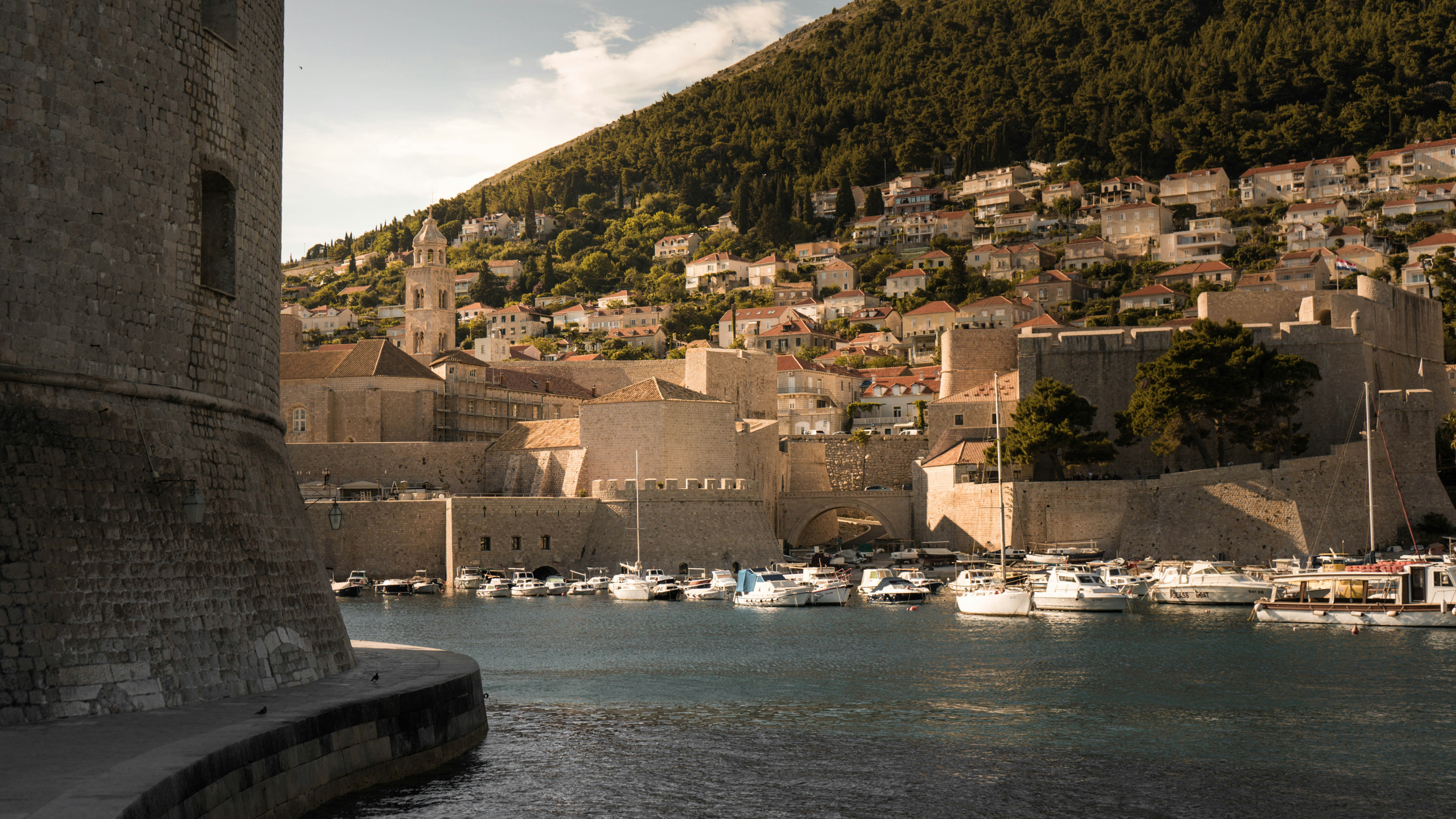
TL;DR: Is Croatia Safe for Travellers?
Yes—Croatia is generally a safe destination, with the main risks involving petty theft, tourist overcharging, road accidents, heat, and hazards around the coast. Croatia travel safety is strongest when you protect valuables in crowded areas, use licensed services, respect swimming and hiking conditions, and carry comprehensive travel insurance. Croatia’s free 112 emergency number operates 24/7 and can connect visitors with police, ambulance, fire, mountain rescue, or maritime rescue. For convenient arrival connectivity, travellers can arrange Hello eSIM for Croatia before departure and activate it on arrival.
Croatia Travel Safety: General Risks and Practical Precautions
Croatia is generally safe for tourists, but normal precautions still matter, particularly in busy coastal towns, transport hubs, nightlife areas, and popular attractions. Official travel advisories commonly identify petty crime as the most likely problem, while serious violent crime involving visitors is uncommon.
Keep passports, phones, and wallets secured on public transport, at ferry terminals, in Dubrovnik’s Old Town, around Split’s waterfront, and at crowded beaches. Use a hotel safe for spare cards and documents, and carry a photocopy or secure digital copy of your passport. Avoid displaying large amounts of cash; many Croatian businesses accept cards, although small bakeries, beach kiosks, market stalls, and rural services may still prefer cash.
Driving deserves special attention. Coastal roads can be narrow and busy in summer, while motorcyclists, cyclists, and pedestrians share routes with cars. Never drink and drive, allow extra time for ferry connections, and inspect rental vehicles carefully before departure. In national parks and on islands, follow marked paths and local warnings rather than relying solely on phone navigation. Croatia’s tourism peaks from June through August, so book reputable accommodation and transport early and expect busier streets, beaches, and terminals.
Croatia Scams: Common Tourist Traps and How to Avoid Them
The most common Croatia scams involve inflated bills, unofficial services, card-payment tricks, and pickpocketing, so check prices before committing and walk away from pressure. These incidents are usually preventable with a few simple habits.
At bars, clubs, restaurants, and gentleman’s clubs, ask for a menu and confirm the price of drinks or entry before ordering. Avoid venues where staff aggressively invite you inside, and never hand over a bank card or passport as a deposit. If a bill seems wrong, request an itemised receipt and contact the police rather than arguing with security staff. For taxis, use a licensed taxi rank or a reputable booking service, confirm the approximate fare, and ensure the meter is running.
Other scams can begin online: someone may claim to be a stranded traveller, romantic contact, or official requesting money. Do not transfer funds, share one-time passwords, or send passport images through unsolicited messages. In crowded areas, use a zipped cross-body bag and keep your phone away from the edge of café tables. If a card terminal offers an unfamiliar currency conversion, choose the transaction in euros when possible and review the amount before approving it.
Croatia Emergency Numbers, Consular Help, and Staying Connected
For any serious emergency in Croatia, dial 112 free of charge from a mobile or landline; operators can coordinate police, ambulance, fire, mountain rescue, and maritime rescue. The direct numbers are 192 for police, 193 for fire services, and 194 for emergency medical help. Give your location, explain what happened, and state how many people need assistance.
Save your accommodation address in Croatian and English, especially if you are staying on an island or in a rural area where landmarks may be easier to describe than street numbers. For a sea incident, ask local staff or emergency operators about maritime rescue. Croatia’s emergency system operates 24/7, but response times and medical facilities can be more limited on smaller islands.
Singaporean travellers should contact Singapore’s Ministry of Foreign Affairs for the current consular contact covering Croatia, as Singapore does not maintain a resident embassy in Zagreb. Before departure, register your itinerary with MFA and save the nearest Singapore mission’s after-hours emergency number. Consular officials cannot pay medical bills or replace travel insurance, but they can provide guidance after arrest, hospitalisation, lost documents, or a serious incident.
An eSIM from Hello can provide mobile data for maps, translation, bookings, and emergency calls over an internet connection. Buy and activate your Hello eSIM before departure so key travel information is available as soon as you land.
Croatia Health Advice: Vaccinations, Water, Heat, and Outdoor Hazards
Most visitors need routine vaccinations rather than special Croatia-specific vaccines, but a travel-health appointment several weeks before departure is the safest way to check recommendations for your itinerary and medical history. Ensure routine immunisations are current and ask a doctor about hepatitis A or other vaccines if you will eat widely, visit rural areas, or spend extended time away from major cities.
Tap water is generally safe across Croatia and is tested according to public-health standards, although visitors should use extra caution with private wells and ask accommodation hosts in remote areas. During summer, heat and dehydration are more immediate concerns: drink regularly, use sunscreen, wear a hat, and limit strenuous sightseeing during the hottest afternoon hours.
Ticks can occur in wooded and grassy areas, with risks including Lyme disease and tick-borne encephalitis. Wear long clothing, use repellent, check your skin after hiking, and remove ticks promptly. Insects can also transmit diseases such as West Nile virus, for which there is no routine preventive vaccine; screens and repellent help reduce bites.
Swim only in safe, permitted areas. Rocky Adriatic entries can be slippery, currents can change quickly, and jumping from cliffs or harbour walls can cause severe injury. Islands may have fewer clinics, so carry essential medication and keep prescriptions in original packaging.
Solo Female and LGBTQ+ Travel Safety in Croatia
Croatia is broadly welcoming to solo women and LGBTQ+ travellers, particularly in Zagreb, Split, Dubrovnik, and other established tourist centres, but nightlife and isolated outdoor settings still call for ordinary precautions. Share your itinerary with someone at home, choose accommodation with recent reviews, and keep your own route and room access under control.
At night, stay on well-lit streets, avoid accepting drinks from strangers, and use a licensed taxi or pre-arranged ride rather than entering an unmarked vehicle. On beaches and ferries, keep valuables secured and avoid leaving phones or wallets unattended while swimming. If hiking alone, tell accommodation staff your route and expected return time; mobile coverage can vary in remote areas and on islands.
LGBTQ+ visitors generally travel without difficulty in tourist areas, though attitudes may be more conservative in some smaller communities. Public displays of affection should be judged by local context, especially outside major cities or at traditional family beaches. Zagreb hosts visible LGBTQ+ events and communities, while coastal nightlife varies by venue. If harassment occurs, move to a staffed public place, contact local police through 192 or 112, and notify your accommodation or consular contact. A charged phone, offline map, and emergency cash provide useful backup when travelling independently.
Travel Insurance for Croatia and Common Questions
Travel insurance is strongly recommended for Croatia because medical treatment, island transfers, repatriation, cancellation, and adventure activities can become expensive even when the destination itself is safe. Choose a policy that covers overseas medical expenses, hospitalisation, emergency evacuation, lost or stolen belongings, trip interruption, and cancellation for covered reasons.
Check the exclusions carefully if you plan to rent a car, sail, scuba dive, kayak, hike, ride a motorbike, or visit remote islands. Make sure the policy covers pre-existing conditions when relevant, and keep the insurer’s emergency number, policy document, and claim instructions accessible offline. Travellers should pay medical bills only through documented channels and retain receipts, medical reports, police reports, and proof of ownership for claims.
Common questions
Is Croatia safe for solo travellers? Generally yes. Use normal precautions, especially on public transport, at night, and in crowded tourist areas.
What are Croatia’s emergency numbers? Dial 112 for all emergencies; direct numbers include 192 police, 193 fire, and 194 ambulance.
Can you drink tap water in Croatia? Usually yes, although ask before drinking from private wells or in very remote accommodation.
What is the biggest safety risk? Petty theft, road incidents, heat, and unsafe swimming or cliff jumping are more realistic concerns than violent crime.
| Situation | Best action |
|---|---|
| Immediate danger | Call 112 |
| Police assistance | Call 192 |
| Fire | Call 193 |
| Ambulance | Call 194 |
| Lost passport | Contact local police and Singapore’s nearest consular mission |
For budgeting, Croatia’s 2026 prices can vary widely: a casual meal may cost roughly €10–€18, while a sit-down meal in a major coastal tourist centre may cost €20–€40 or more. Hello’s app can scan receipts in different currencies, track spending with live exchange rates, import bank statements, and split shared costs among travel companions.
Explore These Destinations
Stay Connected
Ready for Croatia?
eSIM data, expense splitting, budget tracking, and more. Everything you need for a smooth trip in one app.
Related Articles
Croatia Currency & Money Guide: Exchange, Cards, and Tips
Currency exchange, credit card acceptance, ATM tips, tipping culture, and money-saving advice for Croatia.
25 July 2026
Croatia Visa & Entry Requirements for Singapore Passport Holders
Visa requirements, passport validity, customs allowances, and entry tips for Singapore citizens travelling to Croatia.
8 July 2026
eSIM for Croatia: Best Plans, Coverage, and Setup Tips
Everything you need to know about using eSIM in Croatia. Best data plans, network coverage, and setup instructions.
28 June 2026