Key Takeaways
- ✓Croatia in 2026 offers a balanced mix of historic cities, islands, and national parks at mid-range European prices.
- ✓Shoulder seasons (April–June and September–early October) provide the best combination of weather, crowds, and value.
- ✓Daily budgets typically range from about €60–90 (budget) to €100–170 (mid-range) and €200+ (comfort or luxury).
- ✓Croatia follows Schengen visa rules, so many nationalities get up to 90 days of visa-free tourism; always confirm for your passport.
- ✓You can get around easily using buses, ferries, and occasional flights, with car rental most useful for national parks and remote areas.
- ✓Hello eSIM lets you stay connected across Croatia and beyond, simplifying data, trip planning, and expense tracking in one app.
- ✓Food highlights include coastal seafood, inland meat dishes, and café culture, with costs lower than Western Europe but higher than budget Asian destinations.
- ✓Short itineraries (3–5 days) focus on one hub city plus a day trip, while 10-day trips allow a full north–south route through Croatia’s main regions.
Croatia is one of Europe’s most rewarding destinations: a place where medieval stone towns meet turquoise Adriatic waters, national parks overflow with waterfalls, and café culture blends with easy-going island life. This Complete Croatia Travel Guide 2026 is your hub for planning a smooth, affordable, and unforgettable trip.
Here you’ll find everything at a high level: when to go, how much to budget, visa and entry basics, getting around, food, safety, connectivity, and sample itineraries. Each section links to detailed guides like Croatia Travel Budget Guide: Daily Costs and Money Tips, Croatia Visa & Entry Requirements for Singapore Passport Holders, and Getting Around Croatia: Transport Guide for Travellers so you can dive deeper when needed.
You’ll also get decision frameworks you won’t find in individual articles: seasonal comparisons, budget tiers at a glance, and itinerary suggestions whether you have 3, 5, or 10 days. Plus, we’ll show you how to stay connected with Hello eSIM, keep your money and documents safe, and avoid common first-timer mistakes.
Think of this pillar guide as your Croatia trip planner: start here, then follow the links to build a flexible, realistic itinerary that fits your time, interests, and budget — whether you’re island-hopping with friends, road-tripping the coast, or adding Croatia onto a wider Italy, Japan, or Thailand adventure.
Why Visit Croatia in 2026
Croatia in 2026 is the sweet spot of stunning landscapes, rich culture, and still-reasonable prices, with the added benefit of mature tourism infrastructure and easy digital connectivity via Hello eSIM.
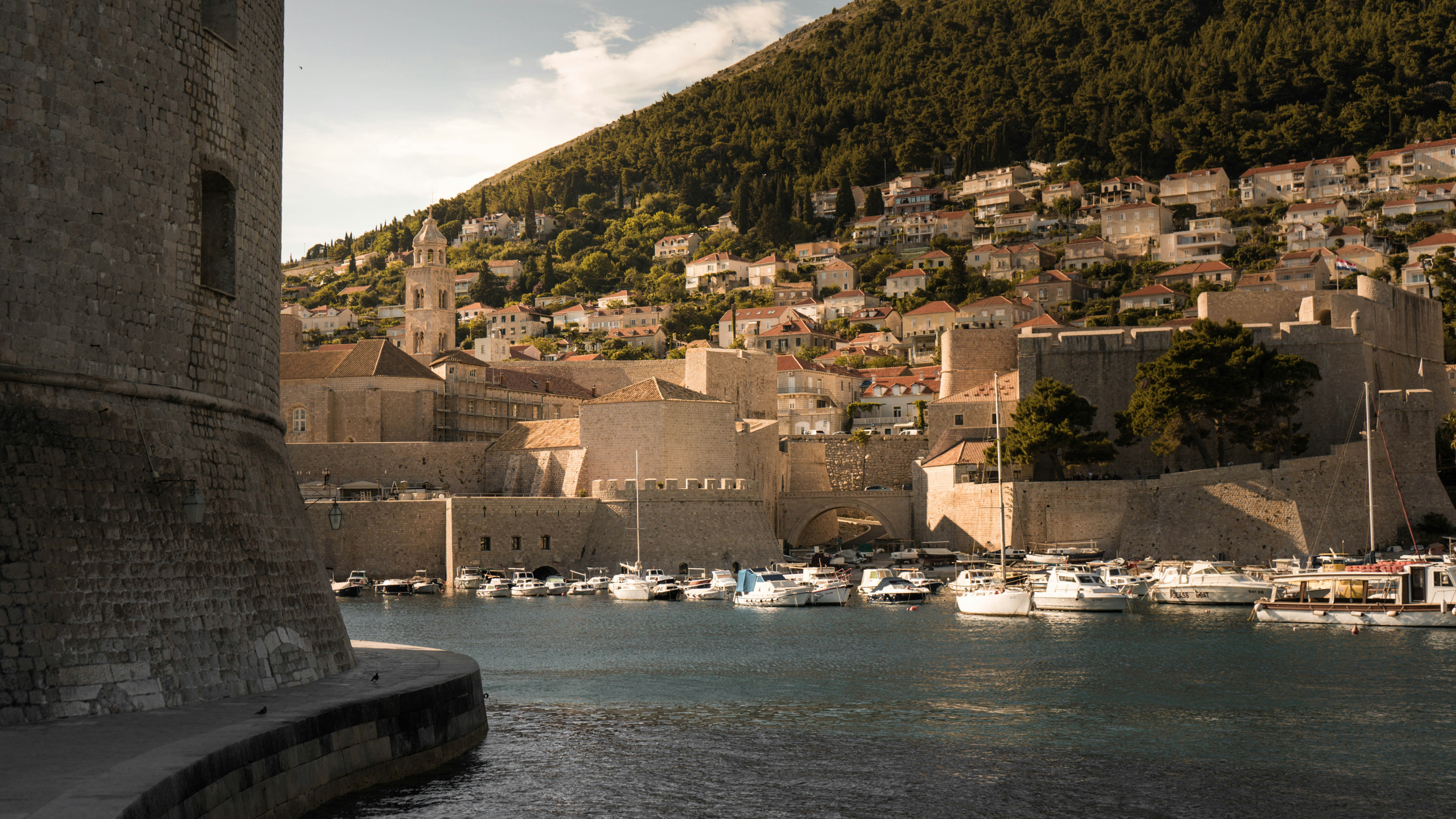
Croatia’s appeal starts with contrast: medieval walled cities like Dubrovnik and Split, Venetian-influenced coastal towns, and sun-soaked islands like Hvar and Korčula, all backed by waterfalls and mountains in national parks such as Plitvice and Krka. It’s a country where you can swim in the Adriatic in the morning, wander Roman ruins in the afternoon, and end the day with seafood and local wine on a harbor promenade.
As of 2026, Croatia is firmly on the tourism map but still feels more relaxed than busier neighbors in peak season if you plan well. The country uses the euro, is part of the Schengen Area, and offers solid public transport and good roads — making it easier to plan multi-city trips without excessive logistics. For short trips, cluster itineraries like 3 Days in Croatia: A Day-by-Day Itinerary and Croatia in 5 Days: The Perfect Extended Itinerary help you prioritize. For deeper diving, Croatia in 10 Days: The Ultimate Travel Itinerary is ideal.
What sets Croatia apart from other European coastal destinations like Italy or even long-haul options such as Japan and Thailand is the combination of manageable distances, strong café culture, and a mix of Central European and Mediterranean influences. You get island-hopping and beach time, but also history, wine regions, and mountains — all within a compact footprint.
Use this guide as your overview, then jump into specific cluster articles on budget, food, transport, and safety to tailor a trip that matches your style.
Best Time to Visit Croatia: Seasons & Crowds
The best time to visit Croatia is April–June and September–early October, when the weather is pleasant, the Adriatic is warm enough for swimming, and crowds and prices are lower than the peak summer months.
Croatia has a classic Mediterranean pattern along the coast and a more continental climate inland. As of 2026, summers (July–August) remain peak for beach and island trips, but they also bring the highest prices and cruise-ship crowds to hotspots like Dubrovnik. Shoulder seasons offer a more relaxed feel, cheaper accommodation, and great conditions for city breaks and national parks.
Here’s a quick seasonal comparison:
| Season (approx.) | Weather & Sea | Crowds | Typical Trip Focus |
|---|---|---|---|
| Mar–Apr | Cool–mild; sea still cold | Low | City breaks, Plitvice, road trips |
| May–Jun | Warm; sea swimmable by late May | Moderate | Balanced city + islands |
| Jul–Aug | Hot; ideal sea temps | High | Island-hopping, beaches |
| Sep–early Oct | Warm–mild; sea still pleasant | Moderate | Ideal for mixed itineraries |
| Late Oct–Feb | Cool–cold; sea too cold | Low | Cities, Christmas markets, fewer islands |
If you’re following 3 Days in Croatia or Croatia in 5 Days, shoulder months help you maximize time in cities like Zagreb, Split, and Dubrovnik without overheating or spending too much time in queues. For Croatia in 10 Days, aim for late May–June or September to combine islands, national parks, and cities comfortably.
Use this rule of thumb:
- Beach-first trips → prioritize late June–early September.
- City, culture, and nature mix → late April–June or September.
- Budget-focused, fewer crowds → March–April and October, with reduced island services but excellent value.
Budget Overview: How Much a Trip to Croatia Costs
Croatia remains relatively affordable by Western European standards in 2026, with daily budgets roughly ranging from €60–90 for budget travellers, €100–170 for mid-range, and €200+ for comfort-focused or luxury trips.
Croatia adopted the euro, which simplifies costs for many visitors. Accommodation and food prices have risen since pre-2020, but you can still keep expenses under control with smart choices on where to stay, when to travel, and how you get around. The Croatia Travel Budget Guide: Daily Costs and Money Tips breaks down typical daily spending by category and travel style.
Here’s a high-level daily budget comparison (per person, as of 2026):
| Travel Style | Approx. Daily Budget | Typical Inclusions |
|---|---|---|
| Budget | €60–90 | Hostel/cheap guesthouse, simple meals, public transport, selected paid sights |
| Mid-range | €100–170 | Comfortable hotels/apartments, restaurant meals, island trips, inter-city buses or occasional car rental |
| Comfort/Luxury | €200–300+ | Boutique or high-end stays, frequent dining out, private tours, flexible transport |
Short itineraries like 3 Days in Croatia and Croatia in 5 Days often concentrate spending in major hubs such as Dubrovnik or Split, where prices are higher in summer. Longer trips such as Croatia in 10 Days allow you to mix more affordable inland cities and smaller coastal towns.
To keep your budget on track, combine the budget overview with the Croatia Currency & Money Guide: Exchange, Cards, and Tips. Together, they help you decide how much cash to carry, when to use cards, and how to avoid unnecessary ATM and currency conversion fees.
If you’re travelling with friends or family, use Hello’s expense-splitting and budget-tracking tools to stay on top of shared costs throughout your trip.
Visa & Entry Requirements (Beyond Just Singapore)
Most travellers visiting Croatia in 2026 will encounter standard Schengen Area rules: short stays up to 90 days within a 180-day period for many nationalities, with entry requirements varying by passport.
Croatia is part of the Schengen Area, so your ability to visit and stay is governed by Schengen regulations rather than a Croatia-specific visa policy. Citizens of many countries (including most of the EU, UK, US, Canada, Australia, and others) can visit Croatia visa-free for short tourism stays. Always check the latest rules with your country’s foreign ministry or official Schengen resources before travelling.
For Singapore passport holders, Croatia Visa & Entry Requirements for Singapore Passport Holders provides a detailed breakdown: current visa policy, passport validity rules, proof of funds, onward ticket requirements, and airport immigration tips. While this article is specific to Singapore, the structure of information — passport validity (usually at least three to six months), proof of accommodation, and travel insurance recommendations — applies broadly.
General entry checklist as of 2026:
- Valid passport with sufficient validity for your planned stay.
- Schengen visa if required for your nationality.
- Proof of accommodation and onward/return travel.
- Sufficient funds and travel insurance recommended for medical expenses.
If you’re combining Croatia with other Schengen destinations like Italy, your total time in the Schengen Area must stay within your allowed limit (often 90 days in any 180-day period for visa-free nationals). Keep digital copies of your documents stored securely and easily accessible — Hello’s trip planning features can help you organize confirmation emails and key details for quick reference.
For non-Singapore travellers, use the Singapore-focused guide as a template and cross-check requirements against your own passport’s official guidance.
Getting Around Croatia: Cities, Islands, and Road Trips
Getting around Croatia in 2026 is straightforward, with a mix of buses, ferries, flights, and well-maintained roads making it easy to combine cities, islands, and national parks in one itinerary.
The Getting Around Croatia: Transport Guide for Travellers is your deep dive into airport transfers, urban public transport, inter-city buses, ferries, and driving tips. At a high level, buses remain the backbone of inter-city travel on the mainland, ferries connect the coastal towns and islands, and domestic flights can save time on longer routes.
A simple decision framework:
- Mostly cities (Zagreb, Split, Dubrovnik): Rely on inter-city buses and occasional flights.
- Islands (Hvar, Korčula, Brač): Combine buses or cars with Jadrolinija and other ferries.
- National parks and offbeat towns: Consider renting a car for 2–4 days for flexibility.
For short trips, both 3 Days in Croatia and Croatia in 5 Days show how to structure days to minimize transit time, often focusing on one base city plus nearby day trips. Longer itineraries like Croatia in 10 Days demonstrate how to string together multiple regions efficiently.
When driving, pay attention to toll roads and parking in historic centers, and always check local regulations. Urban transport in cities like Zagreb includes trams and buses, while coastal cities are often walkable with occasional local buses.
Stay connected with Hello eSIM so you can access maps, ferry schedules, and bus timetables on the go without worrying about roaming fees. This becomes especially valuable in island regions and national parks, where physical signage or information desks can be limited.
Food & Dining in Croatia: What to Eat and What It Costs
Croatia’s food scene blends Mediterranean seafood, hearty inland dishes, and café culture, with typical restaurant meals in 2026 costing less than in Western Europe but more than in budget destinations like Thailand.
The Croatia Food Guide: Must-Try Dishes, Prices, and Tips gives you a detailed look at classic dishes, price ranges, and food etiquette. At a high level, expect grilled fish and seafood along the coast, pasta and risotto with local twists, and meat-heavy stews and roasts inland. Bakeries and street food stands offer affordable snacks, while konobas (traditional taverns) are great for local specialties.
Rough price ranges as of 2026:
- Simple bakery breakfast: €3–6
- Coffee in a café: €1.50–3
- Casual lunch (main + drink): €10–18
- Sit-down dinner (starter, main, drink): €18–35+
In tourist hotspots like Dubrovnik’s Old Town and Hvar, expect a premium, especially in peak season. Inland cities and smaller coastal towns often offer better value. The food guide also covers vegetarian and vegan options, how to handle dietary restrictions, and tips for avoiding tourist traps.
Use this rule of thumb:
- Budget travellers: lean on bakeries, supermarkets, and casual eateries.
- Mid-range travellers: mix konobas and mid-range restaurants, with occasional splurges.
- Food-focused travellers: prioritize seafood dinners, wine tastings, and slow meals in scenic settings.
Combine the food guide with the Croatia Currency & Money Guide to understand tipping practices, card acceptance, and how your dining choices fit into a realistic daily budget.
Top Experiences & Sample Itineraries (3, 5, and 10 Days)
Croatia’s top experiences in 2026 cluster around three pillars: historic coastal cities, island-hopping, and national parks, with flexible itineraries for 3, 5, and 10 days depending on your time.
If you have 3 days, the 3 Days in Croatia: A Day-by-Day Itinerary focuses on one primary city (often Dubrovnik or Split) plus a nearby day trip, so you’re not spending half your time in transit. Expect walks through old towns, coastal views, and one excursion to a nearby island or national park.
With 5 days, Croatia in 5 Days: The Perfect Extended Itinerary typically adds a second city or island. This might mean combining Split with Hvar, or Zagreb with Plitvice Lakes, giving you both urban and nature experiences.
For 10 days, Croatia in 10 Days: The Ultimate Travel Itinerary strings together multiple regions: Zagreb, Plitvice, the Dalmatian coast (Split, Dubrovnik), and one or two islands. This length is ideal if you want a broad overview of Croatia’s highlights without rushing.
Common top experiences include:
- Walking Dubrovnik’s city walls at sunset.
- Exploring Diocletian’s Palace in Split.
- Swimming and hiking in Plitvice Lakes or Krka National Park.
- Island-hopping (Hvar, Korčula, Brač, Mljet).
- Wine tasting in coastal and island regions.
Use this decision framework:
- First-time, short trip: pick one hub city + one day trip.
- Medium trip (5–7 days): add an island or national park.
- Longer trip (10+ days): plan a north–south route with multiple bases.
Hello’s trip planning features can help you organize these experiences day by day and keep track of costs and bookings.
Staying Connected: Hello eSIM in Croatia
Hello eSIM makes staying online in Croatia in 2026 easy, giving you instant data access without hunting for local SIM cards, and letting you manage connectivity, expenses, and trip details in one app.
The eSIM for Croatia: Best Plans, Coverage, and Setup Tips explains how to use Hello eSIM specifically for Croatia: what data bundles are available, how coverage looks across major cities and islands, and step-by-step setup instructions. As of 2026, Croatia has solid 4G and growing 5G coverage in urban areas, with generally reliable data along the coast and in most tourist regions.
Why use Hello eSIM in Croatia:
- Instant activation on arrival — no need to queue at airport kiosks.
- Flexible data plans that fit short city breaks or longer coastal road trips.
- The same app that powers your eSIM also helps track your travel budget and split expenses with friends.
Connectivity tips:
- Activate Hello eSIM before departure or on landing so maps and ride-hailing work immediately.
- Check data coverage for your planned islands and national parks in the Croatia eSIM guide.
- Use offline maps as backup for more remote areas.
If you’re combining Croatia with other destinations like Italy, Japan, or Thailand, Hello’s multi-country eSIM coverage lets you keep one setup across borders instead of juggling multiple local SIMs. This is particularly handy for complex itineraries, Eurail-style journeys, or multi-country Balkan trips.
For peace of mind, keep your primary number on physical SIM and use Hello eSIM for data, so you stay reachable while avoiding unexpected roaming charges.
Culture, Safety, and Practical Tips
Croatia is generally safe and welcoming in 2026, with straightforward cultural norms and a few practical tips that help you avoid common tourist pitfalls and travel more respectfully.
The Croatia Cultural Guide: Etiquette, Customs, and Tips walks you through greetings, dress expectations, and useful phrases. At a high level, Croatians appreciate polite greetings, reasonable modesty in churches and local neighborhoods, and respectful behavior in historic and natural sites. Café culture is strong, and tipping for good service (often rounding up or 5–10%) is appreciated but not mandatory in all situations.
For safety, the Croatia Safety Guide: Tips for a Safe Trip highlights common issues: petty theft in crowded tourist areas, occasional tourist scams, and the importance of swimming within marked areas and respecting local regulations around cliffs and national parks. Violent crime against tourists is rare; most issues are opportunistic or related to overconfidence in unfamiliar natural environments.
Combine this with the Croatia Currency & Money Guide to understand how and when to carry cash, use cards, and store valuables securely.
Practical tips:
- Use Hello’s trip planning features to store emergency contacts and insurance details.
- Keep photocopies or digital backups of your passport and key documents.
- Learn a few basic Croatian phrases; it goes a long way outside major hubs.
- Respect local noise norms, especially in old-town apartments and late-night areas.
Thinking about regional comparisons? Croatia feels more relaxed than some larger Western European hubs and is generally easier to navigate than language-heavy trips to Japan, while offering a more European vibe than beach destinations like Thailand.
Before You Go: Checklist for a Smooth Croatia Trip
A simple pre-trip checklist for Croatia in 2026 helps you avoid last-minute stress: confirm visas, book key transport and stays, set up Hello eSIM, and align your budget with realistic daily costs.
Use this "Before You Go" list as a starting point:
Documents & admin
- Check Schengen visa requirements and passport validity.
- Review country-specific entry guidance (e.g., Croatia Visa & Entry Requirements for Singapore Passport Holders).
- Buy travel insurance and note emergency contacts from the Croatia Safety Guide.
Money & budget
- Read the Croatia Travel Budget Guide to set a realistic daily budget for your travel style.
- Understand euros, card use, and ATMs via the Croatia Currency & Money Guide.
- Set up budget tracking and shared-expense groups in Hello if travelling with friends.
Connectivity & apps
- Install Hello and purchase a Croatia or regional Hello eSIM plan as outlined in eSIM for Croatia: Best Plans, Coverage, and Setup Tips.
- Download offline maps and key apps for transport.
Transport & itinerary
- Sketch your route using 3 Days in Croatia, Croatia in 5 Days, or Croatia in 10 Days.
- Check the Getting Around Croatia: Transport Guide for Travellers for airport transfers, ferries, and driving rules.
Culture & packing
- Read the Croatia Cultural Guide for etiquette and local phrases.
- Pack for seasonal weather (see the Best Time section) and include swimwear, comfortable walking shoes, and modest options for churches.
Save this checklist into Hello’s trip planning feature so everything stays in one place.
Croatia Visa & Entry Requirements for Singapore Passport Holders
Safety & HealthCroatia Safety Guide: Tips for a Safe Trip
Budget PlanningCroatia Travel Budget Guide: Daily Costs and Money Tips
Currency & MoneyCroatia Currency & Money Guide: Exchange, Cards, and Tips
eSIM & ConnectivityeSIM for Croatia: Best Plans, Coverage, and Setup Tips
Getting AroundGetting Around Croatia: Transport Guide for Travellers
Cultural GuideCroatia Cultural Guide: Etiquette, Customs, and Tips
Itineraries3 Days in Croatia: A Day-by-Day Itinerary
ItinerariesCroatia in 5 Days: The Perfect Extended Itinerary
ItinerariesCroatia in 10 Days: The Ultimate Travel Itinerary
Frequently Asked Questions
Is Croatia expensive to visit in 2026 compared to other European destinations?
As of 2026, Croatia is mid-range by European standards: generally cheaper than Western Europe (e.g., Italy) but more expensive than some Balkan neighbors. Most travellers can expect daily budgets of about €60–90 (budget), €100–170 (mid-range), and €200+ (comfort), as outlined in the Croatia Travel Budget Guide: Daily Costs and Money Tips.
Do I need a visa to visit Croatia, and how long can I stay?
Croatia is in the Schengen Area, so visa rules follow Schengen regulations. Many nationalities can visit visa-free for up to 90 days within a 180-day period, but requirements vary by passport. For Singapore citizens, see Croatia Visa & Entry Requirements for Singapore Passport Holders. Other travellers should check official Schengen guidance based on their nationality.
What’s the best way to get around Croatia without renting a car?
You can easily explore Croatia using inter-city buses, ferries for islands, and occasional domestic flights. Urban areas have trams or buses and are often walkable. The Getting Around Croatia: Transport Guide for Travellers explains airport transfers, bus networks, ferry routes, and when a car is truly useful versus optional.
Is Croatia safe for solo travellers and first-time visitors?
Croatia is generally considered safe for solo and first-time travellers, with most issues related to petty theft in busy tourist areas or overconfidence in natural environments (e.g., swimming or hiking without precautions). The Croatia Safety Guide: Tips for a Safe Trip offers detailed advice on common scams, emergency contacts, and health considerations.
How can I stay connected in Croatia without paying high roaming fees?
Using Hello eSIM is the easiest way to stay connected in Croatia in 2026. You can purchase and activate data plans digitally, avoid physical SIM cards, and manage connectivity alongside trip planning and expense tracking. For details on coverage and setup, see eSIM for Croatia: Best Plans, Coverage, and Setup Tips.
What’s a good first-time itinerary for Croatia if I only have 5–7 days?
With 5–7 days, many travellers combine one major coastal city (Split or Dubrovnik) with an island (Hvar or Korčula) and optionally a national park like Plitvice or Krka. Croatia in 5 Days: The Perfect Extended Itinerary and Croatia in 10 Days: The Ultimate Travel Itinerary are great starting points to shape a balanced route.
Are card payments and ATMs widely available in Croatia?
Yes, as of 2026, card payments are widely accepted in cities and tourist areas, and ATMs are common. You’ll still want some cash for smaller towns, markets, and occasional transport. The Croatia Currency & Money Guide: Exchange, Cards, and Tips explains how to handle euros, avoid extra fees, and understand local tipping norms.
eSIM Plans for Croatia
Detailed Articles
Dive deeper into specific topics covered in this guide.
3 Days in Croatia: A Day-by-Day Itinerary
A detailed 3-day itinerary for Croatia with daily activities, costs, neighborhoods, and transport tips.
10 June 2026
Croatia in 5 Days: The Perfect Extended Itinerary
A detailed 5-day itinerary for Croatia with daily activities, costs, neighborhoods, and transport tips for an extended stay.
4 May 2026
Croatia in 10 Days: The Ultimate Travel Itinerary
A comprehensive 10-day itinerary for Croatia covering top attractions, hidden gems, daily costs, and transport between cities.
18 June 2026
Croatia Travel Budget Guide: Daily Costs and Money Tips
How much does it cost to travel in Croatia? Daily budget breakdowns for budget, mid-range, and luxury travellers.
23 February 2026
Croatia Currency & Money Guide: Exchange, Cards, and Tips
Currency exchange, credit card acceptance, ATM tips, tipping culture, and money-saving advice for Croatia.
25 July 2026
Croatia Visa & Entry Requirements for Singapore Passport Holders
Visa requirements, passport validity, customs allowances, and entry tips for Singapore citizens travelling to Croatia.
8 July 2026
Getting Around Croatia: Transport Guide for Travellers
Airport transfers, public transport, ride-hailing apps, inter-city travel, and driving tips for Croatia.
23 May 2026
Croatia Food Guide: Must-Try Dishes, Prices, and Tips
Best local dishes, street food, restaurant prices, dietary options, and food safety tips for Croatia.
14 May 2026
More Travel Guides
Destination Guide
Complete Bosnia and Herzegovina Travel Guide 2026
Everything you need to know about travelling to Bosnia and Herzegovina — budget, visa, food, transport, eSIM connectivity, and itineraries.
Destination Guide
Complete Bahamas Travel Guide 2026
Everything you need to know about travelling to Bahamas — budget, visa, food, transport, eSIM connectivity, and itineraries.
Destination Guide
Complete Bahrain Travel Guide 2026
Everything you need to know about travelling to Bahrain — budget, visa, food, transport, eSIM connectivity, and itineraries.
Destination Guide
Complete Sint Eustatius Travel Guide 2026
Everything you need to know about travelling to Sint Eustatius — budget, visa, food, transport, eSIM connectivity, and itineraries.