Getting Around Croatia: Transport Guide for Travellers
Airport transfers, public transport, ride-hailing apps, inter-city travel, and driving tips for Croatia.
By Hello Travel Team
This article contains affiliate links. If you book through them, Hello may earn a commission at no additional cost to you. Our editorial recommendations are independent. Learn more.
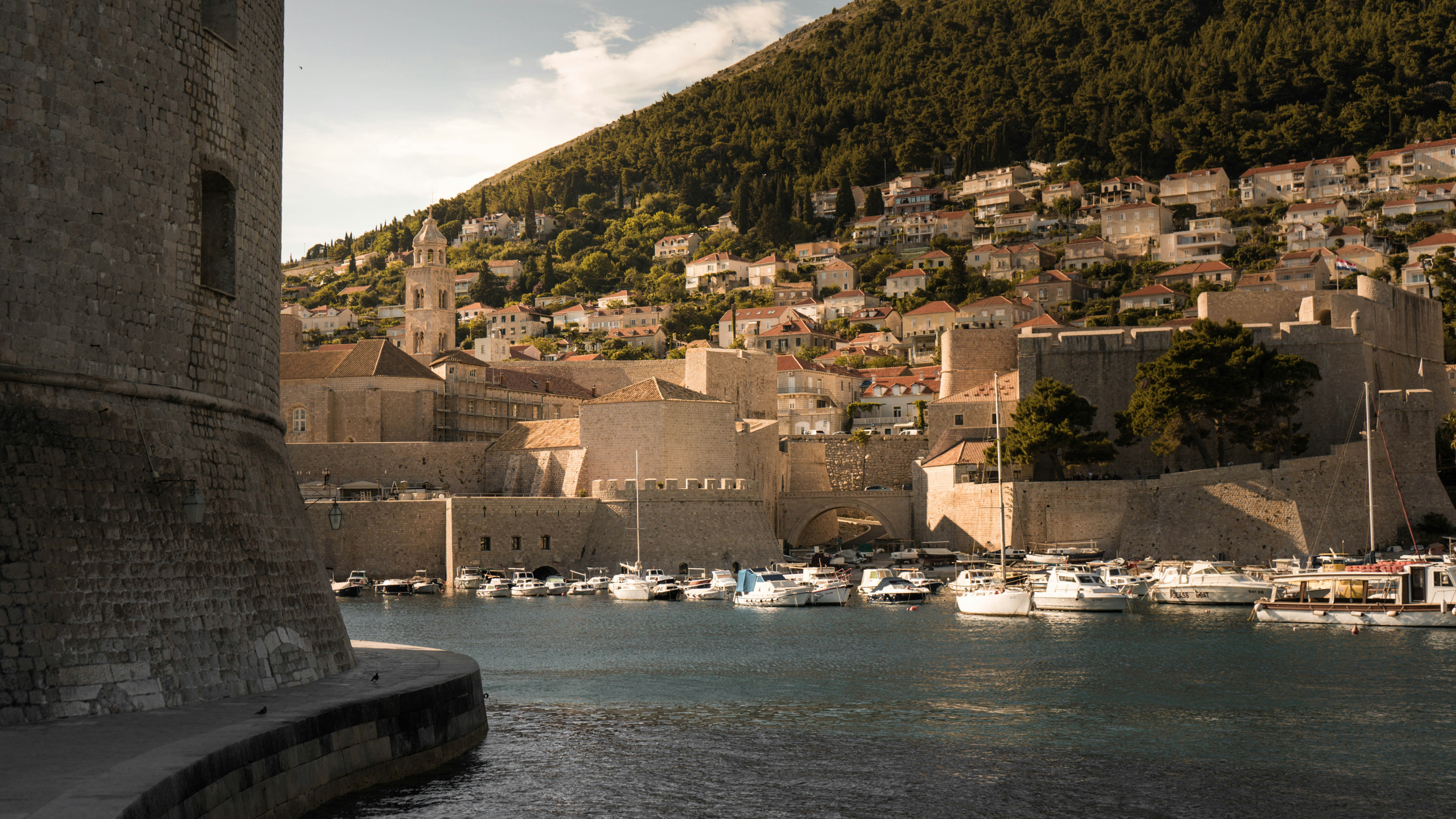
TL;DR: How to Get Around Croatia Efficiently
Getting around Croatia is easy and affordable with a mix of airport shuttles, inter-city buses, coastal ferries, and walkable old towns, plus ride-hailing in major cities like Zagreb and Split. For most travellers, buses and ferries cover long distances, while walking and occasional taxis or ride-hailing work best in cities.
Croatia welcomed over 20 million tourists in 2023, according to the Croatian National Tourist Board, so its transport network is well adapted to visitors with clear signage and English widely spoken in tourist areas. You can land in Zagreb, Split, or Dubrovnik and be in the city centre in under 30–40 minutes using airport buses or taxis.
Expect to spend around €8–12 for airport shuttles, €2–4 for local bus tickets, and €15–30 for long-distance bus rides in 2026, depending on route and season. Ferries between popular islands like Hvar, Brač, and Korčula add a scenic layer to your trip, with prices often between €6–25 per leg for passengers.
If you’re planning to rely on ride-hailing, Google Maps, or real-time bus and ferry schedule apps, having mobile data is essential. An eSIM from Hello lets you arrive in Croatia already connected, making it much easier to navigate from the airport, check timetables, and split costs with travel companions.
Croatia Airport Transfers: From Runway to City in Under an Hour
Most travellers reach Croatian cities from the airport in under an hour using dedicated airport buses, taxis, or ride-hailing services, with typical costs ranging from €8–12 for shuttle buses and €25–45 for taxis in 2026. This makes Croatia’s airport transfers both straightforward and budget-friendly.
Croatia’s busiest international gateways are Zagreb (Franjo Tuđman Airport), Split, and Dubrovnik. Each offers an official shuttle bus to the city centre or main bus station. In 2026, the Zagreb Airport shuttle to the central bus station usually costs around €8–10 one way and takes 30–35 minutes, while the Split Airport shuttle to Split bus station typically runs €8–10 and takes about 30 minutes.
Taxis and ride-hailing options (commonly Bolt and Uber) are available at major airports. In Zagreb, you can expect a standard taxi into the centre to cost roughly €30–40 depending on traffic and time of day, while in Split and Dubrovnik, fares to the old town are commonly in the €25–45 range in 2026. Always check that the meter is running or confirm a fixed fare before departure.
Airport transfer comparison table
| Route / City | Shuttle Bus (2026) | Taxi / Ride-hail (2026) | Typical Travel Time |
|---|---|---|---|
| Zagreb Airport–Centre | €8–10 | €30–40 | 30–35 minutes |
| Split Airport–Bus Station | €8–10 | €25–40 | 30 minutes |
| Dubrovnik Airport–Old Town | €10–12 | €30–45 | 30–40 minutes |
If you prefer the flexibility of booking on the spot, ride-hailing apps work well at larger airports, but they require mobile data. Arriving with a Hello eSIM already activated lets you compare prices, check live traffic, and call your ride without hunting for airport Wi‑Fi.
Croatia Public Transport: Buses, Trams, and Local Tickets
Public transport in Croatia is centred on buses and trams rather than metro systems, with single tickets usually costing €1.30–2.00 and day passes starting around €4–6 in 2026. This makes Croatia public transport an affordable way to explore cities like Zagreb, Split, and Rijeka.
Zagreb is the only Croatian city with an extensive tram network, operated by ZET, alongside local buses. Single tickets bought at kiosks typically cost about €0.80–1.00 for a 30-minute ride, while on-board purchases can be slightly more. Day tickets for unlimited rides are usually in the €4–5 range in 2026. Validating your ticket when you board is important, as inspectors do spot checks and fines can be substantial.
Split and other coastal cities rely primarily on local buses. In Split, single rides within the main zone typically cost €1.50–2.00, with discounts for prepaid cards and multi-ride tickets. Buses run frequently along the waterfront and between the ferry port, central bus station, and residential districts, though schedules can be reduced on Sundays and public holidays.
Croatia does not have metro systems like some larger European capitals, and suburban rail is limited. For most visitors, city transport is a combination of:
- Trams and buses in Zagreb
- Local buses in Split, Rijeka, Zadar, and Pula
- Walking in compact historic centres like Dubrovnik Old Town, where vehicles are restricted
Keeping a few coins or small notes handy speeds up ticket purchases from kiosks or drivers. For schedule updates and route planning, local transport apps and map services work best when you’re connected via a Hello eSIM, especially if you’re hopping between multiple Croatian cities.
Ride-Hailing Apps, Taxis, and Navigating Cities in Croatia
Ride-hailing apps like Uber and Bolt operate in major Croatian cities and tourist regions, giving travellers an easy alternative to taxis—especially in Zagreb, Split, and along parts of the Adriatic coast—while traditional metered taxis remain widely available. Expect city rides to cost around €5–15 in 2026, depending on distance.
Zagreb has the most established ride-hailing scene, with Uber and Bolt commonly used by locals and visitors. Short trips within the centre often cost €5–8, while longer journeys to outer districts can reach €10–15. Split and Dubrovnik also see seasonal spikes in ride-hailing usage during the summer, though availability may be limited late at night or in smaller coastal towns.
Traditional taxis are easy to find near bus stations, ferry ports, airports, and main squares. Official taxis display company names and rate cards; always make sure the meter is switched on or agree a price before departing. In 2026, typical starting fares are around €2–3, with per‑kilometre rates in the range of €0.80–1.20.
Navigation apps and live traffic data are essential if you’re using ride-hailing, especially in narrow old-town streets and along the busy Adriatic Highway. Since these apps rely on mobile data, staying connected with a Hello eSIM for Croatia ensures you can:
- Request rides from anywhere without needing café Wi‑Fi
- Share your live location with friends
- Track costs and split fares inside the Hello app using its expense splitting feature
Ride-hailing is not yet ubiquitous in every Croatian town, so where apps are unavailable, local buses and walking remain the default options.
Inter-City Travel in Croatia: Buses, Trains, and Ferries
For inter-city travel in Croatia, long-distance buses and coastal ferries are usually faster and more convenient than trains, with typical bus fares of €15–30 and ferry tickets of €6–25 per leg in 2026. This combination covers most popular routes between Zagreb, Split, Dubrovnik, and the islands.
Long-distance buses link major cities and smaller coastal towns efficiently. Routes like Zagreb–Split or Zagreb–Zadar are served several times per day, with modern coaches offering air conditioning and luggage storage. In 2026, bus tickets for Zagreb–Split generally range from €20–30 depending on time of day and operator, while shorter routes such as Split–Zadar might cost around €15–25.
Croatia’s rail network is more developed in the interior than along the coast. Trains between Zagreb and Split or Zagreb and Rijeka exist but are usually slower and sometimes less frequent than buses. For most travellers focused on the Adriatic coastline, buses remain the primary overland choice.
Ferries and catamarans are a highlight of getting around Croatia. Companies operate frequent services between Split and islands like Hvar, Brač, Korčula, and Vis, as well as routes connecting Dubrovnik to nearby islands. Passenger tickets often cost:
- Split–Hvar: roughly €8–20, depending on season and vessel type
- Split–Brač (Supetar): around €6–10
- Dubrovnik–Korčula: typically €15–25
Inter-city comparison table
| Route (2026) | Bus Price Range | Train Usefulness | Ferry / Catamaran | Typical Duration |
|---|---|---|---|---|
| Zagreb–Split | €20–30 | Available, slower | N/A | 4–5 hours (bus) |
| Split–Zadar | €15–25 | Limited | N/A | 3–4 hours (bus) |
| Split–Hvar | N/A (water) | N/A | €8–20 | 1–2 hours |
| Split–Brač (Supetar) | N/A (water) | N/A | €6–10 | 1 hour |
Because timetables can vary by season, checking schedules a day or two before travel is wise. With a Hello eSIM for Croatia, you can browse live bus and ferry times, buy digital tickets, and track your transport spending using Hello’s budget tracking tools.
Driving in Croatia: Rental Cars, Licences, and Road Tips
Driving in Croatia is generally safe and scenic, with well-maintained highways and coastal roads, and rental cars costing around €35–70 per day in 2026 depending on season, vehicle type, and pickup location. Many travellers choose to drive to reach remote beaches, national parks, and smaller villages.
Croatia’s motorways (marked with “A” numbers) connect Zagreb with Split and other regions efficiently, while the famous Adriatic coastal road offers spectacular views but can be busy in July and August. Speed limits are typically 50 km/h in towns, 90 km/h on rural roads, and 130 km/h on motorways. Fuel prices fluctuate, but in 2026, you can expect petrol to be in the range of €1.50–1.80 per litre.
Most travellers from EU and many non‑EU countries can drive in Croatia with their domestic licence, but an International Driving Permit (IDP) is recommended if your licence is not in Latin script or if required by your rental company. Having your licence, IDP (if applicable), passport, and rental documents in the car is standard practice.
Key driving tips for Croatia:
- Toll roads: Major motorways charge tolls; costs vary by distance, so a Zagreb–Split drive might add €15–25 in tolls.
- Parking: Old towns like Dubrovnik and Split have limited central parking; expect €2–4 per hour in marked zones.
- Border crossings: If you plan to drive into neighbouring countries like Bosnia and Herzegovina or Montenegro, check your rental contract for cross-border permissions.
Using navigation apps, real-time traffic updates, and fuel station finders makes driving much easier. Staying connected with a Hello eSIM means you can continuously access maps, while Hello’s expense tracking helps you separate tolls, fuel, and parking costs—especially useful if you’re splitting a rental car among friends.
Common Questions About Getting Around Croatia (Q&A)
Most travellers get around Croatia using a mix of long-distance buses, ferries, and walkable historic centres, with occasional taxis or ride-hailing in big cities like Zagreb and Split; this blend keeps transport costs manageable while still reaching islands, national parks, and coastal towns efficiently.
Is public transport in Croatia good for tourists?
Yes. While Croatia doesn’t have metro systems, its combination of trams (in Zagreb), local buses, and long-distance coaches works well for tourists. Most signage in transport hubs includes English, and staff are used to helping visitors, especially during the busy summer season when millions of tourists arrive.
How much should I budget for transport in Croatia per day?
In 2026, many travellers can manage daily transport on €8–20 if they mainly use local buses and walk, rising to €25–40 on days with longer bus or ferry journeys. Renting a car adds more, with daily costs of €35–70 plus fuel and tolls.
Are taxis or ride-hailing apps cheaper in Croatia?
In major cities, ride-hailing apps like Uber and Bolt often offer slightly better value and clearer pricing than street taxis, with typical city rides costing €5–15. In small towns and on islands, traditional taxis may be the only option, so check a few price estimates beforehand.
Do I need mobile data to get around Croatia?
It’s possible without, but having data makes everything smoother—booking rides, checking ferry delays, and following walking routes through old towns. Using Hello’s eSIM plans for Croatia lets you arrive already online, and the Hello app’s expense splitting means you can easily share transport costs among your group.
Is Croatia easy to navigate for first-time visitors?
Generally yes. Roads and bus networks are straightforward, city centres are compact, and coastal ferries are well signposted. With a bit of planning and reliable connectivity, getting around Croatia is one of the more relaxed parts of planning your trip.
Explore These Destinations
Stay Connected
Book this trip
Compare options on trusted travel sites
Plan car hire for this trip
Continue to a reviewed booking partner to check current vehicle availability, pickup details, and terms.

Stay connected in Croatia
Get an eSIM before you land. Hello gives you instant data in 200+ countries — no SIM swaps, no roaming fees.
Related Articles
Croatia Currency & Money Guide: Exchange, Cards, and Tips
Currency exchange, credit card acceptance, ATM tips, tipping culture, and money-saving advice for Croatia.
25 July 2026
Croatia Safety Guide: Tips for a Safe Trip
Safety tips, health advisories, emergency contacts, common scams, and travel insurance advice for Croatia.
17 July 2026
Croatia Visa & Entry Requirements for Singapore Passport Holders
Visa requirements, passport validity, customs allowances, and entry tips for Singapore citizens travelling to Croatia.
8 July 2026