Croatia Cultural Guide: Etiquette, Customs, and Tips
Essential do's and don'ts, greeting customs, dress codes, local phrases, and cultural tips for Croatia.
By Hello Travel Team
This article contains affiliate links. If you book through them, Hello may earn a commission at no additional cost to you. Our editorial recommendations are independent. Learn more.
TL;DR: Croatia culture, etiquette, and dos and don'ts
Croatia is generally easy to travel in, but a little cultural awareness goes a long way: greet people politely, dress modestly for churches, and avoid loud behavior in quiet historic areas. The most important Croatia etiquette rule is simple—be respectful, especially in older town centers, religious sites, and smaller communities.
Croatia etiquette basics: greetings, manners, and everyday dos and don'ts
The best way to fit in is to be polite, calm, and direct without being pushy. In Croatia culture, a handshake is the standard greeting in formal settings, while friends and family often greet with a kiss on each cheek; saying "Dobar dan" (good day) or "Bok" (hello) is a safe and friendly start. Croatia etiquette also leans toward punctuality for business and dinner plans, so arriving late without warning is considered rude.
A few practical Croatia dos and donts: do use "molim" (please) and "hvala" (thank you), do queue patiently, and do keep your voice down in churches, museums, and on ferries. Don’t assume everyone speaks English, especially in smaller towns; a few Croatian phrases can make a big difference. Don’t smoke where it is prohibited, and don’t treat historic squares like private lounges—locals live and work there too.
If you want to stay organized while moving between Split, Dubrovnik, Zadar, and Zagreb, Hello’s eSIM can help you stay connected for maps, translations, and last-minute reservations without hunting for Wi‑Fi.
Dress codes in Croatia: what to wear at churches, beaches, and city centers
The safest rule is to dress neatly and modestly in towns, then switch to beachwear only at the coast or pool. In Croatia customs around dress are relaxed in tourist areas, but shoulders and knees should be covered when entering religious sites such as St. Mark’s Church in Zagreb, St. James Cathedral in Šibenik, or churches in Old Town Dubrovnik. If you are unsure, bring a light scarf or shirt to cover up.
For summer travel, lightweight clothing is ideal, but avoid walking into churches or monasteries in swimwear, cropped tops, or very short shorts. In coastal resorts, sandals and casual clothes are normal during the day, while restaurants and rooftop bars may expect slightly smarter attire at night. In business settings, smart casual is usually acceptable; a blazer is useful for meetings or upscale dinners.
A useful comparison for Croatia etiquette:
| Setting | What to wear | What to avoid |
|---|---|---|
| Churches and monasteries | Covered shoulders, modest shorts or skirts | Swimwear, tank tops, revealing outfits |
| City sightseeing | Comfortable, neat casual clothes | Very loud, beach-only outfits in historic centers |
| Business meetings | Smart casual or business attire | Overly casual beachwear |
| Beach and islands | Swimwear at the beach only | Walking into shops or cafés in wet swimwear |
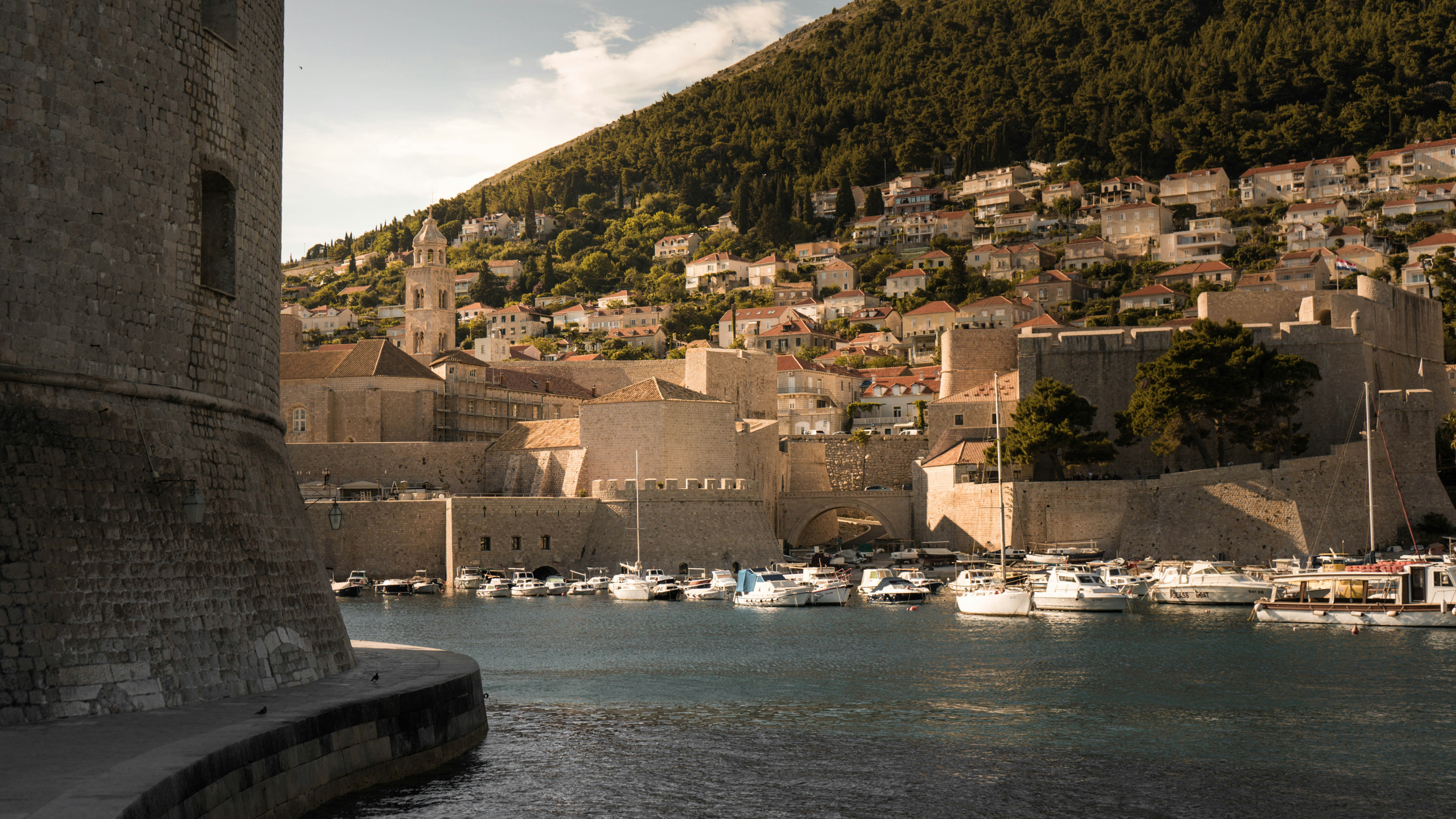
This kind of dress awareness is especially helpful in Dubrovnik, where historic streets feel more formal than a typical beach town.
Croatia customs for dining, tipping, and gift-giving
Dining in Croatia is relaxed, but good manners still matter: wait to be seated if the host or staff directs you, keep your hands visible on the table, and don’t start eating until everyone is served if you are in a formal setting. In many restaurants, service is attentive but unhurried, so expect meals to be a social experience rather than a rushed stop between sights. A casual lunch in 2026 can cost around €12–20 per person, while a nicer seafood dinner in coastal cities may run €25–45 or more, depending on location and drinks.
Tipping is appreciated but usually modest rather than automatic. Rounding up the bill or leaving about 5–10% for good service is common in restaurants, while small tips are also fine for taxis and hotel staff. For gift-giving, if you are invited to someone’s home, bringing flowers, sweets, wine, or a small souvenir from your country is thoughtful. Avoid overly expensive gifts unless the occasion calls for it, because that can feel uncomfortable.
Croatia customs also value punctuality and courtesy in social settings, especially outside major tourist zones. If you need directions or help, ask politely and thank people warmly—small gestures matter more than elaborate compliments.
Croatia etiquette for photography, holidays, and travel planning
Photography in Croatia is generally welcome in public spaces, but the key is to ask before photographing people, market vendors, or anything inside private or religious spaces. In churches, museums, and some protected historic sites, flash photography and tripods may be restricted, so look for signs before taking pictures. Drone use can also be regulated in coastal towns, national parks, and heritage areas, so check local rules before flying.
Local holidays can affect opening hours and transport, especially on national and religious dates. Croatia’s main public holidays include New Year’s Day on January 1, Easter Monday, Labor Day on May 1, Statehood Day on May 30, Victory and Homeland Thanksgiving Day on August 5, Assumption Day on August 15, All Saints’ Day on November 1, and Christmas and St. Stephen’s Day on December 25 and 26. In practice, some shops, museums, and smaller businesses may shorten hours or close entirely, particularly on major holidays and Sundays.
For travel planning, this means booking museum visits, ferries, and day trips in advance during peak season. If you are navigating holiday closures or last-minute changes, Hello’s eSIM can make it easier to check schedules, rebook transport, and keep maps updated as you move between islands and cities.
Business etiquette in Croatia: meetings, communication, and local expectations
Croatia business etiquette is formal at first and becomes warmer once trust is established. Use titles and surnames unless invited to do otherwise, arrive on time, and keep your communication clear and professional. A handshake is the standard greeting, and eye contact matters because it signals confidence and sincerity. In meetings, people may be direct, but that does not mean they are being rude; it usually reflects efficiency.
If you are dining with colleagues, business may be discussed after a little small talk, not immediately over the first sip of coffee. Dress conservatively for initial meetings, especially in Zagreb or more traditional industries. When exchanging cards, offer and receive them with both hands or a single courteous handover; there is no need for elaborate ceremony, but taking a moment to look at the card is a good sign of respect.
For travellers combining work and leisure, reliable connectivity helps a lot. An eSIM from Hello is useful for checking emails, joining calls, and using navigation while you move between hotels, cafés, and coworking spaces. That is especially practical if you are scheduling meetings around sightseeing in Split, Dubrovnik, or Zagreb.
Common questions about Croatia culture and etiquette
Croatia culture is friendly and practical, but visitors often have a few recurring questions about what is expected. The answers below cover the most common Croatia etiquette concerns so you can travel confidently.
What are the most important Croatia dos and donts? Do greet people politely, dress modestly for churches, and be punctual. Don’t be loud in quiet public spaces, don’t enter religious sites in beachwear, and don’t assume English will work everywhere.
Is it okay to wear shorts in Croatia? Yes, in casual tourist areas and at the beach, but not in churches, monasteries, or more formal settings. In historic centers like Dubrovnik, neat casual clothing usually feels more respectful.
Do Croatians expect tipping? Yes, but modest tipping is enough. Rounding up or leaving about 5–10% in restaurants is typical when service is good.
Should I learn Croatian phrases before visiting? You do not need fluency, but basic words like "Dobar dan," "Molim," and "Hvala" are appreciated and make interactions smoother.
Are holidays important for trip planning? Yes. Public holidays can change opening hours and transport, so checking schedules ahead of time helps avoid surprises.
Explore These Destinations
Stay Connected
Book this trip
Compare options on trusted travel sites
Plan activities for this trip
Continue to a reviewed booking partner to check schedules, inclusions, and terms.

Make the most of Croatia
From eSIM connectivity to expense tracking, Hello is the all-in-one companion that keeps your trip stress-free.
Related Articles
Croatia Currency & Money Guide: Exchange, Cards, and Tips
Currency exchange, credit card acceptance, ATM tips, tipping culture, and money-saving advice for Croatia.
25 July 2026
Croatia Safety Guide: Tips for a Safe Trip
Safety tips, health advisories, emergency contacts, common scams, and travel insurance advice for Croatia.
17 July 2026
Croatia Visa & Entry Requirements for Singapore Passport Holders
Visa requirements, passport validity, customs allowances, and entry tips for Singapore citizens travelling to Croatia.
8 July 2026