Key Takeaways
- ✓Bhutan in 2026 remains a carefully managed, culturally rich destination where planning around visas, Sustainable Development Fees, and logistics is essential.
- ✓Spring and autumn are the best seasons for clear views and comfortable temperatures, especially for first-time visitors focused on hiking and festivals.
- ✓Daily budgets are higher than many Asian countries, so use the Bhutan budget and currency guides to set realistic spending plans before you book.
- ✓Hello eSIM offers instant connectivity across Bhutan, making navigation, messaging, and expense tracking much easier from day one.
- ✓3, 5, and 10-day itineraries provide flexible frameworks, letting you match trip length to your depth of interest and travel pace.
- ✓Bhutan is generally safe, but altitude, road conditions, and respect for cultural norms matter more than in many destinations.
- ✓Cash, cards, and clear budgeting work together best—bring enough local currency while using cards where available and tracking expenses digitally.
- ✓A simple pre-trip checklist that covers visas, money, connectivity, safety, and culture will make your Bhutan journey smoother and more rewarding.
Bhutan is one of Asia’s most unique destinations: a Himalayan kingdom that measures success in Gross National Happiness, protects its environment fiercely, and welcomes visitors with deep Buddhist traditions and mountain landscapes. This 2026 Bhutan travel guide brings everything together—visa rules, budgets, connectivity, food, transport, and sample itineraries—so you can confidently plan your first (or next) trip.
Unlike fast-paced hubs like Japan or beach escapes in Thailand, Bhutan feels deliberately slow—monasteries perched on cliffs, prayer flags over high passes, and towns where dzongs (fortress-monasteries) still serve as both religious and administrative centers. As of 2026, tourism remains carefully managed with daily Sustainable Development Fees, evolving visa policies, and limited flight routes, making good planning more important than anywhere else in the region.
In this pillar guide, you’ll find an at-a-glance overview of when to go, how much to budget per day, what to expect from food and culture, and how to stay safely connected with Hello eSIM data. Each major topic links to detailed cluster articles—like Bhutan visa and entry, money, transport, food, and safety—so you can quickly dive deeper where you need it.
Use this as your Bhutan trip planner: start with best time to visit, match the right itinerary length to your style, then layer on budget, connectivity, and practical tips. By the end, you’ll have a clear plan, realistic numbers, and a feel for the country’s rhythm before you ever step onto the plane.
Why Visit Bhutan in 2026: Essentials at a Glance
Bhutan in 2026 offers a rare mix of pristine Himalayan landscapes, living Buddhist culture, and carefully managed tourism, making it perfect for travellers who value nature, authenticity, and slower-paced journeys over sightseeing checklists.
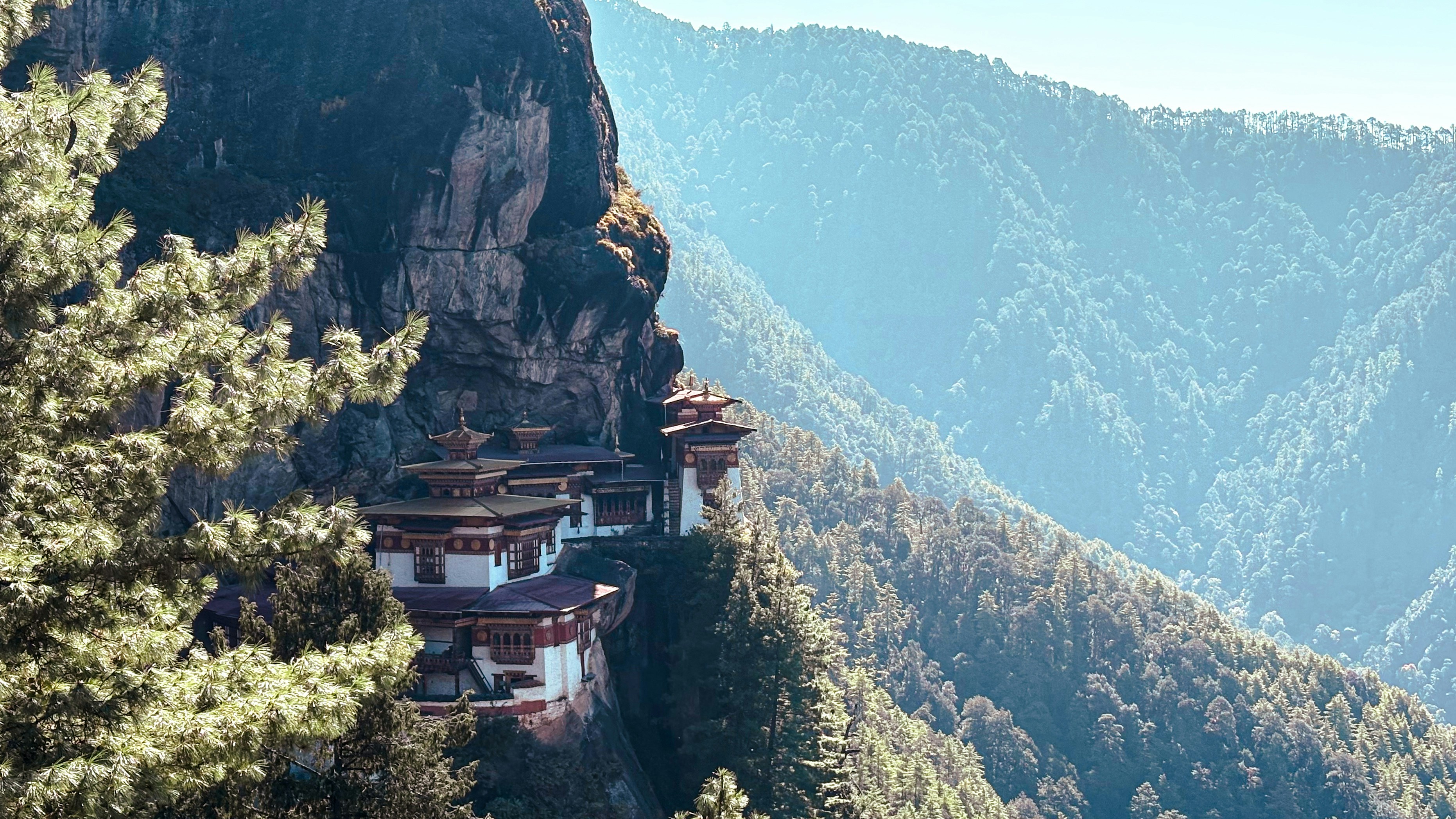
Bhutan stands out from classic Asia favourites like Japan and Thailand because the country is built around Gross National Happiness (GNH) rather than GDP. That philosophy filters into daily life—conservation-heavy policies, limited overtourism, and a deep respect for tradition. You’ll spend your days exploring dzongs, hiking to cliffside monasteries like Tiger’s Nest, and wandering quiet town streets instead of megacities.
As of 2026, Bhutan still controls visitor numbers through a Sustainable Development Fee (SDF) charged per person per night, plus visa or permit requirements that vary by nationality. Singapore passport holders benefit from clear, updated guidance in Bhutan Visa & Entry Requirements for Singapore Passport Holders, which is your go-to for exact fees, forms, and validity rules.
To help you choose how long to stay, pair this guide with detailed itineraries: fast-paced highlights in 3 Days in Bhutan: A Day-by-Day Itinerary, a balanced introduction in Bhutan in 5 Days: The Perfect Extended Itinerary, or a deeper dive in Bhutan in 10 Days: The Ultimate Travel Itinerary.
Think of Bhutan as a place where logistics matter more than usual—limited flight schedules, altitude changes, cooler temperatures, and sometimes spotty connectivity. That’s why this guide also connects you to focused resources on money, transport, eSIM connectivity, food, culture, and safety so you can design a trip that’s both inspiring and stress-free.
Best Time to Visit Bhutan: Seasons, Weather, and Festivals
The best time to visit Bhutan in 2026 is spring (March–May) and autumn (late September–November), when skies are clearer, temperatures comfortable, and major festivals and trekking season align perfectly for most travellers.
Bhutan’s climate shifts with altitude, but four broad seasons shape trip planning:
- Spring (March–May): Warm days, rhododendrons in bloom, great for moderate hikes and photography.
- Summer/Monsoon (June–August): Lush landscapes but heavier rain, cloudier views, and possible road disruptions.
- Autumn (late September–November): Crisp air, clear mountain views, prime trekking and festival season.
- Winter (December–February): Cold, especially in higher regions, but quiet, atmospheric, and cheaper.
Here’s a simple comparison to guide your timing:
| Season (2026) | Typical Day Temp (Thimphu) | Pros | Cons |
|---|---|---|---|
| Spring | 12–20°C | Flowers, comfortable hikes, fewer weather issues | Some haze in lowlands |
| Summer | 15–22°C | Green scenery, lower crowds | Rain, landslide risk, clouded views |
| Autumn | 10–18°C | Clear skies, famous festivals, best trekking | Higher demand, prices often peak |
| Winter | 0–12°C | Quiet, good for cultural focus | Cold, some mountain routes limited |
If you have limited time, use 3 Days in Bhutan: A Day-by-Day Itinerary to see how seasons change the feel of highlights like Paro and Thimphu. For longer trips, Bhutan in 5 Days: The Perfect Extended Itinerary and Bhutan in 10 Days: The Ultimate Travel Itinerary show how to align your route with prime festival dates or trekking windows.
As a rule of thumb: choose spring or autumn if it’s your first visit, winter if you prioritise culture over views, and only pick summer if you’re flexible and comfortable with possible weather-related changes.
Bhutan Travel Budget 2026: How Much to Expect Per Day
As of 2026, a trip to Bhutan typically costs more than neighbouring countries, with realistic daily budgets ranging from about US$80–120 for strict budget travellers up to US$250–400+ for comfortable mid-range and higher-end trips, excluding flights.
Bhutan’s costs are shaped by three main factors: the Sustainable Development Fee (SDF), accommodation standards, and whether you’re booking packages or travelling more independently where allowed. The SDF is charged per person per night and can be a significant portion of your total; details vary by nationality and current policy, so always confirm with the latest information and cross-check with Bhutan Visa & Entry Requirements for Singapore Passport Holders.
To get a granular breakdown, use Bhutan Travel Budget Guide: Daily Costs and Money Tips, which separates costs for budget, mid-range, and luxury travellers. It pairs well with Bhutan Currency & Money Guide: Exchange, Cards, and Tips for how to pay on the ground.
Here’s a simplified daily budget comparison (excluding flights, SDF highly variable):
| Style (2026) | Approx. Daily Spend | What It Covers |
|---|---|---|
| Budget | US$80–120 | Guesthouse, simple meals, shared transport, basic sightseeing |
| Mid-range | US$150–250 | Comfortable hotels, mix of local & cafe dining, private transfers |
| High-end | US$300–400+ | Boutique or upscale hotels, guided tours, flexible transport, premium meals |
Use this table as a starting point, then refine using the detailed numbers in Bhutan Travel Budget Guide: Daily Costs and Money Tips. Combine it with cluster itineraries—3, 5, or 10 days—to multiply out total trip cost and see the budget impact of staying longer in Bhutan versus adding days in nearby destinations like Thailand or Japan.
Visa & Entry Requirements: What You Need for Bhutan in 2026
In 2026, visiting Bhutan requires careful attention to visa rules, Sustainable Development Fees, and passport validity, which vary by nationality and type of trip—plan ahead to avoid surprises at the border or check-in.
Bhutan does not offer the same easy visa-on-arrival model as many parts of Asia, so it’s essential to understand your category. Requirements differ for regional travellers, those entering as part of tour packages, and independent travellers from countries such as Singapore, Europe, or North America. As of 2026, most foreign visitors must arrange entry formalities in advance and pay the nightly Sustainable Development Fee (SDF).
For Singapore passport holders, Bhutan Visa & Entry Requirements for Singapore Passport Holders is your primary reference. It covers:
- Exact visa procedures and whether you need approval before arrival.
- Minimum passport validity (commonly at least six months).
- Required documents (confirmed accommodation, onward tickets or itineraries).
- Customs allowances and items you should declare.
Use this article as a template even if you’re from another country: the same principles apply, even if specific numbers or forms differ.
To decide how long to stay based on administrative effort, look at sample routes in 3 Days in Bhutan: A Day-by-Day Itinerary, Bhutan in 5 Days: The Perfect Extended Itinerary, and Bhutan in 10 Days: The Ultimate Travel Itinerary. Matching visa validity and SDF costs with the right itinerary length will help you get the most value out of your paperwork.
Always re-check official updates shortly before you fly—rules can change between booking and travel, especially for SDF promotions or new entry categories introduced around 2026.
Getting Around Bhutan: Transport, Transfers, and Driving
Getting around Bhutan in 2026 means a mix of domestic flights, private cars, and limited public transport, with road conditions and altitude making journey times longer than the map might suggest—so build extra buffer into your itinerary.
Most trips start in Paro, home to Bhutan’s international airport. From there, travellers typically continue by road to Thimphu, Punakha, and other regions. Distances look short on paper but winding mountain roads turn three hours of driving into a normal day’s transfer.
Getting Around Bhutan: Transport Guide for Travellers breaks down your main options:
- Airport transfers: Pre-arranged hotel or tour pick-ups are standard.
- Inter-city travel: Private drivers or tour vehicles are common; public buses exist but schedules and comfort can be variable.
- Domestic flights: Limited routes, useful for remote regions when available.
- Driving yourself: Possible but not recommended for most visitors due to road conditions and local driving styles.
In Bhutan, transport links closely to how you structure your days. Compare the pace and routing in 3 Days in Bhutan: A Day-by-Day Itinerary, Bhutan in 5 Days: The Perfect Extended Itinerary, and Bhutan in 10 Days: The Ultimate Travel Itinerary. You’ll notice that days often alternate between sightseeing and transfers rather than trying to pack in both.
Think of transport in Bhutan as part of the experience, not just a way to get from A to B: mountain passes with prayer flags, river valleys, and roadside viewpoints all add to the journey. Plan shorter travel days, accept that delays can happen, and lean on local drivers’ knowledge rather than trying to rush across the country.
Food & Dining in Bhutan: What to Eat and What It Costs
Bhutan’s food scene in 2026 blends hearty Himalayan comfort dishes with chilli-heavy local favourites, with daily dining costs varying from a few dollars at local eateries to more for hotel restaurants, depending on your style.
If you like spice and warmth, Bhutanese cuisine is a perfect fit. Signature dishes often feature chillies, cheese, and red rice, designed to keep locals fuelled in colder, high-altitude climates. For a curated overview, dive into Bhutan Food Guide: Must-Try Dishes, Prices, and Tips, which covers:
- Must-try dishes like ema datshi (chilli and cheese), momos, and yak-based specialties.
- Average prices across street food, simple cafes, and hotel restaurants.
- Dietary considerations for vegetarians, vegans, and travellers avoiding certain ingredients.
- Food safety tips and what to watch out for when eating outside major towns.
Expect local meals to be relatively affordable compared with overall trip costs. Budget travellers can keep daily food spending low by eating where locals do, while mid-range and high-end travellers will pay more at hotel restaurants but gain consistency and atmosphere.
Pair food planning with money advice from Bhutan Currency & Money Guide: Exchange, Cards, and Tips so you know whether to bring more cash for rural areas, how widely cards are accepted, and what tipping customs look like in 2026.
Compared with neighbourhood ramen shops in Japan or street food markets in Thailand, Bhutan’s food scene is smaller and more local-focused, but it feels extremely tied to place—sharing meals often becomes one of the most memorable parts of the trip.
Top Experiences & Sample Itineraries: 3, 5, and 10 Days
Bhutan rewards travellers who slow down, with classic experiences clustered around Paro, Thimphu, and Punakha; choose between 3, 5, or 10 days depending on how deeply you want to explore culture, monasteries, and landscapes.
At a high level, most itineraries include:
- Paro: Tiger’s Nest (Taktsang Monastery), Paro Dzong, scenic valley views.
- Thimphu: Capital city life, cultural institutions, craft markets, viewpoints.
- Punakha: Rice fields, Punakha Dzong, riverside scenery, gentler climate.
For short trips, 3 Days in Bhutan: A Day-by-Day Itinerary packs core highlights into a long weekend-style stay. You’ll focus on Paro and Thimphu, with Tiger’s Nest usually as a centrepiece.
If you have a bit more time, Bhutan in 5 Days: The Perfect Extended Itinerary adds more cultural depth and often includes Punakha, balancing driving days with slower sightseeing.
Travellers who want to really immerse themselves should look at Bhutan in 10 Days: The Ultimate Travel Itinerary, which builds in rest days, side trips, and more varied experiences—ideal if you’re coming from farther away or combining Bhutan with longer regional travel.
Here’s a simple decision snapshot:
| Trip Length | Best For | Core Focus |
|---|---|---|
| 3 days | First-time, short break | Paro + Thimphu highlights |
| 5 days | Balanced intro | Add Punakha, more culture and views |
| 10 days | In-depth exploration | Extra valleys, rest days, optional hikes |
Use this pillar guide to understand costs, transport, and connectivity, then plug in the detailed day-by-day plans from each itinerary article to turn your Bhutan dreams into a concrete schedule.
Staying Connected: Hello eSIM for Bhutan in 2026
In 2026, the most convenient way to stay connected in Bhutan is to activate Hello eSIM before or upon arrival, giving you instant data access for maps, messaging, and expense tracking without hunting for local SIM cards.
Bhutan’s mobile coverage is improving year by year but can still be patchy in remote or high-altitude areas. In towns like Paro and Thimphu, however, data connectivity is usually reliable enough for navigation, messaging, and travel apps. Using Hello’s travel companion app, you can buy and activate Hello eSIM data plans that cover Bhutan along with over 200 other destinations—ideal if you’re connecting from Japan, Thailand, or elsewhere in the region.
eSIM for Bhutan: Best Plans, Coverage, and Setup Tips walks you through:
- How Hello eSIM works on compatible iOS and Android devices.
- Recommended data amounts based on trip length and typical usage.
- Coverage expectations in major towns versus rural or trekking areas.
- Step-by-step setup so you’re online as soon as your plane lands.
Once connected, you can also use Hello’s other features—like trip planning, budget tracking, and expense splitting with friends—to keep your Bhutan costs transparent and your group on the same page.
Think of Hello eSIM as part of your risk management plan: it makes it easier to coordinate transport, check weather changes, contact accommodation, and access safety resources like Bhutan Safety Guide: Tips for a Safe Trip whenever you need them.
Safety, Health & Culture: Travelling Responsibly in Bhutan
Bhutan is generally a safe, welcoming destination in 2026, but travellers should still pay attention to altitude, road conditions, and cultural etiquette to keep their trip smooth and respectful.
On the safety side, Bhutan Safety Guide: Tips for a Safe Trip is your key reference. It outlines:
- Overall safety levels and what kinds of incidents are most realistic (often minor rather than serious).
- Health considerations, including altitude effects and basic medical preparation.
- Emergency contacts and the value of comprehensive travel insurance.
- Awareness of scams or issues, even though they are less common than in many other countries.
Culturally, Bhutan places high value on respect within monasteries, dzongs, and public spaces. Bhutan Cultural Guide: Etiquette, Customs, and Tips covers:
- How to dress modestly, especially for religious sites.
- Greeting customs and small phrases that show appreciation.
- Photography etiquette and when to ask for permission.
Compared with more informal environments in Thailand or tourist-heavy cities in Japan, Bhutan can feel more structured—especially around religious and official spaces. That’s part of its charm: you’re stepping into living traditions, not just visiting museums.
A simple framework: think health, roads, respect. Prepare for altitude and cooler temperatures; treat road journeys as serious travel segments; and always follow local guidance in sacred spaces. Combining the safety and cultural cluster guides with Hello eSIM connectivity ensures you have reliable information and support on hand as you move through the country.
Money, Currency & Paying in Bhutan
Handling money in Bhutan in 2026 is straightforward if you understand the local currency, plan for cash in smaller towns, and know where cards and digital payments are realistically accepted.
Bhutan uses the Bhutanese ngultrum (often paired 1:1 with the Indian rupee for practical purposes), but your day-to-day reality as a traveller is a mix of cash payments and limited card use. Bhutan Currency & Money Guide: Exchange, Cards, and Tips explains:
- Where to exchange money and what rates to expect.
- How widely credit and debit cards are accepted in cities versus rural areas.
- ATM availability and limits, plus any common issues.
- Tipping culture and when small gratuities are appropriate.
Combine this with Bhutan Travel Budget Guide: Daily Costs and Money Tips to decide how much cash to bring for your daily expenses and Sustainable Development Fee payments where relevant.
Hello’s app can help you track your spending day by day and split expenses with friends, reducing stress around shared meals, transport, and accommodation. With Hello eSIM active, you can also check exchange rates on the go and message your bank in case of card issues.
Think of your Bhutan money plan as a mix: some cash for flexibility, cards where available, and a clear daily budget based on your travel style. That way, higher baseline costs compared with destinations like Japan or Thailand feel manageable rather than surprising.
Before You Go: Pre-Trip Checklist for Bhutan 2026
A smart pre-trip checklist for Bhutan in 2026 covers visa formalities, flights, health prep, connectivity, and money, helping you avoid last-minute stress and make the most of your days in the Himalayas.
Use this section as a quick planning blueprint:
-
Confirm visa and entry:
- Check current requirements and Sustainable Development Fee rules.
- For Singaporeans, review Bhutan Visa & Entry Requirements for Singapore Passport Holders.
-
Choose your itinerary length:
- 3 days for a short highlight trip: 3 Days in Bhutan: A Day-by-Day Itinerary.
- 5 days for a balanced introduction: Bhutan in 5 Days: The Perfect Extended Itinerary.
- 10 days for deeper exploration: Bhutan in 10 Days: The Ultimate Travel Itinerary.
-
Budget and money prep:
- Set a daily budget using Bhutan Travel Budget Guide: Daily Costs and Money Tips.
- Plan cash, cards, and ATM strategy via Bhutan Currency & Money Guide: Exchange, Cards, and Tips.
-
Connectivity and apps:
- Install Hello on iOS or Android.
- Purchase and set up Hello eSIM using eSIM for Bhutan: Best Plans, Coverage, and Setup Tips.
-
Safety & cultural prep:
-
Packing basics:
- Layers for cooler evenings.
- Comfortable walking shoes for monasteries and town exploration.
- Modest clothing suitable for religious sites.
Ticking through this list in the weeks before departure turns Bhutan from a dream into a well-organised reality, so once you arrive you can focus on views, culture, and conversations rather than logistics.
Bhutan Visa & Entry Requirements for Singapore Passport Holders
Itineraries3 Days in Bhutan: A Day-by-Day Itinerary
ItinerariesBhutan in 5 Days: The Perfect Extended Itinerary
ItinerariesBhutan in 10 Days: The Ultimate Travel Itinerary
eSIM & ConnectivityeSIM for Bhutan: Best Plans, Coverage, and Setup Tips
Budget PlanningBhutan Travel Budget Guide: Daily Costs and Money Tips
Currency & MoneyBhutan Currency & Money Guide: Exchange, Cards, and Tips
Safety & HealthBhutan Safety Guide: Tips for a Safe Trip
Cultural GuideBhutan Cultural Guide: Etiquette, Customs, and Tips
Frequently Asked Questions
Is Bhutan expensive to visit compared with other Asian destinations in 2026?
Yes, Bhutan is generally more expensive than many Asian countries in 2026 because of the Sustainable Development Fee (SDF) charged per person per night, plus structured tourism and higher baseline package costs. Using Bhutan Travel Budget Guide: Daily Costs and Money Tips helps you plan realistic daily budgets and see how they compare to trips in Japan or Thailand.
How many days do I need for a first trip to Bhutan?
For most first-time visitors, 5 days is an ideal starting point—it gives you time for Paro, Thimphu, and often Punakha without feeling rushed. If you only have a long weekend, follow 3 Days in Bhutan: A Day-by-Day Itinerary; if you want deeper immersion, use Bhutan in 10 Days: The Ultimate Travel Itinerary to stretch your stay.
Do I need a visa to visit Bhutan in 2026?
Most foreign travellers need some form of visa or permit plus payment of the Sustainable Development Fee to enter Bhutan in 2026. Exact rules depend on your nationality. Singapore passport holders can follow the step-by-step instructions in Bhutan Visa & Entry Requirements for Singapore Passport Holders; travellers from other countries should check equivalent guidance and official updates before booking flights.
Will I have mobile data and internet access in Bhutan?
In major towns like Paro and Thimphu, mobile data and Wi‑Fi are usually available, though speeds and coverage may be more limited than in big cities elsewhere. The easiest way to stay online is to activate Hello eSIM using eSIM for Bhutan: Best Plans, Coverage, and Setup Tips, which gives you instant data plus access to Hello’s trip planning and expense tracking tools.
Is Bhutan safe for solo travellers?
Bhutan is widely considered safe for solo travellers, with low crime rates and a welcoming culture. The main risks tend to be road conditions, altitude, and basic health issues rather than personal security. Read Bhutan Safety Guide: Tips for a Safe Trip for practical precautions, insurance advice, and emergency contact details tailored to 2026 travel.
What should I wear when visiting monasteries and dzongs?
Dress modestly: covered shoulders, longer trousers or skirts, and generally avoiding overly tight or revealing clothing. Inside religious sites, follow local instructions about shoes, photography, and restricted areas. Bhutan Cultural Guide: Etiquette, Customs, and Tips provides clear guidance on dress codes and cultural etiquette so you can visit respectfully.
Can I use credit cards, or should I bring cash to Bhutan?
You should bring some cash, especially for smaller towns and local eateries. Credit and debit cards are increasingly accepted at hotels and certain businesses in cities, but coverage is not universal. Bhutan Currency & Money Guide: Exchange, Cards, and Tips explains where cards work reliably, how to use ATMs, and how much cash is wise to carry based on your itinerary.
eSIM Plans for Bhutan
Detailed Articles
Dive deeper into specific topics covered in this guide.
3 Days in Bhutan: A Day-by-Day Itinerary
A detailed 3-day itinerary for Bhutan with daily activities, costs, neighborhoods, and transport tips.
9 June 2026
Bhutan in 5 Days: The Perfect Extended Itinerary
A detailed 5-day itinerary for Bhutan with daily activities, costs, neighborhoods, and transport tips for an extended stay.
4 May 2026
Bhutan in 10 Days: The Ultimate Travel Itinerary
A comprehensive 10-day itinerary for Bhutan covering top attractions, hidden gems, daily costs, and transport between cities.
17 June 2026
Bhutan Visa & Entry Requirements for Singapore Passport Holders
Visa requirements, passport validity, customs allowances, and entry tips for Singapore citizens travelling to Bhutan.
7 July 2026
Bhutan Travel Budget Guide: Daily Costs and Money Tips
How much does it cost to travel in Bhutan? Daily budget breakdowns for budget, mid-range, and luxury travellers.
22 February 2026
Bhutan Currency & Money Guide: Exchange, Cards, and Tips
Currency exchange, credit card acceptance, ATM tips, tipping culture, and money-saving advice for Bhutan.
24 July 2026
Getting Around Bhutan: Transport Guide for Travellers
Airport transfers, public transport, ride-hailing apps, inter-city travel, and driving tips for Bhutan.
22 May 2026
Bhutan Food Guide: Must-Try Dishes, Prices, and Tips
Best local dishes, street food, restaurant prices, dietary options, and food safety tips for Bhutan.
13 May 2026
More Travel Guides
Destination Guide
Complete Bosnia and Herzegovina Travel Guide 2026
Everything you need to know about travelling to Bosnia and Herzegovina — budget, visa, food, transport, eSIM connectivity, and itineraries.
Destination Guide
Complete Bahamas Travel Guide 2026
Everything you need to know about travelling to Bahamas — budget, visa, food, transport, eSIM connectivity, and itineraries.
Destination Guide
Complete Bahrain Travel Guide 2026
Everything you need to know about travelling to Bahrain — budget, visa, food, transport, eSIM connectivity, and itineraries.
Destination Guide
Complete Sint Eustatius Travel Guide 2026
Everything you need to know about travelling to Sint Eustatius — budget, visa, food, transport, eSIM connectivity, and itineraries.