Bhutan Cultural Guide: Etiquette, Customs, and Tips
Essential do's and don'ts, greeting customs, dress codes, local phrases, and cultural tips for Bhutan.
By Hello Travel Team
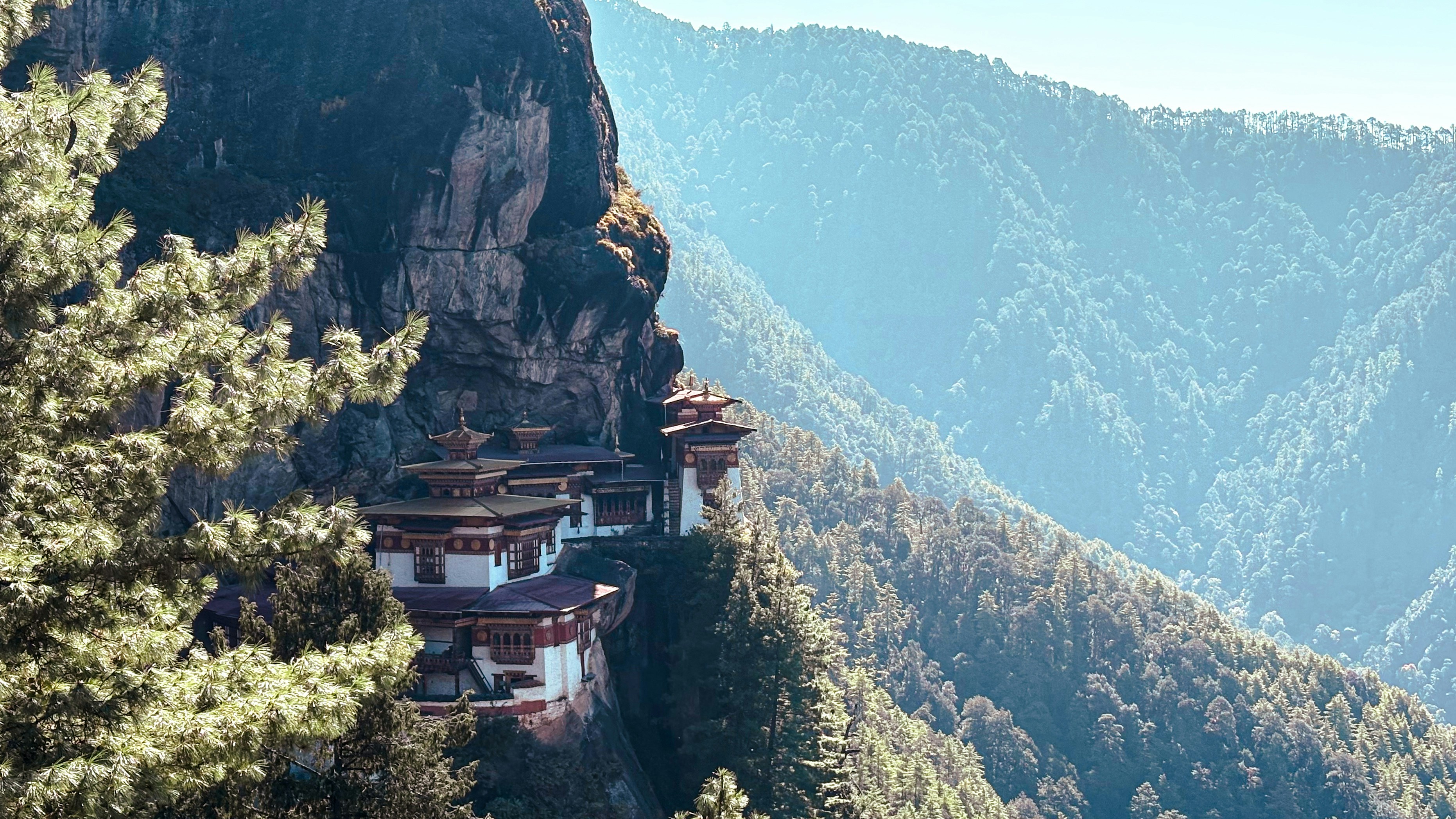
TL;DR: Essential Bhutan Etiquette, Customs, and Cultural Dos and Don’ts
Bhutan’s culture is deeply shaped by Buddhism, respect for the monarchy, and the concept of Gross National Happiness, so travellers are expected to dress modestly, behave respectfully at religious sites, and learn basic local etiquette when visiting this Himalayan kingdom. This guide covers greetings, dress codes, photography rules, gift-giving, and practical cultural tips so you can explore Bhutan confidently and respectfully.
Think of Bhutan as a place where tradition is still everyday life, not just a performance for visitors. Locals wear national dress, monks outnumber tourists in many monasteries, and the pace of life remains slower than most modern capitals.
At a glance, the key dos and don’ts of Bhutan culture are:
- Do dress modestly, especially at temples and dzongs.
- Do remove shoes and hats when entering religious spaces.
- Do walk clockwise around chortens (stupas) and prayer wheels.
- Don’t point your feet at people, shrines, or sacred objects.
- Don’t touch monks or their robes, especially if you’re female.
- Don’t take close-up photos of people or religious rituals without asking.
According to Bhutan’s Department of Tourism, the country welcomed around 315,000 visitors in 2019 before the pandemic, and has been gradually reopening under its "High Value, Low Volume" policy since 2022, so travellers should expect well-regulated tourism and clear rules at major sites and hotels.
Use this guide as your cultural compass: if in doubt, follow locals’ lead, ask politely, and choose the respectful option.
Understanding Bhutan Culture: Respect, Religion, and Gross National Happiness
Bhutanese culture revolves around Mahayana Buddhism, respect for the King, and the national philosophy of Gross National Happiness, so the most important etiquette rule is to act with quiet respect, patience, and kindness in public spaces. If you keep those three in mind, you’ll rarely go wrong.
Bhutan is one of the world’s few countries that measures progress through Gross National Happiness (GNH) rather than GDP alone, according to Bhutan’s Centre for Bhutan Studies and GNH Research. This philosophy values cultural preservation, environmental protection, and good governance as much as economic growth, which is why tourism is carefully controlled and traditions are actively protected.
Daily life shows this cultural focus:
- Many Bhutanese still wear national dress – the knee-length gho for men and the kira for women – especially in offices, schools, and on formal occasions.
- Buddhist prayer flags, chortens (stupas), and monasteries line roads and hillsides, and it’s common to see locals circumambulating them clockwise while reciting mantras.
- Respect for the King and royal family is strong; portraits appear in shops, hotels, and homes, and critical remarks about the monarchy are considered deeply rude.
A few practical dos and don’ts that reflect Bhutan customs:
- Do speak softly in temples and government buildings.
- Do stand when a lama (senior monk) or elder enters a room.
- Don’t criticize Bhutanese beliefs, politics, or royal family, even as a joke.
- Don’t compare Bhutan negatively to neighboring countries.
Bhutan’s population is under 800,000 according to UN estimates for 2025, which means social networks are tight and word travels fast, so polite behavior is noticed and appreciated.
Greeting Customs and Useful Local Phrases in Bhutan
The simplest way to greet in Bhutan is a warm smile and a polite “hello,” but learning a few Dzongkha phrases and the right body language—no big hugs, gentle handshakes, and respectful tone—goes a long way to show you appreciate Bhutanese etiquette and customs.
Bhutan has multiple languages, but Dzongkha is the national language and most widely used in western Bhutan. English is commonly spoken in cities like Thimphu and Paro, especially among younger Bhutanese and in tourism, but rural areas may rely more on Dzongkha or regional languages.
Common greeting customs:
- A simple handshake is fine in towns, often accompanied by a slight bow of the head.
- Older Bhutanese may place their hands together at the chest (like a prayer gesture) and nod – mirroring this is respectful.
- Physical contact is minimal; avoid big bear hugs, back slaps, or overly familiar touching.
Useful Dzongkha phrases:
- Kuzu zangpo la – Hello / Greetings
- Nangten chey la? – How are you?
- Kadrinche la – Thank you
- Mezhu – Please
- Log jay gay – See you again / Goodbye
Adding “la” at the end of sentences is a polite form that softens your tone, similar to saying “sir” or “ma’am.”
A few etiquette tips:
- Use titles like "Acho" (older brother) and "Achu" (older sister) when addressing older locals if introduced that way.
- If you’re unsure, default to English with a smile and then try a Dzongkha phrase – the effort is appreciated.
Bhutan’s adult literacy rate is around 71% according to UNESCO data for 2024, and English education has expanded in recent decades, so most tourism staff can help you practice phrases and correct your pronunciation.
Dress Codes and Temple Etiquette: What to Wear in Bhutan
In Bhutan, modest dress—covered shoulders, long trousers or skirts, and closed shoes—is expected at religious sites and government offices, while casual outdoor clothing is fine for hikes and sightseeing, as long as you avoid revealing outfits that clash with local norms and Bhutan customs.
At temples, monasteries, and dzongs (fortress-monasteries), visitors are usually asked to follow guidelines broadly similar to the national dress code used for Bhutanese citizens. You don’t need to wear a gho or kira, but you should:
- Cover shoulders and chest (no tank tops or low-cut tops).
- Wear long trousers or skirts that cover the knees.
- Choose closed shoes; sandals may be acceptable but should be sturdier, not beach flip-flops.
- Remove hats, caps, and sunglasses when entering religious compounds.
Inside temples and certain interiors:
- Remove your shoes before stepping inside.
- Walk clockwise around shrines and chortens.
- Never sit with feet pointing towards a Buddha statue or altar – tuck legs to the side or sit cross-legged.
For daily sightseeing in cities like Thimphu, Paro, or Punakha:
- Jeans or hiking pants and a t-shirt are fine, as long as the t-shirt isn’t very tight or revealing.
- A light jacket or shawl is useful for layering; temperatures can vary from 10–25°C depending on altitude and season.
If you’re invited for official meetings or more formal events, your guide may recommend renting or borrowing a gho or kira from a local shop. According to local outfitters in Thimphu, renting a full set of national dress can cost about $20–35 in 2026 for a day, including belt and accessories.
As a rule of thumb: if you’d feel underdressed at a church or formal ceremony at home, you’re underdressed for temples in Bhutan.
Photography Rules, Business Etiquette, and Everyday Dos and Don’ts
Photography is generally welcome in Bhutan’s landscapes and streets, but you must ask before shooting people or religious rituals, and follow posted rules in dzongs and temples—which often restrict indoor photos—to respect Bhutanese culture and religious sensitivities.
Photography etiquette:
- Look for signs at the entrance of dzongs and temples; many forbid indoor photography or flash.
- Always ask permission before taking close-up photos of monks, nuns, or local families.
- Avoid photographing military installations, checkpoints, or secure government buildings.
- During ceremonies, follow your guide’s instructions; some rituals are considered too sacred to photograph.
Business and social etiquette:
- Meetings start with a brief exchange of pleasantries; rushing straight to the agenda can feel abrupt.
- Exchanging business cards with two hands is polite; receive and glance at the card before putting it away.
- Punctuality is appreciated, but conversations may be unhurried; allow buffer time.
- Overt displays of anger or frustration are frowned upon—keep a calm tone even when something goes wrong.
Everyday Bhutan dos and don’ts:
- Do use your right hand (supported by the left) when giving or receiving objects.
- Do keep public affection minimal; hand-holding is fine, but kissing and hugging in public can feel inappropriate.
- Don’t litter—Bhutan is serious about environmental conservation.
- Don’t step over people sitting on the floor; walk around instead.
According to the Bhutan Tourism Monitor published by the Department of Tourism, visitor numbers are still much lower than in bigger destinations like Thailand or Japan, so tourists are more visible and individual behavior can strongly influence local perceptions.
Festivals, Holidays, and Gift-Giving Customs That Affect Travel Plans
Major Buddhist festivals and national holidays—especially Tshechus and events like National Day—can transform Bhutan’s rhythm, making it a magical time to visit but also a period of higher prices, fuller hotels, and tighter transport, so plan around them and treat ceremonies with quiet respect.
Bhutan’s calendar blends lunar Buddhist dates with fixed national holidays. Key dates and periods that affect travel:
- Tshechus (religious festivals): Held throughout the year in different dzongs (e.g., Paro Tshechu usually in March–April, Thimphu Tshechu around September–October). During Tshechus, hotels in festival towns can book out months in advance and prices may rise 20–30%.
- National Day – December 17: Celebrates the establishment of the monarchy in 1907 with parades and ceremonies, especially in Thimphu.
- Losar (Bhutanese New Year): Date varies by lunar calendar but often falls between February and March; many businesses take family time.
According to Bhutan’s Department of Tourism updates in 2025, festival attendance has risen with the gradual return of international visitors, so booking 3–6 months ahead is wise if you want to experience a major Tshechu.
Gift-giving customs:
- Small, thoughtful gifts are appreciated, especially when visiting homes—think local snacks, tea, or simple souvenirs from your country.
- Avoid very expensive or flashy gifts, which can feel uncomfortable or create obligation.
- Present gifts with both hands, and don’t be surprised if they’re put aside to open later; this is normal and not a snub.
If you’re splitting costs for festival tickets, homestays, or guides with friends, the Hello app’s multi-currency expense splitting and budget tracking features help keep things fair and transparent, especially since Bhutan’s currency (Ngultrum) is pegged to the Indian Rupee and you may be dealing with multiple currencies on your trip.
Common Questions About Bhutan Etiquette and Cultural Dos and Don’ts
Most travellers ask if Bhutan is strict about etiquette, and the answer is yes—but in a gentle way: expectations are clear, guides are helpful, and as long as you dress modestly, act respectfully, and listen to local advice, you’ll navigate Bhutan customs comfortably.
Is tipping expected in Bhutan?
Tipping isn’t historically part of Bhutan culture, but it has become common in tourism. For multi-day tours, tipping your guide and driver at the end is appreciated—around $8–12 per day per traveller for a guide and $5–8 per day for a driver in 2026 is common practice.
Can I drink alcohol in Bhutan?
Alcohol is available, and local ara (a traditional rice or grain spirit) is popular, but drunken behavior is frowned upon. Public intoxication near temples or family neighborhoods can seriously damage local impressions. Bars and restaurants in Thimphu and Paro usually charge $2–4 for a beer in 2026.
Is Bhutan safe for solo travellers and women?
Yes. Bhutan is generally very safe, with low crime rates and strong community ties according to regional security reports from South Asian tourism bodies. Basic precautions still apply—avoid walking alone late at night, and follow your guide’s advice—but harassment is rare.
How should I stay connected in Bhutan?
Mobile coverage exists in most towns but can be spotty in remote valleys. Buying an eSIM from Hello before arrival lets you land connected, manage maps, and keep in touch with your guide without hunting for local SIM kiosks. Check Hello eSIM for Bhutan for current data plans.
What’s the biggest etiquette mistake visitors make?
The most common misstep is disrespecting temple rules—wearing shorts, talking loudly, or taking photos where they’re not allowed. When in doubt, watch what locals do and ask your guide before snapping a picture or entering a restricted area.
Money, Connectivity, and Practical Tips for Respectful Travel in Bhutan
Respectful travel in Bhutan means planning ahead—booking tours early, budgeting for the Sustainable Development Fee, and organizing connectivity and cash—so you can focus on culture, not logistics, and avoid rushed behavior that can feel disrespectful to local hosts.
Bhutan’s tourism operates under a "High Value, Low Volume" policy. As of 2026, international visitors typically pay a Sustainable Development Fee (SDF) of around $100–200 per person per night depending on current regulations and promotional periods, according to updates from Bhutan’s Department of Tourism. Many travellers book through licensed tour operators who bundle accommodation, transport, and guide services.
To help you budget:
- Simple local meals: $6–10 per person in 2026.
- Mid-range restaurant dinners: $15–25 per person in 2026, especially in tourist hubs.
- Entry to major dzongs and museums: often included in tour packages, but standalone tickets can be around $5–10.
A quick comparison of daily costs for cultural travel:
| Item (2026) | Bhutan (cultural trip) | Regional cities (e.g., Bangkok) |
|---|---|---|
| Budget meal | $6–10 | $3–8 |
| Mid-range dinner | $15–25 | $12–20 |
| Museum/temple entry | $5–10 or included | $2–10 |
Connectivity and expenses:
- In major towns, Wi‑Fi is available in many hotels and cafes but can be slow or intermittent.
- Using Hello’s eSIM plans ensures stable data for navigation, messaging, and translation apps, especially helpful when reading temple signs or checking festival schedules.
- The Hello app’s AI receipt scanning, multi-currency tracking, and voice expense entry make it easy to track your SDF, tips, and shared costs with friends.
Finally, the most respectful cultural move you can make is simple: slow down. Allow time to walk clockwise around chortens, linger at festivals, and chat with your guide—Bhutan rewards travellers who move at its own, thoughtful pace.
Explore These Destinations
Stay Connected
Make the most of Bhutan
From eSIM connectivity to expense tracking, Hello is the all-in-one companion that keeps your trip stress-free.
Related Articles
Bhutan Currency & Money Guide: Exchange, Cards, and Tips
Currency exchange, credit card acceptance, ATM tips, tipping culture, and money-saving advice for Bhutan.
24 July 2026
Bhutan Safety Guide: Tips for a Safe Trip
Safety tips, health advisories, emergency contacts, common scams, and travel insurance advice for Bhutan.
16 July 2026
Bhutan Visa & Entry Requirements for Singapore Passport Holders
Visa requirements, passport validity, customs allowances, and entry tips for Singapore citizens travelling to Bhutan.
7 July 2026