Bhutan Safety Guide: Tips for a Safe Trip
Safety tips, health advisories, emergency contacts, common scams, and travel insurance advice for Bhutan.
By Hello Travel Team
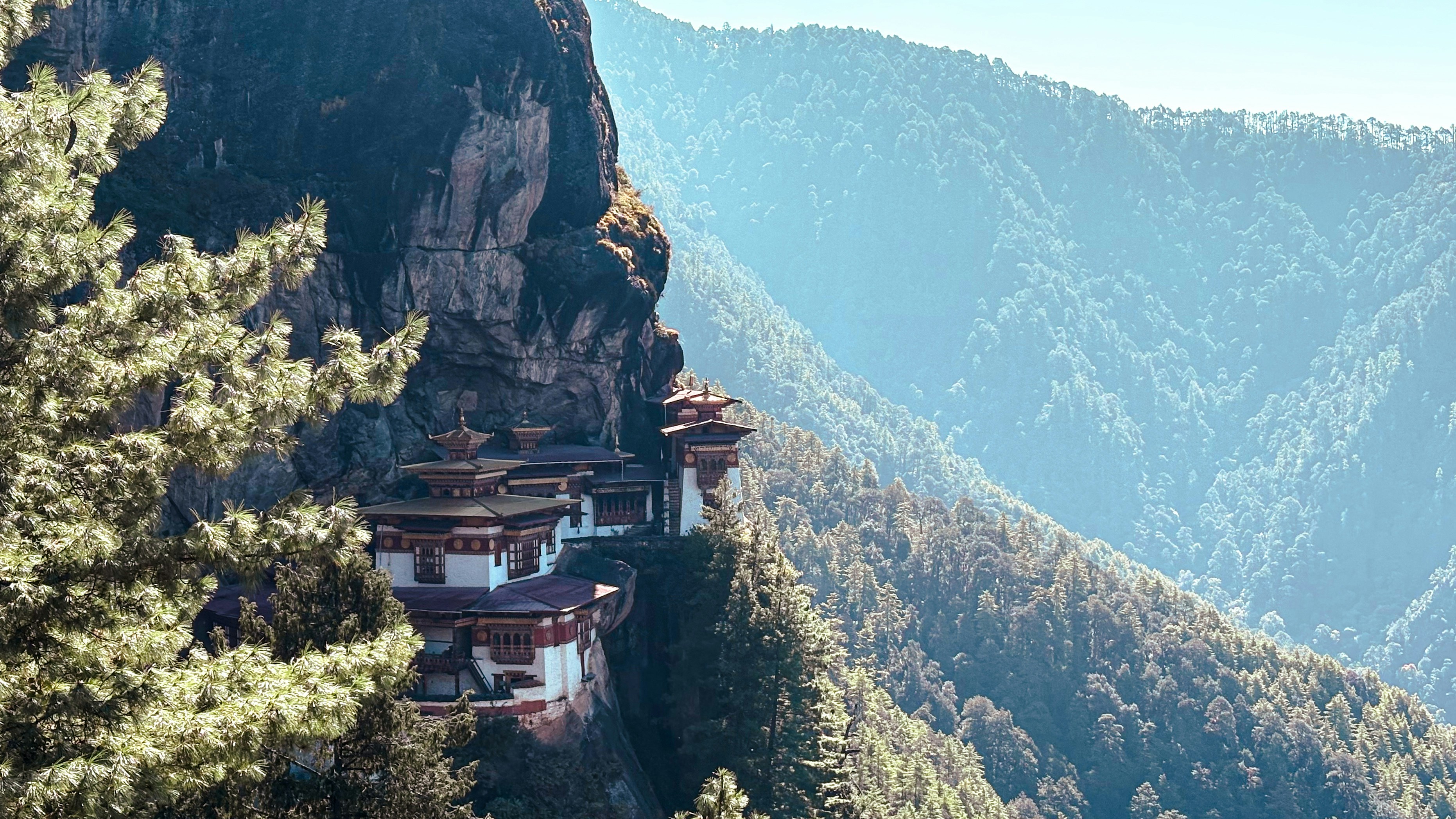
Bhutan Safety Guide: Is Bhutan Safe for Travellers?
Bhutan is generally a safe destination, with low crime and uncommon violent incidents, but sensible precautions remain important in towns, on mountain roads, and during outdoor activities. Singapore’s Ministry of Foreign Affairs describes Bhutan’s crime rate as low, while noting occasional burglaries, theft, and petty crime. Canada’s travel advice similarly recommends securing passports and valuables, particularly in Thimphu.
For most visitors, the bigger risks are not street crime but altitude, road conditions, remote trekking routes, sudden weather changes, and limited medical facilities outside major towns. Travel through Bhutan is commonly arranged with licensed local operators, which adds practical support for transport, accommodation, and excursions.
Keep valuables discreet, use hotel safes where available, and carry photocopies or secure digital copies of your passport, insurance policy, visa documents, and flight details. Avoid walking alone on poorly lit streets late at night, especially after drinking. Respect Bhutanese customs: dress modestly at monasteries and dzongs, remove hats and shoes where requested, and never photograph restricted religious or military areas.
Bhutan’s national tourism policy and controlled visitor arrangements can make planning more structured than in many destinations. Confirm your itinerary, transport, accommodation, and current entry requirements before departure, and leave a copy of your plans with someone at home.
Bhutan Travel Safety: Roads, Trekking, Altitude, and Water
The most practical Bhutan travel safety rule is to treat every road journey and mountain excursion as an outdoor adventure rather than ordinary sightseeing. Bhutan’s winding Himalayan roads can be narrow, steep, and affected by landslides, rain, fog, or snow. Avoid insisting on night driving, wear a seat belt, and allow generous time between Paro, Thimphu, Punakha, and more remote valleys.
Altitude can affect visitors even on popular routes. Thimphu sits at roughly 2,300 metres, while higher passes and trekking areas are substantially more elevated. Ascend gradually when possible, drink water, avoid heavy alcohol during acclimatisation, and report severe headache, confusion, breathlessness at rest, vomiting, or loss of coordination to your guide immediately. A medical consultation before high-altitude travel is especially advisable for travellers with heart, lung, or pregnancy-related concerns.
Use a registered guide for remote treks, check weather forecasts, carry warm layers and a headlamp, and keep emergency contacts written offline. Do not hike alone beyond populated trails. River swimming and rafting require particular caution because currents and water temperatures can change quickly.
For drinking water, choose sealed bottled water or properly treated water. Avoid untreated streams, use hand sanitiser when facilities are limited, and eat freshly cooked food from reputable establishments. In rural areas, pack oral rehydration salts and essential prescription medicines.
Bhutan Scams, Theft, and Local Customs: How to Avoid Problems
Bhutan scams are not a defining feature of travel there, but petty theft, inflated informal charges, and misunderstandings over services are best prevented by agreeing on prices and using reputable providers. Violent crime is uncommon, yet pickpocketing and occasional theft can occur in busy areas of Thimphu, markets, transport hubs, and festivals.
Before accepting a taxi, guide service, souvenir purchase, room upgrade, or extra excursion, confirm the total price and what is included. Keep receipts for significant purchases and avoid handing over your passport as security. If a card machine is unavailable, count change carefully and carry smaller Bhutanese ngultrum notes. ATMs and card acceptance can be less predictable outside major towns, so maintain a discreet cash reserve.
Common-sense precautions include:
- Carry a cross-body bag closed toward your body in crowded places.
- Keep your passport, phone, and wallet in separate locations.
- Do not leave phones or bags unattended in vehicles or cafés.
- Verify unexpected requests for money, documents, or hotel changes through your guide or accommodation.
- Report theft promptly to local police and request a written report for insurance claims.
Photography and religious etiquette matter. Ask before photographing people, monks, ceremonies, or private homes, and walk clockwise around religious monuments unless local instructions say otherwise. Never touch sacred objects or enter restricted areas.
Bhutan Emergency Numbers and Singapore Consular Assistance
Save Bhutan emergency numbers before departure because mobile coverage and internet access can vary on mountain roads and in remote valleys. Bhutan’s emergency contacts are police 113, ambulance 112, fire services 110, and traffic police 111. Write them in your phone, keep them on paper, and tell your travelling companions where they are.
| Service | Bhutan emergency number | When to call |
|---|---|---|
| Police | 113 | Theft, assault, missing person, immediate danger |
| Ambulance | 112 | Serious injury, breathing difficulty, suspected altitude illness |
| Fire service | 110 | Fire or rescue emergency |
| Traffic police | 111 | Road collision or urgent traffic incident |
When calling, state your location using the nearest town, hotel, road, monastery, pass, or landmark. Ask your guide or hotel to assist if language or location details become difficult. After a road accident, prioritise safety, contact emergency services, and obtain a police report.
Singapore does not maintain a resident embassy in Bhutan. Singapore’s Ministry of Foreign Affairs provides Bhutan travel advice and consular guidance; travellers should verify the current designated mission and after-hours assistance details on MFA’s Bhutan page before departure. Bhutanese diplomatic representation for Singapore is handled through the Royal Bhutanese Embassy in Bangkok, whose published telephone number is +66 2 274 4740–2. Keep your insurer’s 24-hour assistance number alongside these contacts, and register your itinerary with Singapore MFA if that service is available.
Bhutan Health Advice, Vaccinations, and Travel Insurance
Book a travel-health appointment at least four to six weeks before Bhutan, update routine vaccinations, and buy insurance that covers altitude, evacuation, and trekking—not merely medical bills. The CDC recommends that travellers be current with routine immunisations, including measles-mumps-rubella, and recommends hepatitis A vaccination for unvaccinated travellers to Bhutan. Hepatitis B, typhoid, rabies, Japanese encephalitis, and malaria prevention may be appropriate depending on itinerary, season, rural exposure, and medical history.
Yellow fever vaccination is generally required only when arriving from a country with yellow-fever transmission risk. Requirements and disease patterns can change, so consult a doctor or travel-health clinic and check official guidance before departure. Use mosquito repellent and long clothing in warmer southern areas, avoid contact with dogs and other mammals, and seek urgent care after an animal bite or scratch.
Choose a policy that explicitly includes:
- Emergency medical treatment and hospitalisation.
- Helicopter or road evacuation from remote regions.
- High-altitude trekking and activities listed in your itinerary.
- Trip cancellation, interruption, missed connections, and delayed baggage.
- Pre-existing conditions, prescription medicines, and repatriation.
Medical care is more accessible in Thimphu and Paro than in remote districts, and serious cases may require evacuation. Keep policy details offline and ask your insurer whether you must call before non-emergency treatment. A basic policy may cost roughly US$40–$120 for a one-week trip in 2026, while age, coverage limits, activities, and medical history can substantially change the price.
Solo Female and LGBTQ+ Traveller Safety in Bhutan
Solo female travellers generally find Bhutan welcoming, but the safest approach combines independent awareness with local support, particularly after dark and on remote routes. Use established hotels, pre-arranged transport, and licensed guides, share daily plans with someone you trust, and avoid isolated trails or roadside walks alone. If a situation feels uncomfortable, enter a hotel, restaurant, shop, or police station rather than continuing the conversation.
Bhutan is traditionally conservative. Dress respectfully when visiting monasteries, dzongs, villages, and rural communities: cover shoulders and knees, and carry a light scarf or layer. Public displays of affection may attract attention, regardless of gender. Alcohol is available, but avoid becoming intoxicated when travelling alone or crossing unfamiliar areas.
LGBTQ+ travellers should expect a generally discreet social environment and should monitor current legal and cultural guidance. Same-sex relationships were decriminalised in Bhutan in 2022, but social attitudes can remain conservative, especially outside urban areas. Travellers may wish to avoid public displays of affection, choose accommodation with inclusive reviews, and discuss privacy preferences with guides before sharing rooms or itinerary details.
Travel insurance, offline maps, reliable communication, and a charged power bank are particularly useful for solo trips. Hello’s app can help organise plans and track spending across currencies; an eSIM from Hello for Bhutan can also provide mobile data for maps, translation, hotel communication, and emergency calls where local network coverage is available. Check activation instructions before flying.
Common Questions About Bhutan Travel Safety
Most travellers can enjoy Bhutan safely by preparing for altitude, road conditions, limited medical access, and conservative local customs rather than focusing only on crime. These answers address common planning questions.
Is Bhutan safe for first-time visitors? Yes. Bhutan has low reported crime and uncommon violent crime, but visitors should secure valuables, follow guide advice, and avoid risky road or mountain decisions.
What are the Bhutan emergency numbers? Call 113 for police, 112 for ambulance, 110 for fire, and 111 for traffic police. Save them offline before travelling.
Is tap water safe to drink in Bhutan? Quality varies by location. Use sealed bottled water or filtered and treated water, particularly outside established hotels. Carry purification tablets for trekking.
Are there Bhutan scams tourists should know about? Serious tourist scams are not commonly reported, but petty theft, unclear informal prices, and payment misunderstandings can occur. Confirm costs in advance, use reputable operators, and keep receipts.
Do I need travel insurance for Bhutan? Travel insurance is strongly recommended, especially for trekking, high-altitude travel, road journeys, evacuation, cancellation, and pre-existing medical conditions.
Can LGBTQ+ travellers visit Bhutan? Yes, but Bhutan remains socially conservative. Maintain discretion, respect local customs, and confirm current guidance before travelling.
Can I use mobile data in Bhutan? Coverage is strongest around major towns and routes, with gaps in remote mountains. Activate Hello eSIM before departure, download offline maps, and keep your accommodation and emergency details on paper.
Explore These Destinations
Stay Connected
Ready for Bhutan?
eSIM data, expense splitting, budget tracking, and more. Everything you need for a smooth trip in one app.
Related Articles
Bhutan Currency & Money Guide: Exchange, Cards, and Tips
Currency exchange, credit card acceptance, ATM tips, tipping culture, and money-saving advice for Bhutan.
24 July 2026
Bhutan Visa & Entry Requirements for Singapore Passport Holders
Visa requirements, passport validity, customs allowances, and entry tips for Singapore citizens travelling to Bhutan.
7 July 2026
eSIM for Bhutan: Best Plans, Coverage, and Setup Tips
Everything you need to know about using eSIM in Bhutan. Best data plans, network coverage, and setup instructions.
28 June 2026