Key Takeaways
- ✓Mozambique in 2026 offers Indian Ocean beaches, diving, and coastal culture at generally lower crowds and costs than many popular destinations.
- ✓The best time to visit is the dry season from roughly May to October, with January–February bringing the highest cyclone risk in the south.
- ✓Typical daily budgets range from about $50–70 for backpackers to $80–150 for mid-range travellers, with luxury island stays easily exceeding $200 per day.
- ✓Hello eSIM is the simplest way to stay connected in Mozambique, combining instant data activation with trip planning, expense splitting, and budget tools.
- ✓Visa requirements vary by nationality; Singapore passport holders should follow the dedicated guide, and all travellers should check up-to-date rules before flying.
- ✓Local transport (chapas, buses) is cheap but slow, while domestic flights and pre-booked transfers are worth considering on short or multi-region trips.
- ✓Food is a highlight, with grilled seafood and peri-peri dishes at accessible prices; cash remains important for markets, local eateries, and transport.
- ✓Using the 3-, 5-, and 10-day itinerary clusters helps match trip length to your interests, from quick city breaks to multi-stop coastal and island adventures.
Mozambique is where Indian Ocean beaches, vibrant coastal towns, and wild, untamed reserves all meet — still under the radar compared to Thailand or Japan, but that’s exactly the charm. As of 2026, it’s a destination for travellers who love diving with whale sharks, hopping on traditional dhows, and discovering places that feel genuinely undiscovered.
This Complete Mozambique Travel Guide 2026 is your practical trip planner and friendly local contact rolled into one. You’ll get an at-a-glance sense of when to go, what things cost, and how to move around the country, plus how to stay connected with Hello eSIM, navigate visas, and try the best seafood without blowing your budget.
We’ll start with the big-picture decisions: best time to visit, budget ranges, and which regions to prioritise on a first trip. Then we’ll zoom into essentials like visas, currency, safety, transport, food, and connectivity, each with links to detailed cluster guides where you can deep-dive into specifics like exact daily budgets, transport options, and 3-, 5-, and 10-day itineraries.
You’ll also find comparison tables, decision frameworks for picking the right itinerary length, and a “Before You Go” checklist tailored to Mozambique in 2026. By the end, you’ll not only know how to plan a trip — you’ll know if Mozambique is right for you, and exactly what kind of trip you want it to be.
Why Visit Mozambique in 2026
Mozambique in 2026 is perfect for travellers who want Indian Ocean beaches, world-class diving, and authentic coastal culture without the crowds you’ll find in Thailand or Japan. Expect laid-back towns, incredible seafood, and island escapes that still feel like a well-kept secret.
What makes Mozambique special is its mix of beach and wild nature. In the south, you’ve got Tofo’s dive scene with whale sharks and manta rays, Vilanculos and the Bazaruto archipelago for island-hopping, and Maputo’s lively markets and music. Further north, the Quirimbas islands and Pemba feel more remote, with turquoise water and coral reefs that reward longer, more adventurous trips.
As of 2026, daily budgets are still lower than many Indian Ocean islands, especially if you stay in guesthouses and travel slowly. You’ll find plenty of mid-range options, with true luxury concentrated in private island lodges and high-end coastal resorts.
This guide is built to be your Mozambique trip planner: it links out to detailed pieces on budget (Mozambique Travel Budget Guide: Daily Costs and Money Tips), safety (Mozambique Safety Guide: Tips for a Safe Trip), culture (Mozambique Cultural Guide: Etiquette, Customs, and Tips), food (Mozambique Food Guide: Must-Try Dishes, Prices, and Tips), transport (Getting Around Mozambique: Transport Guide for Travellers), and more.
Use this pillar guide to get the big picture, then dive into the cluster articles whenever you need specifics: exact daily costs, visa details for Singapore citizens, or step-by-step itineraries for 3, 5, or 10 days.
Mozambique Travel Budget Guide: Daily Costs and Money Tips
Safety & HealthMozambique Safety Guide: Tips for a Safe Trip
Cultural GuideMozambique Cultural Guide: Etiquette, Customs, and Tips
Food & DiningMozambique Food Guide: Must-Try Dishes, Prices, and Tips
Getting AroundGetting Around Mozambique: Transport Guide for Travellers
Best Time to Visit Mozambique
The best time to visit Mozambique in 2026 is May to October, when the dry season brings sunny skies, lower humidity, and ideal conditions for beaches, diving, and safaris. January–February is cyclone season in the south, so coastal areas like Bazaruto are best avoided then.
Mozambique broadly has a dry, cooler period and a hot, rainy period. The dry season (roughly May–October) is perfect for classic first-time trips: Maputo plus the southern beaches and islands, or combining Mozambique with a safari in neighbouring countries. During these months you’ll get warm days, cooler nights, and very little rain, with whale sharks and manta rays often seen around Tofo.
The wetter months (roughly November–April) bring higher humidity and heavy showers, especially along the coast. Cyclone risk is highest in January–February in southern coastal areas, so check conditions carefully if you’re planning a trip then. The north, around Pemba and the Quirimbas, tends to be less affected and can be visited more flexibly year-round.
Here’s a simple season comparison at a glance:
| Season (approx) | Weather & sea | Best for | Watch out for |
|---|---|---|---|
| May–Aug | Dry, cooler, clear water | First-time trips, diving, safaris | Higher prices in peak school holidays |
| Sep–Oct | Warm, mostly dry | Whale watching, fewer crowds | Rising heat, early storms in some years |
| Nov–Dec | Hot, humidity rising | Cheaper stays, lush scenery | Increasing rain, some storms |
| Jan–Apr | Hot, rainy | Experienced travellers, north coast | Cyclones (esp. Jan–Feb south), rough seas |
For detailed seasonal tips, wildlife calendars, and month-by-month suggestions, pair this overview with your chosen itinerary length: 3 Days in Mozambique: A Day-by-Day Itinerary, Mozambique in 5 Days: The Perfect Extended Itinerary, and Mozambique in 10 Days: The Ultimate Travel Itinerary.
Mozambique Travel Budget Overview
As of 2026, a trip to Mozambique typically costs USD $50–150 per person per day, from backpacker basics to comfortable mid-range stays. Luxury island lodges and private safaris can easily exceed $200–400 per day, especially in remote archipelagos.
Your Mozambique budget depends most on where you go and how you move around. Southern hubs like Maputo, Tofo, and Vilanculos have more accommodation variety and often better value, while exclusive islands in Bazaruto and the Quirimbas command premium prices. Internal flights and boat transfers can be a major cost, especially on shorter trips or complex itineraries.
Here’s a budget comparison table to help you choose your travel style:
| Traveller type | Daily budget (approx, 2026) | Typical inclusions |
|---|---|---|
| Budget | $50–70 | Hostel/guesthouse, chapas/minibuses, local eateries, 1–2 paid activities per stay |
| Mid-range | $80–150 | Comfortable guesthouse/hotel, mix of chapas & taxis, some internal flights, regular excursions |
| Luxury | $200+ | Resorts or island lodges, private transfers, domestic flights, guided dives/safaris, fine dining |
If you’re travelling with friends, Hello’s expense-splitting and budget tracking tools make it easier to see who paid for what and keep your group on track.
For detailed breakdowns by region and travel style — including example daily budgets for backpackers, mid-range couples, and luxury travellers — read the Mozambique Travel Budget Guide: Daily Costs and Money Tips. To understand cash, cards, tipping, and ATMs in more depth, pair it with the Mozambique Currency & Money Guide: Exchange, Cards, and Tips.
Visa, Entry & Documents (with a Focus on Singapore Travellers)
As of 2026, Mozambique’s visa and entry rules are straightforward for many nationalities, with e-visa and visa-on-arrival options; Singapore passport holders have specific requirements covered in detail in our visa cluster guide.
You’ll need a valid passport, typically with at least six months’ validity remaining and a few blank pages for stamps. Depending on your nationality, you may be eligible for visa-free entry for short stays, a visa on arrival, or an e-visa obtained in advance. Entry rules can change, so always check the latest information close to your travel date.
For Singapore citizens, the most up-to-date requirements, including visa types, processing times, and any fees, are covered in Mozambique Visa & Entry Requirements for Singapore Passport Holders. Even if you’re not from Singapore, that guide is useful for understanding the overall structure of Mozambique’s entry policies.
Beyond visas, you should also consider:
- Passport validity: Aim for 6+ months beyond your return date.
- Return/onward ticket: Airlines or immigration may ask for proof.
- Accommodation proof: First few nights’ bookings or a host’s contact.
- Customs & allowances: Know limits on cash, alcohol, and drones.
Simple entry prep framework:
- Check visa type for your nationality.
- Confirm passport validity and blank pages.
- Print or save flight & accommodation confirmations.
- Verify vaccination or health requirements if any.
For deeper detail — including customs rules, what to expect at the airport, and tips for smoother immigration — see Mozambique Visa & Entry Requirements for Singapore Passport Holders together with the Mozambique Safety Guide: Tips for a Safe Trip.
Getting Around Mozambique: Transport at a Glance
Travelling around Mozambique in 2026 means choosing between time and comfort: chapas and buses are cheap but slow, while domestic flights and private transfers dramatically cut travel time between key coastal hubs.
For most travellers, Mozambique transport falls into three tiers:
- Local transport: chapas (minibuses), shared taxis, and local buses — the cheapest, most local way to move, but crowded, slow, and unpredictable.
- Mid-range options: intercity buses, scheduled minibus routes, and occasional domestic flights — a balance between budget and comfort.
- Comfort-focused travel: domestic flights between cities like Maputo, Vilanculos, and Pemba, plus pre-booked hotel or lodge transfers and boat crossings for islands.
Getting from Maputo to Vilanculos or Tofo overland can take most of a day; flying saves many hours and is often worth it on short itineraries. In towns, you’ll rely on taxis, walking, or lodge transfers rather than app-based ride-hailing everywhere.
Use this simple decision guide:
- 3–5 days: Focus on one region and use short transfers; consider flying if you need to cover long distances.
- 7–10+ days: Mix overland travel with a few flights to reach more remote areas.
- Diving/island focus: Expect boat transfers and small planes; build buffer days.
For practical details — airport transfers, typical prices, how chapas work, and driving tips if you’re considering hiring a car — read Getting Around Mozambique: Transport Guide for Travellers. Then match transport to your time frame with 3 Days in Mozambique: A Day-by-Day Itinerary, Mozambique in 5 Days: The Perfect Extended Itinerary, and Mozambique in 10 Days: The Ultimate Travel Itinerary.
Food & Dining: What (and How) to Eat in Mozambique
Mozambique in 2026 is a dream for food lovers: think grilled prawns, peri-peri chicken, coconut curries, and fresh fish served with rice or matapa — all at prices that are still reasonable compared with many other Indian Ocean destinations.
The country’s cuisine reflects Portuguese, Indian Ocean, and local influences. Along the coast, seafood is the star: prawns, crab, lobster, and fish grilled over charcoal, often marinated in spicy peri-peri. You’ll also find dishes like matapa (cassava leaves cooked in coconut milk and ground peanuts), xima (maize porridge), and plenty of rice-based plates.
Eating out is one of the pleasures of travelling here, with options ranging from simple market stalls and beach shacks to stylish restaurants in Maputo and lodge dining rooms in Vilanculos or the islands. Prices vary by city and level of formality, but many travellers find they can eat very well on a mid-range budget.
Use this rough price sense (per person, as of 2026):
- Street food/local stall: cheap snacks and simple meals.
- Casual restaurant: moderate prices, generous portions.
- Lodge/fine dining: higher prices, especially in remote beach areas.
If you have dietary requirements (vegetarian, vegan, halal, gluten-free), planning ahead helps, especially outside major cities. The Mozambique Food Guide: Must-Try Dishes, Prices, and Tips covers must-try dishes, price ranges, and how to handle food safety.
Pair that with the Mozambique Currency & Money Guide: Exchange, Cards, and Tips and Mozambique Travel Budget Guide: Daily Costs and Money Tips to understand how much to budget for food each day and whether to pay in cash or by card.
Top Experiences & Suggested Itineraries
The best Mozambique trips in 2026 revolve around coastal towns, islands, and underwater life — with flexible itineraries from 3 to 10 days that let you mix beaches, culture, and adventure.
Core experiences most travellers aim for:
- Maputo: Lively capital with markets, music, and a mix of colonial and modern architecture.
- Tofo & Barra: Dive and surf hub known for whale sharks, manta rays, and a relaxed beach vibe.
- Vilanculos & Bazaruto: Gateway to island-hopping, dhow trips, sand dunes, and shallow turquoise lagoons.
- Northern coast (Pemba, Quirimbas): More remote, ideal for extended trips and serious diving or island stays.
A helpful way to plan is by trip length:
- 3 days: Focus on one base — Maputo city break, or a single beach town.
- 5 days: Combine Maputo plus a beach hub, or two coastal bases.
- 10 days: Maputo + south coast + islands, or a deeper northern coast adventure.
Use this quick itinerary picker:
| Your time | Best fit | See details |
|---|---|---|
| Short break (3–4 days) | One city or beach base | 3 Days in Mozambique: A Day-by-Day Itinerary |
| Extended stay (5–7 days) | City + coast combo | Mozambique in 5 Days: The Perfect Extended Itinerary |
| Big trip (8–12 days) | Multi-region, islands & dives | Mozambique in 10 Days: The Ultimate Travel Itinerary |
Each itinerary cluster article provides day-by-day plans, activity ideas, estimated costs, and transport tips; use this pillar section to decide which itinerary matches your travel style and then jump into the details you need.
Staying Connected: Hello eSIM in Mozambique
In 2026, the easiest way to stay online in Mozambique is Hello eSIM, which offers instant data activation without hunting for local SIM shops — perfect for mapping, translations, and keeping your group’s plans in sync.
Hello provides eSIM data plans for 200+ countries, including Mozambique. Once you’ve purchased and activated your Hello eSIM, you can typically land in Maputo or another airport and connect to local networks right away, using data for navigation, messaging, and social apps without needing a physical SIM card.
The big advantages for Mozambique are:
- Instant activation: Set up before you fly or on arrival.
- No physical SIM swap: Keep your usual number active for calls/SMS while using data via Hello.
- Travel tools in one place: Trip planning, expense splitting, and budget tracking alongside connectivity.
In coastal and urban areas, coverage is usually good enough for maps, social media, and messaging. More remote islands and rural areas may have patchier signal or slower speeds, so download offline maps and key documents beforehand.
To choose the best data plan, understand coverage hotspots, and follow step-by-step activation instructions, read eSIM for Mozambique: Best Plans, Coverage, and Setup Tips. Combining that guide with Hello’s in-app tools gives you a smoother, more connected trip — particularly helpful for coordinating dives, boat trips, and multi-city itineraries.
Remember that while Wi‑Fi is available in many hotels and cafes, it can be inconsistent; Hello eSIM is your reliable base layer for navigation and communication in Mozambique.
Safety, Health & Cultural Etiquette
Mozambique in 2026 rewards travellers who are sensible about safety, health, and local etiquette — basic precautions and cultural awareness go a long way toward a smooth, respectful trip.
Safety-wise, most visitors have incident-free trips, especially in common tourist areas. Standard city precautions apply: keep valuables discreet, avoid poorly lit streets at night, and be careful with bags and phones in busy markets or transport hubs. Always monitor current advice if travelling to more remote regions.
Health considerations include malaria risk in much of the country, so speak to a travel doctor well before your trip about prophylaxis and vaccines. Bring a small medical kit, use insect repellent, and sleep under nets where provided. Food and water hygiene matter too: start with bottled or filtered water and be cautious with raw foods if you have a sensitive stomach.
Culturally, Mozambique is warm and welcoming, and a few phrases and basic etiquette make interactions smoother:
- Dress modestly in rural areas and when visiting markets or religious sites.
- Ask before photographing people.
- Greet with respect and patience; things run on a more relaxed schedule than in some countries.
For deeper guidance, use Mozambique Safety Guide: Tips for a Safe Trip for safety and health advice, emergency contacts, and insurance tips, and Mozambique Cultural Guide: Etiquette, Customs, and Tips for greetings, dress codes, and useful phrases. Together, they give you the practical and cultural context that transforms a good trip into a great one.
Currency, Payments & Practical Money Tips
Mozambique’s currency and payment landscape in 2026 is still cash-forward, with cards accepted in many mid-range and upscale spots but not everywhere; planning a mixed cash-and-card strategy is key.
The country uses the Mozambican metical (often written as MZN), and you’ll typically get the best rates by withdrawing from ATMs in major towns rather than exchanging cash at airports. ATMs are common in cities but sparse in rural areas and some islands, so plan draws accordingly.
Cards are increasingly accepted in hotels, restaurants, and dive shops, but small guesthouses, local eateries, markets, and transport often prefer cash. Tipping culture is modest but appreciated — small tips for good service go a long way.
Hello’s budget tracking tools can help you log cash and card expenses in real time, making it easier to stay within your daily budget and split costs fairly with friends.
For detailed advice on currency exchange, which cards work best, ATM safety, and typical tipping norms, see Mozambique Currency & Money Guide: Exchange, Cards, and Tips. For how all this translates into real daily spending on accommodation, food, and activities, pair it with Mozambique Travel Budget Guide: Daily Costs and Money Tips.
With a bit of planning — and a mix of card for bigger payments and cash for everyday transactions — dealing with money in Mozambique becomes straightforward, freeing you up to enjoy the beaches and markets instead of hunting for ATMs.
Before You Go: Mozambique Trip Checklist
Before you fly to Mozambique in 2026, make sure you’ve checked visas, sorted Hello eSIM, planned a realistic budget, and chosen an itinerary length that matches how you travel.
Here’s a concise pre-departure checklist:
-
Documents & visa
- Confirm visa requirements and apply for any e-visa or visa on arrival paperwork.
- Check passport validity (at least 6 months is safest) and print flight/accommodation confirmations.
- Review Mozambique Visa & Entry Requirements for Singapore Passport Holders for a sense of entry rules.
-
Health & safety
- Visit a travel clinic about malaria prophylaxis and vaccines.
- Buy travel insurance that covers medical care, evacuation, and activities like diving.
- Read Mozambique Safety Guide: Tips for a Safe Trip.
-
Connectivity & apps
- Purchase and set up Hello eSIM for Mozambique.
- Install Hello’s app to use trip planning, expense splitting, and budget tracking features.
- Download offline maps and key documents.
-
Money & budget
- Decide on your daily budget using Mozambique Travel Budget Guide: Daily Costs and Money Tips.
- Read Mozambique Currency & Money Guide: Exchange, Cards, and Tips.
-
Culture & packing
- Skim Mozambique Cultural Guide: Etiquette, Customs, and Tips.
- Pack lightweight clothing, a cover-up for modest dress, a hat, reef-safe sunscreen, and a basic medical kit.
-
Route & timing
Ticking these boxes means you’ll land ready to enjoy Mozambique rather than troubleshooting basics on arrival.
Mozambique Visa & Entry Requirements for Singapore Passport Holders
Safety & HealthMozambique Safety Guide: Tips for a Safe Trip
Budget PlanningMozambique Travel Budget Guide: Daily Costs and Money Tips
Currency & MoneyMozambique Currency & Money Guide: Exchange, Cards, and Tips
Cultural GuideMozambique Cultural Guide: Etiquette, Customs, and Tips
eSIM & ConnectivityeSIM for Mozambique: Best Plans, Coverage, and Setup Tips
Itineraries3 Days in Mozambique: A Day-by-Day Itinerary
ItinerariesMozambique in 5 Days: The Perfect Extended Itinerary
ItinerariesMozambique in 10 Days: The Ultimate Travel Itinerary
Frequently Asked Questions
How much does it cost to travel in Mozambique in 2026?
As of 2026, most travellers spend roughly USD $50–150 per person per day in Mozambique, depending on style. Budget backpackers can get by at the lower end with guesthouses and public transport, while mid-range travellers will sit around $80–150 with a mix of flights, organized excursions, and comfortable stays. Luxury island lodges or private safaris can easily push daily costs beyond $200. For detailed breakdowns by region and travel style, see Mozambique Travel Budget Guide: Daily Costs and Money Tips.
When is the best time to visit Mozambique?
For most first-time visitors, the best time to visit Mozambique is the dry season from roughly May to October. You’ll get sunny days, lower humidity, and excellent conditions for beaches, diving, and safaris, with cyclone risk in the south highest in January–February. The north is more flexible year-round. If you’re planning a short city or beach trip, aim for May–August; longer, more adventurous itineraries can stretch into September–November with some trade-offs. Use the itineraries (3 Day, 5 Day, 10 Day) together with this guide to pick exact dates.
Do I need a visa to visit Mozambique?
Visa requirements depend on your nationality. Some travellers benefit from visa-free stays, others from visa on arrival or e-visa options. You’ll need a passport with sufficient validity (usually six months beyond your return date) and may be asked for proof of onward travel and accommodation. Rules can change, so always check close to your trip. Singapore passport holders have specific, up-to-date guidance in Mozambique Visa & Entry Requirements for Singapore Passport Holders, which also gives a good general overview of entry procedures.
Is Mozambique safe for travellers?
Most travellers have safe, enjoyable trips to Mozambique, particularly in established coastal hubs and popular towns. As in any country, petty crime can occur, so use normal city precautions: keep valuables discreet, avoid walking alone late at night, be cautious in crowded areas, and stay updated on local conditions before visiting more remote regions. Health-wise, malaria risk in many parts of the country means talking to a travel doctor in advance. For comprehensive safety tips, health advice, and emergency contacts, see Mozambique Safety Guide: Tips for a Safe Trip.
How do I stay connected in Mozambique? Is Hello eSIM enough?
In 2026, using Hello eSIM is usually the easiest way to stay online in Mozambique. You can activate data before flying or on arrival and connect to local networks without buying a physical SIM, keeping your usual number for calls and SMS. Coverage is generally good in cities and popular coastal areas, but more remote regions may have weaker signal, so it’s wise to download offline maps and key information. Hello also bundles trip planning, expense splitting, and budget tracking tools, making it a strong all-in-one travel companion. For plan choices and setup steps, read eSIM for Mozambique: Best Plans, Coverage, and Setup Tips.
Can I combine Mozambique with other destinations like safaris or nearby countries?
Yes. Many travellers combine Mozambique’s beaches and coastal towns with safaris in neighbouring countries. Common combinations include flying into a major hub, doing a safari, and then connecting on to Maputo, Vilanculos, or Pemba for the beach portion. When comparing itineraries, remember that Mozambique is generally less crowded and more relaxed than places like Thailand or Japan, making it a great ‘unwind’ destination after a busy multi-country route. Use the 5‑ and 10‑day itineraries to understand how much time you’ll want within Mozambique itself: Mozambique in 5 Days: The Perfect Extended Itinerary and Mozambique in 10 Days: The Ultimate Travel Itinerary.
What should I pack for a trip to Mozambique?
Pack light, breathable clothing for warm weather: shorts, T‑shirts, swimwear, and a hat, plus at least one modest outfit (long trousers or skirt and covered shoulders) for rural areas and markets. Add reef-safe sunscreen, insect repellent, a basic medical kit, any prescription medicines, and a light sweater or jacket for cooler evenings in the dry season. Flip-flops for the beach and sturdy sandals or trainers for walking are usually enough. For cultural and practical context to refine your packing list, review Mozambique Cultural Guide: Etiquette, Customs, and Tips and Mozambique Safety Guide: Tips for a Safe Trip.
eSIM Plans for Mozambique
Detailed Articles
Dive deeper into specific topics covered in this guide.
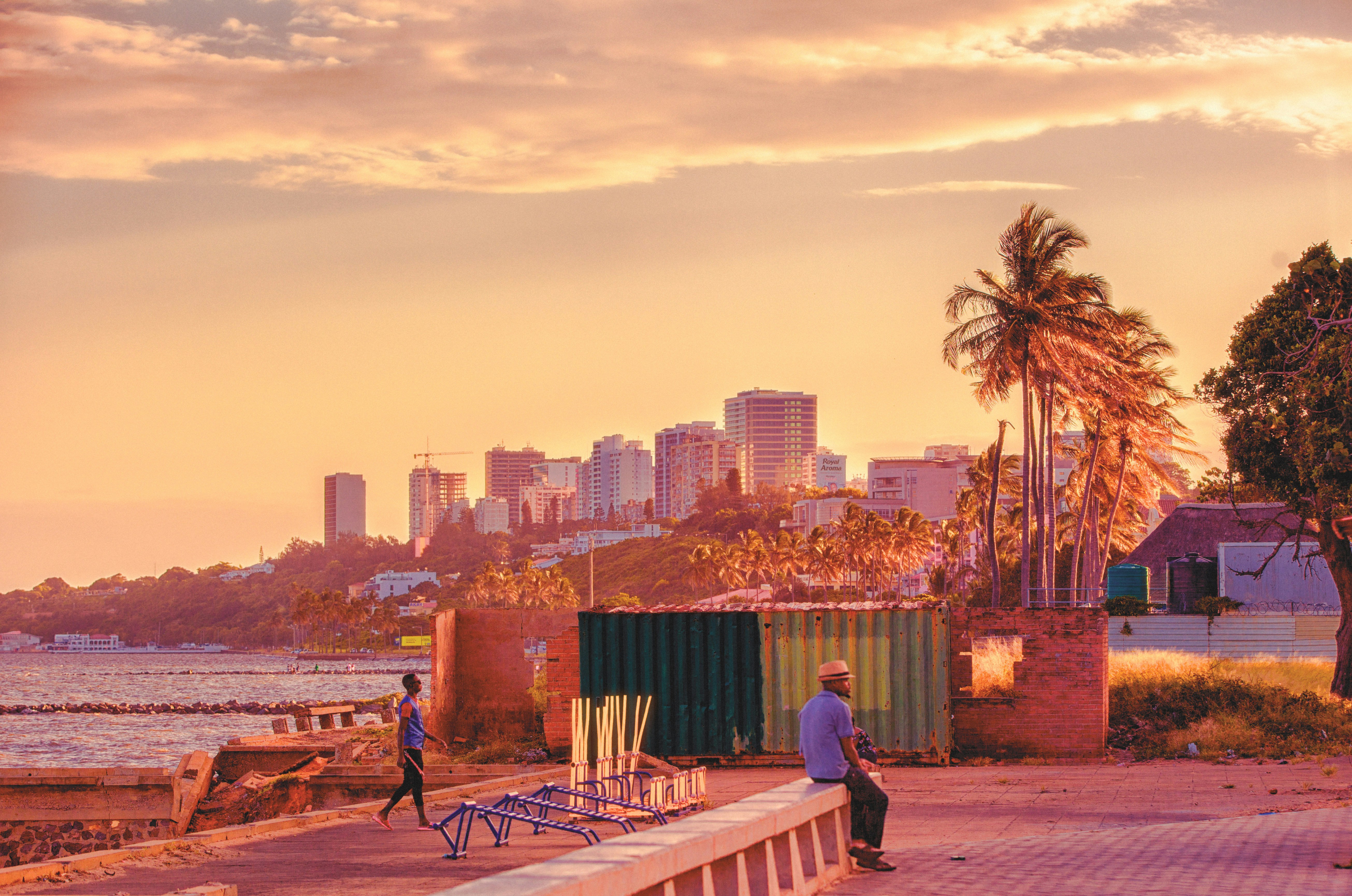
Mozambique Travel Budget Guide: Daily Costs and Money Tips
How much does it cost to travel in Mozambique? Daily budget breakdowns for budget, mid-range, and luxury travellers.
27 February 2026
Mozambique Safety Guide: Tips for a Safe Trip
Safety tips, health advisories, emergency contacts, common scams, and travel insurance advice for Mozambique.
20 July 2026
Mozambique Cultural Guide: Etiquette, Customs, and Tips
Essential do's and don'ts, greeting customs, dress codes, local phrases, and cultural tips for Mozambique.
5 June 2026
Mozambique Food Guide: Must-Try Dishes, Prices, and Tips
Best local dishes, street food, restaurant prices, dietary options, and food safety tips for Mozambique.
18 May 2026
Getting Around Mozambique: Transport Guide for Travellers
Airport transfers, public transport, ride-hailing apps, inter-city travel, and driving tips for Mozambique.
26 May 2026
3 Days in Mozambique: A Day-by-Day Itinerary
A detailed 3-day itinerary for Mozambique with daily activities, costs, neighborhoods, and transport tips.
13 June 2026
Mozambique in 5 Days: The Perfect Extended Itinerary
A detailed 5-day itinerary for Mozambique with daily activities, costs, neighborhoods, and transport tips for an extended stay.
8 May 2026
Mozambique in 10 Days: The Ultimate Travel Itinerary
A comprehensive 10-day itinerary for Mozambique covering top attractions, hidden gems, daily costs, and transport between cities.
22 June 2026
More Travel Guides
Destination Guide
Complete Bosnia and Herzegovina Travel Guide 2026
Everything you need to know about travelling to Bosnia and Herzegovina — budget, visa, food, transport, eSIM connectivity, and itineraries.
Destination Guide
Complete Bahamas Travel Guide 2026
Everything you need to know about travelling to Bahamas — budget, visa, food, transport, eSIM connectivity, and itineraries.
Destination Guide
Complete Bahrain Travel Guide 2026
Everything you need to know about travelling to Bahrain — budget, visa, food, transport, eSIM connectivity, and itineraries.
Destination Guide
Complete Sint Eustatius Travel Guide 2026
Everything you need to know about travelling to Sint Eustatius — budget, visa, food, transport, eSIM connectivity, and itineraries.