Mozambique Cultural Guide: Etiquette, Customs, and Tips
Essential do's and don'ts, greeting customs, dress codes, local phrases, and cultural tips for Mozambique.
By Hello Travel Team
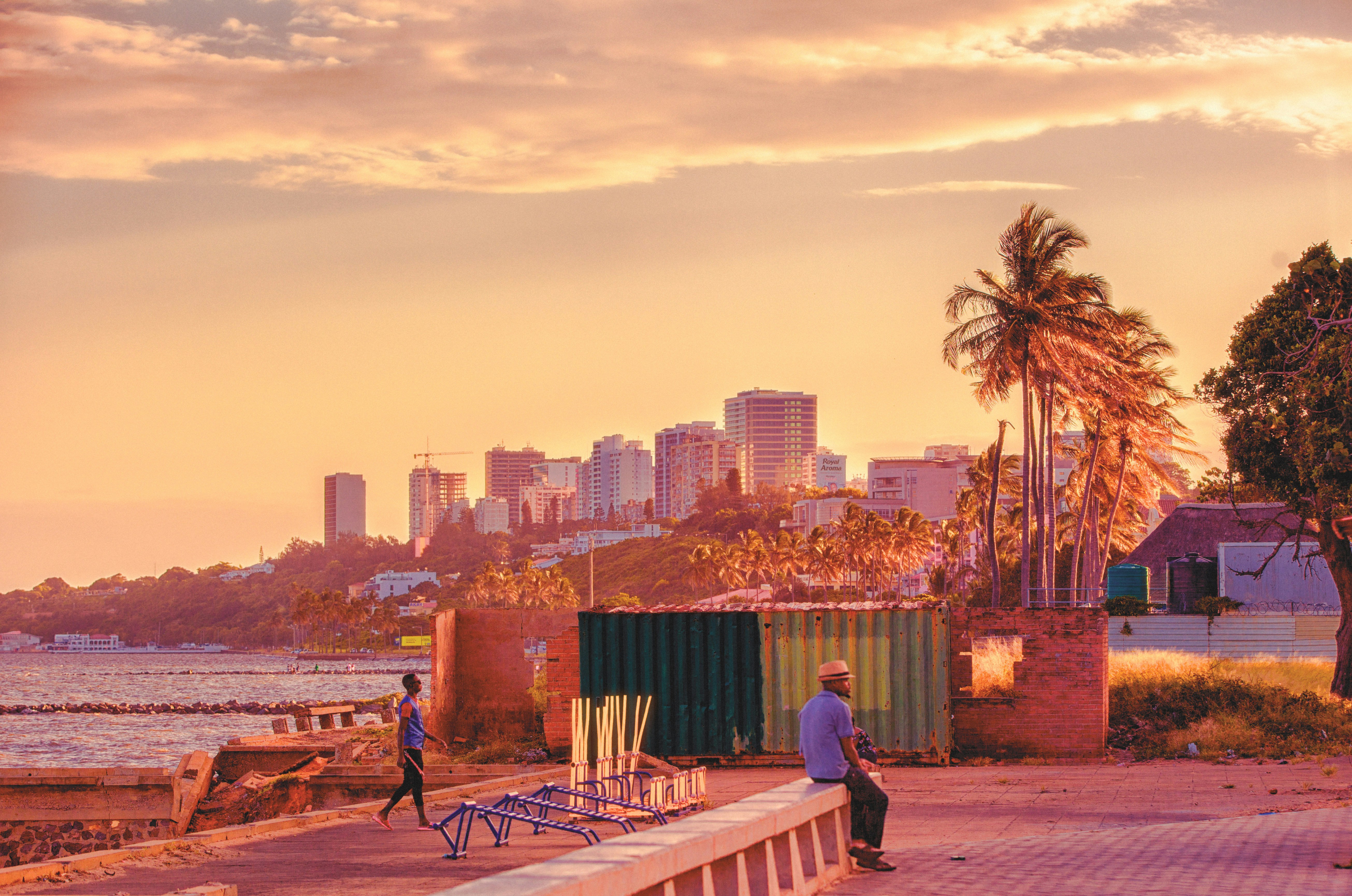
TL;DR: Mozambique Etiquette, Customs, and Cultural Dos and Don’ts
Mozambique culture is warm and community-oriented, but travellers are expected to dress modestly, greet politely, ask before taking photos, and show respect for elders, religious sites, and local customs. Learning a few phrases in Portuguese and local languages will instantly make your trip smoother and more memorable.
Mozambique is a diverse country, shaped by Bantu traditions, Portuguese colonial history, and coastal Swahili influences, so etiquette can vary slightly between Maputo, coastal towns like Vilanculos, and northern regions such as Pemba. As a visitor, your main cultural priorities are modest dress, respectful greetings, and patience with slow, relationship-focused interactions.
You’ll generally be fine if you: ask permission before photographing people, avoid public displays of affection, remove shoes or cover shoulders when requested in religious spaces, and show gratitude with small, thoughtful gifts rather than expensive or flashy items. Shaking hands, using formal titles, and greeting elders first are all important parts of Mozambique etiquette.
Connectivity and payments can be unreliable in smaller towns, so downloading the Hello app and activating a Hello eSIM for Mozambique before you arrive helps you message hosts on WhatsApp, translate phrases, and track shared trip costs without hunting for local SIM shops.
Think of Mozambique customs as relaxed but deeply respectful—take a little extra time to greet people properly, dress with modesty, and show curiosity about local life, and you’ll almost always be met with genuine warmth, smiles, and invitations to share a meal or a story.
Mozambique Culture Basics: Respect, Community, and Daily Etiquette
Mozambique culture is built around respect for elders, strong community ties, and a relaxed pace of life, so your best etiquette strategy is to slow down, greet people properly, and show genuine interest in local customs rather than rushing or acting impatient.
Mozambique’s 32+ million residents live across 11 provinces, with over 60 ethnic groups and widespread multilingualism, but Portuguese is the official language and the main bridge between communities. According to Mozambique’s National Institute of Statistics, over half the population lives in rural areas where traditional customs and village hierarchies remain strong, and elders are central to decision-making and social life.
Day-to-day etiquette is simple but important:
- Greet people when entering shops, taxis, and guesthouses, even with a simple "Bom dia" (good morning).
- Address older people and officials formally, using "Senhor" or "Senhora" plus their surname where possible.
- Avoid overt criticism of local infrastructure or services; frame questions and concerns politely.
Public displays of affection are generally frowned upon outside modern urban circles, especially in rural and Muslim-majority northern regions. Eating is social, often shared from common dishes, and it’s polite to wash hands beforehand and avoid using your left hand to pass food in more traditional settings.
Because daily life can feel slow and unpredictable—buses leaving late, shops closing early—it helps to build buffer time into your plans and track flexible budgets using Hello’s expense tracking features, which support multi-currency budgeting and automatic exchange rates for Mozambican meticais and your home currency.
Greetings, Local Phrases, and How to Communicate Politely
In Mozambique, the most important etiquette rule is to greet before you ask for anything: a polite "Bom dia" and a handshake will open far more doors than diving straight into questions or negotiations.
Portuguese is widely spoken in cities and along the coast, while local languages such as Emakhuwa, Xichangana, Sena, and Swahili are common in different regions. You don’t need to be fluent, but a few key phrases go a long way:
- "Bom dia" – Good morning
- "Boa tarde" – Good afternoon
- "Boa noite" – Good evening
- "Por favor" – Please
- "Obrigado/Obrigada" – Thank you (male/female speaker)
- "Desculpa" – Sorry/excuse me
- "Quanto custa?" – How much does it cost?
Handshakes are common in Mozambique etiquette, often accompanied by eye contact and a brief verbal greeting. In more rural areas, people may use a two-handed handshake, slight bow of the head, or a light touch on the arm to show respect. Always greet the oldest or most senior person first in a group.
If you’re invited to someone’s home, greet each person individually, and don’t jump straight into business or requests—spend a few minutes asking about family, health, or the journey. This social warm-up is a key part of Mozambique customs and is especially important in business meetings.
An eSIM from Hello makes it easier to use translation apps, look up phrases, and stay reachable on WhatsApp or Signal as you move between Portuguese-speaking Maputo and more multilingual regions like Nampula or Cabo Delgado, where English is less common.
Dress Codes, Religious Sites, and Photography Rules in Mozambique
Dress codes in Mozambique are generally modest, especially in rural and religious settings, so aim for covered shoulders and knees, and always ask permission before photographing people, ceremonies, or sensitive sites.
In coastal cities like Maputo and Beira, casual Western-style clothing is common, and you’ll see jeans, T-shirts, and summer dresses in everyday life. However, Mozambique etiquette expects more conservative dress in government buildings, churches, mosques, and traditional villages. For women, a loose skirt or dress below the knee and a shawl to cover shoulders is appreciated; men should avoid sleeveless tops in formal or religious spaces.
Religious sites follow stricter customs. Mozambique is majority Christian with a significant Muslim population in the north, and both churches and mosques expect visitors to dress respectfully. Shoes may need to be removed in mosques, and headscarves are recommended for women in more conservative communities. Even at beach destinations like Tofo or Vilanculos, bikinis are fine on the sand but less appropriate away from tourist areas.
Photography etiquette is crucial. Many Mozambicans are uncomfortable with close-up portraits, especially of children, without consent. Always:
- Ask verbally before taking photos.
- Avoid photographing military sites, government buildings, and checkpoints.
- Be discreet around markets and religious ceremonies.
As of 2025, several countries in the region have tightened rules around photographing infrastructure; while Mozambique’s enforcement is inconsistent, playing it safe avoids issues. If you’re unsure, a quick message to your local host (made easier with a Hello eSIM for Mozambique) can clarify what’s acceptable in that area.
Business Etiquette, Money Matters, and Practical Cultural Dos and Don’ts
Mozambique business etiquette blends formal Portuguese influence with African relationship-building, so being punctual, well-dressed, and patient with long meetings is just as important as contracts and spreadsheets.
For business settings in Maputo or Beira, expect:
- Smart-casual or formal attire (collared shirts, closed shoes, modest dresses).
- Meetings that start with informal conversation before moving into business.
- Decisions that may involve multiple stakeholders and take time.
Titles matter—use "Dr.", "Eng.", or "Prof." when relevant, and don’t jump to first names unless invited. Printed business cards are still useful, and exchanging them with a slight nod of respect fits well with Mozambique customs.
When it comes to money matters, cash remains king outside major cities. The Mozambican metical (MZN) is the local currency, and according to the Bank of Mozambique, inflation has pushed everyday prices up steadily since 2022, so expect mid-range restaurant meals in Maputo to cost around $12–20 in 2026 and street food plates closer to $3–6. ATMs are common in urban areas but can be scarce or unreliable in smaller towns.
Useful cultural dos:
- Do negotiate gently in markets, but avoid aggressive haggling.
- Do tip service staff modestly (5–10%) when service is good.
- Do keep small notes for taxis, market stalls, and local eateries.
To track shared meals, taxi runs, and cash withdrawals across multiple currencies, Hello’s budget tracking and expense splitting tools let you scan receipts with AI, import bank statements, and split costs with friends while automatically converting meticais to your home currency.
Holidays, Festivals, and Gift-Giving Customs That Affect Travel Plans
Major holidays in Mozambique can affect opening hours, transport schedules, and pricing, so checking dates and planning flexible itineraries around them will save you time and stress.
Mozambique’s official public holidays include New Year’s Day (1 January), Heroes’ Day (3 February), Independence Day (25 June), Victory Day (7 September), and Christmas (25 December), among others. According to Mozambique’s Ministry of Labour, businesses, banks, and government offices may close or operate limited hours on these dates, and public transport can be reduced or crowded, especially around Independence Day celebrations.
The Islamic calendar also shapes life in northern Mozambique, particularly in Nampula and Cabo Delgado, where Eid al-Fitr and Eid al-Adha are celebrated with large family gatherings. On these days, expect many shops and offices to close or reduce hours, and dress more conservatively as a sign of respect.
Cultural festivals—such as music events in Maputo and traditional dance celebrations in the central provinces—offer fantastic windows into Mozambique culture. These often feature marrabenta music, local beer, and grilled seafood, with prices for street food remaining relatively affordable (around $3–5 per dish in 2026, based on local tourism board estimates).
Gift-giving customs are modest but meaningful. When visiting a home, bringing small gifts like fruit, cooking oil, school supplies, or sweets for children is appreciated. Avoid overly expensive or flashy presents, which can create discomfort. Present gifts with both hands, and don’t expect them to be opened in front of you—waiting is a common sign of politeness.
If you’re coordinating visits and gifts with friends or colleagues, Hello’s expense splitting features help keep shared costs transparent, especially when exchanging different currencies during festival travel.
Common Questions About Mozambique Etiquette, Customs, and Dos and Don’ts
Most etiquette questions in Mozambique boil down to three rules: greet first, dress modestly, and show respect for elders and local traditions, whether you’re at the beach, in a village, or negotiating a taxi fare.
Is Mozambique safe for travellers from a cultural perspective? Mozambicans are generally welcoming, and most cultural friction comes from dress, photography, or rushed behavior rather than hostility. Being polite, avoiding drunkenness in public, and asking before taking photos minimizes issues. Always stay updated on security advisories for northern regions, where conditions can change.
What are the biggest cultural dos and don’ts? Do greet with "Bom dia" and a handshake, dress modestly in non-beach areas, and respect religious practices. Don’t criticize local customs, snap photos without consent, or show frustration with slow service—patience is a key part of Mozambique culture.
Can I wear shorts and tank tops? Shorts are fine in tourist areas and on beaches, but longer shorts or light trousers are better in towns and villages. Tank tops and strappy dresses are best kept to beach resorts; for city or village visits, a T-shirt or shawl over shoulders is more appropriate.
How should I stay connected and manage trip costs? Mobile coverage is good around major cities and coastal routes but patchy inland. Activating a Hello eSIM for Mozambique before arrival lets you use data instantly, message hosts, and run translation or maps without hunting for local SIM kiosks.
Is tipping expected? Tipping is not strictly mandatory but appreciated in tourist restaurants and for guides or drivers. A 5–10% tip in restaurants or a few dollars for a day tour is considered generous by local standards in 2026.
Explore These Destinations
Stay Connected
🇲🇿 eSIM Plans for Mozambique
Make the most of Mozambique
From eSIM connectivity to expense tracking, Hello is the all-in-one companion that keeps your trip stress-free.
Related Articles
Mozambique Safety Guide: Tips for a Safe Trip
Safety tips, health advisories, emergency contacts, common scams, and travel insurance advice for Mozambique.
20 July 2026
Mozambique Visa & Entry Requirements for Singapore Passport Holders
Visa requirements, passport validity, customs allowances, and entry tips for Singapore citizens travelling to Mozambique.
11 July 2026
eSIM for Mozambique: Best Plans, Coverage, and Setup Tips
Everything you need to know about using eSIM in Mozambique. Best data plans, network coverage, and setup instructions.
2 July 2026