Key Takeaways
- ✓Haiti in 2026 is best for experienced, flexible travellers who value culture, history, and authentic local life over polished resort tourism.
- ✓Aim for the dry season (December–March) for the most comfortable and predictable weather, especially on shorter trips.
- ✓Plan daily budgets around US$40–60 (budget), US$70–120 (mid‑range), and US$150+ (higher comfort), with extra buffer for safety‑minded transport and contingencies.
- ✓Always verify visa and entry requirements for your nationality and ensure sufficient passport validity before booking flights.
- ✓Use Hello eSIM and the Hello app to stay connected, split expenses with friends, and track your budget from day one.
- ✓Read the Haiti Safety, Cultural, Currency, and Budget guides before departure to build a practical foundation for your trip.
- ✓Choose 3‑, 5‑, or 10‑day itineraries based on your comfort with movement and your desire for depth, using the cluster itineraries as templates.
- ✓A thorough pre‑departure checklist—documents, insurance, connectivity, money, and cultural basics—greatly increases the odds of a smooth Haiti trip.
Haiti is one of the Caribbean’s most misunderstood destinations, but for curious travellers it offers huge rewards: raw natural beauty, rich Afro-Caribbean culture, historic sites, and powerful art and music. This 2026 Haiti travel guide is your all‑in‑one starting point to plan a safe, memorable trip.
Here, you’ll find essential information on when to visit, how much to budget, visa and entry rules, getting around, food and dining, safety, connectivity with Hello eSIM, and practical tips tailored for modern travellers. We’ll also help you choose between 3‑, 5‑ and 10‑day itineraries, understand daily costs, and get a feel for local customs before you land.
Throughout the guide, you’ll see links to deep‑dive articles like the Haiti Travel Budget Guide, Haiti Cultural Guide, and Getting Around Haiti: Transport Guide for Travellers. Use this pillar page as your hub, then jump into the cluster guides whenever you need more detail.
Whether you’re adding Haiti onto a wider Caribbean trip or planning a dedicated visit like you might to Japan or Thailand, this guide will help you travel confidently, make smart decisions, and appreciate Haiti’s complexity and beauty in 2026.
Why Visit Haiti in 2026: Is It Right for You?
Haiti in 2026 is best suited to travellers who value culture, resilience, and off‑the‑beaten‑path experiences over polished resort tourism. Come for vivid art, music, history, and nature—if you’re prepared to plan carefully, stay flexible, and prioritize safety.
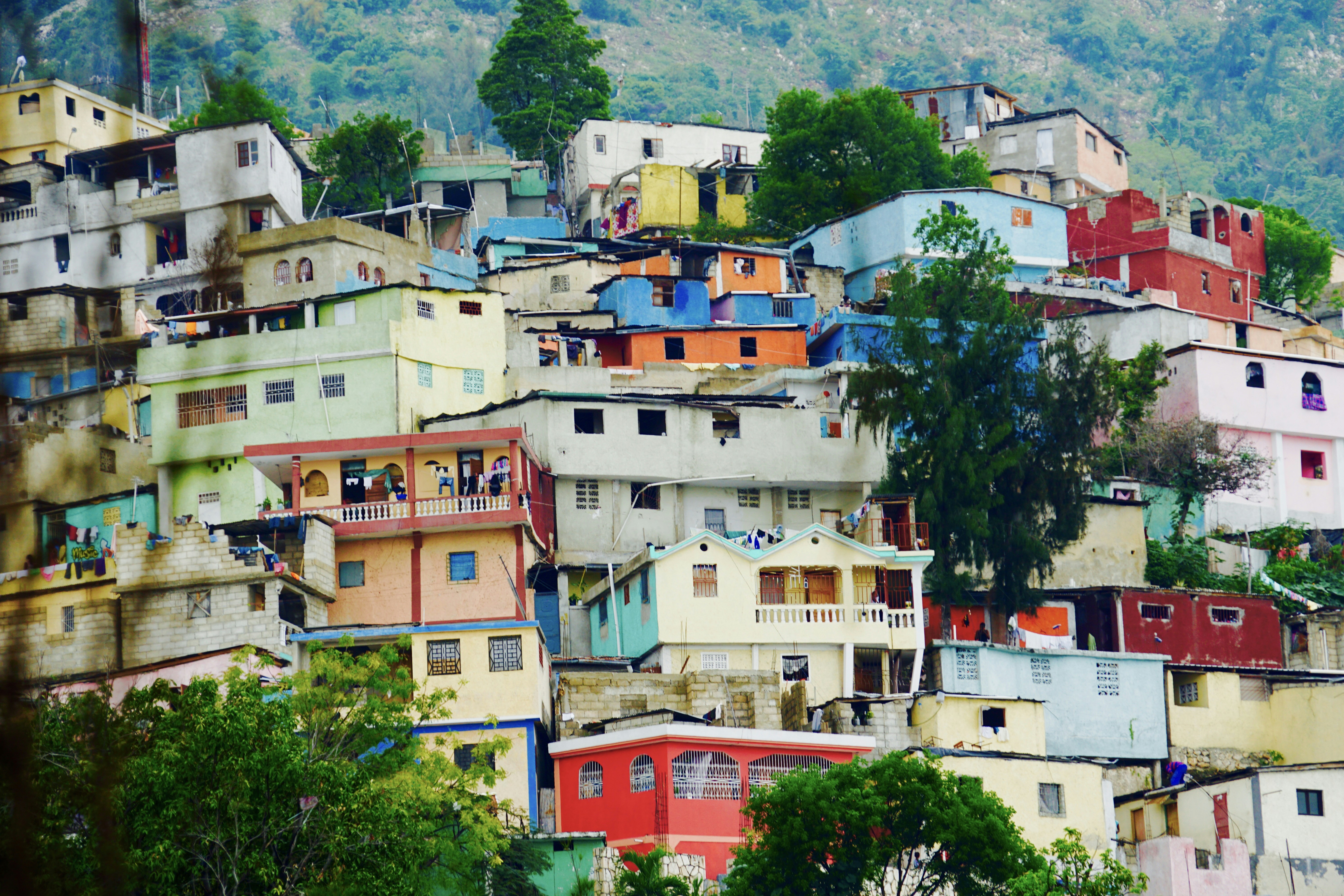
Unlike more mainstream Caribbean destinations, Haiti offers a very local, authentic travel experience. You’ll encounter vibrant street art, rara bands, markets, and historic sites that tell the story of the world’s first successful slave revolution. It’s a place where you feel the culture at every turn, from language (Kreyòl and French) to food, religion, and community life.
At the same time, Haiti has faced significant challenges—political instability, infrastructure gaps, and security issues. As of 2026, it’s not a “show up and wing it” destination. You should monitor advisories from your home country, consider travelling with trusted local guides, and carry robust travel insurance. The Haiti Safety Guide: Tips for a Safe Trip is essential reading before you commit.
Think of Haiti as a destination for experienced travellers who are comfortable in complex environments and who value connection over comfort. If you’re happy navigating chaotic transport, adapting plans on the fly, and being thoughtful about where and how you move around, Haiti can be deeply rewarding.
To ground yourself in local norms and avoid cultural missteps, start with the Haiti Cultural Guide: Etiquette, Customs, and Tips. Pair that with the Haiti Travel Budget Guide and Haiti Safety Guide to decide if Haiti in 2026 matches your travel style, experience level, and risk tolerance.
Best Time to Visit Haiti: Seasons, Weather, and Crowds
The best time to visit Haiti is typically the dry, cooler season from December to March, when temperatures are more comfortable and rain is less frequent. However, shoulder months work for flexible travellers, while hurricane season requires extra caution and planning.
Haiti has a tropical climate with relatively warm temperatures year‑round. As of 2026, climate patterns remain similar: a dry season (roughly December–March), a hotter wet season, and an official Atlantic hurricane season from June to November. When planning, balance comfort, risk, and prices.
Here’s an at‑a‑glance overview:
| Season (approx.) | Weather & Comfort | Rain & Storm Risk | Typical Experience |
|---|---|---|---|
| Dec–Mar (Dry) | Warm, less humid; best overall comfort | Lower rain, lower hurricane risk | Best for first‑timers; more predictable conditions |
| Apr–May (Shoulder) | Hotter, more humid | Increasing showers | Good if flexible; fewer crowds, potential deals |
| Jun–Nov (Hurricane season) | Hot, humid | Higher risk of tropical storms/hurricanes | Only for experienced travellers with flexible plans |
If your dates are fixed—such as school holidays—lean on robust safety and backup planning. The Haiti Safety Guide: Tips for a Safe Trip covers emergency contacts and insurance advice, which are especially important in storm season.
Match timing to trip length too. Shorter trips (3–5 days) are best in the dry season so you’re not weathered out of key days; check 3 Days in Haiti: A Day-by-Day Itinerary and Haiti in 5 Days: The Perfect Extended Itinerary for sample day‑by‑day plans. Longer stays (10 days or more) offer more buffer for weather disruptions; see Haiti in 10 Days: The Ultimate Travel Itinerary.
Haiti Travel Budget Overview: What It Costs in 2026
Haiti can be relatively affordable day‑to‑day but requires extra budget for safety, reliable transport, and contingencies. As of 2026, plan roughly US$40–60 per day for budget travel, US$70–120 for mid‑range, and well above US$150 for more comfort and private services.
The Haiti Travel Budget Guide: Daily Costs and Money Tips breaks down typical daily costs for accommodation, food, transport, and activities across budget levels. Use that as your detailed reference; here, we’ll focus on big‑picture planning.
Estimated daily budget ranges (per person, 2026):
| Style | Approx. Daily Budget | What It Typically Includes |
|---|---|---|
| Budget | US$40–60 | Simple guesthouse, local eateries, tap‑tap/public transport, modest activity spend |
| Mid‑range | US$70–120 | Comfortable hotel/guesthouse, mix of local and sit‑down restaurants, some private transfers |
| Higher comfort | US$150+ | Better‑rated accommodation, private drivers, guided excursions, larger safety margin |
Given Haiti’s infrastructure and security context, even budget travellers should allocate a buffer for safer options: private transfers after dark, last‑minute changes, and occasional upgrades if a neighborhood or hotel doesn’t feel right.
Money handling is important too. The Haiti Currency & Money Guide: Exchange, Cards, and Tips explains how to get gourdes, where cards are accepted, and ATM tips. Cash remains critical in many areas, so bring a mix of cards and physical currency.
To pair costs with actual routes, check itineraries like 3 Days in Haiti: A Day-by-Day Itinerary, Haiti in 5 Days: The Perfect Extended Itinerary, and Haiti in 10 Days: The Ultimate Travel Itinerary, which provide sample daily budgets linked to specific activities and neighborhoods.
Haiti Travel Budget Guide: Daily Costs and Money Tips
Currency & MoneyHaiti Currency & Money Guide: Exchange, Cards, and Tips
Itineraries3 Days in Haiti: A Day-by-Day Itinerary
ItinerariesHaiti in 5 Days: The Perfect Extended Itinerary
ItinerariesHaiti in 10 Days: The Ultimate Travel Itinerary
Visa & Entry Requirements: Who Can Visit Haiti in 2026?
As of 2026, Haiti’s visa and entry requirements vary by nationality, with many travellers enjoying short visa‑free stays while others must secure visas in advance. Always check current rules and passport validity well before your trip, and monitor advisories.
The cluster article Haiti Visa & Entry Requirements for Singapore Passport Holders gives a detailed walkthrough tailored to Singapore citizens: visa‑free duration, passport validity rules, customs allowances, and entry tips. Even if you’re not from Singapore, it’s a good template for what to look for in your own country’s guidance.
Key entry considerations (2026):
- Passport validity: Many travellers are required to have at least 6 months’ validity beyond their arrival date. Check your government’s specific advice.
- Visa status: Some nationalities can visit visa‑free for short stays, others need visas obtained before arrival. Confirm with official consular sources.
- Onward travel: Proof of onward or return tickets may be requested at check‑in or on arrival.
- Customs & allowances: Rules on cash limits, electronics, and food imports are worth reading in advance to avoid delays.
Because Haiti’s situation can change, do a last‑minute verification (close to your departure date) with both your foreign ministry and Haiti’s consular services. For Singapore passport holders, follow the step‑by‑step details in Haiti Visa & Entry Requirements for Singapore Passport Holders, then mirror that process using your own government’s resources.
If you’re combining Haiti with other destinations like Japan or Thailand, consider how Haitian entry stamps and longer stays might interact with onward visa plans, especially for regions with strict immigration rules.
Getting Around Haiti: Transport Choices and Safety Trade-offs
Getting around Haiti in 2026 requires balancing cost, time, and safety. Use public transport and shared options in familiar routes and daytimes, but prioritize private drivers and trusted contacts for night travel or more sensitive areas.
The cornerstone resource here is Getting Around Haiti: Transport Guide for Travellers, which breaks down airport transfers, tap‑taps (shared minivans), moto‑taxis, inter‑city routes, and driving tips. Use it to understand specific options and prices.
Here’s a simple decision framework for getting around:
| Situation | Recommended Option | Notes |
|---|---|---|
| Airport arrival, first time | Pre‑arranged private transfer | Safer, easier with luggage |
| Daytime, popular urban route | Tap‑tap or known bus route | Cheapest, but can be crowded |
| Night travel or uncertain area | Trusted private driver | Higher cost, better control |
| Inter‑city movement | Scheduled bus or private car | Choose based on budget and safety needs |
Driving yourself is generally not recommended for first‑time visitors, due to traffic norms, road conditions, and security considerations. The Haiti Safety Guide: Tips for a Safe Trip explains how to assess routes, avoid riskier zones, and handle emergencies.
When planning itineraries, transport time and logistics matter. For short trips, use 3 Days in Haiti: A Day-by-Day Itinerary and Haiti in 5 Days: The Perfect Extended Itinerary to understand realistic daily movement. For longer stays, Haiti in 10 Days: The Ultimate Travel Itinerary shows how to chain multiple regions together without exhausting yourself.
Food & Dining in Haiti: What to Eat, What It Costs, and How to Stay Well
Haitian food is flavorful, hearty, and rooted in local ingredients—think rice, beans, stews, fried snacks, and spicy pikliz. As of 2026, eating well is very affordable, but you’ll want to be selective to balance authenticity with hygiene and comfort.
The Haiti Food Guide: Must-Try Dishes, Prices, and Tips is your deep‑dive companion. It covers must‑try dishes, street food, typical restaurant prices, and food safety advice. Use this pillar section to understand the big picture, then dive into specifics there.
Expect staples like rice and beans, griyo (fried pork), stewed chicken, fried plantains, and soups. Street food and market stalls offer the most local flavors at low prices, while simple sit‑down restaurants give a bit more consistency and comfort. As of 2026, you can often eat satisfying local meals for a modest cost, especially away from formal tourist enclaves.
Dietary restrictions (vegetarian, vegan, gluten‑free) are manageable but require extra communication and flexibility. The Haiti Cultural Guide: Etiquette, Customs, and Tips can help you learn polite phrases and how to express needs.
From a health perspective, basic precautions go a long way: favor busy spots with high turnover, be careful with raw foods and untreated water, and carry a small food‑safety kit (hand sanitizer, rehydration salts). For more structured health guidance and emergency contacts, read the Haiti Safety Guide: Tips for a Safe Trip.
Pair this knowledge with the Haiti Travel Budget Guide: Daily Costs and Money Tips, which shows how food spending fits into your overall daily budget, from street‑food‑heavy days to more splurge‑worthy meals.
Top Experiences & Sample Itineraries: 3, 5, and 10 Days in Haiti
Haiti’s top experiences in 2026 revolve around culture, history, and nature: art scenes, markets, historic forts, coastal landscapes, and everyday street life. Your best itinerary depends on how many days you have and how comfortable you are with movement and complexity.
Use the itinerary cluster articles as your main building blocks:
- 3 Days in Haiti: A Day-by-Day Itinerary – ideal if you’re short on time or combining Haiti with other destinations like Japan or Thailand.
- Haiti in 5 Days: The Perfect Extended Itinerary – a good balance of key sights and breathing room.
- Haiti in 10 Days: The Ultimate Travel Itinerary – for deeper immersion and multiple regions.
Here’s a simple way to match trip length to travel style:
| Trip Length | Best For | Typical Focus |
|---|---|---|
| 3 days | Curious but cautious travellers | One main city/area, limited moves |
| 5 days | Balanced explorers | Core highlights plus a day trip or two |
| 10 days | Experienced, flexible travellers | Multi‑region journey with varied experiences |
Across all lengths, you can expect a mix of markets, local food, historic sights, and coastal or countryside scenery. The Haiti Cultural Guide: Etiquette, Customs, and Tips helps you engage respectfully, while the Haiti Safety Guide: Tips for a Safe Trip provides travel‑wise context for picking neighborhoods and timing.
Align your chosen itinerary with your budget using the Haiti Travel Budget Guide: Daily Costs and Money Tips, and then layer on transport planning via Getting Around Haiti: Transport Guide for Travellers to understand how realistic each day’s movements will be.
3 Days in Haiti: A Day-by-Day Itinerary
ItinerariesHaiti in 5 Days: The Perfect Extended Itinerary
ItinerariesHaiti in 10 Days: The Ultimate Travel Itinerary
Cultural GuideHaiti Cultural Guide: Etiquette, Customs, and Tips
Safety & HealthHaiti Safety Guide: Tips for a Safe Trip
Budget PlanningHaiti Travel Budget Guide: Daily Costs and Money Tips
Getting AroundGetting Around Haiti: Transport Guide for Travellers
Staying Connected: Hello eSIM for Haiti in 2026
The easiest way to stay online in Haiti in 2026 is with Hello eSIM, which lets you activate data on arrival without hunting for local SIM cards. Combine it with offline maps and secure messaging for navigation, coordination, and safety.
The cluster article eSIM for Haiti: Best Plans, Coverage, and Setup Tips explains everything you need to know about using Hello eSIM in Haiti: how to choose data amounts, what coverage to expect in different regions, and step‑by‑step setup instructions on iOS and Android.
With Hello, you can purchase eSIM data plans for Haiti (and 200+ other countries) in advance, then activate instantly when you land. This means your phone is ready for airport pickups, map navigation, and quick contact with accommodation, guides, or local friends from the moment you switch off airplane mode.
Why Hello eSIM matters in Haiti:
- Reduces reliance on finding local SIM shops on arrival
- Makes using ride‑hailing, messaging, and map apps easier and more reliable
- Lets you maintain connectivity even if you move across regions or combine Haiti with other countries in one trip
Pair your connectivity setup with the Haiti Safety Guide: Tips for a Safe Trip, which highlights why having data access is crucial for emergency contacts and real‑time information. For budgeting, factor Hello eSIM data costs into your overall plan using the Haiti Travel Budget Guide: Daily Costs and Money Tips.
If you’re travelling with friends and using the Hello app’s extra features (expense splitting, trip planning, budget tracking), set up your shared trip and categories before arrival so you’re organized from day one.
Safety, Culture, and Money: Practical Foundations for Haiti Travel
A good Haiti trip in 2026 rests on three pillars: safety awareness, cultural sensitivity, and smart money handling. Focus on these before you go, and you’ll be better prepared to navigate daily life and unexpected situations.
The Haiti Safety Guide: Tips for a Safe Trip is non‑negotiable reading. It covers health advisories, emergency numbers, common scams, and the importance of travel insurance. Given Haiti’s complexity, staying updated and cautious about where and when you move around is key.
Equally important is understanding local etiquette. The Haiti Cultural Guide: Etiquette, Customs, and Tips explains greetings, dress norms, and useful phrases in Kreyòl. A respectful approach—asking before taking photos, dressing modestly in certain settings, and being aware of local religious practices—helps you connect more meaningfully and avoid misunderstandings.
For money, start with the Haiti Currency & Money Guide: Exchange, Cards, and Tips. As of 2026, expect to rely heavily on cash, with variable card acceptance. The guide covers how to access gourdes, use ATMs wisely, and navigate tipping culture. Combine this with the Haiti Travel Budget Guide: Daily Costs and Money Tips to set daily spending targets and decide how much cash to carry.
Together, these cluster articles form your practical foundation. Read them alongside your chosen itinerary—3 Days, 5 Days, or 10 Days—so that every planned day is backed by realistic safety, cultural, and money expectations.
Haiti Safety Guide: Tips for a Safe Trip
Cultural GuideHaiti Cultural Guide: Etiquette, Customs, and Tips
Currency & MoneyHaiti Currency & Money Guide: Exchange, Cards, and Tips
Budget PlanningHaiti Travel Budget Guide: Daily Costs and Money Tips
Itineraries3 Days in Haiti: A Day-by-Day Itinerary
ItinerariesHaiti in 5 Days: The Perfect Extended Itinerary
ItinerariesHaiti in 10 Days: The Ultimate Travel Itinerary
Before You Go: 2026 Haiti Trip Checklist
A strong pre‑departure checklist is essential for Haiti in 2026. Confirm your visa status, safety plans, connectivity (Hello eSIM), money setup, and core cultural knowledge before you board—this groundwork shapes how smooth and secure your trip will feel.
Use this section as a quick decision checklist, then jump into the relevant cluster guides for detail:
Visa & documents
- Check whether you need a visa and how long you can stay.
- Ensure your passport has sufficient validity (often 6+ months).
- For Singapore travellers, follow Haiti Visa & Entry Requirements for Singapore Passport Holders as a model.
Safety & health
- Read the Haiti Safety Guide: Tips for a Safe Trip.
- Purchase travel insurance covering medical and evacuation.
- Note key emergency contacts and hospital options.
Connectivity & apps
- Set up Hello eSIM using eSIM for Haiti: Best Plans, Coverage, and Setup Tips.
- Install the Hello app to manage eSIM, split expenses, and track your budget.
Money & budget
- Review the Haiti Travel Budget Guide: Daily Costs and Money Tips and Haiti Currency & Money Guide: Exchange, Cards, and Tips.
- Decide how much cash to bring vs. access via ATMs.
Culture & itinerary
- Read the Haiti Cultural Guide: Etiquette, Customs, and Tips.
- Choose your base itinerary: 3 Days, 5 Days, or 10 Days.
Work through this checklist 2–3 weeks before departure, then again a few days before you fly to catch any last‑minute advisories or changes.
Haiti Visa & Entry Requirements for Singapore Passport Holders
Safety & HealthHaiti Safety Guide: Tips for a Safe Trip
eSIM & ConnectivityeSIM for Haiti: Best Plans, Coverage, and Setup Tips
Budget PlanningHaiti Travel Budget Guide: Daily Costs and Money Tips
Currency & MoneyHaiti Currency & Money Guide: Exchange, Cards, and Tips
Cultural GuideHaiti Cultural Guide: Etiquette, Customs, and Tips
Itineraries3 Days in Haiti: A Day-by-Day Itinerary
ItinerariesHaiti in 5 Days: The Perfect Extended Itinerary
ItinerariesHaiti in 10 Days: The Ultimate Travel Itinerary
Frequently Asked Questions
Is Haiti safe to visit in 2026?
Safety in Haiti varies by area and over time, and 2026 is no exception. It’s essential to check your government’s travel advisories, avoid higher‑risk neighborhoods, travel mostly in daylight, and maintain flexible plans. The Haiti Safety Guide: Tips for a Safe Trip provides up‑to‑date advice on common risks, emergency contacts, health precautions, and why robust travel insurance is important. Haiti is best suited to experienced travellers who are willing to plan carefully and prioritize safety in every decision.
How much should I budget per day for a trip to Haiti?
As of 2026, many travellers can plan roughly US$40–60 per day for budget travel, US$70–120 for mid‑range, and US$150+ for higher comfort. These ranges cover accommodation, food, local transport, and basic activities, but you should add a buffer for private drivers, last‑minute changes, and safety‑oriented upgrades. The Haiti Travel Budget Guide: Daily Costs and Money Tips and Haiti Currency & Money Guide: Exchange, Cards, and Tips offer detailed breakdowns and money‑handling advice.
Do I need a visa to visit Haiti?
Visa requirements for Haiti depend on your nationality. Some travellers can enter visa‑free for short stays, while others must secure visas in advance and meet specific passport validity rules (often 6+ months remaining). Always verify current regulations with official consular sources before booking. If you hold a Singapore passport, follow the detailed steps in Haiti Visa & Entry Requirements for Singapore Passport Holders as your primary reference.
What’s the best way to stay connected in Haiti?
The simplest way to stay online in Haiti in 2026 is to use Hello eSIM through the Hello app. You can buy data plans for Haiti and 200+ countries, then activate instantly on arrival, avoiding the need to find a local SIM card. The cluster guide eSIM for Haiti: Best Plans, Coverage, and Setup Tips explains plan options, coverage expectations, and setup steps on iOS and Android. Stable connectivity is also a key safety asset for navigation and communication.
How many days do I need to experience Haiti?
You can get a first taste of Haiti in 3 days, enjoy a more balanced trip in 5 days, or dive deeper with 10 days or more. Short 3‑day trips work well if you focus on one area and limit long transfers, as shown in 3 Days in Haiti: A Day-by-Day Itinerary. For a more rounded experience with day trips, use Haiti in 5 Days: The Perfect Extended Itinerary. To visit multiple regions and slow down, follow Haiti in 10 Days: The Ultimate Travel Itinerary.
What are the food and dining options like in Haiti?
Haiti offers hearty, flavorful cuisine built around rice, beans, stews, fried snacks, and spicy condiments. Street food and local eateries are very affordable, while simple sit‑down restaurants provide a bit more comfort and consistency. As of 2026, you can eat well on a modest budget, but should be thoughtful about hygiene and water safety. The Haiti Food Guide: Must-Try Dishes, Prices, and Tips covers must‑try dishes, typical prices, dietary adaptations, and practical food safety tips.
Which apps should I set up before travelling to Haiti?
Before travelling to Haiti, install the Hello app for eSIM connectivity, expense splitting, and trip budget tracking. Within Hello, you can purchase and activate Hello eSIM for Haiti, keep your spending organized, and share costs with friends. Combine that with offline map apps, secure messaging, and any translation tools you prefer, then review the Haiti Safety Guide: Tips for a Safe Trip and Haiti Cultural Guide: Etiquette, Customs, and Tips to round out your digital toolkit.
eSIM Plans for Haiti
Detailed Articles
Dive deeper into specific topics covered in this guide.
Haiti Cultural Guide: Etiquette, Customs, and Tips
Essential do's and don'ts, greeting customs, dress codes, local phrases, and cultural tips for Haiti.
3 June 2026
Haiti Travel Budget Guide: Daily Costs and Money Tips
How much does it cost to travel in Haiti? Daily budget breakdowns for budget, mid-range, and luxury travellers.
25 February 2026
Haiti Safety Guide: Tips for a Safe Trip
Safety tips, health advisories, emergency contacts, common scams, and travel insurance advice for Haiti.
18 July 2026
3 Days in Haiti: A Day-by-Day Itinerary
A detailed 3-day itinerary for Haiti with daily activities, costs, neighborhoods, and transport tips.
11 June 2026
Haiti in 5 Days: The Perfect Extended Itinerary
A detailed 5-day itinerary for Haiti with daily activities, costs, neighborhoods, and transport tips for an extended stay.
6 May 2026
Haiti in 10 Days: The Ultimate Travel Itinerary
A comprehensive 10-day itinerary for Haiti covering top attractions, hidden gems, daily costs, and transport between cities.
20 June 2026
Haiti Currency & Money Guide: Exchange, Cards, and Tips
Currency exchange, credit card acceptance, ATM tips, tipping culture, and money-saving advice for Haiti.
27 July 2026
Haiti Visa & Entry Requirements for Singapore Passport Holders
Visa requirements, passport validity, customs allowances, and entry tips for Singapore citizens travelling to Haiti.
9 July 2026
More Travel Guides
Destination Guide
Complete Togo Travel Guide 2026
Everything you need to know about travelling to Togo — budget, visa, food, transport, eSIM connectivity, and itineraries.
Destination Guide
Complete Chad Travel Guide 2026
Everything you need to know about travelling to Chad — budget, visa, food, transport, eSIM connectivity, and itineraries.
Destination Guide
Complete Azores Travel Guide 2026
Everything you need to know about travelling to Azores — budget, visa, food, transport, eSIM connectivity, and itineraries.
Destination Guide
Complete Madeira Travel Guide 2026
Everything you need to know about travelling to Madeira — budget, visa, food, transport, eSIM connectivity, and itineraries.