Key Takeaways
- ✓Malta is a compact, year-round destination where 3–10 days is ideal for combining historic cities, beaches, and smaller islands.
- ✓As of 2026, typical daily budgets range from about €60–€80 (budget) to €140–€200+ (comfort/luxury), paid mainly in euros.
- ✓Visa and entry rules follow Schengen standards, so always confirm requirements for your nationality before booking flights.
- ✓Public buses, taxis, ferries, and occasional car rentals make getting around Malta, Gozo, and Comino straightforward.
- ✓Hello eSIM provides instant, reliable connectivity in Malta and supports trip planning, expense splitting, and budget tracking.
- ✓Malta is generally safe for solo and first-time travellers, with low violent crime and manageable health risks when prepared.
- ✓Local food blends Mediterranean and Maltese traditions, with growing options for vegetarian and other dietary needs.
- ✓Use this pillar guide as your main planning hub, then dive into linked cluster articles for deep details on budget, visas, transport, food, and culture.
Malta is a compact Mediterranean gem where historic walled cities, crystal-clear lagoons, and sun-drenched cliffs all fit into an archipelago you can cross in under an hour. This guide brings everything together: how to plan, budget, stay connected, and design the perfect Malta trip in 2026.
You’ll find high-level, practical advice on when to visit, what things cost, visa and entry basics, getting around, food, safety, and culture. Each section links to detailed cluster guides like Malta Travel Budget Guide: Daily Costs and Money Tips, Malta Food Guide: Must-Try Dishes, Prices, and Tips, and Malta Safety Guide: Tips for a Safe Trip so you can dive deeper when you’re ready.
Because Malta is small but varied, this pillar guide focuses on helping you make decisions: which season fits your style, how many days you really need, whether to rely on buses or rent a car, and how to keep data costs low with Hello eSIM. You’ll also get a “Before You Go” checklist, quick comparison tables, and itineraries ranging from 3 to 10 days.
Whether Malta is your first European trip or a side-stop between Italy and Greece, use this as your main planning hub—and jump to the linked cluster articles whenever you want extra detail.
Why Visit Malta in 2026
Malta in 2026 offers a rare blend of Mediterranean sunshine, layered history, and easy logistics in a compact, budget-friendly package. Think UNESCO-listed cities, turquoise bays, and English widely spoken—plus reliable connectivity with Hello eSIM and smooth public transport to explore all three main islands.
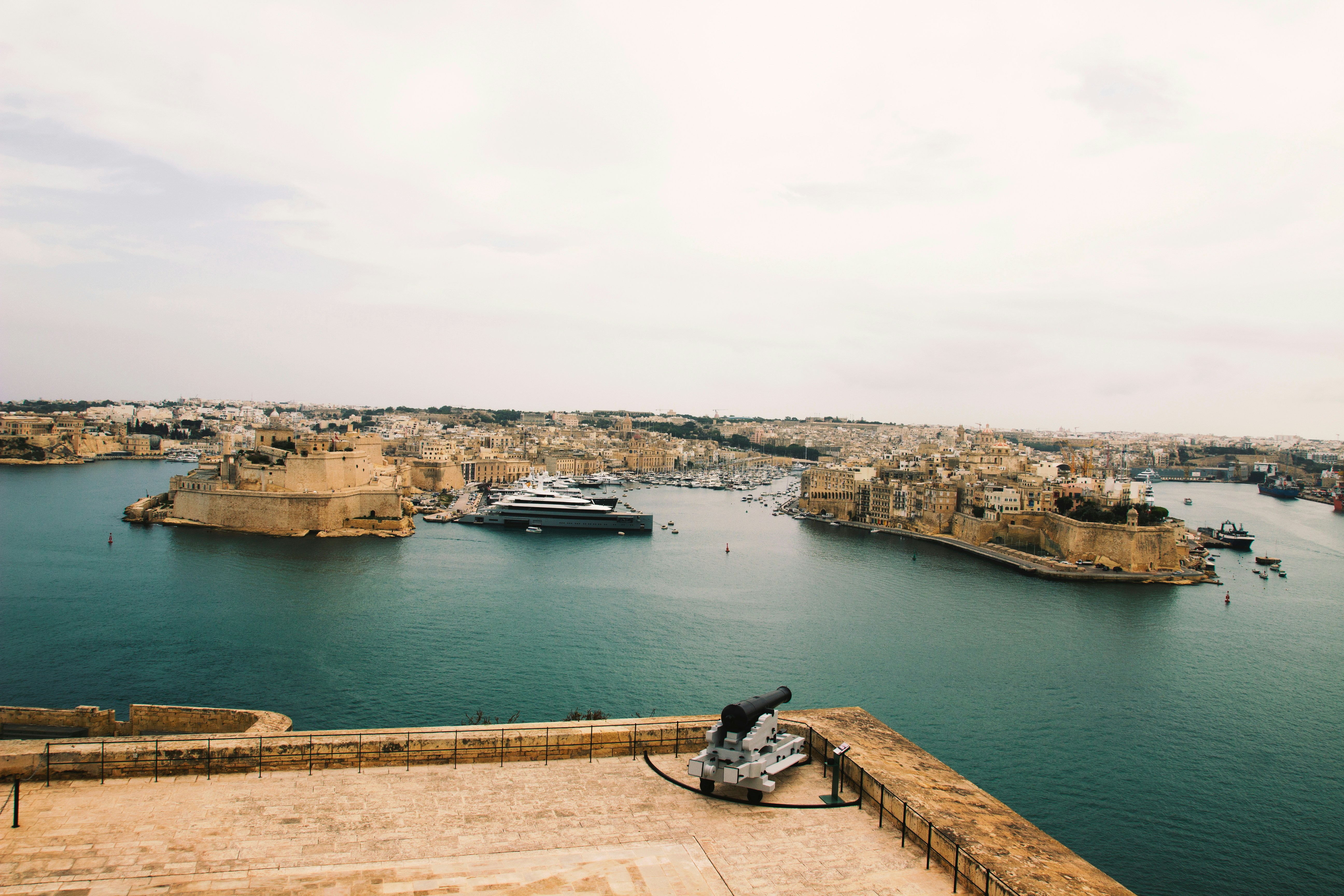
Malta is a small archipelago south of Italy and north of Libya, with three main islands: Malta, Gozo, and Comino. The country packs thousands of years of history into walkable distances—Neolithic temples older than Stonehenge, the fortified city of Valletta, and coastal villages where colorful fishing boats bob in quiet harbors. English and Maltese are official languages, making it easy for most travellers to get around.
As of 2026, Malta uses the euro, offers strong tourist infrastructure, and has frequent flight connections to major European hubs. For trip structure, start with an overview itinerary—short trips are covered in 3 Days in Malta: A Day-by-Day Itinerary, while deeper explorations appear in Malta in 5 Days: The Perfect Extended Itinerary and Malta in 10 Days: The Ultimate Travel Itinerary.
To get a feel for costs, see the Malta Travel Budget Guide: Daily Costs and Money Tips, then layer in culture with the Malta Cultural Guide: Etiquette, Customs, and Tips. Combined, you’ll have a realistic, modern picture of what a Malta trip looks like in 2026—whether you’re chasing sun, history, food, or a mix of all three.
Best Time to Visit Malta: Season-by-Season
Malta is a year-round destination, but your best time to visit depends on whether you prioritize beach weather, quieter streets, or lower prices. As of 2026, shoulder seasons (April–June, September–early November) offer the best balance of warmth, crowds, and value.
Summers are hot, dry, and busy, with July–August often bringing temperatures over 30°C and peak pricing—great for swimming at Blue Lagoon but less ideal for intensive sightseeing. Winters are mild (around 10–17°C), with fewer tourists and lower costs, but limited beach days and occasional storms.
Use this quick comparison to decide:
| Season (2026) | Weather | Crowds | Typical Daily Cost* | Best For |
|---|---|---|---|---|
| Apr–Jun | Warm, mostly dry | Moderate | €70–€130 | Balanced trips |
| Jul–Aug | Hot, very sunny | High | €90–€160 | Beach & nightlife |
| Sep–early Nov | Warm, some rain | Moderate | €70–€130 | Swimming + culture |
| Late Nov–Mar | Mild, cooler | Low | €60–€110 | Budget, museums |
*Estimated for mid-range travellers; see the Malta Travel Budget Guide: Daily Costs and Money Tips for detailed breakdowns.
If you’re planning shorter stays like 3 or 5 days, check seasonal tips in 3 Days in Malta: A Day-by-Day Itinerary and Malta in 5 Days: The Perfect Extended Itinerary. For longer trips, Malta in 10 Days: The Ultimate Travel Itinerary suggests how to spread beach days, city walks, and day trips across different weather windows.
In 2026, book peak-season accommodation early and consider using Hello eSIM to navigate real-time bus schedules and weather updates across the islands.
Budget & Money: What a Malta Trip Costs in 2026
As of 2026, Malta is moderately priced by European standards: more expensive than Thailand, but often cheaper than France or Italy. Most travellers can expect to spend between €60 and €160 per person per day, depending on comfort level.
The Malta Travel Budget Guide: Daily Costs and Money Tips breaks down realistic daily budgets by category—accommodation, food, transport, and activities—for budget, mid-range, and higher-end travellers. Combine that with the Malta Currency & Money Guide: Exchange, Cards, and Tips to understand how to pay, withdraw cash, and tip.
Here’s a simplified 2026 daily budget comparison:
| Traveller Type | Daily Budget (Approx.) | Accommodation | Food | Activities & Transport |
|---|---|---|---|---|
| Budget | €60–€80 | Guesthouses/hostels | Local cafés, street food | Buses, free sights |
| Mid-range | €90–€130 | 3–4 star hotels | Mix of casual & restaurants | Buses + occasional taxi |
| Comfort/Luxury | €140–€200+ | Boutique/5-star | Fine dining | Private tours, boat trips |
The Malta Currency & Money Guide explains euro usage, typical ATM fees, and card acceptance (which is high as of 2026). To control spending with friends, use Hello’s expense splitting and budget tracking features so your group can log shared costs (like boat trips to Comino) in real time.
Trip-length also affects cost. Shorter itineraries like 3 Days in Malta often pack in more paid experiences per day, while longer ones like Malta in 10 Days spread activities out, allowing rest days and cheaper local dining. Budget a bit extra for seasonal factors—peak summer rates, Easter holidays, and major festivals.
Visa & Entry Requirements: 2026 Overview
In 2026, Malta follows the Schengen Area’s rules for visas and entry, with different requirements depending on your passport. Many travellers can enter visa-free for short stays, while others must apply in advance. Always check your nationality’s latest rules before flying.
For Singapore citizens, the dedicated Malta Visa & Entry Requirements for Singapore Passport Holders explains current stay limits, visa-free conditions, passport validity rules (often at least six months beyond your trip), and customs allowances. Even if you’re not from Singapore, that guide is useful as a model of what to check for your own passport.
Key entry points are Malta International Airport (MLA) and ferries from nearby countries. At border control, you’ll typically present your passport, proof of onward or return travel, and sometimes evidence of accommodation or financial means—standard for Schengen countries in 2026.
Use this simple decision path:
- If you’re an EU/EEA/Swiss citizen: typically no visa for Malta, but carry a valid ID/passport.
- If you’re from a visa-exempt country (e.g., Singapore, many others): usually 90 days in any 180-day period in Schengen; confirm details in advance.
- If you require a Schengen visa: apply before travel and ensure your visa covers the full trip.
The Malta Safety Guide: Tips for a Safe Trip also touches on documentation best practices and travel insurance—both important for entry and for medical care while abroad. Store scans of key documents in the Hello app and keep physical copies separate from your passport for emergencies.
Getting Around Malta: Transport Made Simple
Getting around Malta in 2026 is straightforward: most travellers rely on the island-wide bus network, taxis or ride-hailing, and occasional car rentals, with ferries connecting Malta, Gozo, and Comino. Thanks to the country’s small size, you can reach many key spots within an hour.
The Getting Around Malta: Transport Guide for Travellers breaks down airport transfers, bus routes and costs, ride-hailing apps, inter-city connections, and driving tips. It explains how to get from the airport to Valletta or Sliema, how long it takes to reach places like Mdina or Marsaxlokk, and when a rental car is actually worth it.
A simple 2026 transport choice framework:
- Public buses: Best for budget travellers and those staying mainly in Valletta/Sliema/St Julian’s; expect occasional delays at peak times.
- Taxis/ride-hailing: Good for late-night returns, airport transfers, or time-sensitive trips.
- Rental car: Useful if you plan to explore rural areas, multiple beaches per day, or stay on Gozo; note left-hand driving.
- Ferries/boats: Essential for Gozo and Comino visits and scenic coastal views.
Use itineraries like 3 Days in Malta, Malta in 5 Days, and Malta in 10 Days to see real-world transport patterns and time estimates across different trip lengths.
For navigation, live bus times, and digital tickets, keep mobile data active with Hello eSIM. As of 2026, reliable connectivity makes it much easier to adjust routes on the fly, check traffic, and avoid long waits at bus stops.
Food & Dining: What to Eat in Malta
Malta’s food scene in 2026 blends Mediterranean flavors with local twists: think rabbit stews, ftira (Maltese bread), fresh seafood, and street snacks influenced by Italian and North African cuisines. It’s easy to eat well on a moderate budget across cafés, bakeries, and family-run restaurants.
The Malta Food Guide: Must-Try Dishes, Prices, and Tips details signature dishes, typical meal prices, street food options, and where to find traditional vs. modern dining. You’ll learn about must-try items like pastizzi (flaky pastries), fish dishes in coastal villages like Marsaxlokk, and hearty mains in Valletta’s side streets.
As of 2026, you can expect:
- Budget meals (bakery lunches, casual cafés) from around €7–€12 per person.
- Mid-range restaurant dinners from about €18–€30 per person without drinks.
- Higher-end dining or tasting menus starting around €45+ per person.
Dietary needs—vegetarian, vegan, halal, gluten-free—are increasingly accommodated, especially in tourist areas. The food guide also covers food safety, tipping norms, and how to avoid tourist traps.
To match food plans with time on the islands, check itineraries like 3 Days in Malta and Malta in 5 Days, which show how to pair meals with specific neighborhoods and sights.
Use Hello’s expense-splitting feature to track shared restaurant bills and group tastings. With Hello eSIM providing connectivity, you can also quickly find well-reviewed local spots, make reservations online, and translate menus where needed—especially handy if Malta is just one stop on a wider Mediterranean route including Italy or Spain.
Top Experiences & Sample Itineraries
Malta’s top experiences in 2026 range from wandering fortified cities and swimming in turquoise bays to exploring ancient temples and rural Gozo villages. You can see a lot in 3 days, but 5–10 days let you balance sightseeing, beach time, and slower local moments.
Core highlights often include Valletta’s historic streets, Mdina’s “silent city” ambience, the Blue Lagoon at Comino, coastal towns like Marsaxlokk, and Gozo’s quieter countryside and coastal cliffs. The Malta Cultural Guide: Etiquette, Customs, and Tips adds context to these experiences, explaining local customs, church etiquette, and useful phrases to enrich your visits.
To turn highlights into plans, use the linked itineraries:
- 3 Days in Malta: A Day-by-Day Itinerary: Ideal for first-time visitors or those pairing Malta with another destination like Italy or Spain.
- Malta in 5 Days: The Perfect Extended Itinerary: Adds more depth, day trips, and relaxed local dining.
- Malta in 10 Days: The Ultimate Travel Itinerary: Best for slow travel, including multiple islands and off-the-beaten-path stops.
A simple decision guide for 2026:
- Choose 3 days if Malta is a quick city-and-coast stop.
- Choose 5 days if you want Valletta, Gozo, Comino, and at least one quieter local day.
- Choose 10 days if you prefer a slower rhythm with time for culture, nature, and repeat visits to favorite spots.
Use Hello’s trip planning and budget tracking to map these itineraries to your actual dates, estimated costs, and transport choices, while Hello eSIM keeps maps and bookings accessible on the go.
Hello eSIM & Staying Connected in Malta
In 2026, staying connected in Malta is straightforward and affordable with Hello eSIM, which offers instant activation, data plans for 200+ countries, and coverage that works across Malta, Gozo, and Comino. You can land, scan a QR code, and be online before you reach passport control.
The dedicated eSIM for Malta: Best Plans, Coverage, and Setup Tips explains how Hello eSIM works in Malta: typical data packages, coverage quality across different neighborhoods, and step-by-step installation on iOS and Android. It also compares using Hello eSIM with traditional roaming or local SIMs in terms of convenience and cost.
Here’s how to think about connectivity in 2026:
- Use Hello eSIM for immediate, hassle-free data and app access.
- Rely on hotel or café Wi‑Fi only if you’re comfortable being offline between stops.
- Keep data active for maps, bus schedules, restaurant reviews, and safety information.
Hello’s app goes beyond connectivity, adding features for expense splitting, trip planning, and budget tracking. That means in Malta you can:
- Log and split boat tours to the Blue Lagoon with friends.
- Track how restaurant meals align with your daily budget from the Malta Travel Budget Guide.
- Store reservations, tickets, and key notes about places from the Malta Cultural Guide.
For technical setup, device compatibility, and troubleshooting, refer to the eSIM for Malta article before you fly. Installing Hello eSIM ahead of time turns your arrival into a stress-free experience—no queues, no paper forms, just navigation and messaging ready as you step out into Maltese sunshine.
Safety, Health & Culture: Travelling Smart in Malta
Malta is generally safe and welcoming in 2026, with low violent crime rates and a strong tourist infrastructure. Most issues are minor—like petty theft or sun-related health problems—and can be reduced with basic precautions plus good travel insurance.
The Malta Safety Guide: Tips for a Safe Trip outlines common scams, emergency numbers, areas where you should be extra aware of belongings, and practical health tips (from sun exposure to sea conditions). It also covers insurance considerations and how to prepare for medical care while abroad.
On the cultural side, the Malta Cultural Guide: Etiquette, Customs, and Tips helps you navigate social norms, greetings, dress codes—especially in churches—and useful phrases in Maltese. Respectful behavior at religious sites, modest dress in certain contexts, and awareness of local events will make your trip smoother.
Use this quick checklist for 2026:
- Keep valuables close in crowded bus stations and tourist areas.
- Carry sunscreen, a hat, and water—Malta’s sun can be intense even in spring and autumn.
- Save emergency numbers and your accommodation address in Hello.
- Learn a few Maltese phrases; English is widely spoken, but locals appreciate effort.
Itineraries like Malta in 10 Days: The Ultimate Travel Itinerary naturally weave in safer swimming spots, well-known walking routes, and timing around busy areas. With Hello eSIM active, you can quickly check real-time information, review areas at night, and stay in touch with your group, adding an extra layer of digital safety to your on-the-ground awareness.
Before You Go: Malta Trip Checklist for 2026
A well-prepped checklist makes Malta feel effortless from day one. As of 2026, focus on documents, connectivity, money, and realistic planning—then layer in health, culture, and safety using the linked cluster guides.
Here’s a concise Before You Go checklist:
-
Documents & Entry
- Check your passport validity and any Schengen visa requirements.
- Review country-specific rules, such as in Malta Visa & Entry Requirements for Singapore Passport Holders.
- Print and save digital copies of bookings and insurance in Hello.
-
Budget & Money
- Estimate daily costs via the Malta Travel Budget Guide: Daily Costs and Money Tips.
- Understand euro usage, cards, and ATMs with the Malta Currency & Money Guide: Exchange, Cards, and Tips.
-
Connectivity & Apps
- Set up Hello eSIM using eSIM for Malta: Best Plans, Coverage, and Setup Tips.
- Download the Hello app for trip planning, budget tracking, and expense splitting.
-
Safety, Health & Culture
- Read the Malta Safety Guide: Tips for a Safe Trip and confirm your travel insurance coverage.
- Skim the Malta Cultural Guide: Etiquette, Customs, and Tips for local norms and phrases.
-
Itinerary & Transport
- Choose a base itinerary: 3 Days, 5 Days, or 10 Days.
- Review the Getting Around Malta: Transport Guide for Travellers and decide whether to rely on buses, taxis, or a rental car.
Completing these steps before departure means your Malta trip in 2026 will feel organized yet flexible, with Hello supporting both planning and on-the-ground decisions.
Malta Visa & Entry Requirements for Singapore Passport Holders
Budget PlanningMalta Travel Budget Guide: Daily Costs and Money Tips
Currency & MoneyMalta Currency & Money Guide: Exchange, Cards, and Tips
eSIM & ConnectivityeSIM for Malta: Best Plans, Coverage, and Setup Tips
Safety & HealthMalta Safety Guide: Tips for a Safe Trip
Cultural GuideMalta Cultural Guide: Etiquette, Customs, and Tips
Itineraries3 Days in Malta: A Day-by-Day Itinerary
ItinerariesMalta in 5 Days: The Perfect Extended Itinerary
ItinerariesMalta in 10 Days: The Ultimate Travel Itinerary
Getting AroundGetting Around Malta: Transport Guide for Travellers
Frequently Asked Questions
How many days do I really need in Malta?
For most travellers in 2026, 3–5 days is enough to see key highlights, while 7–10 days offers a relaxed, multi-island experience. Use 3 Days in Malta: A Day-by-Day Itinerary, Malta in 5 Days: The Perfect Extended Itinerary, and Malta in 10 Days: The Ultimate Travel Itinerary to match trip length with your style.
Is Malta expensive compared to other European destinations?
As of 2026, Malta sits in the middle: typically cheaper than major Western European capitals but more expensive than many Southeast Asian spots like Thailand. Daily costs often range from about €60–€80 for budget travellers to €140–€200+ for higher-end stays. The Malta Travel Budget Guide: Daily Costs and Money Tips provides detailed examples.
Do I need a visa to visit Malta in 2026?
Malta follows Schengen rules in 2026, so visa requirements depend on your nationality and length of stay. Many travellers enter visa-free for short trips, while others must apply beforehand. For Singapore citizens, see Malta Visa & Entry Requirements for Singapore Passport Holders, then check your own country’s latest guidance before booking.
Is Malta safe for solo and first-time travellers?
Yes. Malta is generally safe and welcoming for solo and first-time travellers, with low violent crime and good tourist infrastructure as of 2026. Normal awareness around belongings, plus travel insurance, is recommended. The Malta Safety Guide: Tips for a Safe Trip explains common issues, emergency contacts, and health considerations.
What’s the best way to stay connected in Malta?
The easiest option in 2026 is Hello eSIM, which offers instant activation and data coverage across Malta, Gozo, and Comino. Install it before you fly using eSIM for Malta: Best Plans, Coverage, and Setup Tips, then use the Hello app for maps, transport, reservations, and shared expense tracking with your group.
Can I get around Malta without renting a car?
Absolutely. Many visitors rely on public buses, taxis or ride-hailing, and ferries between Malta, Gozo, and Comino. A car is useful for flexible beach-hopping or rural exploration, but not essential for classic first-time itineraries. The Getting Around Malta: Transport Guide for Travellers compares options and shows typical routes and costs.
What food should I try in Malta, and is it vegetarian friendly?
Malta’s must-try dishes include rabbit stew, fresh seafood, ftira (Maltese bread), and pastizzi. As of 2026, vegetarian and vegan options are increasingly common in Valletta, Sliema, and tourist areas, though traditional spots still lean meat-heavy. The Malta Food Guide: Must-Try Dishes, Prices, and Tips highlights local specialties and dietary-friendly picks.
eSIM Plans for Malta
Detailed Articles
Dive deeper into specific topics covered in this guide.
3 Days in Malta: A Day-by-Day Itinerary
A detailed 3-day itinerary for Malta with daily activities, costs, neighborhoods, and transport tips.
13 June 2026
Malta in 5 Days: The Perfect Extended Itinerary
A detailed 5-day itinerary for Malta with daily activities, costs, neighborhoods, and transport tips for an extended stay.
7 May 2026
Malta in 10 Days: The Ultimate Travel Itinerary
A comprehensive 10-day itinerary for Malta covering top attractions, hidden gems, daily costs, and transport between cities.
21 June 2026
Malta Travel Budget Guide: Daily Costs and Money Tips
How much does it cost to travel in Malta? Daily budget breakdowns for budget, mid-range, and luxury travellers.
26 February 2026
Malta Cultural Guide: Etiquette, Customs, and Tips
Essential do's and don'ts, greeting customs, dress codes, local phrases, and cultural tips for Malta.
4 June 2026
Malta Currency & Money Guide: Exchange, Cards, and Tips
Currency exchange, credit card acceptance, ATM tips, tipping culture, and money-saving advice for Malta.
28 July 2026
Malta Visa & Entry Requirements for Singapore Passport Holders
Visa requirements, passport validity, customs allowances, and entry tips for Singapore citizens travelling to Malta.
10 July 2026
Malta Safety Guide: Tips for a Safe Trip
Safety tips, health advisories, emergency contacts, common scams, and travel insurance advice for Malta.
20 July 2026
More Travel Guides
Destination Guide
Complete Bosnia and Herzegovina Travel Guide 2026
Everything you need to know about travelling to Bosnia and Herzegovina — budget, visa, food, transport, eSIM connectivity, and itineraries.
Destination Guide
Complete Bahamas Travel Guide 2026
Everything you need to know about travelling to Bahamas — budget, visa, food, transport, eSIM connectivity, and itineraries.
Destination Guide
Complete Bahrain Travel Guide 2026
Everything you need to know about travelling to Bahrain — budget, visa, food, transport, eSIM connectivity, and itineraries.
Destination Guide
Complete Sint Eustatius Travel Guide 2026
Everything you need to know about travelling to Sint Eustatius — budget, visa, food, transport, eSIM connectivity, and itineraries.