Malta Safety Guide: Tips for a Safe Trip
Safety tips, health advisories, emergency contacts, common scams, and travel insurance advice for Malta.
By Hello Travel Team
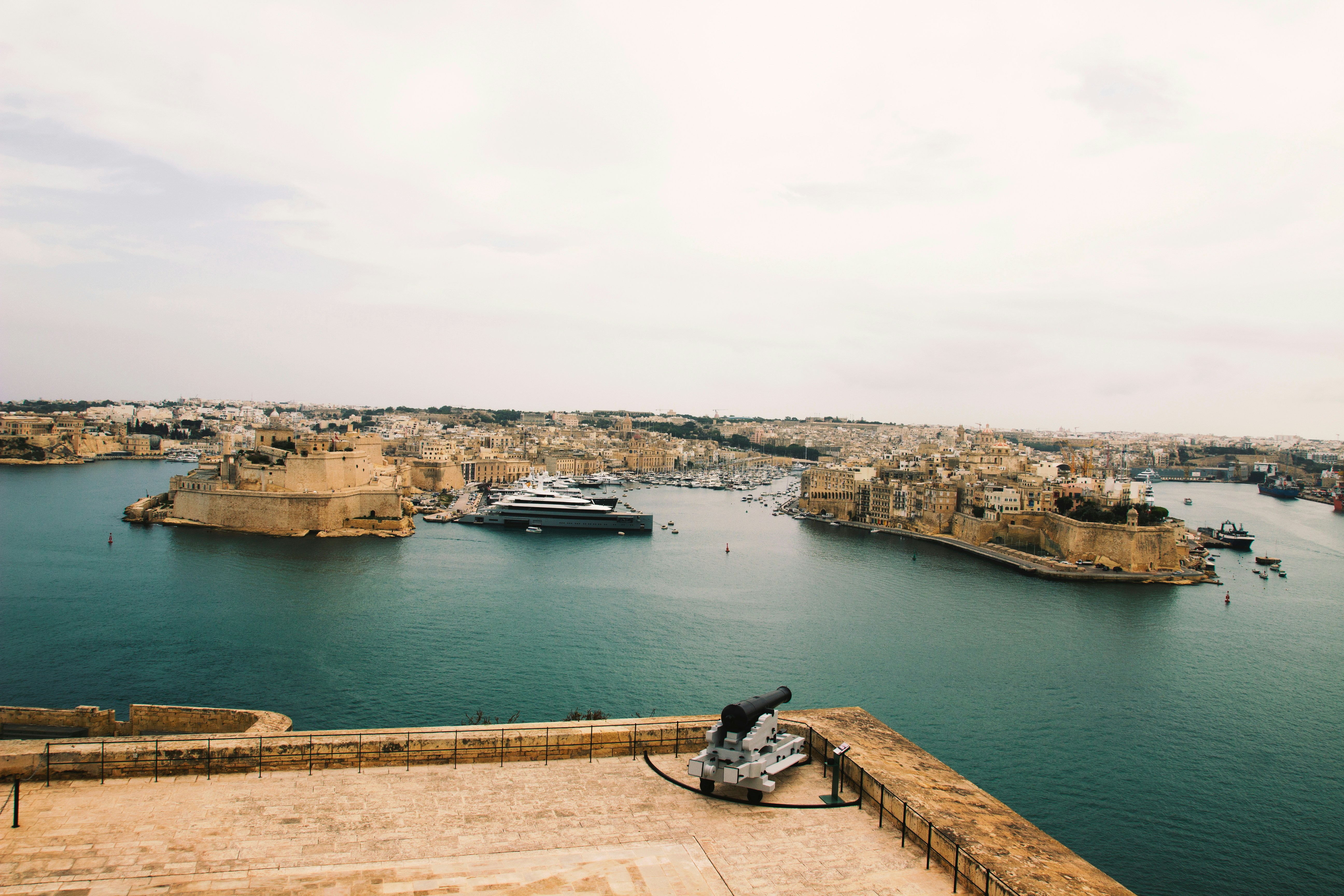
Malta Safety Guide: TL;DR
Yes—Malta is generally safe for tourists, including solo travellers and LGBTQ+ visitors, when normal precautions are followed. The main concerns are petty theft, traffic, strong sun, rough seas, and nightlife-related problems rather than serious violent crime. Singapore’s Ministry of Foreign Affairs advises vigilance against petty theft in crowded areas and on public transport. Save Malta’s emergency number, 112, before departure: it connects callers with police, ambulance, and fire services. Keep valuables secure on buses, ferries, beaches, and in Paceville, use licensed transport, check sea conditions before swimming or boating, and buy travel insurance covering medical treatment and activities.
Is Malta Safe? Crime, Transport, and Everyday Malta Travel Safety
Malta is considered a relatively low-risk European destination, but “safe” does not mean risk-free: crowded transport, nightlife districts, and busy waterfronts require the same awareness used in any popular tourist city. The most likely problems are pickpocketing, lost belongings, falls, road accidents, and heat-related illness.
Take these practical precautions:
- Carry only the day’s spending money and one payment card; store backups separately.
- Use a cross-body bag with a closed zipper, especially on buses, at ferry queues, and around Valletta’s markets.
- Keep phones and wallets out of back pockets in crowded areas such as Sliema, St Julian’s, and the Valletta waterfront.
- Malta drives on the left. Look both ways before crossing, and take extra care at roundabouts and narrow village roads.
- If renting a car, photograph existing damage, confirm insurance excess, and avoid driving tired after nightlife.
- Check weather and sea conditions before visiting rocky swimming spots, Blue Grotto viewpoints, or Comino’s Blue Lagoon.
Singapore’s MFA notes that Malta is generally safe but advises caution against petty theft and remaining alert in tourist areas. Do not assume limited cannabis activity makes recreational possession safe for visitors: Maltese law still carries serious penalties for illegal drugs.
Malta Scams: Common Tourist Tricks and How to Avoid Them
Most Malta scams are opportunistic rather than sophisticated, and a simple rule protects you: agree on the price, verify the provider, and never hand over your card or phone unnecessarily. Scams and disputes are more likely around nightlife, transport, accommodation, and crowded attractions than in ordinary daytime sightseeing.
Watch for these situations:
- Nightlife overcharging: In Paceville, a “free” drink, club invitation, or table offer can lead to inflated bills or unexplained service charges. Ask for the menu and total price before ordering, and review the receipt before paying.
- Unofficial taxis: Use a licensed taxi or pre-booked transfer. Confirm the fare or meter arrangement before leaving the airport, ferry terminal, or nightlife district.
- Street distractions: Someone asking for a donation, directions, or a signature may be creating a distraction for an accomplice. Keep your bag closed and politely decline if uncomfortable.
- Card and ATM issues: Use ATMs attached to banks or reputable businesses. Cover the keypad, decline unnecessary currency conversion, and monitor bank alerts.
- Accommodation impersonation: Pay through the booking platform and contact the property using the platform’s verified details, not a new payment link sent by message.
If a card is stolen, freeze it immediately, report the incident to police, and keep a copy of the report for your insurer.
Malta Emergency Numbers, Hospitals, and Singapore Consular Help
For any life-threatening emergency in Malta, call 112 immediately: the number reaches police, ambulance, and fire services and is free from mobile phones, including phones without active credit or a local SIM. State your exact location, explain what happened, and stay available for follow-up questions.
| Need | Number or action |
|---|---|
| Police, ambulance, or fire | 112 |
| Mater Dei Hospital Accident and Emergency, Msida | +356 2545 0000 |
| Non-urgent police assistance | Contact the Malta Police Force or visit the nearest station |
| Lost passport or serious consular problem | Contact Singapore’s Ministry of Foreign Affairs and the relevant accredited mission |
Mater Dei Hospital is Malta’s main acute hospital. On Gozo, ask hotel staff or emergency operators for the nearest medical facility; do not delay calling 112 for a serious injury.
Singapore does not maintain a resident embassy in Malta. Singaporean travellers should verify the currently accredited mission and after-hours contact details through Singapore MFA before departure, because consular arrangements can change. Register the trip with MFA, save digital and printed passport copies, and tell a trusted person where they are staying. Be alert to impersonation scams: Singapore MFA warns that officials will not ask travellers to transfer money or reveal banking login details by phone.
Malta Health Advisories, Vaccinations, Water, and Travel Insurance
Most visitors need no Malta-specific vaccination beyond routine immunisations, but a pre-trip medical review is sensible: confirm measles, tetanus, diphtheria, polio, and COVID-19 vaccinations are current, and ask a clinician about hepatitis A or other vaccines based on your itinerary and health. Requirements can vary by origin and transit route, so check official guidance before flying.
Tap water is generally treated and commonly used, although its taste can differ because of desalination and mineral content. Bottled water is widely available; budget roughly €1–€2 for a supermarket bottle or more at a café. Drink regularly in summer, use SPF 30 or higher, wear a hat, and avoid strenuous walking during the hottest afternoon hours. Seek medical help for confusion, fainting, severe headache, or inability to keep fluids down.
Swimming deserves attention: rocky shorelines, currents, boat traffic, and sudden weather changes can create hazards. Use marked swimming areas, obey red flags, avoid jumping from unfamiliar cliffs, and never mix swimming with alcohol. Do not touch jellyfish or marine animals.
Travel insurance should cover emergency treatment, hospitalisation, medical evacuation, cancellation, baggage theft, and planned activities such as diving, kayaking, or scooter rental. European Health Insurance Card coverage, where applicable, does not replace comprehensive insurance or guarantee free treatment.
Solo Female and LGBTQ+ Traveller Safety in Malta
Malta is generally comfortable for solo female and LGBTQ+ travellers, especially in established tourist areas, but confidence should be paired with ordinary nightlife and transport precautions. Valletta, Sliema, Mdina, Gozo, and resort areas are busy and welcoming, while isolated lanes, beaches, and coastal paths deserve more care after dark.
Solo travellers can reduce risk by sharing an itinerary, checking in after late arrivals, and choosing accommodation with strong recent reviews and a 24-hour contact. Keep your own route home rather than relying on someone you have just met, and use a licensed taxi or pre-arranged transfer after nightlife. At bars, watch your drink, avoid leaving it unattended, and move to staff or security if someone becomes aggressive or overly persistent.
LGBTQ+ visitors generally experience Malta as one of Europe’s more accepting destinations, but public attitudes and individual behaviour can still vary. Hold hands or show affection only where you feel comfortable, particularly in quieter areas, and report harassment or violence promptly. Malta’s legal protections do not prevent every unpleasant encounter.
For both groups, a Hello eSIM can provide mobile data for maps, translation, ride coordination, and emergency calls. Hello eSIM for Malta plans can be activated before departure, helping you arrive connected without searching for a shop at the airport.
Common Questions About Malta Travel Safety
The short answers are reassuring: Malta is usually safe for visitors, 112 is the key emergency number, tap water is generally usable, and insurance is strongly recommended for medical and activity-related costs.
Is Malta safe for a first-time visitor? Yes. Use normal precautions, protect valuables in crowded places, take road safety seriously, and avoid unlicensed transport or aggressive nightlife promotions.
What are Malta’s emergency numbers? Call 112 for police, ambulance, or fire. For a serious medical problem, give the operator a precise address or landmark. Mater Dei Hospital’s Accident and Emergency department in Msida can be reached at +356 2545 0000.
Is Malta safe for solo female travellers? Generally yes. Stay in well-lit areas, plan your return transport, keep drinks in sight, and share your accommodation details with someone you trust.
Are Malta’s beaches safe? They can be, provided you follow flags and local instructions. Rocky entries, currents, boat traffic, and heat are more realistic hazards than crime.
Can tourists use cannabis legally in Malta? Do not assume so. Limited legal activity for residents does not make possession or use safe for tourists; illegal drugs can attract severe penalties.
How can travellers manage safety and spending? Hello combines connectivity with expense splitting and budget tracking. Its receipt scanning, multi-currency tracking, and automatic exchange-rate conversion can help a group record shared taxis, ferries, meals, and accommodation without losing receipts.
Explore These Destinations
Stay Connected
Ready for Malta?
eSIM data, expense splitting, budget tracking, and more. Everything you need for a smooth trip in one app.
Related Articles
Malta Currency & Money Guide: Exchange, Cards, and Tips
Currency exchange, credit card acceptance, ATM tips, tipping culture, and money-saving advice for Malta.
28 July 2026
Malta Visa & Entry Requirements for Singapore Passport Holders
Visa requirements, passport validity, customs allowances, and entry tips for Singapore citizens travelling to Malta.
10 July 2026
eSIM for Malta: Best Plans, Coverage, and Setup Tips
Everything you need to know about using eSIM in Malta. Best data plans, network coverage, and setup instructions.
1 July 2026