Malta Travel Budget Guide: Daily Costs and Money Tips
How much does it cost to travel in Malta? Daily budget breakdowns for budget, mid-range, and luxury travellers.
By Hello Travel Team
This article contains affiliate links. If you book through them, Hello may earn a commission at no additional cost to you. Our editorial recommendations are independent. Learn more.
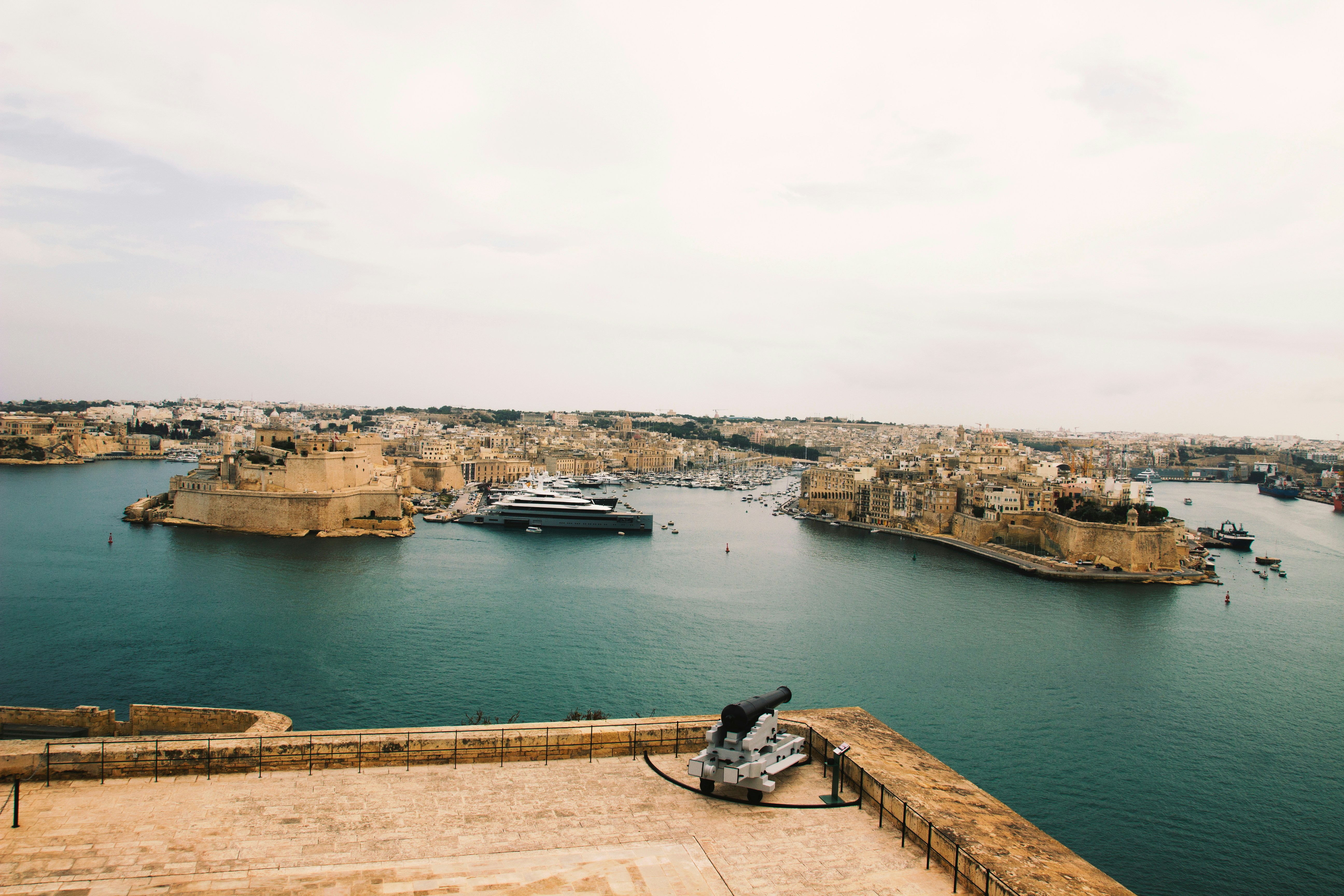
TL;DR: Malta Travel Cost by Budget Type
Malta is affordable by Mediterranean island standards, and most travellers can expect to spend roughly €40–70 per day on a budget trip, €100–160 per day mid-range, and €250+ per day for luxury in 2026. Shoulder-season trips are usually cheaper, while July and August push accommodation and tour prices higher, so the final how much Malta trip cost depends heavily on when you go and how you move around the islands.
Malta Travel Budget Guide: What You’ll Spend Each Day
A realistic Malta travel budget starts with your sleep, your meals, and your transport. Budget travellers can keep daily expenses low by choosing hostel dorms, bakery lunches, bus rides, and free beach days, while mid-range travellers will pay more for private rooms, restaurant meals, and a mix of taxis or car hire. Luxury trips climb quickly once you add boutique hotels, fine dining, and private boat days.
Here’s a practical breakdown for 2026:
| Traveller type | Daily budget | What it usually covers |
|---|---|---|
| Budget | €40–70 | Hostel dorm, local food, buses, a few paid sights |
| Mid-range | €100–160 | Private hotel room, cafés/restaurants, tours, some taxis |
| Luxury | €250+ | Upscale hotel, fine dining, premium transport, private experiences |
For context, independent budget guides and travel cost roundups consistently place budget travel in the €35–55 range on quieter dates and closer to €55–60 in peak summer, while mid-range stays commonly land around €80–120 or higher depending on hotel standards and activity choices.
Daily Costs in Malta: Accommodation, Food, Transport, and Attractions
Accommodation is usually the biggest cost in Malta, especially in summer. In peak season, a dorm bed or budget guesthouse can cost far more than in spring or autumn, while private rooms in popular areas like Valletta, Sliema, St Julian’s, and Mellieħa climb fastest on weekends and holiday periods.
A sensible day-by-day estimate for 2026 looks like this:
| Expense | Budget traveller | Mid-range traveller | Luxury traveller |
|---|---|---|---|
| Accommodation | €20–40 | €70–120 | €180+ |
| Food and drinks | €15–25 | €30–60 | €80+ |
| Transport | €3–8 | €10–20 | €25–60 |
| Attractions and activities | €5–15 | €20–40 | €50+ |
Food can be surprisingly manageable if you lean into Maltese casual dining: pastizzi, ftira, bakery sandwiches, and supermarket snacks help a lot. Public buses are the cheapest way to get around, and they work well for many first-time visitors, though ferry days to Gozo or private transfers will raise your total. If you plan to hop between Malta, Gozo, and Comino, budget a little extra for boats and day trips.
Seasonal Price Differences: When Malta Is Cheapest and When It Costs More
Timing your trip is one of the easiest ways to cut your Malta daily expenses. Shoulder season—roughly spring and autumn—usually offers the best value, with lower hotel rates, more comfortable weather, and fewer crowds at hotspots like the Blue Lagoon, Mdina, and the harbour cities.
Summer is the expensive period. From June through August, accommodation can jump noticeably, restaurants near the beach get busier, and popular tours sell out earlier. That’s why many budget travel guides place a shoulder-season backpacking day near €35–45, then push it closer to €55–60 in summer. Mid-range travellers often see the same pattern, moving from around €80–120 per day outside peak season to noticeably higher totals in July and August.
If your dates are flexible, aim for late April to early June or September to October. You’ll usually get better room availability, easier bus travel, and a much more relaxed experience in popular places like Valletta’s waterfront or the sandy beaches in the north. For travellers who want to stay connected without hunting for airport Wi-Fi, a Hello eSIM for Malta can be a simple way to land online and start checking maps, buses, and booking confirmations immediately.
Money Tips for Malta: How to Spend Less Without Missing Out
Small choices add up fast in Malta, especially on transport and daytime food. If you want to stretch your travel budget, shop like a local, travel outside peak meal times, and build your itinerary around free or low-cost highlights instead of paying for every single activity.
Useful money-saving habits include:
- Eating breakfast from a bakery or supermarket instead of a hotel café
- Using buses for longer point-to-point hops and walking in compact areas like Valletta
- Booking accommodation early for summer trips
- Mixing one or two paid experiences with free beach days and scenic walks
- Comparing ferry, taxi, and bus costs before day-tripping to Gozo
A practical example: a solo traveller can keep a full day in Malta near the budget range by spending on a hostel bed, two low-cost meals, bus fares, and one modest attraction. Travelling with friends can also lower costs if you split taxis, grocery runs, or private accommodation. The Hello app helps here too, because its expense-splitting and budget-tracking tools make it easier to divide shared costs across different currencies and keep a clear record of what everyone owes.
Common Questions About Malta Travel Cost and Daily Expenses
Most travellers ask the same question: how much Malta trip cost should I actually plan for? The answer depends on your style, but the ranges below are a solid starting point for 2026 planning.
| Question | Short answer |
|---|---|
| Is Malta expensive? | Not usually, but summer and coastal hotspots can raise prices fast. |
| How much do budget travellers spend per day? | Around €40–70, with cheaper shoulder-season options possible. |
| What is a mid-range Malta budget? | Roughly €100–160 per day for a private room, meals out, and activities. |
| How much should luxury travellers plan? | €250+ per day, especially with upscale hotels and premium experiences. |
| Is public transport enough? | For many travellers, yes, but ferries and taxis may still be needed for some routes. |
If you are deciding between a short city break and a full island-hopping trip, the main cost difference usually comes from accommodation and transport, not from one big “Malta fee.” That means smart hotel timing, bus-first planning, and a few free coastal walks can make a noticeable difference to your final Malta travel cost.
Explore These Destinations
Stay Connected
Book this trip
Compare options on trusted travel sites
Plan flights for this trip
Continue to a reviewed booking partner to check current routes, fares, and terms.

Track your Malta trip budget
Split expenses with friends, track spending by category, and see real-time currency conversions — all in one app.
Related Articles
Malta Currency & Money Guide: Exchange, Cards, and Tips
Currency exchange, credit card acceptance, ATM tips, tipping culture, and money-saving advice for Malta.
28 July 2026
Malta Safety Guide: Tips for a Safe Trip
Safety tips, health advisories, emergency contacts, common scams, and travel insurance advice for Malta.
20 July 2026
Malta Visa & Entry Requirements for Singapore Passport Holders
Visa requirements, passport validity, customs allowances, and entry tips for Singapore citizens travelling to Malta.
10 July 2026