Malta Cultural Guide: Etiquette, Customs, and Tips
Essential do's and don'ts, greeting customs, dress codes, local phrases, and cultural tips for Malta.
By Hello Travel Team
This article contains affiliate links. If you book through them, Hello may earn a commission at no additional cost to you. Our editorial recommendations are independent. Learn more.
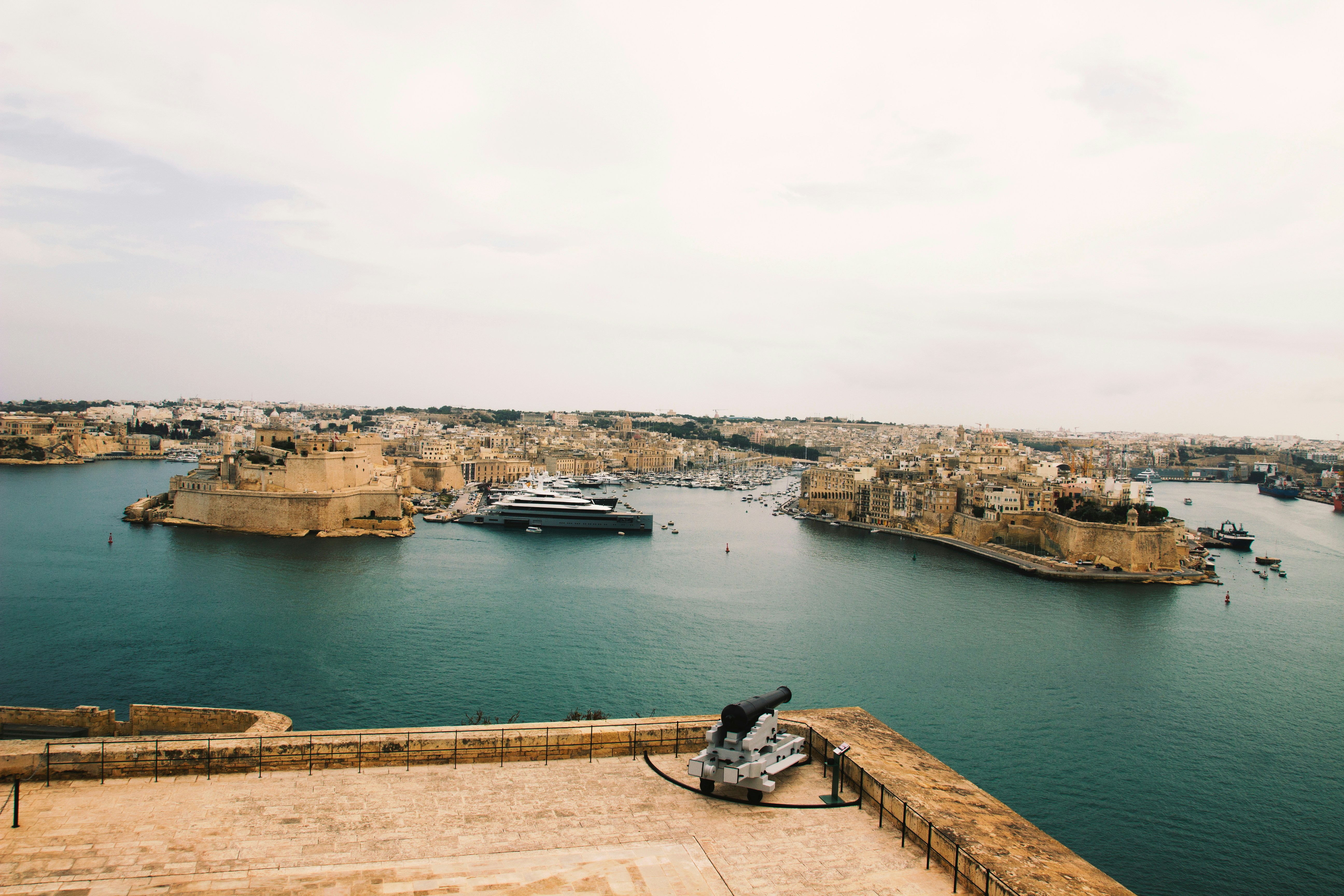
TL;DR: Malta Culture, Etiquette, and Essential Dos and Don’ts
Malta’s culture blends Mediterranean warmth, deep Catholic traditions, and British influences, so visitors should greet politely, dress modestly in churches, respect religious feasts, and avoid loud, confrontational behavior while enjoying the island’s relaxed, hospitable vibe and strong family-centered customs.
If you’re looking for a quick cultural checklist, think friendly greetings, modest dress in religious spaces, and patience around local festas and holidays. Malta welcomed around 3 million tourists in 2023 according to the Malta Tourism Authority, and most locals are used to visitors—but they appreciate basic respect and curiosity about their traditions.
Key Malta dos and donts include:
- Do say hello, smile, and use simple Maltese phrases like "Bonġu" (good morning) and "Grazzzi" (thank you).
- Do dress appropriately when visiting churches and shrines.
- Don’t mock religious processions or treat them as just photo props.
- Don’t expect everything to run on strict schedules—life follows a Mediterranean rhythm.
For smooth travel, many visitors base themselves in areas like Valletta, Sliema, or St. Julian’s, where customs are familiar yet still distinctly Maltese. Arriving connected with a Hello eSIM for Malta (Hello eSIM for Malta) helps you navigate festas, bus timetables, and opening hours without confusion, while keeping travel costs and logistics under control in one app.
Everyday Malta Etiquette: Greetings, Social Norms, and Dos and Don’ts
Everyday etiquette in Malta revolves around warm greetings, politeness, and a relaxed yet respectful attitude, so you’ll fit in by saying hello, keeping your voice reasonable, and showing interest in Maltese traditions without pushing sensitive topics like politics or religion.
In daily life, Maltese people are generally friendly and approachable. A simple “Hello” or “Bonġu” with eye contact goes a long way, and handshakes are common in both social and business settings. Among friends and family, cheek kissing (usually one or two) is normal, but don’t initiate it unless locals do first. Malta has a strong Catholic identity—about 90–95% of the population identifies as Roman Catholic according to Eurobarometer and local church data—so avoid mocking religious symbols or services.
Useful Malta dos and donts for social situations:
- Do queue calmly at bus stops and shops, and say “thanks” or “grazzzi” when served.
- Do be punctual for formal plans, though casual meetups may operate on “Mediterranean time.”
- Don’t speak very loudly indoors or on public transport; it’s seen as rude.
- Don’t assume everyone shares the same views on the Church, politics, or migration.
Tipping is appreciated but not rigid: rounding up or adding 5–10% in restaurants is common practice in 2026, especially in tourist areas. In cafés, leaving small change is fine. For card payments, contactless is widespread, but having a bit of cash helps in village bars and local bakeries.
Language, Greetings, and Essential Maltese Phrases for Travelers
Maltese people typically speak Maltese and English fluently, so travelers get by easily, but learning a few basic Maltese phrases and greeting customs shows respect and can open doors to warmer local interactions.
Malta has two official languages—Maltese and English—and English is widely used in tourism, business, and education. According to Malta government statistics, over 80% of residents report being comfortable in English, which makes Malta easier than many European countries for visitors who only speak English. Still, using Maltese phrases is appreciated and often met with smiles.
Handy phrases to know:
- Hello / Good morning – Bonġu
- Good evening – Il-lejl it-tajjeb
- Thank you – Grazzzi
- Please – Jekk jogħġbok
- Excuse me / sorry – Skużani
In more formal settings or with older locals, addressing people respectfully matters. You might hear “Sur” (Sir) and “Sinjura” (Madam), especially in traditional environments.
For social etiquette, start conversations in English but switch to basic Maltese greetings when you can. A typical friendly opener in a café might be: “Bonġu, jekk jogħġbok, espresso wieħed.” In tourist hubs like Valletta and Mdina, staff are accustomed to multilingual visitors, but in small villages, using a couple of Maltese words helps bridge the gap and shows cultural awareness.
Having an eSIM from Hello keeps translation apps and maps at your fingertips, making it easier to practice phrases, understand signs, and message local hosts without hunting for Wi‑Fi.
Dress Codes in Malta: Churches, Beaches, and What to Wear Where
Dress in Malta is generally casual and Mediterranean, but modest clothing is expected in churches and village festas, so pack light, breathable outfits plus one or two respectful options for religious or formal occasions.
Because Malta is a strongly Catholic country, visiting major churches like St John’s Co-Cathedral in Valletta or local parish churches comes with clear expectations. Shoulders and knees should be covered; tank tops and short shorts are discouraged inside. Some sites may offer shawls or wraps, but it’s better to bring your own light scarf or cardigan. In 2026, entrance to St John’s Co-Cathedral is around €15, and staff may refuse entry if your outfit is too revealing.
At beaches such as Golden Bay or Mellieħa Bay, standard swimwear is fine, but nudity and topless sunbathing are not culturally acceptable and can lead to complaints. Away from the sand, wearing a bikini top through town or on buses is frowned upon—throw on a cover-up or T‑shirt.
For evenings, smart-casual is ideal: sundresses, linen shirts, and closed shoes or smart sandals work well at restaurants and rooftop bars. In more upscale venues in Valletta or St. Julian’s, men may be expected to wear long trousers and collared shirts.
A simple packing comparison can help:
| Situation | Recommended Dress |
|---|---|
| Church / shrine | Covered shoulders, knees |
| Village festa | Modest casual, comfy shoes |
| Beach / resort | Swimsuit + cover-up |
| Fine dining | Smart-casual, closed shoes |
Photography, Religious Customs, and Local Holidays That Affect Travel
Photography in Malta is generally welcome, but you should avoid intrusive photos of religious ceremonies, ask before shooting people, and plan around major feasts and public holidays that can change opening hours and transport schedules.
Malta’s churches, old towns, and coastal views are incredibly photogenic, yet etiquette matters. Inside churches, look for signage: some allow photos without flash, others forbid photography entirely, especially during Mass or confessions. As a rule, don’t photograph people praying, clergy, or children without clear permission. During village festas—local religious festivals honoring a patron saint—fireworks, processions, and band marches are popular, but stay behind barriers and avoid blocking participants with your camera.
Major holidays and events that impact travel include:
- Feast of St Paul’s Shipwreck (10 February) – important religious day, some closures in Valletta.
- Good Friday and Easter – solemn processions, limited business hours.
- Feast of Santa Marija (15 August) – one of the biggest summer festas; expect busy roads and full restaurants.
- Freedom Day (31 March) and Republic Day (13 December) – national holidays with ceremonies and reduced opening times.
According to Malta’s official tourism data, the country hosts hundreds of festas annually, particularly between May and September, drawing both locals and visitors. These are fantastic cultural experiences but can fill buses and make parking nearly impossible.
To navigate changing timetables and church visiting hours, use local transit apps and maps with mobile data from a Hello eSIM, so you’re not relying on patchy café Wi‑Fi during crowded feast days.
Business Etiquette and Money Matters: Meetings, Tipping, and Costs
Business etiquette in Malta combines British formality with Mediterranean warmth, so aim for punctuality, polite greetings, and clear communication, while being aware that relationships and trust often matter as much as contracts.
In business settings, a firm handshake, eye contact, and the use of titles and surnames at first meeting are standard. Meetings typically start on time, and arriving 5–10 minutes early is ideal. English is widely used in professional environments, and written communication—emails, contracts—is usually in English as well. Dress codes lean toward business smart: men often wear collared shirts and jackets; women choose professional dresses or blouses and skirts.
Negotiations may be straightforward but still relationship-focused. Taking time for small talk about family, local food, or football is common. Aggressive, high-pressure tactics can be viewed negatively.
On the money side, Malta uses the euro (€). In 2026, expect:
- Casual restaurant meals: €15–25 per person.
- Coffee at a local café: €2–3.
- Public bus rides: around €1.50–2.00 depending on ticket type.
Tipping is not mandatory but welcomed: 5–10% in restaurants, rounding up in taxis, and a euro or two for hotel staff.
If you’re traveling with colleagues or friends, Hello’s expense-splitting and multi-currency tracking are handy for business trips or shared holidays—scan receipts, import statements, and let the app convert costs automatically, so you can focus on building relationships instead of arguing over who owes what.
Gift-Giving Customs and Common Questions About Malta Culture
Gift-giving in Malta is modest but meaningful, with small tokens like sweets or wine appreciated when visiting locals, while more formal gifts are reserved for business or special occasions and should be tasteful and not overly lavish.
In social settings, if you’re invited to a Maltese home for dinner, it’s polite to bring a small gift: chocolates, a bottle of good wine, or something from your home country. Avoid extremely expensive or flashy gifts, which can feel uncomfortable. Flowers are fine, but avoid white flowers for very celebratory occasions as they may carry more solemn associations in some Catholic contexts.
In business, gifts are less common at first meetings but may appear after successful collaborations—think quality stationery, regional delicacies, or a tasteful book. Branded items from your company are acceptable if they’re useful.
Here are quick answers to common questions about Malta etiquette and customs:
Q: Is Malta culture more European or Middle Eastern?
A: Malta’s culture is primarily European with strong Mediterranean and Italian influences, plus historical ties to the Arab world and Britain, reflected in its language, architecture, and legal systems.
Q: Are shorts acceptable in Malta?
A: Yes, shorts are fine in everyday settings and tourist areas, but opt for longer, modest styles in villages, restaurants, and especially when visiting churches.
Q: Is tap water safe to drink?
A: Tap water is treated and generally safe, but many locals prefer bottled water due to taste; budget around €0.50–1 for a small bottle in supermarkets.
Q: How can I stay connected without paying high roaming fees?
A: Use an eSIM from Hello so you arrive in Malta with data ready to go, book restaurants and ferries, and share festa photos without surprise roaming charges, all managed inside the Hello app.
These small cultural insights help you enjoy Malta’s warmth and hospitality while avoiding accidental faux pas during your trip.
Explore These Destinations
Stay Connected
Book this trip
Compare options on trusted travel sites
Plan activities for this trip
Continue to a reviewed booking partner to check schedules, inclusions, and terms.

Make the most of Malta
From eSIM connectivity to expense tracking, Hello is the all-in-one companion that keeps your trip stress-free.
Related Articles
Malta Currency & Money Guide: Exchange, Cards, and Tips
Currency exchange, credit card acceptance, ATM tips, tipping culture, and money-saving advice for Malta.
28 July 2026
Malta Safety Guide: Tips for a Safe Trip
Safety tips, health advisories, emergency contacts, common scams, and travel insurance advice for Malta.
20 July 2026
Malta Visa & Entry Requirements for Singapore Passport Holders
Visa requirements, passport validity, customs allowances, and entry tips for Singapore citizens travelling to Malta.
10 July 2026