Key Takeaways
- ✓Ghana in 2026 is a welcoming, mid-priced West African destination combining city life, coastal history, and nature.
- ✓Aim for November–March for the most comfortable weather, but Ghana is visitable year-round with flexible planning.
- ✓Use the Ghana budget and currency guides to set a realistic daily budget and manage cash and cards confidently.
- ✓Check nationality-specific visa and entry rules early; Singapore citizens can follow the dedicated Ghana visa guide.
- ✓Hello eSIM offers instant, hassle-free connectivity across Ghana, ideal for both city stays and multi-country trips.
- ✓Short trips focus on Accra and nearby coast, while 5–10 day itineraries layer in Cape Coast, Kakum, and other regions.
- ✓Safety, health, money, and cultural awareness are straightforward to manage using the dedicated Ghana cluster guides.
- ✓A pre-trip checklist covering documents, health, budget, connectivity, and culture makes Ghana travel smooth and stress-free.
Ghana is one of West Africa’s most welcoming, rewarding destinations: golden beaches, vibrant cities like Accra, sobering history at Cape Coast, lush national parks, and warm, music-loving communities. This Complete Ghana Travel Guide 2026 is your one-stop trip planner for everything from visas and budgets to food, transport, safety, and connectivity.
You’ll get a clear overview of when to go, how much to budget, and what kind of itinerary fits a 3, 5, or 10-day stay, with links to detailed daily plans like 3 Days in Ghana: A Day-by-Day Itinerary and Ghana in 10 Days: The Ultimate Travel Itinerary. We’ll help you understand Ghana’s currency, typical daily costs, and how to track and split expenses in the Hello app.
You’ll also find practical advice on Ghana’s visa and entry rules, transport options, must-try dishes, cultural etiquette, and safety considerations, plus how to stay online with Hello eSIM. Comparison tables and decision frameworks will make it easy to match your budget, season, and travel style. Whether Ghana is your first African trip or a stop on a larger journey through places like Japan and Thailand, this guide will help you plan confidently and travel thoughtfully.
Why Visit Ghana in 2026
Ghana in 2026 is a friendly, culturally rich, and increasingly easy-to-navigate destination, with improving infrastructure, strong digital connectivity, and a travel scene that still feels authentic rather than over-touristed.
Think Afrobeat nights in Accra, palm-fringed beaches in Cape Coast, history-laden forts, and green escapes like Kakum National Park – all wrapped in the warmth of Ghanaian hospitality. A Ghana trip offers a mix of city energy, sobering heritage, and nature that feels more relaxed than hyper-fast destinations like Japan or party-focused hubs like Thailand.
For first-time visitors, Accra is usually the base: you can pair art galleries, nightlife, and bustling markets with day trips to beaches and historic sites. Travellers with more time tend to add Cape Coast/Elmina for slave trade history, Kumasi for Ashanti culture, and national parks for wildlife and canopy walks.
To see what a trip looks like on the ground, use:
- 3 Days in Ghana: A Day-by-Day Itinerary if you’re on a short stopover.
- Ghana in 5 Days: The Perfect Extended Itinerary for a compact but varied trip.
- Ghana in 10 Days: The Ultimate Travel Itinerary for a deeper exploration.
As of 2026, Ghana’s tourism push means more guesthouses, boutique hotels, and tours are catering to international visitors, while still keeping local character. Combined with straightforward English communication and widespread mobile payments, Ghana is one of West Africa’s easiest “first steps” into the region.
Best Time to Visit Ghana: Seasons & Weather
Ghana is a year-round destination, but 2026 travellers will find the most comfortable mix of weather and crowd levels between November and March, when conditions are drier and slightly cooler.
Ghana has a tropical climate with two main seasons: a dry season and a rainy season. The coastal south (including Accra and Cape Coast) sees heavier rains roughly April–June and a shorter rainy period in September–October, while the north has a more pronounced single rainy season. Humidity is high all year, but sea breezes along the coast make heat more manageable.
Here’s an at-a-glance guide:
| Season (Approx.) | Weather & Comfort | Pros | Cons |
|---|---|---|---|
| Nov–Mar (Dry) | Warm, less humid, Harmattan dust possible | Best for first-timers, beach days, road trips | Slightly higher prices in peak months |
| Apr–Jun (Long Rains) | Humid, frequent showers | Lush landscapes, fewer tourists | Rain can affect road trips & outdoor plans |
| Jul–Aug | Mixed; some cooler days | Good for city stays & culture | Intermittent showers, coastal clouds |
| Sep–Oct (Short Rains) | Humid, showers | Good value, fewer crowds | Less predictable weather |
If you’re building an itinerary, use the seasonal context in Ghana in 5 Days: The Perfect Extended Itinerary and Ghana in 10 Days: The Ultimate Travel Itinerary to see how activities shift with weather (e.g., canopy walks vs. beach days).
As of 2026, climate variability is increasing, so plan flexible days in your schedule and consider indoor options (museums, cafes, galleries) during the wetter months.
How Much a Trip to Ghana Costs: Budget Overview
As of 2026, Ghana is a solid mid-price destination: cheaper than most of Japan, more expensive than the backpacker corners of Thailand, with wide room to scale your budget up or down.
Your daily costs will depend on where you stay, how you move around, and how often you join organized tours. The Ghana Travel Budget Guide: Daily Costs and Money Tips breaks down typical spending for budget, mid-range, and comfort travellers, while the Ghana Currency & Money Guide explains payment methods, ATMs, and cash handling.
Here’s a simplified 2026 daily budget snapshot (per person, excluding flights):
| Travel Style | Approx. Daily Budget (USD) | You Get |
|---|---|---|
| Budget | $35–$60 | Hostels/basic guesthouses, local transport, street food, DIY sightseeing |
| Mid-range | $70–$120 | Comfortable hotels, mix of taxis/ride-hailing, restaurant meals, some guided tours |
| Higher-end | $150+ | Boutique hotels/resorts, private drivers, fine dining, curated experiences |
You can use Hello to track expenses in real time, split shared costs with friends, and compare actual spending against your planned daily budget.
To see concrete examples of what these budgets look like on the ground, check:
- 3 Days in Ghana: A Day-by-Day Itinerary
- Ghana in 5 Days: The Perfect Extended Itinerary
- Ghana in 10 Days: The Ultimate Travel Itinerary
These itineraries include daily cost estimates so you can match your budget level to the kind of experiences you want – from simple trotro buses and food stalls to private drivers and beachfront stays.
Ghana Travel Budget Guide: Daily Costs and Money Tips
Currency & MoneyGhana Currency & Money Guide: Exchange, Cards, and Tips
Itineraries3 Days in Ghana: A Day-by-Day Itinerary
ItinerariesGhana in 5 Days: The Perfect Extended Itinerary
ItinerariesGhana in 10 Days: The Ultimate Travel Itinerary
Visa & Entry Requirements: Who Can Visit Ghana Easily?
As of 2026, Ghana’s visa and entry rules vary quite a bit by nationality, so it’s essential to check your specific passport requirements before booking flights.
Many travellers will need a visa obtained in advance from a Ghanaian embassy or via online processes where available, while some regional passports enjoy visa-free or visa-on-arrival access. All visitors should ensure at least six months of passport validity and a couple of blank pages for stamps. For Singapore citizens, the detailed, up-to-date rules are covered in Ghana Visa & Entry Requirements for Singapore Passport Holders, including required documents, application steps, and customs allowances.
Even if you’re not a Singapore passport holder, you can use that guide as a template: it explains typical entry expectations like proof of onward travel, accommodation details, and possible vaccination requirements. Always cross-check with your local Ghana embassy or official government portals for the latest changes.
A simple decision framework:
- Step 1: Check nationality-specific rules. Start with your foreign ministry or Ghana’s consular pages.
- Step 2: Confirm passport validity and blank pages. Aim for 6+ months validity beyond your travel dates.
- Step 3: Review health requirements. Yellow fever vaccination proof may be requested for travellers coming from certain countries.
- Step 4: Prepare supporting documents. Hotel bookings, return tickets, and basic financial proof can smooth entry.
Pair your visa planning with the Ghana Safety Guide: Tips for a Safe Trip, which covers travel insurance and emergency contacts – smart to sort at the same time as your visa.
Getting Around Ghana: Transport & Planning Your Routes
Moving around Ghana in 2026 is easier than many first-time visitors expect, thanks to a mix of domestic flights, intercity buses, shared minibuses (trotros), taxis, and ride-hailing apps in major cities.
For a full breakdown of options, pros and cons, and typical prices, use Getting Around Ghana: Transport Guide for Travellers. It explains airport transfers, public transport, ride-hailing, and driving tips, so you can decide whether you prefer DIY navigation or the comfort of private drivers.
At a glance:
- Within cities (Accra, Kumasi): Taxis and ride-hailing are the most convenient, especially if you don’t know local routes.
- Between cities: Intercity buses and shared minibuses dominate; domestic flights can save time on longer routes like Accra–Tamale.
- Driving yourself: Possible, but roads and local traffic norms can be challenging for first-time visitors.
A simple planning framework:
| Travel Style | City Transport | Intercity Transport | Notes |
|---|---|---|---|
| Budget | Trotros, shared taxis | Intercity buses, minibuses | Cheapest but requires flexibility and patience |
| Mid-range | Taxis, ride-hailing | Buses, occasional flights | Balanced comfort and cost |
| Higher-end | Private drivers | Private transfers, flights | Best for tight schedules and comfort |
Combine the transport guide with itineraries like 3 Days in Ghana, Ghana in 5 Days, and Ghana in 10 Days, which show real-world route choices and travel times between major stops.
Hello’s trip planning and expense tracking features can help you log transport costs and compare options across days and cities.
Food & Dining in Ghana: What to Eat and How Much It Costs
Ghana’s food scene in 2026 is hearty, flavourful, and increasingly diverse – from classic local staples like jollof rice and waakye to growing options for vegetarians and international cuisines in cities.
The Ghana Food Guide: Must-Try Dishes, Prices, and Tips is your deep dive, but here’s the big picture. Ghanaian meals often centre on a starch (rice, cassava, plantain, yam) paired with rich stews, grilled meats, or fish. Street food and casual eateries are incredibly good value, while mid-range restaurants in Accra and tourist hubs charge more but still feel affordable compared to major cities in Japan or Thailand.
Typical 2026 price ranges:
- Local street food: Very budget-friendly – think quick bowls of waakye or banku with soup.
- Casual restaurants: Moderate prices with generous portions.
- Upscale dining: Found mainly in large cities and hotels; expect higher prices but more ambience.
Use the food guide for:
- Must-try dishes and how to order them.
- Food safety tips (e.g., what to avoid if you have a sensitive stomach).
- Rough price expectations per meal.
If you have dietary restrictions, it’s worth learning a few key phrases and checking the Ghana Cultural Guide: Etiquette, Customs, and Tips for context on dining norms and how to communicate politely.
Hello’s expense tracking makes it easy to see how much of your budget is going to food versus transport and activities, so you can decide where to splurge.
Top Experiences & Sample Itineraries: Making the Most of Your Time
The best Ghana trips in 2026 balance city life, coastal history, and at least one dose of nature – even on short stays.
If you only have 3 days, the 3 Days in Ghana: A Day-by-Day Itinerary focuses on Accra and nearby highlights: markets, nightlife, art spaces, plus a taste of the coast. With 5 days, Ghana in 5 Days: The Perfect Extended Itinerary usually adds Cape Coast/Elmina for slave trade history and Kakum National Park’s canopy walk.
For 10 days or more, Ghana in 10 Days: The Ultimate Travel Itinerary weaves in more regions, such as Kumasi for Ashanti culture or northern parks for wildlife and landscapes.
A simple choice guide:
- Short stopover (3 days): Prioritize Accra; add one day trip.
- First-time trip (5–7 days): Split time between Accra and the coast; add Kakum.
- Deeper dive (10+ days): Layer in Kumasi, the Volta region, or the north.
Highlights many travellers love:
- Visiting historical forts and museums to understand Ghana’s role in Atlantic history.
- Walking the canopy in Kakum National Park.
- Enjoying beach sunsets near Cape Coast.
- Immersing in live music and nightlife in Accra.
Use Hello’s trip planning tools to slot these experiences into your calendar, attach budget estimates from the itineraries, and keep all reservations and notes in one place.
Staying Connected: Hello eSIM & Connectivity in Ghana
As of 2026, staying online in Ghana is straightforward with Hello eSIM, which offers instant data activation, no physical SIM card swapping, and coverage across major cities and many regional areas.
The eSIM for Ghana: Best Plans, Coverage, and Setup Tips breaks down Hello eSIM options specifically for Ghana, including recommended data bundles, step-by-step setup, and practical usage tips. With Hello eSIM, you can:
- Arrive in Accra with data ready to go for maps and ride-hailing.
- Avoid hunting for airport SIM vendors or dealing with paperwork.
- Top up data when needed through the Hello app.
Compared with relying solely on hotel Wi-Fi or local SIM cards, Hello eSIM is more flexible, especially if Ghana is one stop on a multi-country trip linking, say, Japan, Thailand, and West Africa. You manage all your eSIMs, budgets, and trip details in one app.
A connectivity decision snapshot:
- Primarily in cities & tourist hubs: Hello eSIM plus hotel Wi-Fi is usually enough.
- Remote or rural stays: Combine Hello eSIM with offline map downloads and local advice about coverage.
Hello also lets you monitor data usage alongside trip expenses, so you won’t be caught out by heavy video streaming or frequent uploads. Check the eSIM guide before departure to choose the plan that fits your length of stay and expected data needs.
Safety, Health, Money & Culture: Practical Essentials
Ghana is widely considered one of West Africa’s safer, friendlier destinations as of 2026, but smart preparation around safety, health, money, and local culture makes trips smoother.
The Ghana Safety Guide: Tips for a Safe Trip covers common scams, neighbourhood awareness, emergency numbers, and insurance advice. Pair it with the Ghana Currency & Money Guide: Exchange, Cards, and Tips and Ghana Travel Budget Guide: Daily Costs and Money Tips to understand how to pay, tip, and manage cash.
Culturally, the Ghana Cultural Guide: Etiquette, Customs, and Tips explains greetings, dress codes, and local phrases – invaluable for respectful interactions at markets, villages, and religious sites.
At a glance:
- Safety: Most trips are trouble-free; focus on usual urban precautions and transport awareness.
- Health: Check vaccinations and carry basic medication; stay hydrated in the heat.
- Money: ATMs are available in cities; cash is still important in smaller towns.
- Culture: Warm greetings and modest dress in certain contexts go a long way.
Hello can help here by storing your important trip documents, keeping emergency contacts handy, and tracking expenses so you spot unusual card activity quickly.
Use these cluster guides together when planning: sort your insurance and health prep alongside visa checks, money planning, and cultural reading for a rounded, confident start.
Before You Go: Pre-Trip Checklist for Ghana
A well-prepared 2026 Ghana trip starts with a clear checklist: documents, health, money, connectivity, and a rough itinerary.
Use this "Before You Go" list as your master reference alongside the detailed cluster guides:
Documents & Entry
- Check your passport validity (aim for at least 6 months after your return date).
- Confirm visa requirements and start applications early; Singapore citizens can follow Ghana Visa & Entry Requirements for Singapore Passport Holders.
- Print or save copies of booking confirmations and travel insurance.
Health & Safety
- Review the Ghana Safety Guide: Tips for a Safe Trip and sort insurance.
- Consult a travel clinic about vaccinations and bring a small medical kit.
Money & Budget
- Read the Ghana Currency & Money Guide and Ghana Travel Budget Guide.
- Set a rough daily budget and add it into Hello for tracking.
Connectivity & Apps
- Choose a Hello eSIM plan using eSIM for Ghana: Best Plans, Coverage, and Setup Tips.
- Download offline maps and any transport or translation apps you prefer.
Itinerary & Culture
- Sketch your route using 3 Days in Ghana, Ghana in 5 Days, or Ghana in 10 Days.
- Read the Ghana Cultural Guide to learn greetings and basic etiquette.
Store everything inside your Hello trip so you have documents, budgets, and plans in one place when you land.
Ghana Visa & Entry Requirements for Singapore Passport Holders
Safety & HealthGhana Safety Guide: Tips for a Safe Trip
Currency & MoneyGhana Currency & Money Guide: Exchange, Cards, and Tips
Budget PlanningGhana Travel Budget Guide: Daily Costs and Money Tips
eSIM & ConnectivityeSIM for Ghana: Best Plans, Coverage, and Setup Tips
Cultural GuideGhana Cultural Guide: Etiquette, Customs, and Tips
Itineraries3 Days in Ghana: A Day-by-Day Itinerary
ItinerariesGhana in 5 Days: The Perfect Extended Itinerary
ItinerariesGhana in 10 Days: The Ultimate Travel Itinerary
Frequently Asked Questions
Is Ghana safe to visit in 2026 for solo travellers?
Yes, Ghana is widely regarded as one of West Africa’s safer and friendlier destinations for solo travellers in 2026, especially in major cities and tourist areas. Normal urban precautions still apply: staying aware of your surroundings, using trusted transport, and avoiding poorly lit areas at night. The Ghana Safety Guide: Tips for a Safe Trip provides detailed advice on common scams, neighbourhood awareness, emergency contacts, and travel insurance – recommended reading before you go.
How many days do I need for a good first trip to Ghana?
For a strong first impression of Ghana, aim for at least 5 days. This lets you combine Accra’s markets, nightlife, and galleries with Cape Coast/Elmina’s historical forts and Kakum National Park’s canopy walk. Use Ghana in 5 Days: The Perfect Extended Itinerary as a template. If you have only a short stopover, 3 Days in Ghana: A Day-by-Day Itinerary focuses on highlights around Accra, while Ghana in 10 Days: The Ultimate Travel Itinerary is ideal for deeper exploration.
What is the best way to stay connected in Ghana as of 2026?
The easiest way to stay online in Ghana in 2026 is to use Hello eSIM: you activate data before arrival or upon landing, skip physical SIM cards entirely, and manage your plan directly in the Hello app. The eSIM for Ghana: Best Plans, Coverage, and Setup Tips guide explains recommended Hello eSIM plans, coverage expectations, and how to install and switch profiles. Pair Hello eSIM with hotel Wi-Fi and offline maps for reliable connectivity in cities and tourist hubs.
How much cash should I carry, and can I use cards in Ghana?
As of 2026, you’ll want a mix of cash and cards. Cards are increasingly accepted at hotels, restaurants, and larger shops in cities, but cash is still essential for markets, small eateries, and transport in many areas. The Ghana Currency & Money Guide: Exchange, Cards, and Tips explains how ATMs work, where cards are commonly accepted, and how much cash is reasonable to carry day-to-day. Combine this with the Ghana Travel Budget Guide: Daily Costs and Money Tips to estimate your daily cash needs.
Do I need to learn local languages to travel in Ghana?
You don’t need to be fluent in local languages to travel in Ghana, as English is widely used, especially in cities and for official matters. However, learning a few local phrases and understanding basic etiquette makes interactions warmer and more respectful. The Ghana Cultural Guide: Etiquette, Customs, and Tips introduces key greetings, how to address people politely, and helpful cultural context for markets, villages, and religious settings – all worth reading before your trip.
What are the must-try Ghanaian dishes for first-time visitors?
First-time visitors should try classics like jollof rice, waakye, banku or fufu with rich stews, grilled fish or chicken, and popular snacks from street vendors. Prices are generally friendly, especially at local eateries. The Ghana Food Guide: Must-Try Dishes, Prices, and Tips lists standout dishes, explains what’s in them, outlines typical costs in 2026, and shares advice on food safety and ordering – ideal for planning your culinary must-try list.
Is public transport easy to use, or should I hire a driver?
Public transport in Ghana – including trotros, intercity buses, and shared taxis – is affordable and widely used but can be confusing for first-time visitors. In cities, many travellers prefer taxis and ride-hailing apps for simplicity. Between cities, intercity buses are the mainstay, with domestic flights saving time on long routes. The Getting Around Ghana: Transport Guide for Travellers compares options, costs, and comfort levels so you can decide whether DIY transport or hiring drivers better matches your budget and confidence.
eSIM Plans for Ghana
Detailed Articles
Dive deeper into specific topics covered in this guide.
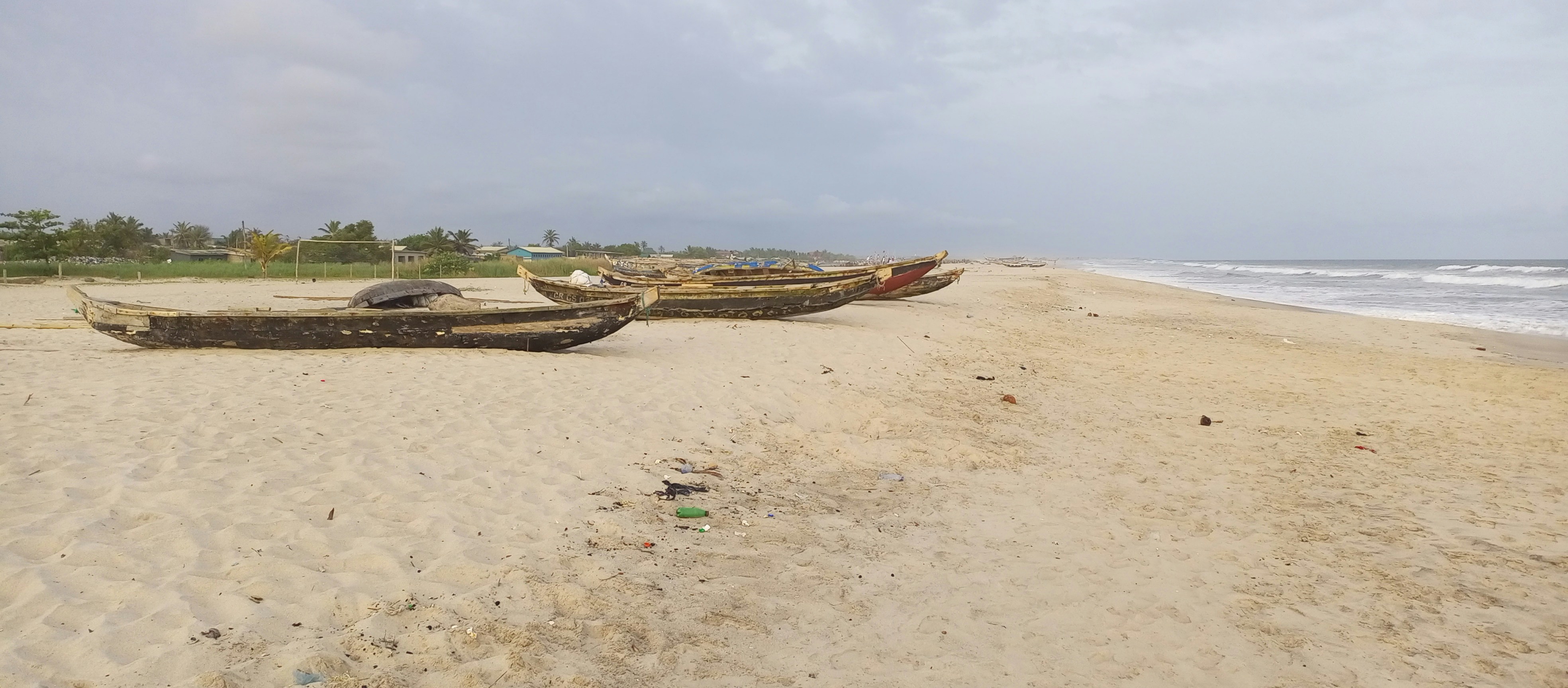
3 Days in Ghana: A Day-by-Day Itinerary
A detailed 3-day itinerary for Ghana with daily activities, costs, neighborhoods, and transport tips.
11 June 2026
Ghana in 5 Days: The Perfect Extended Itinerary
A detailed 5-day itinerary for Ghana with daily activities, costs, neighborhoods, and transport tips for an extended stay.
5 May 2026
Ghana in 10 Days: The Ultimate Travel Itinerary
A comprehensive 10-day itinerary for Ghana covering top attractions, hidden gems, daily costs, and transport between cities.
19 June 2026
Ghana Travel Budget Guide: Daily Costs and Money Tips
How much does it cost to travel in Ghana? Daily budget breakdowns for budget, mid-range, and luxury travellers.
24 February 2026
Ghana Currency & Money Guide: Exchange, Cards, and Tips
Currency exchange, credit card acceptance, ATM tips, tipping culture, and money-saving advice for Ghana.
26 July 2026
Ghana Visa & Entry Requirements for Singapore Passport Holders
Visa requirements, passport validity, customs allowances, and entry tips for Singapore citizens travelling to Ghana.
8 July 2026
Ghana Safety Guide: Tips for a Safe Trip
Safety tips, health advisories, emergency contacts, common scams, and travel insurance advice for Ghana.
18 July 2026
Getting Around Ghana: Transport Guide for Travellers
Airport transfers, public transport, ride-hailing apps, inter-city travel, and driving tips for Ghana.
24 May 2026
More Travel Guides
Destination Guide
Complete Seychelles Travel Guide 2026
Everything you need to know about travelling to Seychelles — budget, visa, food, transport, eSIM connectivity, and itineraries.
Destination Guide
Complete Sint Maarten (Dutch Part) Travel Guide 2026
Everything you need to know about travelling to Sint Maarten (Dutch Part) — budget, visa, food, transport, eSIM connectivity, and itineraries.
Destination Guide
Complete Eswatini Travel Guide 2026
Everything you need to know about travelling to Eswatini — budget, visa, food, transport, eSIM connectivity, and itineraries.
Destination Guide
Complete Sweden Travel Guide 2026
Everything you need to know about travelling to Sweden — budget, visa, food, transport, eSIM connectivity, and itineraries.