Ghana Safety Guide: Tips for a Safe Trip
Safety tips, health advisories, emergency contacts, common scams, and travel insurance advice for Ghana.
By Hello Travel Team
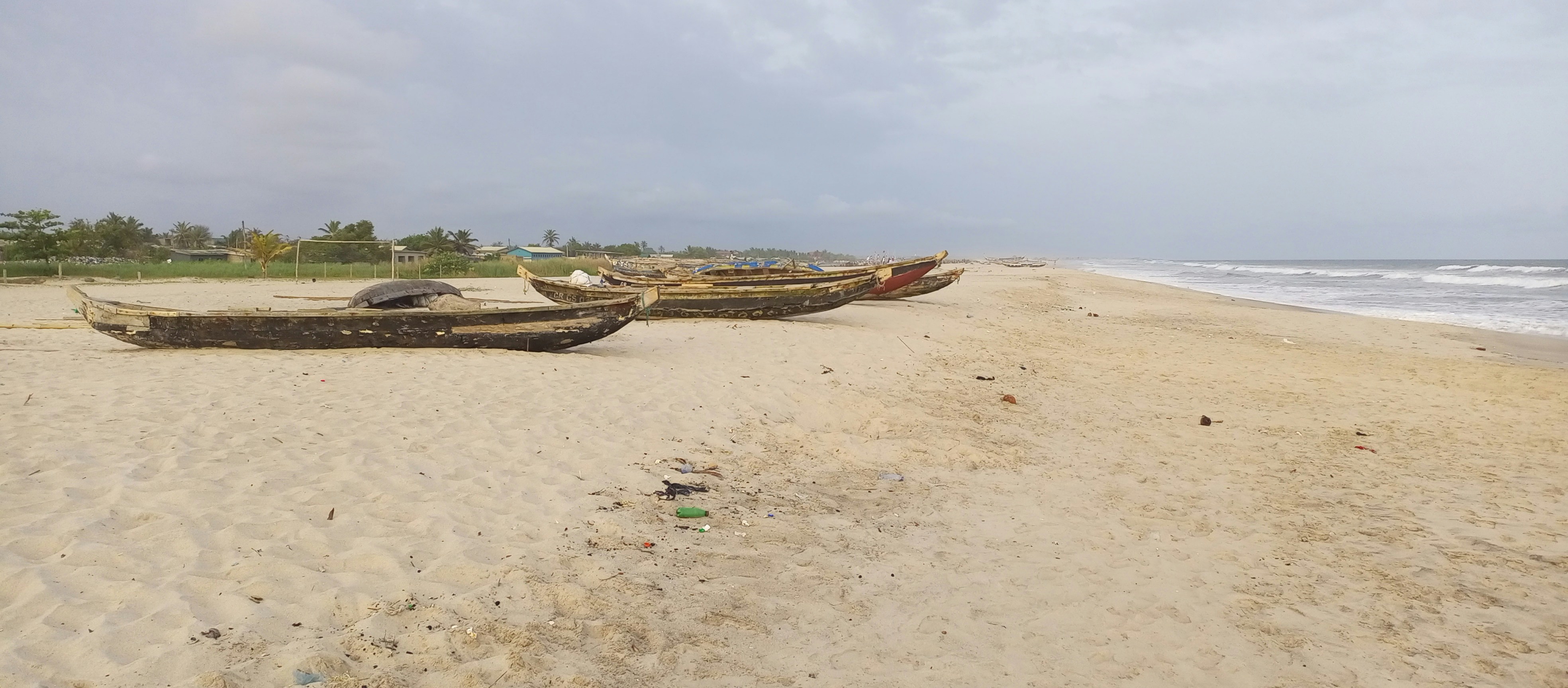
TL;DR: Is Ghana Safe to Travel?
Ghana is generally considered safe for travellers, especially in the south around Accra, Cape Coast, and Kumasi, as long as you take normal big-city precautions and avoid high-risk northern border regions. Most visits are trouble-free, but petty crime, road safety, and scams deserve your attention.
According to recent travel advisories, Ghana is rated "Level 2 – Exercise Increased Caution" by the U.S. Department of State, mainly due to crime and risks in parts of the north, while popular coastal and urban areas remain relatively stable and widely visited. Most incidents affecting visitors involve pickpocketing, opportunistic theft, and occasionally card fraud rather than violent crime.
For a safe Ghana trip, focus on a few basics:
- Stay in established areas of Accra (Osu, Airport Residential, Cantonments), Cape Coast, and other popular hubs.
- Avoid overland travel at night and keep car doors locked in traffic.
- Use hotel or airport-arranged taxis or ride-hailing apps, not random street cabs.
- Keep valuables minimal and secured in a hotel safe whenever possible.
Ghana’s emergency numbers are 191 (police), 192 (fire), 193 (ambulance), and 112 (national emergency). With sensible precautions, good travel insurance, and reliable connectivity (for example, staying online with a Hello eSIM), most travellers find Ghana welcoming, vibrant, and manageable.
Ghana Travel Safety Basics: Where, When, and How to Stay Safe
Ghana travel safety is best described as “mostly safe with normal precautions,” especially in the south, while the northern border regions require extra care or avoidance according to current advisories. Stick to well-known areas and travel smart, and you can explore comfortably.
Recent advisories recommend reconsidering travel to the Upper East, North East, Upper West, and western Savannah regions due to civil unrest and crime, while Accra, coastal towns, and major southern cities remain the focus for most visitors. If your itinerary includes the north, monitor local news and official guidance daily, and use reputable tour operators with strong safety records.
Key urban safety tips:
- In Accra, favour neighbourhoods like Osu, Airport Residential, Cantonments, and Labone, where many hotels and restaurants cluster.
- Avoid walking alone on quiet beaches or streets after dark; choose well-lit, busier routes instead.
- Keep your phone and bag out of sight in traffic—snatch-and-grab thefts can target open windows in stationary cars.
Road safety is a bigger risk than crime. Foreign ministries advise avoiding overland travel after dark, driving defensively, and favouring large, reputable bus companies for intercity trips. If you do self-drive, you’ll need both your home licence and an International Driving Permit, and should expect uneven road conditions and assertive driving styles.
Staying connected with a Hello eSIM for Ghana (Hello eSIM for Ghana) makes it much easier to check advisories, map safer routes, and call for help if plans change unexpectedly.
Emergency Numbers, Embassies, and Getting Help in Ghana
In Ghana, knowing the right emergency numbers and where to find consular help can significantly improve your safety, especially if you’re in Accra or travelling beyond major cities. Save key contacts in your phone before you land.
Nationwide emergency numbers are straightforward:
- Police: 191
- Fire: 192
- Ambulance: 193
- National emergency / NADMO: 112 These numbers are listed by multiple travel safety guides and Ghana-focused resources.
In Accra, visitors can also reach a dedicated Tourist Police Unit at +233 302 768 213, which patrols popular areas like beaches, museums, and the Osu nightlife strip and offers English-language assistance. Response times can vary, especially outside main cities, so if it’s safe, going directly to a nearby police station or hospital can be faster than waiting.
For consular help:
- The British High Commission in Accra offers emergency assistance for UK nationals and is commonly referenced by UK travel advice for Ghana.
- Travellers from Singapore should contact the nearest Singapore mission accredited to Ghana (often located in a regional hub city); it’s wise to register your trip with Singapore’s Ministry of Foreign Affairs and note the emergency consular hotline before departure.
Useful support contacts include the Ghana Tourism Authority (+233 302 682 601), which maintains current visitor and security information. Reliable mobile data from a Hello eSIM lets you quickly look up nearby police stations, hospitals, and embassy details, and call or message friends if you need help.
Health, Vaccinations, and Water Safety for Ghana
Health-wise, Ghana is manageable for most travellers if you’re prepared: bring the right vaccinations, take malaria precautions, and treat tap water carefully. With a bit of planning, you can avoid most common health pitfalls.
Entry into Ghana typically requires a valid yellow fever vaccination certificate, as echoed by multiple travel health sources and safety reports. Leading health authorities also recommend being up to date on routine vaccines and considering hepatitis A and typhoid due to risks from food and water contamination. Talk to a travel clinic 4–6 weeks before departure for personalised advice.
Malaria is widespread in Ghana, including many areas visitors frequent, so prophylactic medication, daytime insect repellent, and sleeping under mosquito nets are strongly advised. Official health guidance also recommends:
- Using approved bug sprays on exposed skin.
- Wearing long, light-coloured clothing.
- Sleeping under nets in non-fully enclosed accommodation.
For water and food safety:
- Prefer bottled or filtered water; avoid drinking untreated tap water, and skip ice if you’re unsure of its source.
- Eat at busy local spots where turnover is high.
- Avoid undercooked meat and raw shellfish, following general food safety advice from major travel health agencies.
Medical care in Accra is significantly better than in rural areas. Private hospitals and clinics usually require upfront payment, so comprehensive travel insurance with medical and evacuation cover is critical. A simple outpatient visit at a private clinic can range from $50–100 in 2026 depending on tests; more serious treatment or evacuation quickly multiplies that cost, making insurance essential.
Common Scams in Ghana and How to Avoid Them
Ghana scams tend to focus on money and personal information rather than outright violence, and most are easy to avoid with scepticism and a few practical habits. Treat unsolicited offers, romance messages, and too-good-to-be-true deals with caution.
Major foreign ministries warn visitors to be wary of unusual emails, phone calls, love declarations, prize notifications, and requests for help from supposed acquaintances, including schemes that try to lure you to Ghana for fake business opportunities or relationships. Never send money or travel based on unverified online contacts.
On the ground, common issues include:
- ATM and card skimming: card fraud is reported as a notable problem; using cash where possible and sticking to trusted businesses is safer.
- Airport and roadside targeting: robberies have occurred around airports and busy roads, especially at night; keep car doors locked and avoid stopping to settle minor accidents in unsafe spots.
- Street taxi overcharging: hailing random taxis and not agreeing a fare beforehand can lead to inflated prices or disputes; official advice is to avoid street-hailing and always agree the fare in advance.
A practical approach:
- Use mall-based ATMs (e.g., at Accra Mall) rather than standalone roadside machines.
- Pay with cash for small purchases and never let your bank card out of sight.
- Ignore strangers asking for "processing fees" or customs charges for parcels you weren’t expecting.
Monitoring your spending via Hello’s expense tracking and AI receipt scanning features helps catch suspicious charges early, especially if your card details are compromised without you noticing.
Solo Female and LGBTQ+ Traveller Safety in Ghana
Solo female travellers and LGBTQ+ visitors can and do visit Ghana, but should approach Ghana travel safety with heightened awareness around harassment, nightlife, and local attitudes, particularly outside cosmopolitan areas.
According to recent advisories, Ghana’s overall rating of "Exercise Increased Caution" specifically mentions violence against women travellers and LGBTQ+ travellers as a concern, though most visits remain incident-free when basic precautions are followed. In practice, issues are more likely to be harassment or unwanted attention than serious assault, especially in busy nightlife spots.
Solo female travellers should:
- Avoid walking alone at night, particularly on quiet beaches or poorly lit streets.
- Use registered ride-hailing or hotel-arranged taxis after dark, and sit in the back seat.
- Keep drinks in sight; while drink spiking is not widespread, local guides note it is possible in nightlife areas like Accra’s Osu strip.
For LGBTQ+ travellers, Ghana’s social environment is conservative and same-sex relationships are not widely accepted. While many visitors travel without incident by keeping affection discreet, you should:
- Avoid public displays of affection, regardless of orientation.
- Be cautious discussing sexual orientation or gender identity with strangers.
- Prioritise international hotel chains or well-reviewed guesthouses in Accra and other cities, where staff are more accustomed to diverse guests.
In all cases, having reliable data and calling options via an eSIM from Hello lets you quickly reach friends, your accommodation, or emergency services, and share your live location when heading out at night.
Travel Insurance, Costs, and Must-Know Safety FAQs about Ghana
Good travel insurance and clear answers to common safety questions will make your Ghana trip far less stressful, especially if you’re planning multi-city travel or visiting during busy events or holidays.
Comprehensive travel insurance for Ghana should cover medical care, emergency evacuation, trip cancellation, and theft of belongings, and ideally include higher-risk activities if you plan to visit remote areas. Many advisories explicitly recommend confirming that northern border regions are not excluded from your policy, as some insurers treat them as conflict or high-risk zones. Given that serious medical treatment or evacuation can run into thousands of dollars, a policy costing $50–120 for a two-week trip in 2026 is usually good value.
Here are answers to some common Ghana safety questions:
Q: Is Ghana safe for tourists?
A: For most travellers sticking to Accra, coastal areas, and major southern towns, Ghana is generally safe with standard city precautions, though petty crime exists and the north warrants extra caution.
Q: What are Ghana’s emergency numbers?
A: Police 191, fire 192, ambulance 193, and national emergency 112.
Q: Can I drink tap water?
A: It’s safer to stick to bottled or well-filtered water and be cautious with ice, as food and water-borne diseases are a key concern for travellers.
Q: How can I track expenses and stay connected safely?
A: Use a Hello eSIM for Ghana to stay online, then log spending with Hello’s AI receipt scanning, multi-currency tracking, and expense splitting, so you can monitor costs and spot any fraudulent charges quickly.
Q: Should I avoid any areas?
A: Current advisories advise reconsidering travel to the Upper East, North East, Upper West, and western Savannah regions due to unrest and crime, while southern regions remain the main visitor focus.
Explore These Destinations
Stay Connected
Ready for Ghana?
eSIM data, expense splitting, budget tracking, and more. Everything you need for a smooth trip in one app.
Related Articles
Ghana Currency & Money Guide: Exchange, Cards, and Tips
Currency exchange, credit card acceptance, ATM tips, tipping culture, and money-saving advice for Ghana.
26 July 2026
Ghana Visa & Entry Requirements for Singapore Passport Holders
Visa requirements, passport validity, customs allowances, and entry tips for Singapore citizens travelling to Ghana.
8 July 2026
eSIM for Ghana: Best Plans, Coverage, and Setup Tips
Everything you need to know about using eSIM in Ghana. Best data plans, network coverage, and setup instructions.
29 June 2026