Ghana Travel Budget Guide: Daily Costs and Money Tips
How much does it cost to travel in Ghana? Daily budget breakdowns for budget, mid-range, and luxury travellers.
By Hello Travel Team
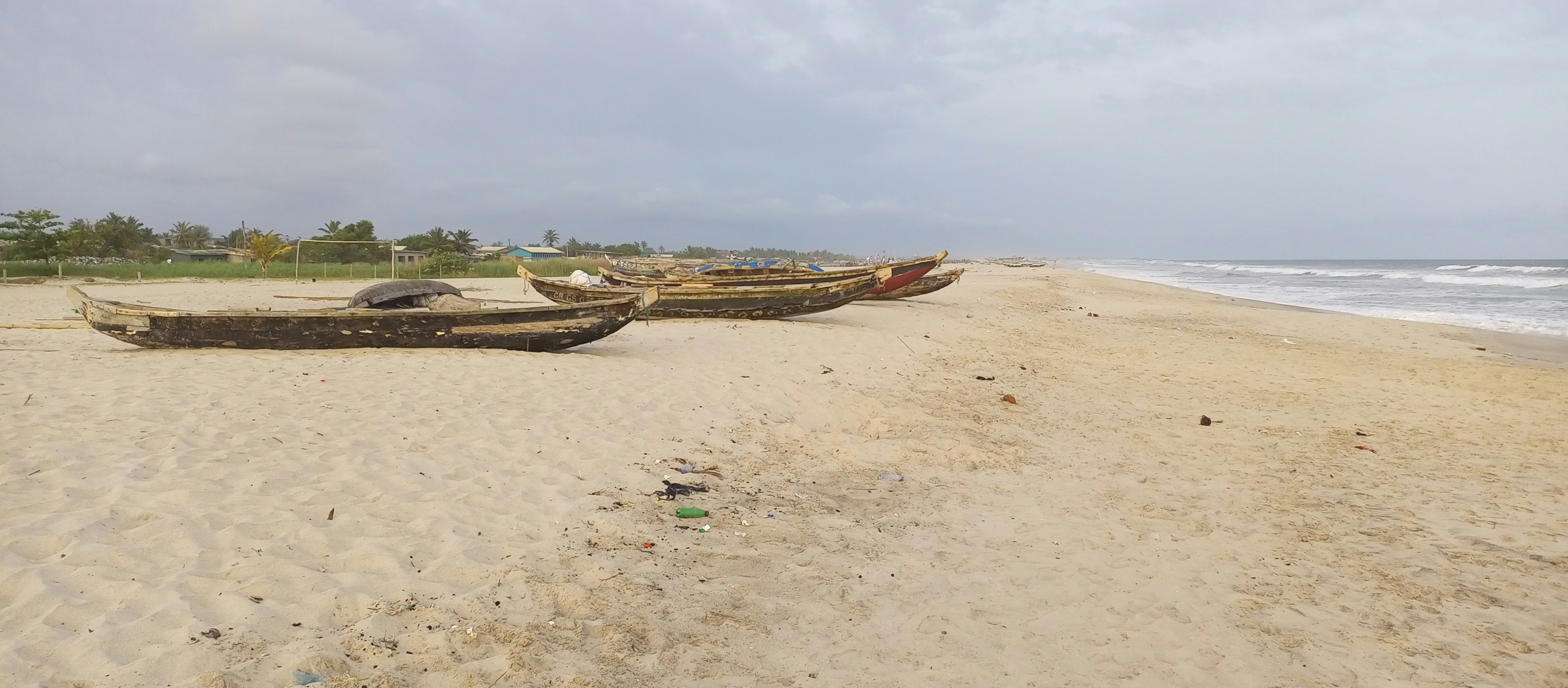
Ghana Travel Budget Guide: TL;DR Daily Costs
A realistic Ghana travel budget is about $35–60 per person per day for budget travel, $90–170 for a comfortable mid-range trip, and $250 or more for luxury, excluding international flights. Ghana uses the Ghanaian cedi (GH₵), and your Ghana travel cost will vary most with accommodation, intercity transport, guided experiences, and how often you eat at restaurants. For a one-week trip, plan roughly $245–420 on a budget, $630–1,190 at mid-range, or $1,750-plus for luxury. These estimates reflect 2026 planning prices and can rise during December, festivals, and peak beach-season weekends. Ghana welcomed 1,306,962 international visitors in 2025, according to the Ghana Tourism Authority’s 2025 Tourism Report, so booking popular Accra, Cape Coast, and safari accommodation early is sensible. Use Ghana to shape your route, and keep a buffer of 10–15% for price changes, tips, spontaneous taxis, and entrance fees.
Ghana Daily Expenses by Travel Style
Most travellers can explore Ghana comfortably for $50–120 per day, while a basic backpacking trip can cost less with shared rooms, local food, and public transport. The following Ghana budget guide uses approximate 2026 prices per person, excluding flights and visa costs.
| Travel style | Daily budget | Typical choices |
|---|---|---|
| Budget | $35–60 | Hostel or simple guesthouse, local meals, shared tro-tros, a few paid attractions |
| Mid-range | $90–170 | Private hotel room, restaurants, taxis or ride-hailing, guided day trips |
| Luxury | $250–500+ | Upscale hotels, private drivers, premium dining, curated tours |
A budget traveller might spend $10–20 on accommodation, $8–15 on food, $5–12 on local transport, and $5–15 on attractions. A mid-range traveller could allocate $40–80 for a hotel, $25–45 for meals, $15–30 for transport, and $10–25 for activities. Luxury costs rise quickly when using private vehicles or beach resorts. Ghana Tourism Authority data shows accommodation represented 31.6% of international visitor spending in 2025, followed by food and beverages at 25%, making lodging and dining the two most important categories to control.
Accommodation, Food, and Transport Prices in Ghana
Accommodation and transport determine how much a Ghana trip costs, but local food keeps daily expenses manageable outside upscale districts and resort areas. In Accra, a hostel bed generally costs $12–25 per night, a clean mid-range double room $50–100, and an upscale hotel $150–300 or more in 2026. Prices are often higher in Osu, Airport Residential Area, and during December’s festive season. Guesthouses in Kumasi, Cape Coast, and smaller towns can offer better value.
Local meals such as waakye, jollof rice, banku with soup, or kelewele commonly cost GH₵30–80, approximately $2–6 depending on the exchange rate and location. A meal at a casual restaurant is often $6–15, while international restaurants and hotel dining can exceed $25 per person. Bottled water usually costs under $1 at shops.
Tro-tros are the cheapest intercity and urban option, although they can be crowded and unfamiliar routes require patience. Shared taxis and ride-hailing are convenient in Accra, with short trips often costing $2–8. Long-distance buses between Accra, Cape Coast, Kumasi, and Tamale commonly cost $8–30. Private drivers offer comfort but may add $50–120 per day, plus fuel and the driver’s expenses.
Ghana Money Tips: Cedis, Cards, ATMs, and Tipping
Carry Ghanaian cedis for markets, roadside food, tro-tros, smaller guesthouses, and entrance fees, while keeping a card or backup cash for hotels and larger businesses. Exchange rates change frequently, so check the live rate before converting money rather than relying on an old guidebook figure. Withdraw cedis from reputable bank ATMs in Accra, Kumasi, Cape Coast, or major hotel areas, and avoid carrying your entire trip budget in one place.
Visa and Mastercard are accepted at many established hotels, supermarkets, restaurants, and tour operators, but card terminals may be unavailable or temporarily offline. Keep small notes for taxis, food stalls, public toilets, and tips. Confirm taxi fares before departure, and ask whether a quoted price is per vehicle or per passenger. Bargaining is normal in markets, but not every price needs negotiation.
Tipping is appreciated rather than rigidly required. Rounding up restaurant bills or leaving around 5–10% for attentive service is reasonable; guides, drivers, porters, and hotel staff may receive a separate tip. Ghana’s 2025 tourism data reported average visitor expenditure of $3,319.90, but that figure includes business travel and longer stays, so it should not be used as a personal daily target.
How to Save Money on a Ghana Trip Without Missing the Highlights
The easiest way to reduce Ghana daily expenses is to combine local transport and food with selective splurges on memorable experiences such as Kakum National Park, Cape Coast Castle, Mole National Park, or a guided Accra food tour. Stay three or four nights in one base rather than changing hotels constantly, because domestic transfers and private drivers can quickly exceed accommodation costs.
Book accommodation with breakfast when the price difference is modest, eat one local meal daily, and shop for fruit and water at supermarkets or markets. In Accra, compare ride-hailing fares with taxis, but avoid accepting an unusually cheap informal ride without checking the vehicle and route. For Cape Coast and Elmina, combining castles and nearby beaches in one day can reduce transport costs.
Connectivity also affects the budget: relying on hotel Wi-Fi can make navigation and ride bookings unreliable. An eSIM from Hello provides mobile data on arrival, helping with maps, translation, transport apps, and digital payments without searching for a local SIM counter. Hello’s travel companion app can also track spending in multiple currencies, scan receipts with AI, import bank statements, and split shared costs automatically when travelling with friends.
Common Questions About Ghana Travel Cost
A seven-day Ghana trip typically costs $245–420 on a budget, $630–1,190 at mid-range, or $1,750-plus for luxury, excluding flights, visas, and major shopping. Here are practical answers to common planning questions.
Is Ghana expensive for tourists? Ghana can be good value, especially for local meals, guesthouses, and public transport, but Accra’s upscale neighbourhoods, private drivers, and guided tours can make it as expensive as many major cities.
How much money should I take to Ghana for one week? Budget travellers should plan $300–500 plus an emergency reserve; mid-range travellers should allow $750–1,300. Keep part of the amount on a card and carry only a day’s cash.
Can I use US dollars in Ghana? Some hotels and tour operators may quote prices in dollars, but everyday purchases are normally made in cedis. Paying directly in cedis usually makes prices clearer.
How much does food cost in Ghana? Local meals often cost $2–6, casual restaurant meals $6–15, and upscale dining $25 or more.
When is Ghana most expensive? December, especially around Christmas and AfroFuture-related events in Accra, can bring higher accommodation and flight prices. Reserve early if travelling then.
Explore These Destinations
Stay Connected
Track your Ghana trip budget
Split expenses with friends, track spending by category, and see real-time currency conversions — all in one app.
Related Articles
Ghana Currency & Money Guide: Exchange, Cards, and Tips
Currency exchange, credit card acceptance, ATM tips, tipping culture, and money-saving advice for Ghana.
26 July 2026
Ghana Safety Guide: Tips for a Safe Trip
Safety tips, health advisories, emergency contacts, common scams, and travel insurance advice for Ghana.
18 July 2026
Ghana Visa & Entry Requirements for Singapore Passport Holders
Visa requirements, passport validity, customs allowances, and entry tips for Singapore citizens travelling to Ghana.
8 July 2026