Key Takeaways
- ✓Finland in 2026 is a safe, well-connected, and nature-rich destination ideal for both first-time and experienced travellers.
- ✓Summer (June–August) is best for lakes and midnight sun, while winter (December–March) is ideal for snow and northern lights.
- ✓Daily budgets typically range from about €70–€100 for budget travellers up to €250+ for luxury stays, excluding flights.
- ✓Finland is part of the Schengen Area, so visa rules depend on your passport; always confirm current entry requirements before booking.
- ✓Public transport networks in cities and inter-city trains make getting around easy, with driving or domestic flights needed for deeper Lapland.
- ✓Hello eSIM offers instant, country-wide data connectivity in Finland, supporting trip planning, navigation, and expense tracking.
- ✓Finnish food blends hearty classics with modern Nordic cuisine; planning café and supermarket meals helps control overall costs.
- ✓Using the cluster guides for budget, visas, transport, food, and itineraries turns this pillar page into a complete Finland trip planner for 2026.
Finland is the kind of place that sneaks up on you: vast pine forests, mirror-like lakes, design-forward cities, and winter nights that glow with northern lights. This Complete Finland Travel Guide 2026 is your all-in-one trip planner for visiting one of Europe’s most underrated destinations.
In this guide, you’ll get a clear overview of when to go, how much to budget, what visas and entry rules apply, how to get around efficiently, and what to eat (and avoid) in the land of salmon, rye bread, and cinnamon buns. You’ll learn how to stay connected with Hello eSIM, how to navigate local culture and etiquette, and how to choose between 3-, 5-, and 10-day itineraries without feeling rushed.
Throughout, we’ll link to in-depth cluster articles like Finland Travel Budget Guide: Daily Costs and Money Tips, Finland Visa & Entry Requirements for Singapore Passport Holders, Finland Food Guide: Must-Try Dishes, Prices, and Tips, and more. Think of this pillar guide as your friendly, well-organised starting point: skim it first, then dive into the detailed guides as you refine your route, budget, and daily plans.
Whether you’re chasing the midnight sun, planning Christmas in Lapland, or just curious if Finland fits your 2026 travel budget, this guide gives you everything you need to decide, plan, and enjoy your trip with confidence.
Why Visit Finland in 2026
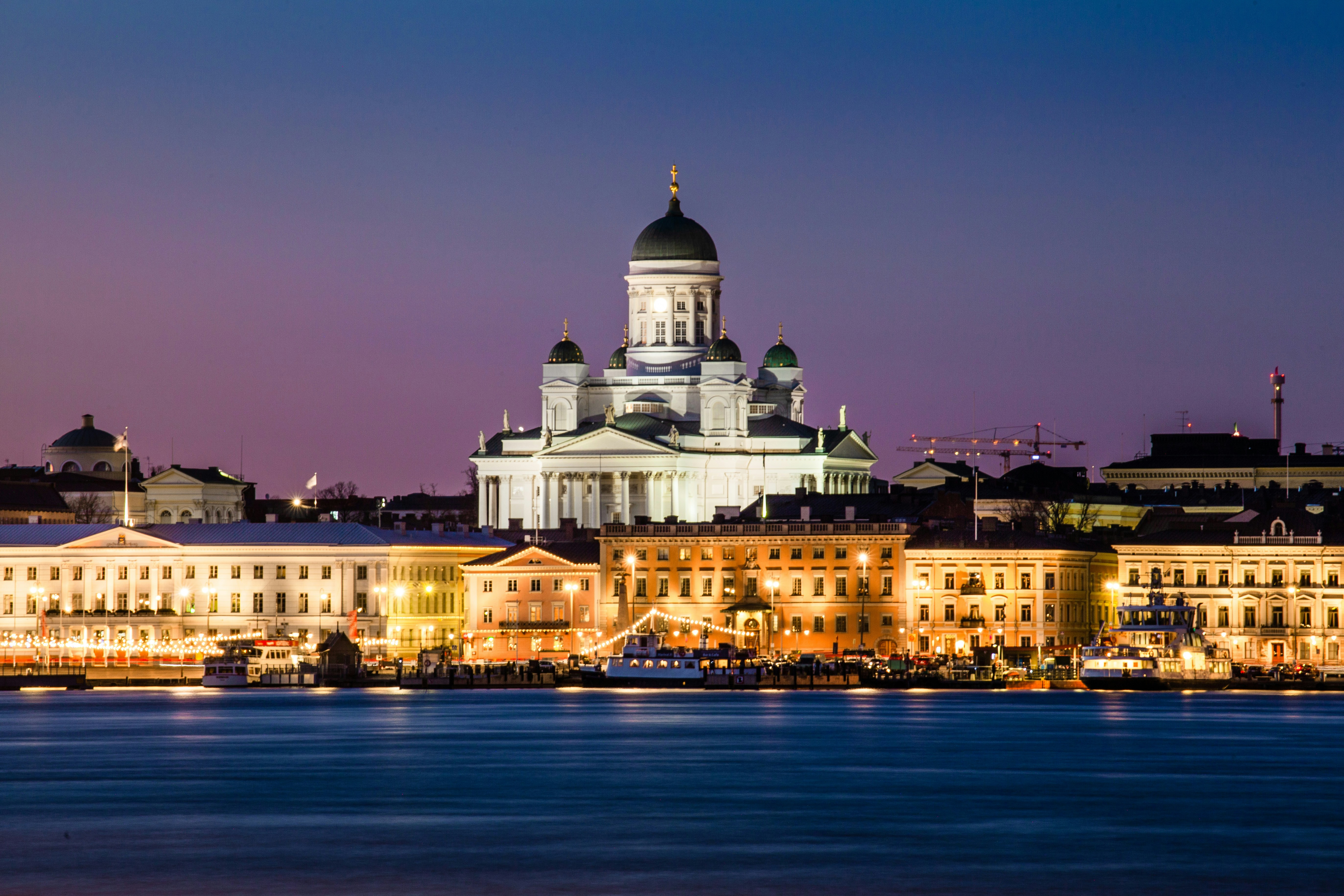
Finland in 2026 offers a rare mix of pristine nature, forward-thinking cities, and reliable infrastructure, making it perfect for first-time Europe travellers and seasoned explorers alike. You get midnight sun, northern lights, world-class saunas, and calm, uncrowded experiences compared with neighbours like Sweden or Norway.
Finland stands out for its balance: Helsinki and Turku deliver architecture, Nordic cuisine, and café culture; Lapland brings snow, reindeer, and aurora; the Lakeland region offers endless summer cabins and lakeside saunas. As of 2026, public transport networks, digital payments, and mobile connectivity are strong, so it’s easy to move around even if you don’t speak Finnish.
If you’re coming from busy favourites like Japan or Thailand, you’ll notice the pace is slower and the air literally feels cleaner. Finland consistently ranks high in happiness and safety indexes, which shows in everyday travel: efficient trains, minimal hassle, and locals who may seem reserved but are usually helpful once you ask.
To understand how much you’ll spend, start with the Finland Travel Budget Guide: Daily Costs and Money Tips. For safety and health standards, the Finland Safety Guide: Tips for a Safe Trip explains emergency numbers, common scams (few, but worth knowing), and insurance tips.
Use this pillar as your high-level map: then decide whether you’re a city-hopper, nature lover, or winter wonder seeker and pick the right itinerary from 3 Days in Finland: A Day-by-Day Itinerary, Finland in 5 Days: The Perfect Extended Itinerary, or Finland in 10 Days: The Ultimate Travel Itinerary.
Best Time to Visit Finland
The best time to visit Finland in 2026 depends on whether you want midnight sun, northern lights, or mild city sightseeing. Summer (June–August) shines for lakes and cabins, while winter (December–March) is ideal for snow and aurora; shoulder seasons offer lower prices and fewer crowds.
At a glance, think of Finland’s year like this:
- Winter (Dec–Mar): Deep snow in Lapland, ski resorts open, best for northern lights and Christmas trips.
- Spring (Apr–May): Melting snow, quieter cities, cheaper flights and accommodation, still some late aurora in the far north.
- Summer (Jun–Aug): Warm temperatures, festivals, midnight sun especially above the Arctic Circle, perfect for hiking and lake stays.
- Autumn (Sep–Nov): Autumn colours, lower prices, northern lights return as nights get longer.
Here’s a simple decision table for 2026 trip planning:
| Travel goal | Best months (approx.) | Notes |
|---|---|---|
| Northern lights & snow | December–March | Head to Lapland; book early for Christmas/New Year. |
| Midnight sun & lakes | Late May–July | 24h daylight in northern Finland; warm but not hot. |
| City breaks (Helsinki) | May–September | Long days, outdoor cafes, easy walking. |
| Lowest prices | October–November, March | Fewer tourists, good for budget-conscious travellers. |
For detailed seasonal pros and cons plus example activities, read the itineraries: 3 Days in Finland: A Day-by-Day Itinerary, Finland in 5 Days: The Perfect Extended Itinerary, and Finland in 10 Days: The Ultimate Travel Itinerary. Use them alongside your flight dates to choose whether you’re designing a winter wonderland trip or a sun-drenched lakeside escape.
Finland Budget Overview: How Much to Plan for 2026
Finland is a mid- to high-cost destination by global standards, but with smart planning you can keep daily costs manageable in 2026. Budget travellers can get by from around €70–€100 per day, mid-range travellers around €120–€180, and luxury stays easily exceed €250 per person.
Because Finland uses the euro, prices will feel similar to other Nordic-lite destinations but lower than ultra-expensive spots like Iceland or Switzerland. As of 2026, card payments and contactless are the norm, and cash is increasingly optional in major cities.
Here’s a simple budget comparison table for typical daily spend (per person, excluding flights):
| Travel style | Approx. daily budget (2026) | What this usually includes |
|---|---|---|
| Budget | €70–€100 | Hostel bed or budget hotel, self-catered breakfast, simple lunches, occasional restaurant, public transport, free/low-cost sights. |
| Mid-range | €120–€180 | Comfortable hotel, daily restaurant meals, inter-city trains, saunas, a few paid activities. |
| Luxury | €250+ | Boutique or 5-star stays, fine dining, private tours, premium Lapland experiences (glass igloos, husky safaris). |
For a detailed breakdown of accommodation, food, transport, and activity costs, use the Finland Travel Budget Guide: Daily Costs and Money Tips. Combine that with the Finland Currency & Money Guide: Exchange, Cards, and Tips to understand exchange options, ATM fees, and how far your daily budget will go.
If you’re travelling with friends, the Hello app’s expense splitting and budget tracking can be especially useful: log shared costs (cabins, rental cars, restaurant bills), keep live totals in euros, and avoid awkward end-of-trip math. This is particularly helpful on Lapland or cabin-heavy trips where costs are shared across several people.
Visa & Entry Requirements (with a Focus on Singapore Travellers)
As of 2026, Finland is part of the Schengen Area, so entry rules depend on your passport and purpose of travel. Many nationalities get short stays visa-free; others need a Schengen tourist visa before arrival, with requirements for proof of funds, accommodation, insurance, and return tickets.
For Singapore passport holders, the cluster article Finland Visa & Entry Requirements for Singapore Passport Holders gives the most up-to-date country-specific information on stay length, entry conditions, and what documents to carry at immigration. Even if you’re not from Singapore, it’s a good example of the type of checks and paperwork you should expect.
In general for 2026:
- Schengen rules: Short-term stays are usually capped at 90 days within any 180-day period.
- Passport validity: Aim for at least 6 months’ validity beyond your trip, even if the legal minimum is shorter.
- Travel insurance: Strongly recommended and sometimes required for visa applications, especially for medical coverage.
- Customs: Alcohol, tobacco, and food imports have limits; declare large amounts of cash and restricted items.
If you’re combining Finland with other Schengen countries (say Germany or France), your visa typically covers the entire zone, but you must enter on the country specified in your visa if required by your application.
Before booking, read the Finland Safety Guide: Tips for a Safe Trip for insurance and health advice, and check your local Finnish embassy or consulate website for the newest visa updates for 2026, especially if rules have changed recently.
Getting Around Finland: Cities, Trains, and Lapland
Getting around Finland in 2026 is straightforward thanks to reliable public transport, modern rail networks, and well-maintained roads. In cities like Helsinki, trams, buses, and metro lines cover most areas; inter-city trains connect major hubs; domestic flights and long-distance buses reach Lapland and remote regions.
Within Helsinki and other big cities, you’ll mostly rely on:
- Trams and metro for everyday sightseeing.
- Buses to reach suburbs, attractions, or the airport.
- Contactless payments and apps for tickets, with clear English signage.
For inter-city travel (Helsinki–Tampere, Turku, Oulu, Rovaniemi), trains and long-distance buses are the backbone of the network. Booking in advance usually offers lower fares, especially on popular routes.
Lapland and rural areas may require a mix of domestic flights, regional buses, and potentially car rental if you’re chasing cabins or lesser-known nature spots. In winter, roads are cleared regularly, but driving in snow and icy conditions demands experience.
The cluster article Getting Around Finland: Transport Guide for Travellers goes deep on airport transfers, ticket types, ride-hailing apps, and driving tips. Use it alongside itineraries like Finland in 10 Days: The Ultimate Travel Itinerary to match routes with transport options.
For budget planning, pair the transport guide with Finland Travel Budget Guide: Daily Costs and Money Tips, which shows how much typical journeys cost in 2026 and when it’s worth paying extra for faster trains or flexible tickets.
Food & Dining in Finland: What to Eat and What It Costs
Finnish food in 2026 is a mix of hearty traditional dishes, clean flavours, and a growing modern Nordic scene. Expect salmon, rye bread, root vegetables, berries, game meats, and lots of coffee. Dining can be pricey, but bakeries, lunch buffets, and supermarket meals keep costs reasonable.
Typical must-try items include:
- Karjalanpiirakka (Karelian pies): rye-crust pastries with rice porridge, often with egg butter.
- Lohikeitto: creamy salmon soup, perfect for cold days.
- Korvapuusti: cinnamon buns enjoyed with strong coffee.
- Rye bread and local cheeses.
Vegetarians and vegans have increasingly good options in Helsinki and other cities, and gluten-free products are widely available. Tap water is safe to drink nationwide.
Here’s a rough 2026 price snapshot per person:
| Meal type | Typical price range | Example |
|---|---|---|
| Bakery breakfast | €4–€8 | Coffee + pastry or sandwich. |
| Café lunch | €10–€15 | Soup or salad + bread, sometimes buffet. |
| Casual dinner | €18–€30 | Main dish in a mid-range restaurant. |
| Tasting menu | €60+ | Modern Nordic or fine-dining experience. |
The Finland Food Guide: Must-Try Dishes, Prices, and Tips dives into regional specialties, street food, and dietary notes. Combine it with the Finland Travel Budget Guide: Daily Costs and Money Tips to understand how many restaurant meals vs. supermarket picnics to plan each day.
Remember that drinking alcohol in bars and restaurants will quickly increase your budget, so if you’re cost-conscious, treat drinks as a planned extra rather than a surprise expense.
Top Experiences and Suggested Itineraries
Finland’s top experiences in 2026 cluster into three travel styles: city & culture, lakes & cabins, and snow & northern lights. Your ideal trip length (3, 5, or 10 days) depends on how many of these you want to combine and how far you’re willing to travel within the country.
Signature experiences include:
- Helsinki & nearby: Design District, Suomenlinna sea fortress, saunas, and coastal walks.
- Lapland: aurora viewing, husky and reindeer safaris, snowshoeing, glass igloos.
- Lakeland: cabin stays, kayaking, swimming, and lakeside saunas.
Here’s a simple itinerary decision guide:
- 3 days: Focus on Helsinki and perhaps a day trip (Porvoo, Nuuksio National Park). Use 3 Days in Finland: A Day-by-Day Itinerary.
- 5 days: Mix Helsinki with either a short Lapland or Lakeland side trip. See Finland in 5 Days: The Perfect Extended Itinerary.
- 10 days: Combine Helsinki, Lakeland, and Lapland for a complete experience. Follow Finland in 10 Days: The Ultimate Travel Itinerary.
At a glance, if you love city breaks and art, keep your base around Helsinki and Turku. If you’re craving silence, forests, and saunas, prioritise Lakeland and cabins. If your dream is snow and aurora, build around Rovaniemi or further north.
Layer these itineraries with the Finland Cultural Guide: Etiquette, Customs, and Tips to ensure you understand local norms, and use the transport guide Getting Around Finland: Transport Guide for Travellers to see how realistic your routes are in terms of time and budget.
3 Days in Finland: A Day-by-Day Itinerary
ItinerariesFinland in 5 Days: The Perfect Extended Itinerary
ItinerariesFinland in 10 Days: The Ultimate Travel Itinerary
Cultural GuideFinland Cultural Guide: Etiquette, Customs, and Tips
Getting AroundGetting Around Finland: Transport Guide for Travellers
Staying Connected: Hello eSIM in Finland
In 2026, the easiest way to stay online in Finland is with Hello eSIM, which gives instant data access without hunting for local SIM cards. You can land in Helsinki, connect to local networks within minutes, and manage your data directly from the Hello app.
Hello eSIM for Finland is especially useful because:
- You avoid physical SIM swaps and keep your main number active.
- Plans are designed for travellers, so you can choose short trips (3–5 days) or longer stays (10+ days).
- Coverage typically extends across major cities and popular tourist regions, including Lapland.
If you’re hopping between multiple countries in Europe, Hello eSIM supports over 200 destinations, making it easy to stay connected as you move from Finland to places like Sweden or Estonia without juggling different providers.
The cluster article eSIM for Finland: Best Plans, Coverage, and Setup Tips walks you through plan choices, how to install Hello eSIM on iOS and Android, and what to check before departure (device compatibility, data needs, and roaming options).
Hello also includes trip planning and expense splitting tools, so your group can share itineraries, track costs, and split bills during the trip. Use this alongside the Finland Travel Budget Guide: Daily Costs and Money Tips and Finland Currency & Money Guide: Exchange, Cards, and Tips to keep your data spending aligned with your overall budget.
If you need occasional calls, many travellers rely on data plus VoIP (app-based calling) rather than traditional roaming, which helps keep costs predictable.
Safety, Health, and Cultural Etiquette
Finland is one of Europe’s safer countries to visit in 2026, with low violent crime rates, clean tap water, and high-quality healthcare. Most travellers experience only minor issues like slippery winter pavements or occasional petty theft in busy areas.
The Finland Safety Guide: Tips for a Safe Trip covers emergency numbers, typical scams (few but worth noting), and how to prepare insurance-wise. Highlight recommendations include:
- Carry travel insurance that covers winter sports if you plan to ski or snowboard.
- Dress properly for winter conditions: layers, waterproof outerwear, and good footwear.
- Use common-sense precautions in cities (watch bags, avoid leaving valuables unattended).
Culturally, Finland values privacy, punctuality, and understated behaviour. The Finland Cultural Guide: Etiquette, Customs, and Tips explains:
- Sauna etiquette: what to expect, whether nudity is normal, and how to behave.
- Greeting customs: handshakes, first names vs. surnames, and small talk norms.
- Noise and queueing: Finns generally prefer quiet public spaces and orderly lines.
As a visitor, being on time for tours and reservations, respecting personal space, and keeping voices moderate goes a long way. English is widely spoken in urban areas, but learning a few Finnish phrases is appreciated.
For health, note that winters are dark and cold, so pay attention to daylight exposure and warm clothing. In summer, mosquitoes can be annoying in forest and lake regions; repellent and long sleeves help. Tap water is safe, and food hygiene standards are high across the country.
Money, Payments, and Practical Transport Costs
Finland uses the euro (EUR), and as of 2026 digital payments dominate daily life. You can comfortably rely on cards and mobile wallets for almost all transactions, from metro tickets and café coffees to museum entries and supermarket shops.
The Finland Currency & Money Guide: Exchange, Cards, and Tips explains how to handle currency exchange, ATM withdrawals, tipping norms (minimal), and how to avoid unnecessary fees. A few quick principles:
- Use ATMs from major banks for better rates and fewer hidden charges.
- Decline “dynamic currency conversion” when asked, and pay in euros instead.
- Carry a little cash for rural areas or small saunas, but don’t overdo it.
Practical transport costs in 2026 typically fall into a mid-range bracket: city tickets (trams, buses, metro) are a few euros per ride; day passes and tourist cards offer better value if you’re hopping around a lot. Inter-city trains vary by route and advance booking, while domestic flights to Lapland cost more but save considerable time.
To plan how these costs fit into your daily spend, use Finland Travel Budget Guide: Daily Costs and Money Tips, which provides sample budgets including transport.
If you’re using Hello eSIM, consider how much city navigation, ride-hailing, and ticket apps depend on connectivity; a stable data plan makes it easier to compare routes, check real-time schedules, and avoid ticket kiosks entirely. Combine digital payments and mobile tickets to make your trip essentially cashless if that suits your style.
Before You Go: Checklist for Your Finland Trip
A solid pre-departure checklist makes Finland travel in 2026 smoother and less stressful. Think of it as covering four pillars: documents, money, connectivity, and packing. Tick these off and you’ll arrive ready for both city days and snowy nights.
Key items to prepare:
- Documents & visas: Check if you need a Schengen visa; confirm passport validity (ideally 6+ months). For Singapore citizens, see Finland Visa & Entry Requirements for Singapore Passport Holders.
- Insurance & safety: Buy travel insurance (including winter sports if relevant); read Finland Safety Guide: Tips for a Safe Trip for emergency numbers and local healthcare notes.
- Budget & payments: Decide your daily budget and travel style using Finland Travel Budget Guide: Daily Costs and Money Tips, then set up cards and ATMs with help from Finland Currency & Money Guide: Exchange, Cards, and Tips.
- Connectivity: Install Hello app and purchase your Hello eSIM plan from home; refer to eSIM for Finland: Best Plans, Coverage, and Setup Tips to confirm your phone is compatible.
- Packing: For winter, pack warm layers, waterproof boots, and good gloves; for summer, bring light clothing plus a warm layer for evenings and mosquito repellent for lakes.
Finally, sketch your route with one of the itineraries: 3 Days in Finland: A Day-by-Day Itinerary, Finland in 5 Days: The Perfect Extended Itinerary, or Finland in 10 Days: The Ultimate Travel Itinerary, and save all bookings and tickets in your Hello app or cloud storage for easy access on the road.
Finland Visa & Entry Requirements for Singapore Passport Holders
Safety & HealthFinland Safety Guide: Tips for a Safe Trip
Budget PlanningFinland Travel Budget Guide: Daily Costs and Money Tips
Currency & MoneyFinland Currency & Money Guide: Exchange, Cards, and Tips
eSIM & ConnectivityeSIM for Finland: Best Plans, Coverage, and Setup Tips
Itineraries3 Days in Finland: A Day-by-Day Itinerary
ItinerariesFinland in 5 Days: The Perfect Extended Itinerary
ItinerariesFinland in 10 Days: The Ultimate Travel Itinerary
Frequently Asked Questions
Is Finland expensive to visit in 2026?
Finland is moderately expensive compared with many European countries but generally cheaper than ultra-high-cost destinations like Iceland or Switzerland. As of 2026, budget travellers can often manage around €70–€100 per day, mid-range travellers €120–€180, and luxury trips €250+ per person excluding flights. Use the Finland Travel Budget Guide: Daily Costs and Money Tips for detailed breakdowns.
Do I need a visa to visit Finland?
Finland is part of the Schengen Area, so visa requirements depend on your passport. Many travellers can stay up to 90 days within a 180-day period visa-free, while others need a Schengen tourist visa obtained before travel. Singapore citizens, for example, should follow the rules outlined in Finland Visa & Entry Requirements for Singapore Passport Holders and always check for updated regulations before booking.
When is the best time to see the northern lights or midnight sun?
For northern lights, target dark, cold months in Lapland, roughly between late autumn and early spring (often October–March). For midnight sun, plan trips above the Arctic Circle between late May and July, when the sun barely sets. Use Finland in 5 Days: The Perfect Extended Itinerary and Finland in 10 Days: The Ultimate Travel Itinerary as templates for aurora or midnight sun-focused trips.
Is Finland safe for solo travellers and families?
Yes, Finland is considered very safe for both solo travellers and families, with low violent crime rates, reliable public transport, and high hygiene standards. Common-sense precautions still apply, especially in busy city areas and slippery winter conditions. The Finland Safety Guide: Tips for a Safe Trip covers emergency contacts, scams, and health tips so you can plan with confidence.
How can I stay connected in Finland without buying a local SIM card?
In 2026, the most convenient option is Hello eSIM, which lets you activate data plans for Finland directly on your phone without physical SIM cards. You purchase and install the plan through the Hello app, enjoy coverage across major regions, and use data for maps, messaging, and ticket apps. Learn how to set it up in eSIM for Finland: Best Plans, Coverage, and Setup Tips.
Do people speak English in Finland?
Yes, English is widely spoken in Finnish cities, tourist areas, and among younger generations, so most travellers can get by without speaking Finnish. However, learning a few basic phrases is appreciated and can help in rural areas. For cultural norms and useful expressions, read the Finland Cultural Guide: Etiquette, Customs, and Tips.
What should I pack for a winter or summer trip to Finland?
For winter (roughly December–March), pack thermal layers, a warm insulated jacket, waterproof boots, gloves, a hat, and scarves to handle sub-zero temperatures and snow. For summer (June–August), bring light clothing, a warm layer for evenings, comfortable walking shoes, and mosquito repellent for lakes and forests. The Finland Safety Guide: Tips for a Safe Trip and itineraries help you match packing lists to specific activities.
eSIM Plans for Finland
Detailed Articles
Dive deeper into specific topics covered in this guide.
Finland Travel Budget Guide: Daily Costs and Money Tips
How much does it cost to travel in Finland? Daily budget breakdowns for budget, mid-range, and luxury travellers.
24 February 2026
Finland Safety Guide: Tips for a Safe Trip
Safety tips, health advisories, emergency contacts, common scams, and travel insurance advice for Finland.
17 July 2026
3 Days in Finland: A Day-by-Day Itinerary
A detailed 3-day itinerary for Finland with daily activities, costs, neighborhoods, and transport tips.
10 June 2026
Finland in 5 Days: The Perfect Extended Itinerary
A detailed 5-day itinerary for Finland with daily activities, costs, neighborhoods, and transport tips for an extended stay.
5 May 2026
Finland in 10 Days: The Ultimate Travel Itinerary
A comprehensive 10-day itinerary for Finland covering top attractions, hidden gems, daily costs, and transport between cities.
19 June 2026
Finland Currency & Money Guide: Exchange, Cards, and Tips
Currency exchange, credit card acceptance, ATM tips, tipping culture, and money-saving advice for Finland.
26 July 2026
Finland Visa & Entry Requirements for Singapore Passport Holders
Visa requirements, passport validity, customs allowances, and entry tips for Singapore citizens travelling to Finland.
8 July 2026
Getting Around Finland: Transport Guide for Travellers
Airport transfers, public transport, ride-hailing apps, inter-city travel, and driving tips for Finland.
24 May 2026
More Travel Guides
Destination Guide
Complete Bosnia and Herzegovina Travel Guide 2026
Everything you need to know about travelling to Bosnia and Herzegovina — budget, visa, food, transport, eSIM connectivity, and itineraries.
Destination Guide
Complete Bahamas Travel Guide 2026
Everything you need to know about travelling to Bahamas — budget, visa, food, transport, eSIM connectivity, and itineraries.
Destination Guide
Complete Bahrain Travel Guide 2026
Everything you need to know about travelling to Bahrain — budget, visa, food, transport, eSIM connectivity, and itineraries.
Destination Guide
Complete Sint Eustatius Travel Guide 2026
Everything you need to know about travelling to Sint Eustatius — budget, visa, food, transport, eSIM connectivity, and itineraries.