Finland Travel Budget Guide: Daily Costs and Money Tips
How much does it cost to travel in Finland? Daily budget breakdowns for budget, mid-range, and luxury travellers.
By Hello Travel Team
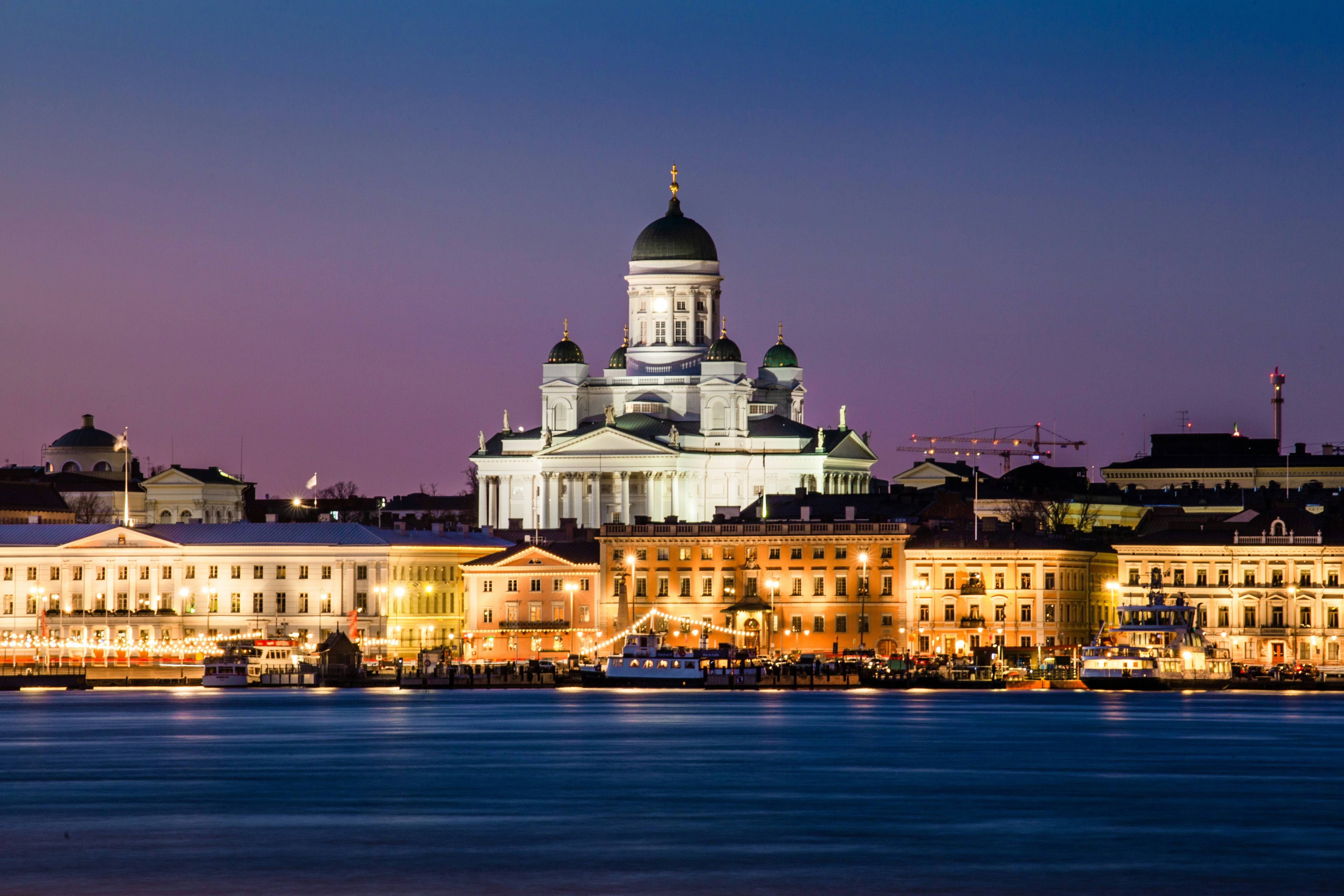
Finland Travel Budget Guide: Daily Costs at a Glance
A realistic Finland travel budget is €55–€90 per person per day for budget travel, €120–€220 for a comfortable mid-range trip, and €300 or more for luxury, excluding international flights. Finland is relatively expensive, but travellers can control costs by using supermarkets, public transport, free outdoor attractions, and accommodation outside peak summer and Christmas periods.
For a seven-day trip, expect to spend approximately €385–€630 on a budget, €840–€1,540 at mid-range, or €2,100-plus for luxury travel. These estimates include accommodation, meals, local transport, and modest sightseeing, but not flights, travel insurance, extensive shopping, or major Lapland excursions.
Statistics Finland reported an average hotel-room price of €125.33 in 2026, a useful benchmark for planning accommodation. Prices rise sharply in Helsinki during summer and in Rovaniemi around the Northern Lights and Christmas seasons. Finland uses the euro, and cards are accepted almost everywhere, including small cafés and transport ticket machines.
A quick daily comparison:
| Travel style | Accommodation | Food | Transport and activities | Total per day |
|---|---|---|---|---|
| Budget | €25–€55 | €15–€25 | €15–€30 | €55–€90 |
| Mid-range | €75–€140 | €30–€55 | €20–€45 | €120–€220 |
| Luxury | €180–€400+ | €70–€150+ | €50–€150+ | €300–€700+ |
Use these figures as planning ranges rather than fixed prices: winter availability, city, exchange rates, and advance booking can significantly change the final Finland travel cost.
Finland Daily Expenses for Budget Travellers
Budget travellers can explore Finland for about €55–€90 per day by staying in hostels, preparing some meals, relying on public transport, and prioritising free nature-based experiences. This is the most practical answer to how much a Finland trip costs for backpackers and independent travellers who are comfortable making a few compromises.
A typical day might include €30–€45 for a hostel dorm or simple guesthouse, €15–€25 for groceries and inexpensive meals, and €5–€15 for transport. Supermarket breakfasts, picnic lunches, and self-catered dinners are especially useful in Helsinki, where restaurant prices can quickly consume a daily budget. A takeaway kebab, soup, or lunch buffet may cost around €10–€16, while a basic restaurant meal commonly starts near €15–€25.
Free or low-cost activities include walking Helsinki’s Design District, visiting Market Square, exploring Suomenlinna’s outdoor areas, hiking in Nuuksio National Park, and enjoying public saunas or swimming spots where available. The Suomenlinna ferry is part of Helsinki’s public transport system, so a valid HSL ticket can cover the journey.
To reduce Finland daily expenses, travel with a reusable water bottle, book hostels early, shop at supermarkets rather than convenience stores, and choose overnight trains or buses carefully when they replace a hotel night. Northern destinations usually require a higher daily allowance than Helsinki because accommodation and excursions are more seasonal.
Mid-Range Finland Travel Cost for Couples and Families
A comfortable mid-range Finland budget is typically €120–€220 per person per day, covering a private hotel or apartment, restaurant meals, regional transport, and several paid attractions. Couples sharing a room can often reduce the per-person cost, while families may save through apartment kitchens and child-friendly accommodation.
A mid-range traveller might spend €75–€140 per night on a private double room, €30–€55 daily on food, and €20–€45 on transport and sightseeing. In Helsinki, a sit-down lunch may cost about €15–€25, while dinner at a casual restaurant can reach €25–€40 per person before drinks. Coffee and a pastry generally add another €5–€9, making café stops a noticeable part of a longer itinerary.
Transport costs depend on the route. Helsinki is easy to navigate by tram, metro, bus, train, and ferry. For a multi-city itinerary, compare advance rail tickets with long-distance buses and domestic flights. A route such as Helsinki–Tampere–Turku can be reasonably affordable when booked ahead, whereas adding Lapland requires more planning and often a larger transport allowance.
A seven-day mid-range itinerary combining Helsinki, a second southern city, and a short Lapland stay may cost €1,000–€1,600 per person before flights. Build in extra money for Finland’s signature experiences: a sauna session, a guided wildlife tour, a museum visit, or a boat excursion. These activities often make the trip memorable but are easy to overlook when calculating the initial Finland travel cost.
Luxury Finland Budget: Hotels, Dining, and Lapland Experiences
Luxury travel in Finland generally starts at €300 per person per day and can exceed €700 when it includes premium hotels, private transfers, fine dining, and Arctic excursions. Lapland is the biggest source of price variation, particularly in Rovaniemi, Levi, Saariselkä, and glass-igloo destinations during December through March.
Upscale accommodation may cost €180–€400 or more per night, with design hotels in Helsinki and Arctic resorts commanding higher rates during peak dates. Fine-dining meals can cost €70–€150 per person, while cocktails, wine pairings, and hotel breakfasts add further expense. Private airport transfers, chauffeured excursions, and domestic flights can easily add €50–€200 per day.
Popular winter activities include husky safaris, reindeer rides, snowmobile tours, cross-country skiing lessons, and Northern Lights excursions. Prices vary by duration and group size, but a guided Arctic activity commonly costs €80–€200 per person, with private or premium versions costing more. Northern Lights sightings are never guaranteed, so avoid paying a premium for claims of certainty.
For the best value, consider travelling in January, March, or early April rather than the Christmas and New Year period. Summer luxury travel can also be expensive around major festivals and popular national parks, but it offers long daylight hours and abundant free outdoor activities. Reserve high-demand Lapland accommodation and excursions months in advance, then keep a separate contingency fund for weather-related changes.
How to Save Money on Food, Transport, and Attractions in Finland
The easiest way to lower Finland daily expenses is to combine supermarket meals with public transport and free outdoor attractions, while booking hotels and intercity travel well before arrival. Small decisions matter because Finland’s cafés, alcohol, taxis, and restaurant add-ons can quickly push a daily budget higher.
Practical savings include:
- Buy breakfast and picnic supplies from supermarkets such as S-Market, K-Market, or Lidl; hotel breakfasts can cost €15–€25 per person.
- Look for weekday lunch buffets, often priced around €12–€18, instead of ordering à la carte at dinner.
- Use Helsinki’s HSL tickets for trams, buses, metro, commuter trains, and Suomenlinna ferry connections where the ticket zone permits.
- Walk between central Helsinki attractions, and use trains or buses instead of taxis for longer journeys.
- Compare city cards only after listing the attractions you will actually visit; a pass is valuable when it includes several paid museums or transport journeys.
- Carry a refillable bottle and avoid buying drinks at every stop.
- Book accommodation with a kitchen, especially for stays longer than three nights.
- Check sauna etiquette: shower before entering, follow local signs, and ask before taking photographs.
Finland’s nature is a major budget advantage. Forest trails, lakeshores, viewpoints, public parks, and many national-park walks are free, although transport, equipment rental, parking, or a guide may still cost money. The country’s tourism industry generated €16.7 billion in tourism expenditure in 2025, according to Visit Finland, illustrating the scale and variety of travel services available.
Money, Connectivity, and Expense-Tracking Tips for Finland
Cards are the simplest payment method in Finland, but a multi-currency budget and reliable mobile data make it easier to monitor spending, navigate transport, and avoid unexpected charges. Keep a small emergency reserve, check your bank’s foreign transaction policy, and record expenses in euros even if your home currency is different.
Finland is highly card-friendly, including for contactless payments, but carrying a small amount of cash is sensible for occasional market stalls, lockers, or remote services. Tipping is not compulsory: round up or leave around 5–10% for excellent restaurant service, but do not feel obligated to tip every time. Alcohol is expensive, and prices at bars can significantly affect a night-out budget.
For instant arrival connectivity, travellers can buy Hello eSIM for Finland before departure and activate it for data on arrival. Hello offers eSIM plans in more than 200 countries, with plans starting from 5GB and prices updated live. Data is useful for HSL route planning, train tickets, hiking maps, translation, and checking Northern Lights forecasts without relying on airport Wi-Fi.
The Hello app also supports AI receipt scanning in different languages and currencies, voice expense entry, CSV or PDF bank-statement imports, automatic exchange rates, AI categorisation, and expense splitting. Friends sharing a cabin, rental car, groceries, or a sauna booking can divide costs in multiple currencies without calculating conversions manually. Set a daily spending target before leaving Helsinki, then review it each evening.
Common Questions About Finland Trip Cost
Most travellers should budget €55–€90 per day for a basic Finland trip, €120–€220 for mid-range travel, or €300-plus for luxury; Helsinki is usually easier to manage than peak-season Lapland. The final amount depends mainly on accommodation, winter excursions, alcohol, intercity transport, and whether meals are self-catered.
Is Finland expensive to visit? Yes, Finland is among Europe’s pricier destinations for hotels, restaurant meals, alcohol, and organised activities. However, supermarkets, public transport, free nature, and self-guided sightseeing make a moderate trip achievable.
How much does a seven-day Finland trip cost? Excluding international flights, a budget traveller may spend €385–€630, a mid-range traveller €840–€1,540, and a luxury traveller €2,100 or more. Add extra for domestic flights, Lapland excursions, travel insurance, shopping, and seasonal accommodation premiums.
Is Helsinki or Lapland more expensive? Lapland is often more expensive during the Northern Lights and Christmas seasons because demand for resorts, glass cabins, guides, and snow activities is high. Helsinki has higher urban dining prices but more free attractions and better public transport.
Do I need cash in Finland? Usually not. Cards and contactless payments are widely accepted, although a small emergency cash reserve remains useful in remote areas and at some market stalls.
How much should I budget for food? Allow €15–€25 daily with supermarket meals and inexpensive lunches, €30–€55 for mid-range dining, or €70–€150-plus for luxury meals and drinks. These figures exclude special tasting menus and premium Arctic dining experiences.
Explore These Destinations
Stay Connected
Track your Finland trip budget
Split expenses with friends, track spending by category, and see real-time currency conversions — all in one app.
Related Articles
Finland Currency & Money Guide: Exchange, Cards, and Tips
Currency exchange, credit card acceptance, ATM tips, tipping culture, and money-saving advice for Finland.
26 July 2026
Finland Safety Guide: Tips for a Safe Trip
Safety tips, health advisories, emergency contacts, common scams, and travel insurance advice for Finland.
17 July 2026
Finland Visa & Entry Requirements for Singapore Passport Holders
Visa requirements, passport validity, customs allowances, and entry tips for Singapore citizens travelling to Finland.
8 July 2026