Finland Safety Guide: Tips for a Safe Trip
Safety tips, health advisories, emergency contacts, common scams, and travel insurance advice for Finland.
By Hello Travel Team
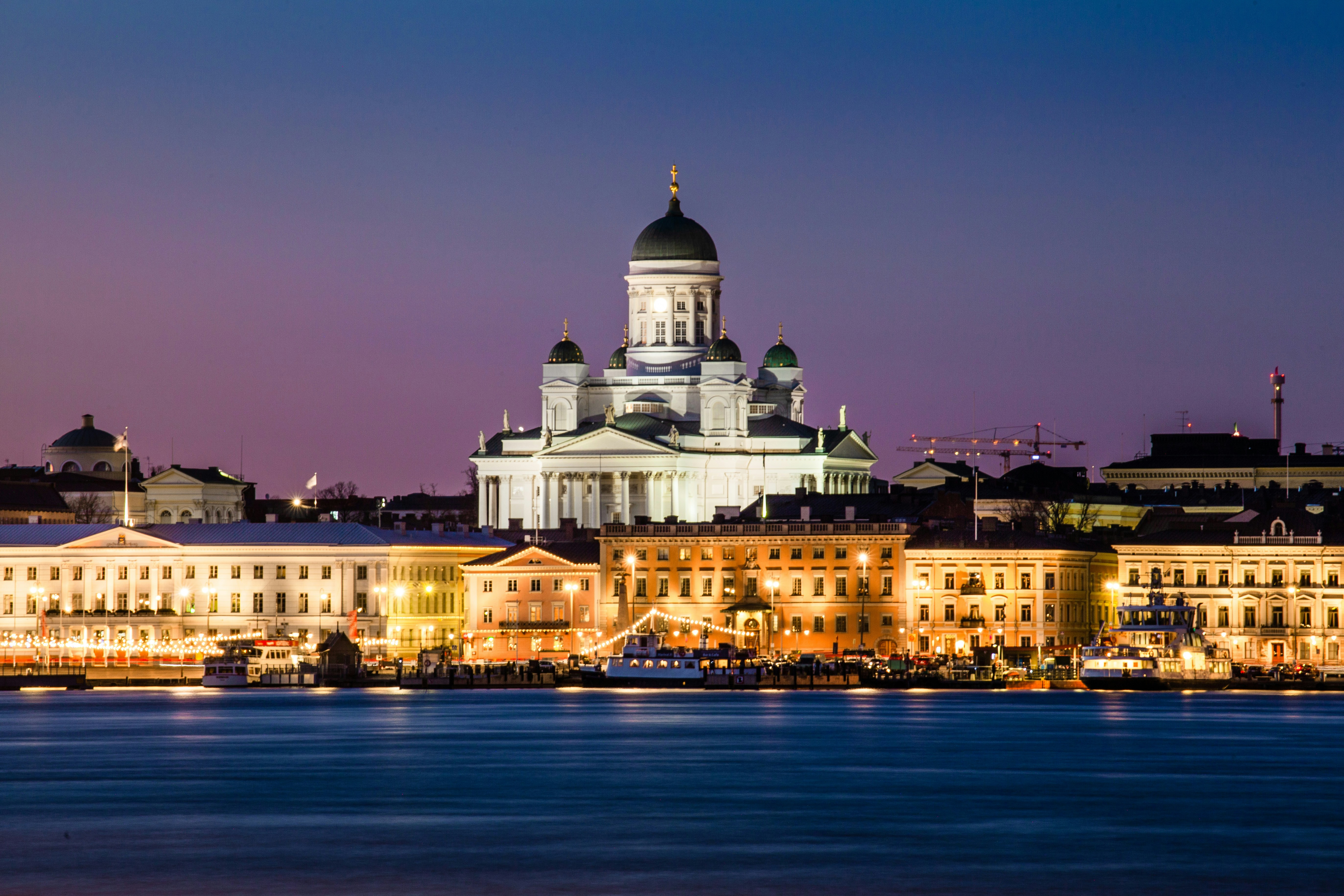
Finland Safety Guide: TL;DR
Finland is generally a very safe destination for tourists, with low levels of violent crime and reliable public services, but visitors should still protect belongings, prepare for winter conditions, and use caution around alcohol-fuelled nightlife. Finland’s single emergency number is 112 for police, ambulance, and fire services; calls are free from any phone. Singapore’s Ministry of Foreign Affairs advises travellers to remain alert because petty theft occurs, icy roads can be hazardous, and terrorist attacks cannot be ruled out. For a smooth trip, keep valuables secure, check weather conditions, obtain comprehensive travel insurance, and prepare your phone with an eSIM from Hello.
Is Finland Safe? Finland Travel Safety for Tourists
Yes—Finland is considered a safe country for most travellers, provided you take normal precautions and respect the climate, roads, and outdoor environment. Helsinki, Tampere, Turku, Rovaniemi, and the Lakeland region are welcoming to visitors, while serious incidents involving tourists are uncommon. The most realistic risks are pickpocketing in busy areas, theft from unattended bags, slips on ice, road accidents, and getting lost or underprepared in remote areas. Singapore’s Ministry of Foreign Affairs notes that petty crime such as pickpocketing and theft does occur and recommends staying aware of your surroundings and avoiding large amounts of cash or conspicuous jewellery. Finland’s authorities also maintain a heightened security posture, so monitor local news around major events and demonstrations without allowing this to overshadow normal travel. In Helsinki, use extra care around Central Railway Station, crowded trams, nightlife districts, ferry terminals, and popular Christmas markets. Keep passports and spare cards in separate places, use hotel safes, and avoid leaving phones on café tables. Finnish society values personal space, orderly queues, quiet public transport, and punctuality; following these norms helps you blend in and avoid unnecessary disputes.
Finland Scams, Theft, and Everyday Precautions
Finland scams are usually opportunistic rather than elaborate, so protecting your phone, wallet, and payment details prevents most problems. Visitors may encounter distraction-based pickpocketing in crowds, overpriced taxi or nightlife bills, fake charity requests, unsolicited help at ATMs, and phishing messages pretending to come from banks, delivery companies, accommodation providers, or government services. Finland uses the euro, and cards are accepted almost everywhere, but retain a small amount of cash for occasional kiosks, lockers, or rural services. Before entering a taxi, check that it is licensed and confirm the fare structure; for restaurants and bars, review prices before ordering and monitor card terminals for the correct amount. Never hand over your passport as security for a rental, tour, or night out unless the business is legitimate and the arrangement is lawful. On trains and ferries, keep bags zipped and within sight. If a card or phone is stolen, freeze accounts immediately, change important passwords, and report theft to police for an insurance claim. Use a password manager, activate two-factor authentication, and avoid banking over unsecured public Wi-Fi. Hello’s travel app can also help track spending across currencies, making unusual charges easier to spot during a busy itinerary.
Finland Emergency Numbers and Singapore Consular Help
In any urgent situation in Finland, call 112 immediately; the same number dispatches police, ambulance, or fire and rescue services. Finland’s Emergency Response Centre operates around the clock, and 112 calls are free from all phones without an area code—even when using a foreign mobile subscription. Give your exact location, explain what happened, and follow the operator’s instructions; in remote Lapland, identify the nearest road, trail marker, hut, ski resort, or GPS location. The official 112 Suomi app can provide safety information and may transmit your location, but it should not replace calling 112 in a life-threatening emergency. For non-urgent police advice, Finnish police customer service is available at +358 295 419 800 on weekdays during published service hours. Singapore citizens needing consular assistance should contact Singapore’s Ministry of Foreign Affairs Duty Office at +65 6379 8800 or +65 6379 8855. Save these numbers offline and share your itinerary with a trusted person. Carry your insurer’s 24-hour assistance number, passport copy, policy details, and key medical information separately from your original documents.
Finland Health Advisories, Vaccinations, and Water Safety
Most travellers need no special vaccination for Finland, but routine immunisations, travel insurance, and sensible cold-weather precautions are essential. Check that standard vaccinations such as tetanus, diphtheria, pertussis, measles, and influenza are current, and ask a doctor or travel clinic about recommendations based on your health, season, activities, and stopovers. Helsinki’s health guidance recommends arranging travel vaccinations roughly three months before departure when possible; some vaccines are purchased in advance and may involve a fee. Tick-borne encephalitis can be relevant for people spending extended time hiking or camping in forested areas, especially in parts of southern and coastal Finland, so discuss personal risk with a clinician. Use tick checks, long clothing, and repellent. Tap water in Finnish cities is generally safe to drink. In the countryside, confirm that private wells or untreated lake water is potable; do not assume clear-looking natural water is safe. Winter visitors should wear shoes with strong grip, layer clothing, and limit alcohol when outdoors. Summer hikers should prepare for mosquitoes, rapidly changing weather, and long distances between services. Seek prompt care for severe allergic reactions, hypothermia, dehydration, unusual fever, or a suspected tick bite with expanding redness.
Roads, Lakes, Lapland, and Solo Female Traveller Safety
Finland’s main travel hazards are often environmental: icy roads, darkness, cold water, and remoteness rather than violent crime. Singapore’s travel advice warns that driving can be hazardous in icy conditions; winter tyres are required from December through February and whenever roads are icy, and headlights must be used at all times. Reduce speed, leave longer braking distances, and check Finnish weather and road updates before driving north. In Lapland, do not rely on mobile coverage alone: download offline maps, tell someone your route, carry a headlamp and power bank, and use marked trails. Never walk onto frozen lakes or sea ice unless local authorities or experienced guides confirm conditions. Wear a life jacket for boating, kayaking, and snowmobile excursions, and follow operator instructions. Solo women generally find Finland comfortable, including on public transport and in central accommodation areas, but normal precautions still apply: choose well-reviewed lodging, keep drinks in sight, share live plans with someone trusted, and use official taxis after nightlife. Avoid isolated trails after dark and trust your instincts if someone’s behaviour feels intrusive. Hello can provide arrival connectivity through Hello eSIM for Finland, while its trip planning and budget tools can keep transport and activity details accessible when moving between cities.
LGBTQ+ Travel Safety and Travel Insurance for Finland
Finland is broadly welcoming to LGBTQ+ travellers, but the safest approach is still to use ordinary nightlife and personal-security precautions. Helsinki and other larger cities have visible LGBTQ+ communities, venues, and events, while attitudes may be more reserved in rural areas. Public displays of affection are generally unremarkable, but harassment can occur anywhere, particularly around intoxicated crowds. Keep emergency contacts available, use reputable accommodation and transport, and report threats or assault to police through 112 when immediate help is required. Travel insurance should cover medical treatment, emergency evacuation, trip interruption, theft, and activities you actually plan to do—such as skiing, snowmobiling, husky tours, hiking, or boating. Read exclusions carefully: some policies exclude alcohol-related incidents, unattended belongings, pre-existing conditions, or winter sports without an add-on. A practical policy should include sufficient medical expenses, 24-hour assistance, and reimbursement for replacing passports, phones, and essential clothing after baggage delays. Keep receipts, police reports, booking confirmations, and medical records. Finland’s public healthcare is high quality but can still be expensive for visitors without appropriate coverage. Build an emergency buffer into your budget; a simple meal may cost about €15–25 in 2026, while specialist activities and remote transport can cost considerably more.
Common Questions About Finland Travel Safety
Travellers usually have little to worry about in Finland when they prepare for weather, protect valuables, and know how to call for help.
Is Finland safe for solo travellers? Yes. Cities are easy to navigate and public transport is dependable, but use normal precautions at night and prepare carefully for remote outdoor areas.
What are Finland’s emergency numbers? Dial 112 for urgent police, ambulance, fire, rescue, or immediate medical assistance. The number is free and works without an area code.
Are there common Finland scams? The main concerns are opportunistic theft, distraction pickpocketing, inflated nightlife or taxi charges, and phishing messages. Check prices, secure bags, and use official services.
Can I drink tap water in Finland? Municipal tap water is generally safe. Ask before drinking from private wells or untreated natural sources.
Is Finland safe for LGBTQ+ visitors? Generally yes, particularly in Helsinki and other major cities. Use ordinary precautions in nightlife settings and report urgent threats to 112.
Do I need travel insurance for Finland? Strongly recommended. Choose cover for medical care, evacuation, cancellation, theft, and planned winter or outdoor activities.
| Situation | What to do |
|---|---|
| Police, ambulance, or fire | Call 112 |
| Stolen card or phone | Freeze accounts, change passwords, report theft |
| Lost in wilderness | Call 112, provide GPS or trail landmarks |
| Consular emergency for Singapore citizen | Call MFA Duty Office: +65 6379 8800 or +65 6379 8855 |
Explore These Destinations
Stay Connected
Ready for Finland?
eSIM data, expense splitting, budget tracking, and more. Everything you need for a smooth trip in one app.
Related Articles
Finland Currency & Money Guide: Exchange, Cards, and Tips
Currency exchange, credit card acceptance, ATM tips, tipping culture, and money-saving advice for Finland.
26 July 2026
Finland Visa & Entry Requirements for Singapore Passport Holders
Visa requirements, passport validity, customs allowances, and entry tips for Singapore citizens travelling to Finland.
8 July 2026
eSIM for Finland: Best Plans, Coverage, and Setup Tips
Everything you need to know about using eSIM in Finland. Best data plans, network coverage, and setup instructions.
29 June 2026