Key Takeaways
- ✓Kyrgyzstan in 2026 is a safe, affordable, and nature‑rich destination, best visited between June and September for trekking, yurt stays, and mountain adventures.
- ✓Most travellers spend roughly US$25–80 per day depending on comfort level; use the budget and currency guides plus Hello’s tracking tools to plan and manage your spending.
- ✓Visa rules are nationality‑specific, so always confirm entry, passport validity, and customs requirements using the visa cluster guide and your own government’s resources.
- ✓You’ll rely heavily on marshrutkas, shared taxis, and occasional private drivers to get around; self‑driving is possible but requires extra caution on mountain roads.
- ✓Food is hearty and affordable, with classic Central Asian dishes like plov, lagman, and manti; vegetarians can manage with planning, especially in larger cities.
- ✓Hello eSIM provides the simplest way to stay connected, with instant activation and solid coverage in major hubs—backed up by offline maps for remote areas.
- ✓Understanding local etiquette and safety basics through the cultural and safety guides makes village stays, bazaars, and homestays more respectful and rewarding.
- ✓Using Hello as your trip hub—combining itineraries, budgets, eSIM connectivity, and shared expenses—helps you organise a smooth, well‑planned Kyrgyzstan journey.
Kyrgyzstan is one of Central Asia’s most rewarding destinations: a land of soaring mountains, yurt‑studded jailoos (summer pastures), turquoise lakes, and warm, nomadic hospitality. As of 2026, it’s still refreshingly affordable and relatively untouched, making it perfect for travellers seeking nature, culture, and adventure without crowds.
This complete Kyrgyzstan travel guide brings everything together in one place so you can plan confidently: when to go, how much to budget, visa and entry rules, transport, food, safety, and how to stay connected with Hello eSIM. You’ll find high‑level overviews here, plus links to detailed cluster guides for deeper dives into visas, budgets, transport, currency, food, culture, itineraries, and safety.
Use this guide as your planning hub: compare seasons, choose the right itinerary length, understand daily costs, and design a trip that matches your style—whether you’re a backpacker hopping between homestays, a mid‑range traveller mixing boutique guesthouses and guided treks, or a comfort‑seeker wanting private drivers and curated experiences. We’ve included comparison tables, at‑a‑glance checklists, and decision frameworks to help you make smart choices fast.
By the end, you’ll know exactly how to structure a 3, 5, or 10‑day trip, what to eat, how to get around, how much cash to carry, and how to stay safe and connected. Save this guide, follow the links to specialised articles, and let Hello be your travel companion as you discover Kyrgyzstan.
Why Visit Kyrgyzstan in 2026
Kyrgyzstan in 2026 offers a rare mix of dramatic alpine landscapes, intact nomadic traditions, and low travel costs, making it one of the most rewarding countries in Central Asia for hikers, culture‑seekers, and off‑the‑beaten‑path travellers.
At a glance, Kyrgyzstan is about big mountains and simple pleasures: sipping tea in a family yurt, riding horses across flower‑filled valleys, soaking in lake views at Issyk‑Kul, and wandering Soviet‑era boulevards in Bishkek. Compared to more popular destinations like Japan or Thailand, you trade sleek infrastructure for authenticity—homestays instead of hotel chains, marshrutkas (minibuses) instead of high‑speed trains, and endless sky instead of neon.
Daily costs as of 2026 are still very favourable. Most travellers fall into three broad profiles (see full breakdown in the Kyrgyzstan Travel Budget Guide):
| Traveller type | Typical daily budget (2026) |
|---|---|
| Budget backpacker | US$25–40 |
| Mid‑range traveller | US$45–80 |
| Comfort / luxury | US$100+ |
This includes accommodation, food, local transport, and a couple of paid activities.
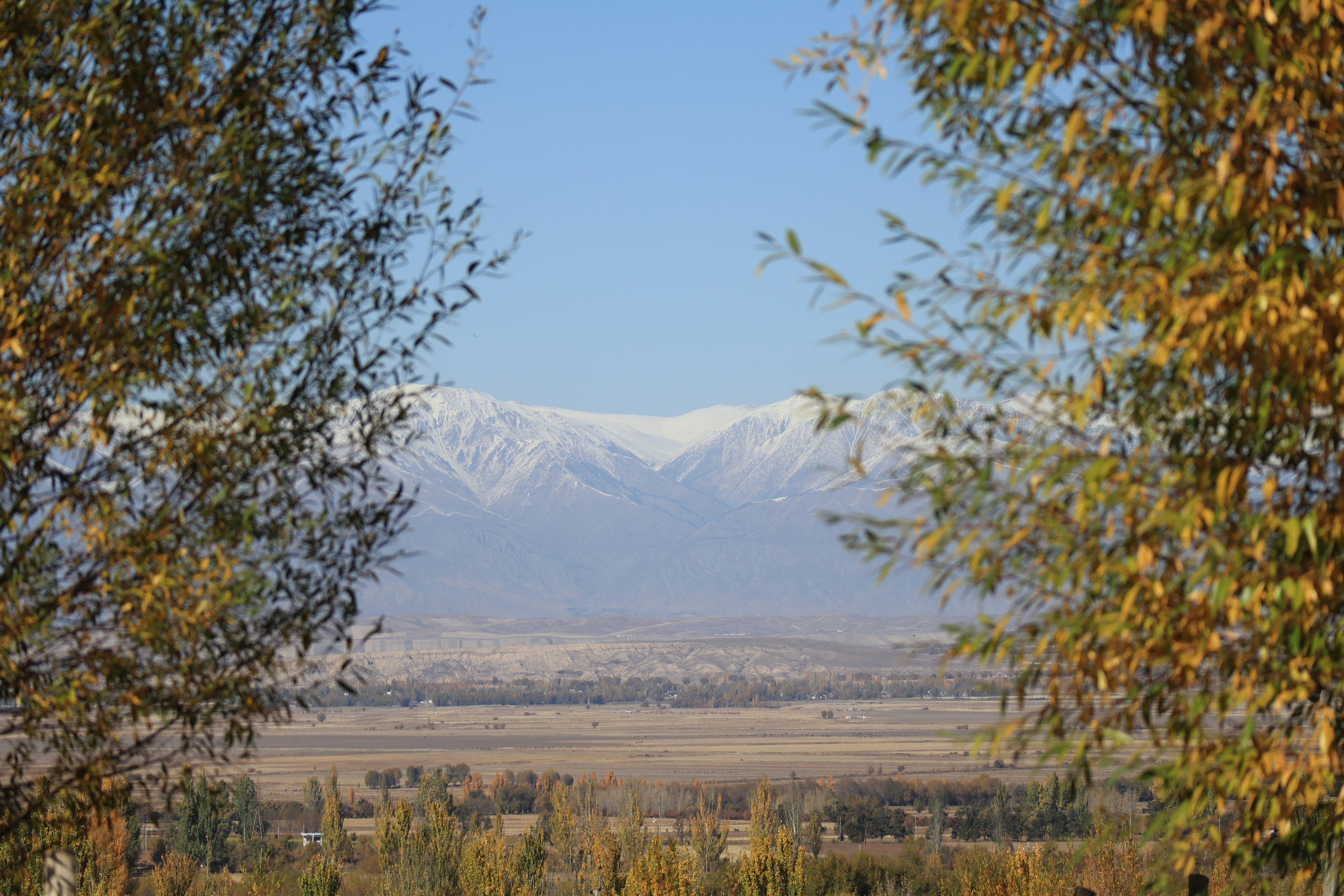
What really sets Kyrgyzstan apart is access to nature. With over 90% of the country covered by mountains, you’re never far from a day hike or multi‑day trek, and many experiences—like staying in a yurt camp—are still run by local families rather than big tour operators.
However, this also means you need to plan a bit more carefully: cash access, weather swings, transport schedules, and connectivity all matter. That’s where this pillar guide and the Hello app come in, linking you to deeper resources like itineraries (3 Days in Kyrgyzstan, 5 Days, 10 Days), budget planning, and safety tips so you can build a trip that fits you.
Best Time to Visit Kyrgyzstan
The best time to visit Kyrgyzstan is between June and September, when mountain passes are open, high‑altitude lakes are accessible, and yurt camps are operating—ideal for trekking, horse riding, and outdoor adventures.
Kyrgyzstan has a continental climate with cold winters and warm, sunny summers. Unlike year‑round destinations like Thailand, your experience here changes dramatically by season, so timing matters.
Here’s a simple season comparison to help you decide:
| Season (2026) | Weather & access | Best for |
|---|---|---|
| Mar–May (spring) | Mild in cities, snow lingering in mountains; some treks still closed | City exploring, low‑altitude hikes |
| Jun–Aug (summer) | Warm–hot in cities; ideal mountain weather; most roads and passes open | Trekking, yurt stays, horse riding |
| Sep–Oct (autumn) | Cooler temps, golden valleys; some high passes begin to close | Photography, mixed city + nature |
| Nov–Feb (winter) | Very cold; mountain access limited; shorter days | Ski touring, cultural stays, budget city trips |
If your main goal is multi‑day trekking or staying in high‑altitude yurt camps (e.g., around Song‑Kul), aim for late June to early September. For a balance of good weather and fewer crowds, early June and late September are excellent.
Shorter itineraries like the 3 Days in Kyrgyzstan and 5 Days in Kyrgyzstan work almost year‑round if you focus on Bishkek, Karakol, and Issyk‑Kul. Longer trips like the 10-Day Kyrgyzstan Itinerary are best enjoyed in peak season when remote valleys and high passes are fully accessible.
Use this framework: if you prioritise comfort and city life, choose shoulder seasons; if you prioritise alpine adventure, choose peak summer; if you prioritise saving money, consider winter but plan indoor‑focused days and pack for serious cold.
Budget Overview: How Much Does Kyrgyzstan Cost?
As of 2026, Kyrgyzstan remains a budget‑friendly destination, with most travellers spending between US$25 and US$80 per day depending on comfort level, activities, and how often they join guided tours.
The Kyrgyzstan Travel Budget Guide breaks down daily costs in detail. Here’s a high‑level budget comparison table:
| Category (2026) | Budget backpacker | Mid‑range traveller | Comfort / luxury |
|---|---|---|---|
| Daily budget (approx.) | US$25–40 | US$45–80 | US$100+ |
| Accommodation | Hostel beds, simple homestays | Guesthouses, boutique hotels | Top hotels, private yurt camps |
| Food | Local cafés, markets | Mix of local & nicer restaurants | Upscale dining, private meals |
| Transport | Marshrutkas, shared taxis | Marshrutkas + occasional private car | Private driver, domestic flights (if any) |
| Activities | Self‑guided hikes | Mix of self‑guided & tours | Tailored, guided experiences |
Key money considerations:
- Accommodation: Hostels and homestays are widely available in Bishkek and major hubs; yurt stays in summer add modest cost but huge value.
- Food: Eating local dishes (see the Kyrgyzstan Food Guide) keeps costs low; Western‑style cafés are slightly pricier.
- Transport: Marshrutkas between cities are extremely cheap; private drivers and tours increase your budget but save time.
- Cash vs cards: You’ll want a mix of both. The Kyrgyzstan Currency & Money Guide explains ATMs, card acceptance, and exchange.
Decision tip: if you’re comfortable with basic accommodation, shared transport, and mostly self‑guided activities, aim for a budget or low mid‑range spend. If you value time over money and prefer guides, drivers, and curated experiences, plan closer to the mid‑range or comfort level.
Use Hello’s built‑in expense splitting and budget tracking features during your trip to keep shared costs organised and your daily spend on target.
Visa & Entry Requirements (Including Singapore Travellers)
Kyrgyzstan’s visa policy is relatively traveller‑friendly, with many nationalities enjoying visa‑free access or simple e‑visa options as of 2026—but you must check your specific passport rules before you fly.
For Singapore citizens, the Kyrgyzstan Visa & Entry Requirements for Singapore Passport Holders provides a detailed, up‑to‑date breakdown of visa‑free durations, passport validity rules, and customs allowances. Even if you’re not Singaporean, the structure of that guide mirrors what you should check:
- Visa status: Whether you’re visa‑free, eligible for e‑visa, or need a pre‑arranged visa.
- Passport validity: Kyrgyzstan typically requires several months of validity beyond your entry date.
- Return/onward ticket: Some airlines or border officers may ask for proof of onward travel.
- Customs rules: Know allowances for cash, alcohol, cigarettes, drones, and medicines.
Think of entry prep as a quick decision tree:
- Step 1: Check if your nationality is visa‑free or requires a visa.
- Step 2: Confirm passport validity and blank pages.
- Step 3: Verify if you need hotel bookings and onward tickets printed or saved.
- Step 4: Review customs rules for cash and electronics.
If you’re transiting via other countries (e.g., via Japan or Thailand), check their transit rules as well.
On arrival, you’ll usually go through straightforward immigration and customs in Bishkek or Osh. Keep accommodation details handy (printed or in the Hello app), and consider having your first few days’ arrangements pre‑booked so you can show proof of stay if requested.
For the latest nuances, especially for Singaporeans, always cross‑check with the dedicated Kyrgyzstan Visa & Entry Requirements for Singapore Passport Holders before travelling.
Getting Around Kyrgyzstan: Transport & Logistics
Getting around Kyrgyzstan is part of the adventure: expect marshrutkas, shared taxis, and occasional private drivers, with journeys that are affordable but can be slow and scenic.
The Getting Around Kyrgyzstan: Transport Guide for Travellers breaks this down in detail. At a high level, you’ll deal with three transport layers:
- City transport: Buses, trolleybuses, and marshrutkas in Bishkek and Osh.
- Inter‑city transport: Marshrutkas and shared taxis between major hubs like Bishkek, Karakol, and Issyk‑Kul.
- Rural access: Hired cars, local jeeps, or tour operators to reach remote valleys and yurt camps.
Here’s a simple choice framework:
- If you prioritise saving money: Use marshrutkas and buses wherever possible.
- If you prioritise comfort and time: Mix in private drivers, especially for long or complex routes.
- If you prioritise flexibility for photography and stops: Consider hiring a car with a driver rather than self‑driving.
Self‑driving is possible but comes with challenges: mountain roads, variable conditions, and local driving styles. The transport guide explains driving tips, road rules, and when to avoid night driving.
For itineraries, the 3-Day, 5-Day, and 10-Day Kyrgyzstan Itinerary show practical route sequences with specific transport suggestions—use them as templates.
Hello can help you keep all this organised in one place: save planned transfers in your trip, track costs for each leg, and share details with travel companions. Combine the high‑level overview here with the detailed Transport Guide to build a route that matches your budget and confidence level.
Food & Dining: What to Eat in Kyrgyzstan
Eating in Kyrgyzstan means hearty meat‑forward, Central Asian comfort food—think plov, lagman, manti, and shashlik—alongside rich dairy and fresh breads, all at prices that are very friendly as of 2026.
The Kyrgyzstan Food Guide: Must-Try Dishes, Prices, and Tips dives into the specifics, but here’s what to expect overall:
- Staple dishes: Plov (pilaf), lagman (noodles), beshbarmak (noodle and meat dish), manti (dumplings), samsa (baked pastries).
- Dairy & drinks: Kumis (fermented mare’s milk), ayran (yogurt drink), strong tea, and local beers.
- Prices (2026): Local cafés and canteens are very affordable; you can often eat well for just a few US dollars per meal.
If you have dietary needs (vegetarian, halal, gluten‑free), the food guide explains realistic options and strategies. In short: vegetarian travellers will need to be proactive, but it’s increasingly possible to find meat‑free dishes in bigger cities.
Use this simple dining strategy:
- In cities (Bishkek, Osh, Karakol): Mix local cafés with a few modern restaurants and coffee shops.
- Near tourist hubs (Issyk‑Kul, popular treks): Expect simpler menus but memorable home‑cooked meals in guesthouses and yurt camps.
- On the road: Take snacks and water; roadside options can be limited on some routes.
For budget planning, combine the food price insights from the Food Guide with overall daily estimates in the Kyrgyzstan Travel Budget Guide. Track shared meals easily with Hello’s expense‑splitting feature so you don’t spend your evenings calculating who owes what.
Top Experiences & Suggested Itineraries
Kyrgyzstan’s top experiences centre on mountains, lakes, and nomadic culture—from yurt stays at Song‑Kul to trekking near Karakol and soaking in Issyk‑Kul’s vast blue waters.
Use the itineraries cluster guides as ready‑made templates:
- 3 days: The 3 Days in Kyrgyzstan guide focuses on Bishkek and a taste of nearby nature—perfect for a short stopover.
- 5 days: The Kyrgyzstan in 5 Days itinerary adds Issyk‑Kul or Karakol, balancing city life and lakeside relaxation.
- 10 days: The Kyrgyzstan in 10 Days plan unlocks deeper valleys, yurt stays, and multi‑day hikes.
Think of experiences in three buckets:
- Nature & adventure: Day hikes, multi‑day treks, horse riding, yurt camping at Song‑Kul or around Issyk‑Kul.
- Culture & history: Bazaar visits, Soviet squares, mosques, museums, and village stays.
- Relaxation: Lakeside guesthouses, hot springs near Karakol, café‑hopping in Bishkek.
A simple decision rule:
- If you have 3 days or less, focus on Bishkek + one nature day trip.
- With 5 days, add Issyk‑Kul or Karakol for lakes and mountains.
- With 10+ days, venture to more remote jailoos and valleys, building in rest days.
The itineraries cluster articles provide daily breakdowns, costs, and transport tips. Use Hello to import or recreate these day‑by‑day plans, then adjust them to your pace—adding extra hikes, market visits, or chill days as needed.
For a richer experience, pair these routes with insights from the Kyrgyzstan Cultural Guide so your time in villages, bazaars, and homestays is culturally respectful and more rewarding.
Staying Connected: Hello eSIM for Kyrgyzstan
Staying online in Kyrgyzstan is easy in 2026 when you use Hello eSIM, which offers instant data activation, flexible plans, and coverage across major cities and many popular tourist areas.
The dedicated eSIM for Kyrgyzstan: Best Plans, Coverage, and Setup Tips explains everything you need to know about Hello eSIM in the country: which plans to choose, how to install your eSIM profile, and what coverage to expect in cities, lakeside towns, and mountain regions.
High‑level connectivity tips:
- In cities: Bishkek and Osh have solid mobile data and Wi‑Fi in cafés and guesthouses. Hello eSIM gives you reliable 4G/5G where available.
- Around Issyk‑Kul and Karakol: Coverage is generally good in towns but can drop in more remote stretches—download maps offline in Hello before heading out.
- In remote valleys and high‑altitude areas: Expect patchy or no coverage; plan for offline navigation and messaging.
Why use Hello eSIM instead of local SIM cards?
- No need to find a kiosk or show passports on arrival; activate before you land.
- Keep your primary number active for calls and SMS while using Hello eSIM for data.
- Manage usage and top‑ups directly in the Hello app, alongside your trip plans and budgets.
The eSIM cluster guide also covers setup tips, troubleshooting, and strategies for combining Wi‑Fi and mobile data to keep costs low. Before you fly, install Hello, pick your Kyrgyzstan data plan, and add your trip so you can see connectivity, budget, and itinerary all in one place.
Money, Currency, and Paying in Kyrgyzstan
Kyrgyzstan uses the Kyrgyzstani som (KGS), and as of 2026 you’ll still rely heavily on cash, especially in smaller towns and for homestays, markets, and rural transport.
The Kyrgyzstan Currency & Money Guide: Exchange, Cards, and Tips provides detailed advice on where to exchange, how widely cards are accepted, and how to use ATMs safely. High‑level points:
- Currency: Everyday transactions are in KGS; bring some USD or EUR if you plan to exchange.
- ATMs: Common in cities and larger towns; less reliable or non‑existent in remote areas.
- Cards: Increasingly accepted in modern cafés, hotels, and supermarkets in Bishkek and big hubs; far less common in rural areas.
- Tipping & cash: Small tips and cash payments are appreciated but not mandatory; the money guide details local norms.
Combine this with the Kyrgyzstan Travel Budget Guide to decide how much cash to withdraw or bring. A simple rule of thumb:
- Carry enough KGS for 3–4 days of expenses when heading into the mountains.
- Keep a backup bank card separate from your main wallet.
- Use hotel safes or secure baggage to store extra cash when possible.
Hello’s expense tracking helps you monitor how quickly you’re going through cash and cards. Log big withdrawals and group payments (like yurt stays or private drivers), then split and settle up in the app so you’re not guessing who paid what.
For up‑to‑date nuances—especially around card acceptance and the best ways to avoid high fees—rely on the dedicated Currency & Money Guide just before your trip.
Culture, Safety, and Practical Etiquette
Kyrgyzstan is generally safe and welcoming for travellers in 2026, especially if you respect local customs, dress modestly in rural areas, and use common‑sense precautions.
The Kyrgyzstan Cultural Guide: Etiquette, Customs, and Tips outlines greetings, dress expectations, and key phrases, while the Kyrgyzstan Safety Guide: Tips for a Safe Trip covers health advisories, scams, and emergency contacts.
Cultural basics:
- Hospitality: Guests are highly valued; you may be offered tea or food in homes and yurts.
- Dress: Modest clothing is appreciated in villages, mosques, and family settings.
- Photography: Ask before photographing people, especially elders or inside homes.
Safety basics:
- Crime: Violent crime against tourists is rare; petty theft can occur in busy areas.
- Health: Altitude, sun exposure, and food hygiene are bigger concerns than crime; pack a small medical kit.
- Transport safety: Mountain roads and winter driving require caution—avoid unnecessary night travel.
Use this practical checklist when interacting locally:
- Learn a few Kyrgyz or Russian greetings from the cultural guide.
- Observe how locals behave in bazaars, mosques, and homes and follow their lead.
- Keep valuables secure and copies of important documents separate.
Hello can store copies of your passport, visa, and insurance details in trip notes, making them easy to access if needed. For deeper understanding before you go, read the Cultural Guide to feel more confident in social situations, and the Safety Guide to plan health and insurance properly.
Before You Go: Kyrgyzstan Trip Checklist
A smart before‑you‑go checklist makes Kyrgyzstan travel smoother: confirm visas, plan your route, prepare for cash‑heavy payments, and set up Hello eSIM and the Hello app in advance.
Use this high‑level checklist alongside the cluster guides:
Documents & entry
- Check your visa status and passport validity in the Kyrgyzstan Visa & Entry Requirements for Singapore Passport Holders (and your own country’s rules).
- Print or save copies of bookings and onward tickets.
Budget & money
- Decide your target daily budget using the Kyrgyzstan Travel Budget Guide.
- Read the Currency & Money Guide and plan how much cash and which cards to bring.
Connectivity & apps
- Install Hello, purchase your Hello eSIM plan, and follow the setup steps in the eSIM for Kyrgyzstan Guide.
- Download offline maps and key documents into Hello.
Health & safety
- Review the Kyrgyzstan Safety Guide for insurance and health tips.
- Pack altitude‑appropriate clothing, sun protection, and a small medical kit.
Route & transport
- Choose an itinerary length (3, 5, or 10 days) using the relevant guides.
- Cross‑check transport options via the Getting Around Kyrgyzstan Transport Guide.
Finally, add your full plan into Hello: dates, destinations, estimated budgets, and key bookings. That way, your visa info, money plan, connectivity, and itinerary live in one place on your phone before you ever set foot in Kyrgyzstan.
Kyrgyzstan Visa & Entry Requirements for Singapore Passport Holders
Budget PlanningKyrgyzstan Travel Budget Guide: Daily Costs and Money Tips
Currency & MoneyKyrgyzstan Currency & Money Guide: Exchange, Cards, and Tips
eSIM & ConnectivityeSIM for Kyrgyzstan: Best Plans, Coverage, and Setup Tips
Getting AroundGetting Around Kyrgyzstan: Transport Guide for Travellers
Safety & HealthKyrgyzstan Safety Guide: Tips for a Safe Trip
Frequently Asked Questions
Is Kyrgyzstan safe to visit in 2026?
Yes, Kyrgyzstan is generally safe for travellers in 2026, especially if you follow standard precautions and respect local customs. The Kyrgyzstan Safety Guide highlights that violent crime against tourists is rare; the main concerns are petty theft, road safety, altitude, and health. Use common sense in busy areas, avoid unnecessary night travel on mountain roads, and ensure you have travel insurance and a basic medical kit.
How much should I budget per day for a trip to Kyrgyzstan?
As of 2026, most travellers should budget roughly US$25–40 per day for backpacking, US$45–80 for mid‑range comfort, and US$100+ for more luxurious stays. The Kyrgyzstan Travel Budget Guide breaks down typical costs for accommodation, food, transport, and activities. Combine that with the Currency & Money Guide to plan how much cash and card capacity you’ll need based on your style.
Do I need a visa to visit Kyrgyzstan, and how do I check requirements?
Visa rules depend on your nationality. Many countries enjoy visa‑free access or simple e‑visa options, but you must confirm for your passport. Singapore travellers can follow the detailed steps in the Kyrgyzstan Visa & Entry Requirements for Singapore Passport Holders. Others should use that as a template, then cross‑check with their own government and airline for the latest visa, passport validity, and customs rules before travelling.
When is the best time of year to visit Kyrgyzstan?
The best time to visit Kyrgyzstan is June to September, when mountain passes are open, yurt camps are operating, and conditions are ideal for trekking and horse riding. Shoulder seasons (spring and autumn) suit travellers who prefer milder city weather and fewer crowds. Use the itinerary guides—3-Day, 5-Day, and 10-Day—to see how activities shift by season.
How do I stay connected to mobile data and Wi-Fi in Kyrgyzstan?
The easiest way to stay connected in 2026 is with Hello eSIM. The eSIM for Kyrgyzstan Guide explains how to purchase and activate Hello eSIM, what coverage to expect in cities, lakeside towns, and mountain areas, and how to combine mobile data with local Wi‑Fi. Install Hello before your trip, activate your eSIM plan, and download offline maps and key documents so you’re covered even when reception is weak.
What are the must‑try local foods in Kyrgyzstan?
Kyrgyzstan’s classic dishes include plov (rice pilaf), lagman (noodles), beshbarmak (noodle and meat dish), manti (steamed dumplings), samsa (baked pastries), and shashlik (grilled meat), along with drinks like kumis and tea. The Kyrgyzstan Food Guide lists must‑try dishes, typical prices, and tips for vegetarians and travellers with dietary restrictions, plus advice on food hygiene and where to find more modern cafés.
How should I get around Kyrgyzstan without joining a big tour?
You can travel independently using marshrutkas (minibuses), shared taxis, and occasional private drivers. The Getting Around Kyrgyzstan Transport Guide explains city transport, inter‑city routes between hubs like Bishkek and Karakol, and options for reaching rural areas and yurt camps. Combine that with day‑by‑day route suggestions in the 3-Day, 5-Day, and 10-Day itineraries to build a flexible, independent trip.
eSIM Plans for Kyrgyzstan
Detailed Articles
Dive deeper into specific topics covered in this guide.
Kyrgyzstan Travel Budget Guide: Daily Costs and Money Tips
How much does it cost to travel in Kyrgyzstan? Daily budget breakdowns for budget, mid-range, and luxury travellers.
25 February 2026
3 Days in Kyrgyzstan: A Day-by-Day Itinerary
A detailed 3-day itinerary for Kyrgyzstan with daily activities, costs, neighborhoods, and transport tips.
12 June 2026
Kyrgyzstan in 5 Days: The Perfect Extended Itinerary
A detailed 5-day itinerary for Kyrgyzstan with daily activities, costs, neighborhoods, and transport tips for an extended stay.
7 May 2026
Kyrgyzstan in 10 Days: The Ultimate Travel Itinerary
A comprehensive 10-day itinerary for Kyrgyzstan covering top attractions, hidden gems, daily costs, and transport between cities.
21 June 2026
Kyrgyzstan Currency & Money Guide: Exchange, Cards, and Tips
Currency exchange, credit card acceptance, ATM tips, tipping culture, and money-saving advice for Kyrgyzstan.
27 July 2026
Kyrgyzstan Food Guide: Must-Try Dishes, Prices, and Tips
Best local dishes, street food, restaurant prices, dietary options, and food safety tips for Kyrgyzstan.
17 May 2026
Kyrgyzstan Visa & Entry Requirements for Singapore Passport Holders
Visa requirements, passport validity, customs allowances, and entry tips for Singapore citizens travelling to Kyrgyzstan.
10 July 2026
Kyrgyzstan Safety Guide: Tips for a Safe Trip
Safety tips, health advisories, emergency contacts, common scams, and travel insurance advice for Kyrgyzstan.
19 July 2026
More Travel Guides
Destination Guide
Complete Romania Travel Guide 2026
Everything you need to know about travelling to Romania — budget, visa, food, transport, eSIM connectivity, and itineraries.
Destination Guide
Complete Réunion Travel Guide 2026
Everything you need to know about travelling to Réunion — budget, visa, food, transport, eSIM connectivity, and itineraries.
Destination Guide
Complete Qatar Travel Guide 2026
Everything you need to know about travelling to Qatar — budget, visa, food, transport, eSIM connectivity, and itineraries.
Destination Guide
Complete Paraguay Travel Guide 2026
Everything you need to know about travelling to Paraguay — budget, visa, food, transport, eSIM connectivity, and itineraries.