Key Takeaways
- ✓Aim for 7–10 days in Costa Rica to comfortably combine volcanoes, cloud forests, and beaches without rushing.
- ✓Plan your trip around seasons: December–April for reliable sun, May–June for value and fewer crowds, and September–October for Caribbean-focused itineraries.
- ✓Set a realistic daily budget using the Costa Rica Travel Budget Guide, then track and split expenses with the Hello app during your trip.
- ✓Check visa and entry rules early, especially passport validity and onward ticket requirements; Singapore citizens can use the dedicated visa guide.
- ✓Choose transport based on confidence and budget: public buses for savings, shuttles for convenience, or rental cars for maximum flexibility.
- ✓Use Hello eSIM for instant connectivity in Costa Rica, ensuring reliable navigation, messaging, and access to safety and weather updates.
- ✓Blend local sodas with international restaurants to keep food costs sensible while trying iconic dishes like gallo pinto and casado.
- ✓Review safety and cultural guides before departure to understand local etiquette, common risks, and key phrases that make interactions smoother.
Costa Rica is where lush rainforests, volcanoes, and surf-ready beaches meet the easygoing pura vida lifestyle. This 2026 guide brings everything together in one place: from when to go and how much to budget, to what to eat, how to stay connected with Hello eSIM, and the best ways to get around. Whether you’re planning a quick 3-day escape or a 10-day adventure, you’ll find high-level advice here, plus links to detailed itineraries, budget breakdowns, transport tips, and safety guidance.
We’ll walk through the best seasons for wildlife watching or surfing, how much a realistic daily budget looks like for different travel styles, and what Singapore passport holders need to know about visas and entry. You’ll get practical frameworks to choose your route, compare transport options, and build a trip that matches your pace and interests. Each section summarizes the essentials and points you to deeper cluster articles for step-by-step details. Finish with a “Before You Go” checklist, FAQs, and key takeaways so you can book flights, install Hello eSIM, and land in Costa Rica feeling prepared, confident, and ready to enjoy your pura vida adventure.
Why Costa Rica Belongs on Your 2026 Travel List
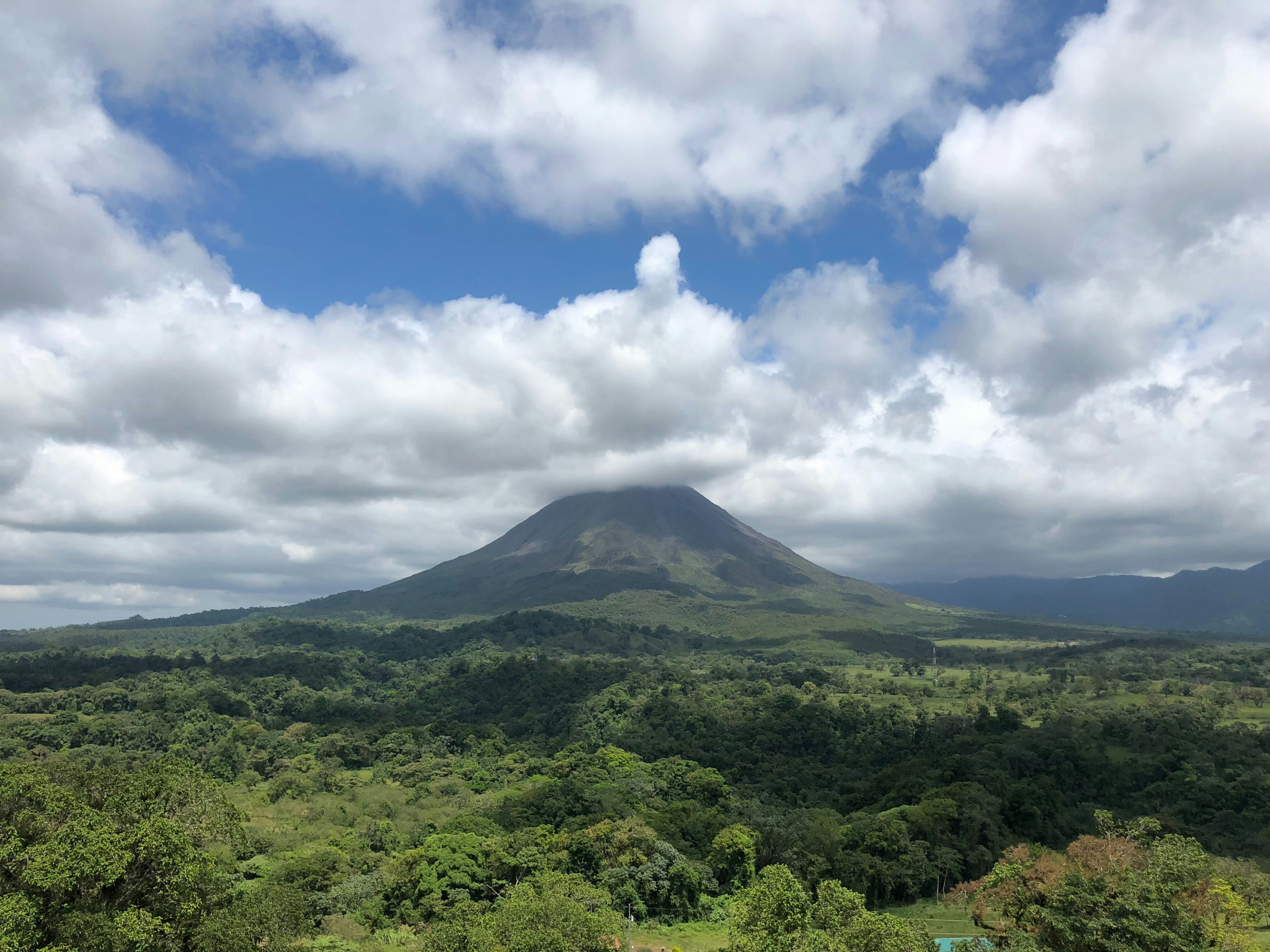
Costa Rica is a compact, easy-to-navigate country where you can wake up in misty cloud forests, zip-line past volcanoes, and end the day with sunset on the Pacific — all while enjoying the famously warm pura vida vibe.
Costa Rica stands out because it delivers big nature experiences without demanding extreme logistics or huge budgets. In a single trip, you can combine wildlife-rich jungles, coffee farms, hot springs, and two different coasts. Compared with larger destinations like Japan or Thailand, Costa Rica’s smaller size makes multi-stop itineraries more manageable, especially if you’re short on time.
As of 2026, Costa Rica remains one of Latin America’s most stable, eco-forward democracies. National parks cover more than a quarter of the country, and it’s common to spot toucans, sloths, and monkeys on everyday hikes. Adventure seekers can surf, raft, and zip-line; slow travellers can linger in beach towns, wellness retreats, and coffee-growing valleys.
This pillar guide is your high-level trip planner: we’ll help you decide when to visit, what kind of budget feels right, and how to move between hot spots like La Fortuna, Monteverde, Manuel Antonio, and Puerto Viejo. For day-by-day ideas, pair this guide with detailed itineraries such as 3 Days in Costa Rica: A Day-by-Day Itinerary, Costa Rica in 5 Days: The Perfect Extended Itinerary, and Costa Rica in 10 Days: The Ultimate Travel Itinerary, which break down routes, daily costs, and transport tips.
Use this guide as your starting point, then dive into cluster articles for specifics on visas, money, food, safety, culture, and getting around.
Best Time to Visit Costa Rica (By Season & Interest)
The best time to visit Costa Rica depends on whether you care more about sunshine, wildlife, or surf — but for most travellers, the dry season from December to April offers the easiest, most reliable conditions.
Costa Rica has two broad seasons rather than four: a dry season (summer-like, roughly December–April) and a rainy or “green” season (May–November). As of 2026, climate patterns remain similar, though shoulder months like November and May can be pleasantly unpredictable, mixing sunshine with short showers.
Here’s an at-a-glance look at how seasons align with different priorities:
| Season (Typical) | Weather Snapshot | Best For | Watch-outs |
|---|---|---|---|
| Dec–Apr (Dry) | Sunniest, less rain, hotter on coasts | First-time visits, beaches, volcano hikes | Higher prices, more crowds |
| May–Aug (Early Green) | Warm with afternoon showers | Wildlife, fewer crowds, good value | Some mud, occasional downpours |
| Sep–Oct (Peak Green) | Heaviest rains, esp. Pacific | Caribbean coast, budget travel | Road disruptions, limited sun on Pacific |
| Nov (Shoulder) | Transition; mix of sun and showers | Balanced trips, photo-friendly lushness | Variable weather, book flexible plans |
A simple decision framework:
- Want reliable sun and easy logistics? Aim for January–March.
- Want value and fewer crowds? Consider May–June.
- Want Caribbean vibes (Puerto Viejo, Cahuita)? September–October often work well despite Pacific rain.
When you’re ready to plan specific dates and routes, use seasonal suggestions in Costa Rica in 5 Days: The Perfect Extended Itinerary, Costa Rica in 10 Days: The Ultimate Travel Itinerary, and 3 Days in Costa Rica: A Day-by-Day Itinerary to match your timeframe to the right regions.
Costa Rica Travel Budget: How Much to Plan for in 2026
As of 2026, a realistic daily budget for Costa Rica ranges from about US$45–70 for budget travellers, US$80–150 for mid-range, and US$180+ for luxury — excluding flights but including most daily expenses.
Costa Rica is typically more expensive than many parts of Central America, but still cheaper than destinations like Japan, and somewhat comparable to popular parts of Thailand once you factor in activities. To build your budget, think in categories: accommodation, food, transport, activities, and connectivity (Hello eSIM).
An at-a-glance comparison:
| Travel Style (2026) | Approx. Daily Budget (per person) | Typical Inclusions |
|---|---|---|
| Budget | US$45–70 | Hostel/guesthouse, local sodas, buses, a few paid activities |
| Mid-range | US$80–150 | Comfortable hotels, mix of local & international food, shuttles, regular tours |
| Luxury | US$180–300+ | Boutique/luxury stays, fine dining, private guides, rental car, spa |
Use this simple framework:
- Decide your style: Are you okay with buses and basic food, or do you want shuttles and hot springs resorts?
- Anchor a daily range from the table.
- Layer in big-ticket items like zip-lining, rafting, or multi-day tours.
- Add connectivity with Hello eSIM (usually a modest share of the budget but critical for navigation and messaging).
For detailed cost breakdowns by category, sample daily spend, and money-saving tips, read the Costa Rica Travel Budget Guide: Daily Costs and Money Tips. Pair it with the Costa Rica Currency & Money Guide: Exchange, Cards, and Tips to understand how to pay, tip, and withdraw cash once you’re in-country.
Visa & Entry Requirements (with a Focus on Singapore Travellers)
For most visitors, Costa Rica offers fairly straightforward entry, but requirements vary by nationality, so always check your passport rules — Singapore citizens currently enjoy visa-free stays for tourism, subject to conditions.
As of 2026, travellers typically need a passport with sufficient validity (often at least six months), proof of onward travel, and sometimes proof of funds or accommodation. Singapore passport holders benefit from relatively easy access but must still comply with immigration and customs regulations.
A simple pre-arrival check:
- Passport validity: Make sure your passport extends well beyond your return date.
- Onward/return ticket: Airlines and immigration may ask to see proof.
- Travel insurance: Strongly recommended and occasionally requested, especially for longer stays.
- Customs awareness: Know what you can bring in duty-free, and declare restricted items as required.
Use this decision mini-framework:
- Are you a Singapore citizen? Go directly to the detailed Costa Rica Visa & Entry Requirements for Singapore Passport Holders for current rules, maximum stay durations, and practical airport tips.
- Travelling on a different passport? Use Costa Rica’s official immigration resources and your local embassy website, then cross-check with your airline.
- Bringing special items (drone, large camera gear, food)? Confirm customs rules in advance to avoid delays.
The Costa Rica Visa & Entry Requirements for Singapore Passport Holders article also covers customs allowances, entry forms, and what to expect during immigration interviews, helping you arrive prepared and confident.
Getting Around Costa Rica: Transport Options Compared
Getting around Costa Rica in 2026 is easier than ever, with a mix of public buses, shared shuttles, domestic flights, and rental cars — your best option depends on budget, comfort level, and route complexity.
Costa Rica’s compact size makes overland travel practical, but road conditions and mountain terrain mean travel times aren’t always short. The key is picking a transport style that matches your confidence with driving, your Spanish level, and how many destinations you’re combining.
Here’s a simple comparison:
| Mode | Best For | Pros | Cons |
|---|---|---|---|
| Public bus | Budget travellers | Cheapest, widespread routes | Slower, less direct, basic comfort |
| Shared shuttle | Mid-range & groups | Door-to-door, more comfortable | Higher cost than buses, fixed schedules |
| Rental car | Flexible explorers | Maximum freedom, scenic drives | Insurance costs, driving stress, parking |
| Domestic flight | Longer routes | Time-saving for far-flung areas | Higher prices, baggage limits |
A quick decision tree:
- If you plan 2–3 main bases and don’t mind fixed times, consider shared shuttles.
- If you’re comfortable driving and want spontaneous stops, rent a car for part or all of the trip.
- If you’re strictly budget-focused, buses plus occasional taxis work well.
For step-by-step guidance on airport transfers, public transport, ride-hailing apps, and driving tips, read Getting Around Costa Rica: Transport Guide for Travellers. Combine that with itineraries like Costa Rica in 10 Days: The Ultimate Travel Itinerary to see how different modes fit into real routes.
Food & Dining: Eating Your Way Through Costa Rica
Costa Rican food is comforting, fresh, and surprisingly diverse — expect rice and beans staples like gallo pinto alongside Caribbean-inspired dishes, seafood, and plenty of tropical fruit.
Dining in Costa Rica tends to be straightforward and relaxed. Local sodas (small, family-run eateries) are your best value, serving set plates that often include rice, beans, salad, plantains, and a choice of protein. In tourist hubs, you’ll also find international restaurants, cafes, and small bakeries.
Use this simple lens for planning food:
- Breakfast: Often gallo pinto (rice and beans) with eggs, tortillas, and coffee.
- Lunch: A casado plate (rice, beans, salad, plantains, protein) or simple snacks.
- Dinner: Mix of local dishes, seafood, and international options.
Price-wise, as of 2026:
- Local soda meal: roughly budget-friendly, good for everyday.
- Mid-range restaurant: expect noticeably higher bills, especially in beach towns.
- Upscale dining: concentrated in tourist centers and cities, with international menus.
If you have dietary needs (vegetarian, vegan, gluten-free), Costa Rica is increasingly accommodating, particularly in popular destinations.
For must-try dishes, typical prices, and food safety tips, head to the Costa Rica Food Guide: Must-Try Dishes, Prices, and Tips. To pair food costs with your overall budget, use the Costa Rica Travel Budget Guide: Daily Costs and Money Tips, which shows how dining choices affect your daily spend.
Top Experiences & Suggested Costa Rica Itineraries
Costa Rica’s top experiences center on nature and adventure: think volcano hikes, cloud forest walks, whitewater rafting, surfing, wildlife watching, and soaking in hot springs under the stars.
Because the country is relatively small, you can fit multiple ecosystems into one trip. The trick is not trying to do everything. Instead, anchor your itinerary around a few key themes — adventure, beaches, wildlife, wellness — and choose 2–4 bases that match.
A simple theme-based approach:
- Adventure & volcanoes: Base in La Fortuna (Arenal) for zip-lining, canyoning, hot springs.
- Cloud forests & wildlife: Add Monteverde for hanging bridges and nature walks.
- Beaches & surfing: Choose Pacific (e.g., Manuel Antonio, Jacó, Santa Teresa) or Caribbean (Puerto Viejo).
- Wellness & slow travel: Mix beach towns with eco-lodges or retreats.
Use itineraries like building blocks:
- Short trip? Start with 3 Days in Costa Rica: A Day-by-Day Itinerary for a focused intro.
- Extended stopover? Follow Costa Rica in 5 Days: The Perfect Extended Itinerary for a deeper dive.
- Classic holiday? Use Costa Rica in 10 Days: The Ultimate Travel Itinerary to combine multiple regions at a relaxed pace.
Each of these cluster articles offers daily schedules, cost estimates, and transport tips. Use Hello’s trip planning and expense splitting features to keep your group’s bookings, budgets, and shared costs organized while you build your own version of these suggested routes.
Staying Connected: Hello eSIM for Costa Rica in 2026
The easiest way to stay online in Costa Rica in 2026 is with Hello eSIM, giving you instant data when you land, without hunting for local SIM cards or dealing with paper forms.
Hello is a travel companion app for iOS and Android that offers eSIM data plans for 200+ countries, including Costa Rica, alongside expense splitting, trip planning, and budget tracking. With Hello eSIM, you can buy and activate your Costa Rica data plan before departure or right after landing, using QR codes or in-app activation.
Why it matters in Costa Rica:
- Navigation: Many top spots are reached via winding roads; online maps are essential.
- Transport & tours: Use messaging apps and ride options where available for coordination.
- Safety & updates: Check weather alerts, park opening hours, and stay in touch with your group.
A simple connectivity plan:
- Before departure, install the Hello app and purchase a Costa Rica eSIM data plan that matches your trip length.
- On landing, activate Hello eSIM and test maps and messaging while still at the airport.
- Combine Hello’s expense splitting and budget tracking with your chosen daily budget.
For detailed information on the best data plans, coverage across regions like San José, La Fortuna, Monteverde, and coastal towns, and step-by-step setup instructions, read eSIM for Costa Rica: Best Plans, Coverage, and Setup Tips. Use that guide alongside the Costa Rica Currency & Money Guide: Exchange, Cards, and Tips to decide how much to allocate to connectivity.
Safety, Health & Cultural Etiquette: Travelling Smart
Costa Rica is widely considered one of the safer, more welcoming countries in Central America, but smart travellers still pay attention to petty crime, road safety, and basic health precautions.
Most visitors experience only minor issues, if any. The main risks tend to be opportunistic theft in busy areas, beach safety (riptides), and road-related incidents due to weather or night driving. Having Hello eSIM active helps you access maps, emergency contacts, and real-time updates more easily.
Use this simple safety checklist:
- Secure valuables; use hotel safes when available.
- Avoid leaving items visible in parked cars.
- Be cautious on isolated beaches after dark.
- Monitor weather and road conditions in rainy season.
Health-wise, standard travel insurance is strongly recommended, and you should stay hydrated, use sunscreen, and take basic precautions with water and food.
Culturally, Costa Ricans (Ticos) are generally warm, polite, and informal. A few local norms:
- Greetings are often friendly and relaxed; pura vida is a common catch-all phrase.
- Casual dress is fine in most settings, with modesty in more formal or religious spaces.
- Learning a few Spanish phrases goes a long way.
For more detailed advice, emergency contacts, and common scams, see the Costa Rica Safety Guide: Tips for a Safe Trip. To deepen your understanding of etiquette, greetings, and customs, read the Costa Rica Cultural Guide: Etiquette, Customs, and Tips before you go.
Money, Currency & Paying for Things in Costa Rica
Costa Rica’s official currency is the colón, but US dollars are widely accepted in tourist areas, making it relatively easy to pay for things as of 2026.
In practice, many travellers use a mix of cards, cash in colones, and some US dollars. ATMs are common in cities and major towns, though more limited in very remote areas, so planning ahead is wise. Using Hello’s budget tracking and expense splitting features can help you keep your spending under control and share costs easily within your group.
A simple money-management framework:
- Cards first: Use credit or debit cards where possible for transparency and security.
- Cash for small purchases: Keep a modest amount of colones for buses, local markets, and small sodas.
- US dollars as backup: Handy in tourist hubs, but always check conversion rates.
Things to consider in 2026:
- ATM and foreign transaction fees can add up; check with your bank before travel.
- Tipping is usually moderate and often included in bills as a service charge.
- Always notify your bank of travel plans to avoid card blocks.
For detailed guidance on where to exchange money, how to spot fair rates, card acceptance patterns, ATM safety, and tipping culture, read the Costa Rica Currency & Money Guide: Exchange, Cards, and Tips. Then use the Costa Rica Travel Budget Guide: Daily Costs and Money Tips to align your money strategy with your chosen daily budget.
Before You Go: Pre-Departure Checklist for Costa Rica
A smart pre-departure checklist turns your Costa Rica dream trip into a smooth reality — covering documents, health, money, connectivity, and basic packing.
Use this quick, quotable list as your final check before heading to the airport. It assumes you’re travelling in 2026 and want to land ready to enjoy pura vida from day one.
Documents & admin
- Passport validity checked (and visas if required).
- Onward/return ticket and accommodation confirmations saved offline.
- Travel insurance purchased and policy numbers stored.
Money & budget
- Daily budget range decided using the Costa Rica Travel Budget Guide: Daily Costs and Money Tips.
- Cards notified for international travel; backup card packed.
- Small amount of starter cash prepared; plan for ATMs via the Costa Rica Currency & Money Guide: Exchange, Cards, and Tips.
Connectivity & planning
- Hello app installed; Costa Rica Hello eSIM plan purchased or selected.
- Trip plan drafted using itineraries (3-day, 5-day, or 10-day).
- Shared expense groups set up in Hello if travelling with friends.
Safety, health & culture
- Key safety tips reviewed in the Costa Rica Safety Guide: Tips for a Safe Trip.
- Cultural etiquette skimmed from the Costa Rica Cultural Guide: Etiquette, Customs, and Tips.
- Basic meds, sunscreen, insect repellent, and suitable clothing packed.
Run through this checklist a week before departure and again the day before your flight to avoid last-minute stress and enjoy a smoother Costa Rican adventure.
Costa Rica Travel Budget Guide: Daily Costs and Money Tips
Currency & MoneyCosta Rica Currency & Money Guide: Exchange, Cards, and Tips
Safety & HealthCosta Rica Safety Guide: Tips for a Safe Trip
Cultural GuideCosta Rica Cultural Guide: Etiquette, Customs, and Tips
eSIM & ConnectivityeSIM for Costa Rica: Best Plans, Coverage, and Setup Tips
Itineraries3 Days in Costa Rica: A Day-by-Day Itinerary
ItinerariesCosta Rica in 5 Days: The Perfect Extended Itinerary
ItinerariesCosta Rica in 10 Days: The Ultimate Travel Itinerary
Frequently Asked Questions
How many days do I need for a good first trip to Costa Rica?
For a solid first taste of Costa Rica, 7–10 days is ideal, letting you combine at least one volcano area (like La Fortuna), one cloud forest region (like Monteverde), and one beach base. If you’re short on time, use 3 Days in Costa Rica: A Day-by-Day Itinerary or Costa Rica in 5 Days: The Perfect Extended Itinerary as templates for shorter trips.
Is Costa Rica expensive compared with other popular destinations?
Costa Rica is generally more expensive than some neighbouring countries, but still good value compared with many long-haul destinations. As of 2026, typical daily budgets range roughly from budget to luxury levels depending on your travel style. The Costa Rica Travel Budget Guide: Daily Costs and Money Tips offers detailed breakdowns and comparisons to help you decide what’s realistic for you.
Do I need a visa to visit Costa Rica as a Singapore passport holder?
Singapore citizens currently enjoy relatively easy access to Costa Rica for tourism, with visa-free stays under certain conditions, though requirements can change. Always confirm the latest rules, passport validity requirements, and customs allowances in the Costa Rica Visa & Entry Requirements for Singapore Passport Holders before booking.
Is Costa Rica safe for solo travellers and families?
Costa Rica is widely regarded as one of the safer countries in Central America for solo travellers, couples, and families, provided you follow common-sense precautions for petty crime, road safety, and beach conditions. The Costa Rica Safety Guide: Tips for a Safe Trip covers emergency contacts, common scams, and health considerations in more detail.
What’s the best way to stay connected in Costa Rica?
The most convenient way to stay online in Costa Rica in 2026 is with Hello eSIM, which offers instant activation and data plans for 200+ countries directly through the Hello app. For specifics on plan options, coverage across popular regions, and setup steps, read eSIM for Costa Rica: Best Plans, Coverage, and Setup Tips.
Should I rent a car in Costa Rica or rely on buses and shuttles?
Renting a car gives you maximum flexibility to explore at your own pace, especially if you’re visiting multiple regions, but it comes with responsibilities like insurance and driving on sometimes challenging roads. Buses and shared shuttles are cheaper and less stressful. The Getting Around Costa Rica: Transport Guide for Travellers compares all options and helps you choose based on budget and comfort.
How can I manage money and payments efficiently during my trip?
Use a mix of cards and cash, with colones for smaller purchases and US dollars accepted in many tourist areas. Combine this with Hello’s budget tracking and expense splitting features to keep spending organized. For exchange tips, ATM advice, card acceptance, and tipping norms, see the Costa Rica Currency & Money Guide: Exchange, Cards, and Tips, and cross-check daily costs in the Costa Rica Travel Budget Guide: Daily Costs and Money Tips.
eSIM Plans for Costa Rica
Detailed Articles
Dive deeper into specific topics covered in this guide.
3 Days in Costa Rica: A Day-by-Day Itinerary
A detailed 3-day itinerary for Costa Rica with daily activities, costs, neighborhoods, and transport tips.
10 June 2026
Costa Rica in 5 Days: The Perfect Extended Itinerary
A detailed 5-day itinerary for Costa Rica with daily activities, costs, neighborhoods, and transport tips for an extended stay.
4 May 2026
Costa Rica in 10 Days: The Ultimate Travel Itinerary
A comprehensive 10-day itinerary for Costa Rica covering top attractions, hidden gems, daily costs, and transport between cities.
18 June 2026
Costa Rica Travel Budget Guide: Daily Costs and Money Tips
How much does it cost to travel in Costa Rica? Daily budget breakdowns for budget, mid-range, and luxury travellers.
23 February 2026
Costa Rica Currency & Money Guide: Exchange, Cards, and Tips
Currency exchange, credit card acceptance, ATM tips, tipping culture, and money-saving advice for Costa Rica.
25 July 2026
Costa Rica Visa & Entry Requirements for Singapore Passport Holders
Visa requirements, passport validity, customs allowances, and entry tips for Singapore citizens travelling to Costa Rica.
7 July 2026
Getting Around Costa Rica: Transport Guide for Travellers
Airport transfers, public transport, ride-hailing apps, inter-city travel, and driving tips for Costa Rica.
23 May 2026
Costa Rica Food Guide: Must-Try Dishes, Prices, and Tips
Best local dishes, street food, restaurant prices, dietary options, and food safety tips for Costa Rica.
14 May 2026
More Travel Guides
Destination Guide
Complete Bosnia and Herzegovina Travel Guide 2026
Everything you need to know about travelling to Bosnia and Herzegovina — budget, visa, food, transport, eSIM connectivity, and itineraries.
Destination Guide
Complete Bahamas Travel Guide 2026
Everything you need to know about travelling to Bahamas — budget, visa, food, transport, eSIM connectivity, and itineraries.
Destination Guide
Complete Bahrain Travel Guide 2026
Everything you need to know about travelling to Bahrain — budget, visa, food, transport, eSIM connectivity, and itineraries.
Destination Guide
Complete Sint Eustatius Travel Guide 2026
Everything you need to know about travelling to Sint Eustatius — budget, visa, food, transport, eSIM connectivity, and itineraries.