Costa Rica Safety Guide: Tips for a Safe Trip
Safety tips, health advisories, emergency contacts, common scams, and travel insurance advice for Costa Rica.
By Hello Travel Team
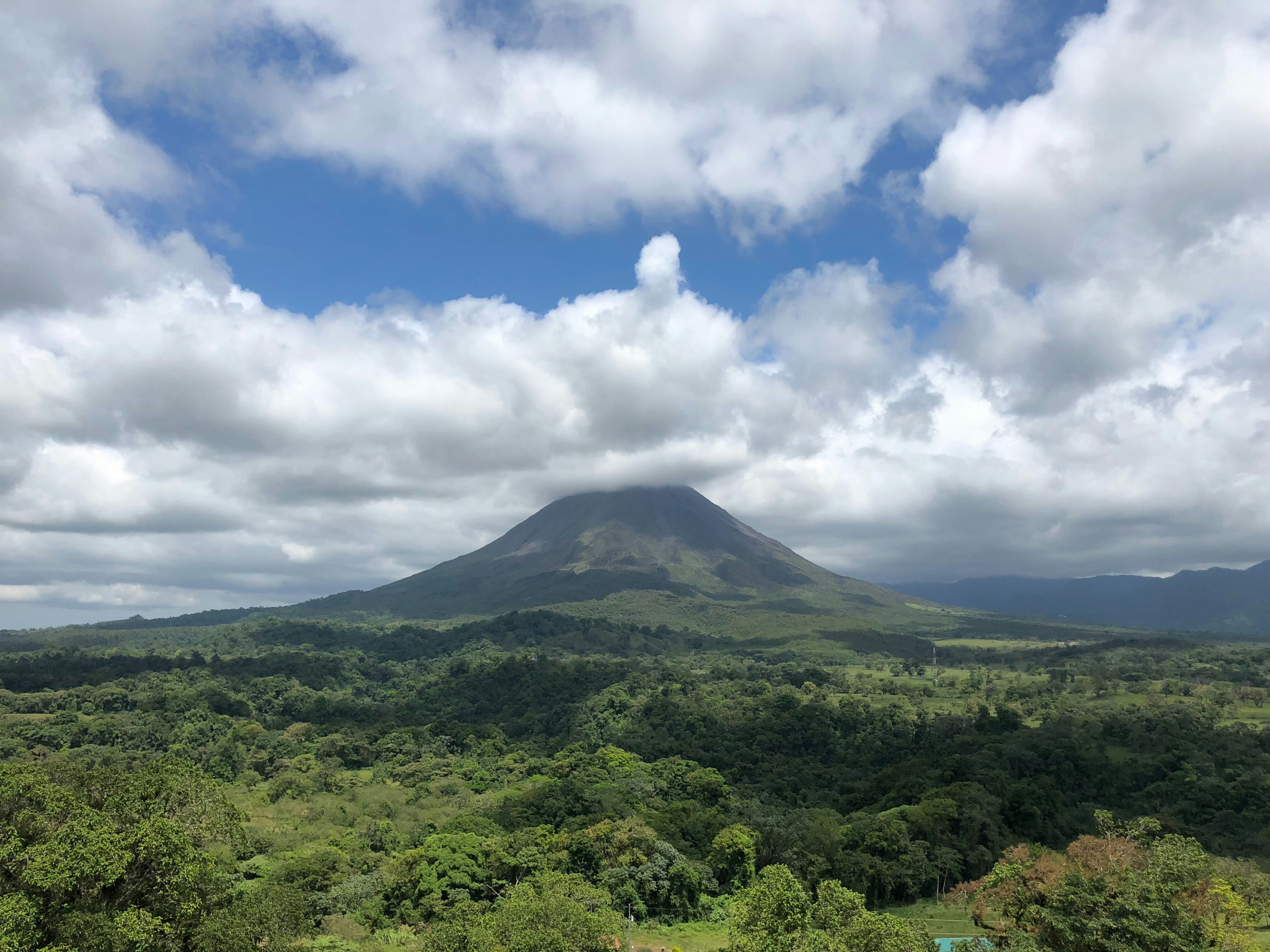
Costa Rica Safety Guide: Is Costa Rica Safe for Travellers?
Costa Rica is generally a rewarding and manageable destination for travellers, but visitors should take normal urban-crime precautions, use extra care after dark, and prepare for ocean, weather, and health risks. The U.S. Department of State advises travellers to exercise increased caution because violent crime, including robbery, homicide, and sexual assault, can affect tourists. Costa Rica remains popular for its national parks, wildlife, beaches, and well-developed tourism infrastructure, so a balanced approach—not fear—is the best Costa Rica travel safety strategy.
TL;DR: Keep valuables discreet, avoid isolated beaches and poorly lit streets at night, use official taxis and reputable transport, protect yourself from mosquitoes and strong surf, and buy comprehensive travel insurance. Save Costa Rica emergency numbers before departure: 911 is the nationwide emergency line, while 128 can be used for medical emergencies and 118 for fire and rescue. Singapore’s Ministry of Foreign Affairs also recommends consulting a doctor about vaccinations and purchasing comprehensive insurance before travelling.
Tourist Police posts operate in major visitor areas including Guanacaste, Playa del Coco, Flamingo, Tamarindo, and Nosara. Store passport scans, insurance details, accommodation information, and emergency contacts offline as well as in the cloud. An eSIM from Hello can provide mobile data on arrival for maps, translation, ride coordination, and emergency calls where network coverage is available; see Hello eSIM for Costa Rica.
Costa Rica Travel Safety Tips for Cities, Beaches, and Transport
The safest Costa Rica travel routine is simple: secure your belongings, choose accommodation and transport carefully, and avoid isolated places after dark, especially in San José, coastal towns, and busy transit areas. Singapore’s Ministry of Foreign Affairs advises visitors not to walk alone at night, avoid displaying jewellery or carrying large amounts of cash, and use only official taxis.
Use these practical habits:
- Carry only the day’s cash and one payment card; keep backups separately.
- Leave passports, spare cards, and expensive electronics in a hotel safe, not in a parked rental car.
- Never leave bags visible in a vehicle, even at a viewpoint or restaurant.
- Prefer registered taxis, app-booked rides where available, hotel transfers, or reputable shuttle companies.
- At bus stations, keep bags in sight and avoid accepting unsolicited help with luggage.
- Share your itinerary with someone at home and check in after long transfers.
- On hikes, use marked trails, tell your accommodation where you are going, and carry water.
At Pacific and Caribbean beaches, assume currents can be dangerous unless local advice says otherwise. Costa Rica often has powerful rip currents and limited lifeguard coverage. Do not swim when warning flags are displayed, and never turn your back on the ocean. During June–November, monitor weather updates because Costa Rica’s rainy season can bring flooding, landslides, and travel delays.
Costa Rica Scams: Common Tricks and How to Avoid Them
Most Costa Rica scams are opportunistic rather than elaborate: inflated taxi fares, distraction theft, fake helpers, and vehicle-related schemes are easier to prevent when prices and procedures are agreed before payment. Travellers should stay polite but cautious, particularly around airports, bus terminals, car parks, and crowded markets.
Common examples include:
- Taxi overcharging: Use an official red taxi with the yellow triangle, confirm that the meter will be used, and ask your hotel to call one. Agree on private-transfer prices in writing before departure.
- Car-rental damage disputes: Photograph and video every panel, wheel, windscreen, and fuel level at pickup and return. Confirm what the insurance excess covers.
- Parking-lot distraction theft: A stranger may point out a supposed flat tyre or spill on your clothing. Move to a busy, secure location before checking belongings.
- Beach and hotel theft: Do not leave phones, wallets, or bags unattended while swimming or at open-air restaurants.
- Fake officials or helpers: Ask for identification and deal through your hotel, tour operator, bank, or police station instead of handing over documents or cash.
Never resist a robbery. Hand over valuables, move away safely, and report the incident through 911. Keep copies of your passport and entry stamp, and record card-cancellation numbers separately. Hello’s expense-splitting and budget-tracking tools can help groups log shared taxi, tour, and accommodation costs in multiple currencies, making disputed charges easier to identify.
Costa Rica Emergency Numbers, Singapore Assistance, and Insurance
Save Costa Rica emergency numbers before your flight: 911 is the nationwide line for police, ambulance, fire, and rescue, while 128 is listed for medical emergencies and 118 for fire and rescue. If you are unsure which service you need, call 911 and explain your location clearly, using a nearby hotel, landmark, road, or GPS pin.
| Need | Number or action |
|---|---|
| Police, ambulance, fire, general emergency | 911 |
| Medical emergency | 911 or 128 |
| Fire and rescue | 911 or 118 |
| Tourist Police | 911; additional tourist-police contacts are listed by local authorities |
| Singapore consular help | Contact Singapore’s Ministry of Foreign Affairs and the nearest Singapore diplomatic mission |
Singapore does not maintain a resident embassy in Costa Rica. Singapore’s MFA advises travellers to contact the Embassy of the Republic of Singapore in Mexico for consular assistance, while the Embassy of Costa Rica in Singapore can provide Costa Rican entry information. Before departure, register your trip with MFA, save its 24-hour consular assistance details, and verify current contact numbers because diplomatic arrangements can change.
Buy insurance that covers medical treatment, emergency evacuation, trip interruption, theft, and adventure activities such as surfing, rafting, ziplining, and hiking. Check exclusions carefully: some policies exclude motorcycle use, alcohol-related incidents, unattended belongings, or activities outside approved safety rules. Keep receipts, police reports, medical records, and claim instructions.
Costa Rica Health Advisories, Vaccinations, and Water Safety
The most useful Costa Rica health preparation is an appointment with a travel-health professional four to eight weeks before departure, particularly for longer stays, rural travel, pregnancy, or medical conditions. Canada’s travel guidance recommends keeping routine vaccinations current, including measles, tetanus, diphtheria, pertussis, polio, influenza, and other age-appropriate immunisations. Yellow-fever proof may be required when arriving from countries where yellow fever occurs, so check the current entry rules for your itinerary.
Mosquito-borne illnesses including dengue, chikungunya, and Zika can occur year-round. Use repellent containing DEET, picaridin, or another proven active ingredient; wear lightweight long sleeves; and choose screened or air-conditioned rooms. A malaria consultation may be relevant for particular rural areas, even though San José is described as malaria-free in official travel guidance.
Tap water is commonly treated and is often safe in cities and established tourist areas, but quality can vary by region and after heavy rain. When uncertain, ask locally and choose sealed bottled water or a reliable filter. Avoid ice if the water source is unclear, and take extra care with raw foods in remote areas.
Ocean conditions deserve equal attention: strong rip currents are common on both coasts. Swim only at monitored beaches when possible, follow flags and local warnings, and avoid entering the water alone. Pack oral rehydration salts, sunscreen, insect repellent, prescribed medicines, and a basic first-aid kit.
Solo Female and LGBTQ+ Travel Safety in Costa Rica
Solo women and LGBTQ+ travellers can enjoy Costa Rica, but the safest approach is to combine normal destination awareness with careful choices about accommodation, nightlife, transport, and isolated outdoor locations. Harassment, theft, and unwanted attention can occur, particularly around nightlife districts, beaches, and transport hubs, even though Costa Rica is widely viewed as one of Central America’s more socially progressive destinations.
Solo female traveller tips:
- Book well-reviewed accommodation with 24-hour reception or controlled entry.
- Avoid walking alone on empty beaches, roads, or city streets after dark.
- Arrange airport and intercity transfers in advance where practical.
- Share live location during late journeys and keep your phone charged.
- Do not disclose your room number or travel plans to strangers.
- Limit alcohol and keep your drink with you.
- Trust your instincts; leave uncomfortable situations early and ask staff for help.
LGBTQ+ visitors generally find established tourist areas welcoming, especially in San José and popular beach destinations, but attitudes can vary outside visitor centres. Public displays of affection should be guided by local context, and accommodation should be chosen for inclusive reviews and clear policies. If a crime occurs, report it to 911 and request assistance from your accommodation, tour operator, or consular authorities. Keep digital copies of identification and insurance documents in case your phone or wallet is lost.
Common Questions About Costa Rica Safety
Costa Rica is safe for most visitors who take sensible precautions, but it is not risk-free: crime, rip currents, mosquitoes, earthquakes, volcanic activity, and heavy-rain disruptions all deserve preparation. These quick answers address the questions travellers most often ask.
Is Costa Rica safe for tourists? Generally, yes, provided you secure valuables, avoid isolated areas at night, use official transport, and follow local beach and weather warnings. Violent crime can affect tourists, so do not assume resort areas are completely risk-free.
What are the Costa Rica emergency numbers? Call 911 for police, ambulance, fire, and general emergencies. Official travel guidance also lists 128 for medical emergencies and 118 for fire and rescue.
Is it safe to drive in Costa Rica? Driving is practical but requires caution. Roads can be narrow, poorly lit, potholed, or affected by rain and landslides. Avoid night driving where possible, use offline maps, do not leave luggage in the car, and photograph the vehicle before accepting it.
Can you drink the tap water? Often yes in San José and developed tourist areas, but ask locally because quality varies. Use sealed or filtered water when uncertain.
What should I do if robbed? Do not resist. Move to safety, call 911, contact your bank and insurer, and request a police report for claims or replacement documents.
Does Costa Rica have dangerous wildlife? Encounters are usually avoidable. Keep distance from monkeys, snakes, crocodiles, and other wildlife; never feed animals; and follow park-ranger instructions.
Explore These Destinations
Stay Connected
Ready for Costa Rica?
eSIM data, expense splitting, budget tracking, and more. Everything you need for a smooth trip in one app.
Related Articles
Costa Rica Currency & Money Guide: Exchange, Cards, and Tips
Currency exchange, credit card acceptance, ATM tips, tipping culture, and money-saving advice for Costa Rica.
25 July 2026
Costa Rica Visa & Entry Requirements for Singapore Passport Holders
Visa requirements, passport validity, customs allowances, and entry tips for Singapore citizens travelling to Costa Rica.
7 July 2026
eSIM for Costa Rica: Best Plans, Coverage, and Setup Tips
Everything you need to know about using eSIM in Costa Rica. Best data plans, network coverage, and setup instructions.
28 June 2026