Costa Rica Cultural Guide: Etiquette, Customs, and Tips
Essential do's and don'ts, greeting customs, dress codes, local phrases, and cultural tips for Costa Rica.
By Hello Travel Team
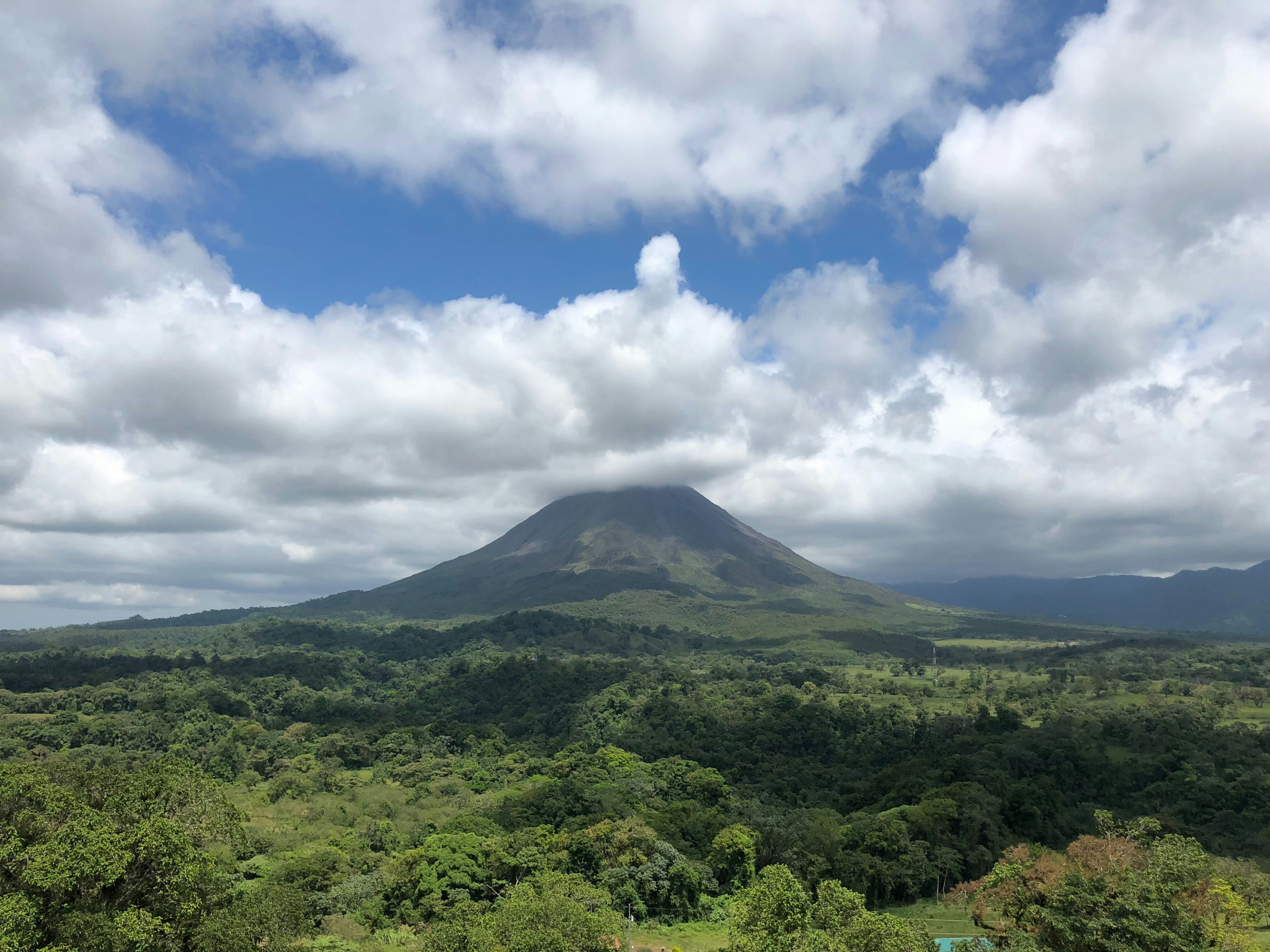
TL;DR: Costa Rica Culture, Etiquette, and Customs at a Glance
Costa Rica’s culture is warm, polite, and easygoing, and the biggest rule is to be respectful, patient, and friendly. If you remember a few Costa Rica etiquette basics—greet people properly, dress modestly in churches and small towns, and avoid loud behavior—you’ll fit in quickly and travel more smoothly.
Costa Rica Etiquette: The Essential Do’s and Don’ts
Costa Rica etiquette is shaped by courtesy, calm communication, and respect for personal space. A simple “buenos días,” “buenas tardes,” or handshake goes a long way, and in more informal settings, locals often use “hola” or a light cheek kiss among acquaintances. Punctuality is flexible in social situations, but you should still arrive on time for tours, reservations, and business meetings. One of the most useful Costa Rica do’s and donts is to avoid raising your voice or showing frustration in public, because a relaxed tone is valued more than blunt confrontation.
Do tip service staff when the service is excellent, but note that a 10% service charge is often already included in restaurant bills in Costa Rica. Don’t assume everyone speaks English, especially outside major tourist zones like San José, Tamarindo, or La Fortuna. Do carry small cash for taxis, snacks, and rural stops; a simple lunch can cost about $8–15 in 2026, while mid-range restaurant meals often land around $15–30 per person depending on the area. If you need to stay connected for directions, reservations, or translation, Hello eSIM for Costa Rica can be a practical way to arrive ready to go.
Costa Rica Greetings, Local Phrases, and Social Customs Travelers Should Know
A polite greeting is one of the easiest ways to show good manners in Costa Rica culture. People usually greet with a handshake in formal settings, while friends may use a cheek kiss or a brief hug. Address strangers with usted when you want to sound respectful, especially with older adults, shopkeepers, and in service situations. Costa Ricans are often called ticos, and phrases like “pura vida” are part of everyday life—it can mean hello, thanks, all good, or simply a positive attitude.
A few useful phrases can make travel much smoother. “¿Cuánto cuesta?” means “How much does it cost?” “¿Dónde está el baño?” means “Where is the bathroom?” and “Gracias” or “Muchas gracias” is always appreciated. In markets, buses, and small towns, basic Spanish helps a lot, even if you only know a handful of words. A good example: if you’re buying coffee in a local soda, greet the cashier first before ordering; skipping the greeting can come across as abrupt. If you’re traveling with friends, Hello’s trip tools can also help you coordinate plans, split shared costs, and keep your budget organized in one place.
Dress Codes in Costa Rica: What to Wear at Beaches, Towns, and Religious Sites
Costa Rica dress codes are relaxed at the beach but modest in churches, government buildings, and many inland towns. Swimwear belongs at the coast, not in supermarkets, restaurants, or central town squares, and it’s best to cover up when moving through local neighborhoods. In San José and other urban areas, casual but neat clothing is usually enough; in rural communities, conservative clothing is the safer choice.
For religious sites, shoulders and knees should be covered, and hats are usually removed indoors. This matters at churches in places like Cartago or smaller parish churches in town centers. If you’re visiting during the rainy season, which usually runs from May to November, lightweight layers and a compact rain jacket are much more useful than heavy clothing. For hikes, closed-toe shoes are a smart choice because trails in places like Monteverde or Arenal can be muddy.
Here’s a quick comparison to keep packing simple:
| Setting | What to Wear | What to Avoid |
|---|---|---|
| Beach | Swimwear, cover-up, sandals | Walking into town in only a bikini or trunks |
| Town/city | Casual, clean clothes | Overly revealing outfits |
| Church/religious site | Covered shoulders and knees | Sleeveless tops, short shorts |
| Hike/nature | Breathable layers, closed shoes | Flip-flops on rough trails |
Photography Rules, Business Etiquette, and Public Behavior in Costa Rica
Costa Rica customs around photography are generally friendly, but asking first is the safest approach when photographing people, market stalls, or private property. Never take pictures inside churches, schools, or government spaces unless signs clearly allow it. In Indigenous communities, national parks, or rural villages, be especially respectful and check locally before photographing ceremonies, homes, or individuals. If a person declines, accept it immediately and move on without insisting.
Business etiquette in Costa Rica is formal at first and then becomes warm and relationship-based. Handshakes are standard, eye contact matters, and business cards are typically exchanged politely. Meetings may start a little later than expected, but that does not mean you should arrive late. If you are scheduling rides, tours, or meetings on the move, staying connected with a reliable eSIM from Hello can help you avoid confusion with timing, pickup points, and messaging.
Public behavior is usually calm and low-key. Loud arguments, visible impatience, or aggressive bargaining can create friction. In markets, polite negotiation may be acceptable for some goods, but it should always feel friendly rather than forceful. A practical travel example: if you’re booking a private transfer from Juan Santamaría International Airport, confirming the price in advance avoids misunderstandings and keeps the interaction smooth.
Costa Rica Holidays, Gift-Giving Customs, and Travel Planning Tips
Costa Rica holidays can affect transport, opening hours, and hotel check-ins, so plan around them if possible. The most important dates for travelers include New Year’s Day, Semana Santa (Holy Week), the Battle of Rivas observances in April, Labor Day on May 1, Guanacaste Annexation Day on July 25, Mother’s Day on August 15, Independence Day on September 15, and Christmas and New Year travel periods. During Semana Santa especially, many families travel, businesses close early, and beaches and highways can become crowded.
Gift-giving customs are simple and not overly formal. Small, thoughtful gifts are fine when visiting someone’s home, and something practical like pastries, chocolate, or flowers is usually appropriate. If you are invited for a meal, bringing a dessert or drink is a kind gesture, but it is not mandatory. Avoid extravagant gifts unless the relationship is close, because modesty is often better received than showiness.
For planning, the key is flexibility. Book popular transport and lodging early around holidays, especially in San José, the Central Valley, and beach destinations. Since traffic and schedules can change quickly, having local data on your phone makes real-time updates easier. That is where Hello’s eSIM plans for Costa Rica can be useful for maps, rides, and confirmations without hunting for Wi‑Fi.
Common Questions About Costa Rica Culture and Etiquette
Costa Rica culture is generally welcoming, relaxed, and polite, but it still rewards travelers who show patience and respect. The basics are simple: greet people first, dress appropriately for the setting, and keep your tone calm in public.
Do I need to speak Spanish in Costa Rica? No, but basic Spanish phrases help a lot outside major tourist areas. A few words like “hola,” “gracias,” and “¿cuánto cuesta?” make everyday interactions easier and more respectful.
Is tipping expected in Costa Rica? Tipping is appreciated but not always required. Restaurants often include a 10% service charge, while extra tips for excellent service or guided tours are common.
Can I wear beach clothes around town? Beachwear is fine at the beach, but not in shops, restaurants, or churches. Cover up when you leave the coast.
Are Costa Ricans strict about time? Social plans can be flexible, but business, tours, and airport transfers should be treated as punctual appointments.
What’s the best local phrase to know? “Pura vida” is the signature phrase of Costa Rica customs, and it works as a greeting, thank-you, or easygoing expression of goodwill.
Explore These Destinations
Stay Connected
Make the most of Costa Rica
From eSIM connectivity to expense tracking, Hello is the all-in-one companion that keeps your trip stress-free.
Related Articles
Costa Rica Currency & Money Guide: Exchange, Cards, and Tips
Currency exchange, credit card acceptance, ATM tips, tipping culture, and money-saving advice for Costa Rica.
25 July 2026
Costa Rica Safety Guide: Tips for a Safe Trip
Safety tips, health advisories, emergency contacts, common scams, and travel insurance advice for Costa Rica.
17 July 2026
Costa Rica Visa & Entry Requirements for Singapore Passport Holders
Visa requirements, passport validity, customs allowances, and entry tips for Singapore citizens travelling to Costa Rica.
7 July 2026